Designing small interiors has become one of the defining challenges of modern living, and in 2026, the rise of tiny living room designs is transforming how people approach comfort and style in limited square footage. Many readers ask the same questions: How do I create a functional layout in a very small living room How can I make the space feel Cozy without clutter What design strategies make tiny living room designs small spaces feel bigger In this article, I will answer these questions by sharing effective approaches that blend practicality with creativity, allowing compact interiors to feel open, stylish, and intentional.
With the help of structured planning, thoughtful furnishing, and smart material selection, even the smallest rooms can feel surprisingly spacious. I will explore how tiny living room design ideas, multifunctional layouts, Minimalist styling, and well-balanced décor can maximize usability while maintaining a warm, inviting feel. These principles apply to apartments, tiny houses, condos, and blended kitchen–living layouts, offering solutions for nearly every lifestyle.
As someone who works closely with homeowners navigating limited interiors, I’ve seen firsthand how small rooms can become the most efficient and beautiful areas of a home with the right choices. This guide presents the most current strategies for Tiny Living Room Design 2026, helping readers achieve harmony, comfort, and modern appeal even in extremely compact spaces.
1. Tiny Living Room Design 2026: Fresh Ideas For Modern Small Spaces
When I think about tiny living room designs, I look for ways to blend function and beauty while embracing the constraints of compact environments. In 2026, the focus is on clean lines, warm tones, flexible furniture, and strategic lighting that makes small areas feel open. Many homes rely on multi-use spaces, so creating a seamless connection between the living area and adjacent zones is essential. This year emphasizes simplicity, brightness, and optimized layouts that make tiny living room designs small spaces feel comfortable and modern.
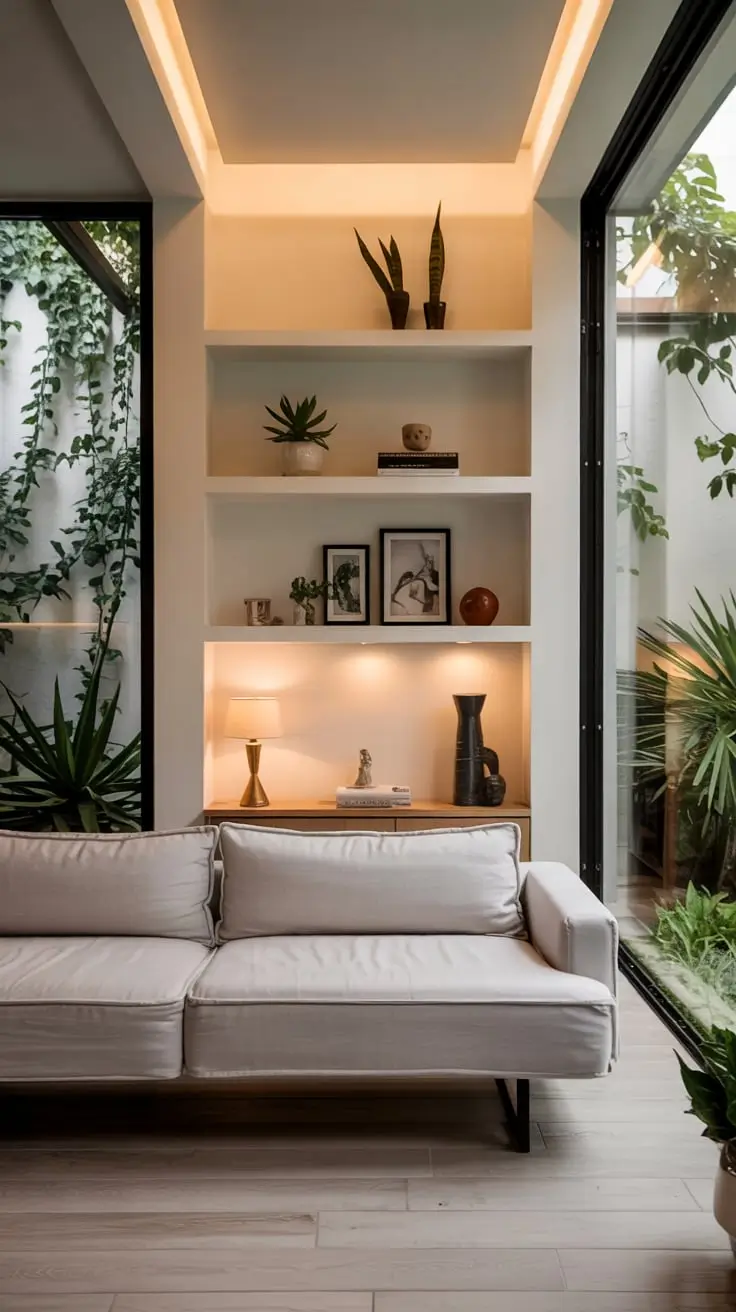
In furnishing such rooms, I prioritize slim-profile sofas, nesting tables, built-in shelving, and vertical storage. These items preserve movement through the space and prevent clutter. Natural textures, neutral palettes, and layered lighting also add warmth, contributing to tiny living room designs cozy environments. Wall-mounted lamps, mirrors, and open shelving maintain both usability and aesthetic clarity.
From my experience, US interior designers consistently recommend reducing bulky furniture and using multifunctional pieces to enhance small living spaces. I follow this principle because it makes compact rooms easier to maintain. The trick is striking a balance between comfort and practicality by choosing furniture that fits the proportions of the room.
To enhance this section further, I might add more detail about ceiling-height storage systems, as they play a huge role in maximizing Interior functionality in small areas.
2. Space-Saving Concepts For Tiny Living Room Designs
When planning tiny living room designs small spaces, I always begin with the goal of freeing floor area while maintaining comfort. Space-saving design in 2026 centers on modular seating, foldable surfaces, sliding doors, and wall-mounted cabinetry. These elements make daily living smoother while retaining visual appeal. A compact room can feel surprisingly open when circulation paths are clear and furniture is arranged for efficiency.
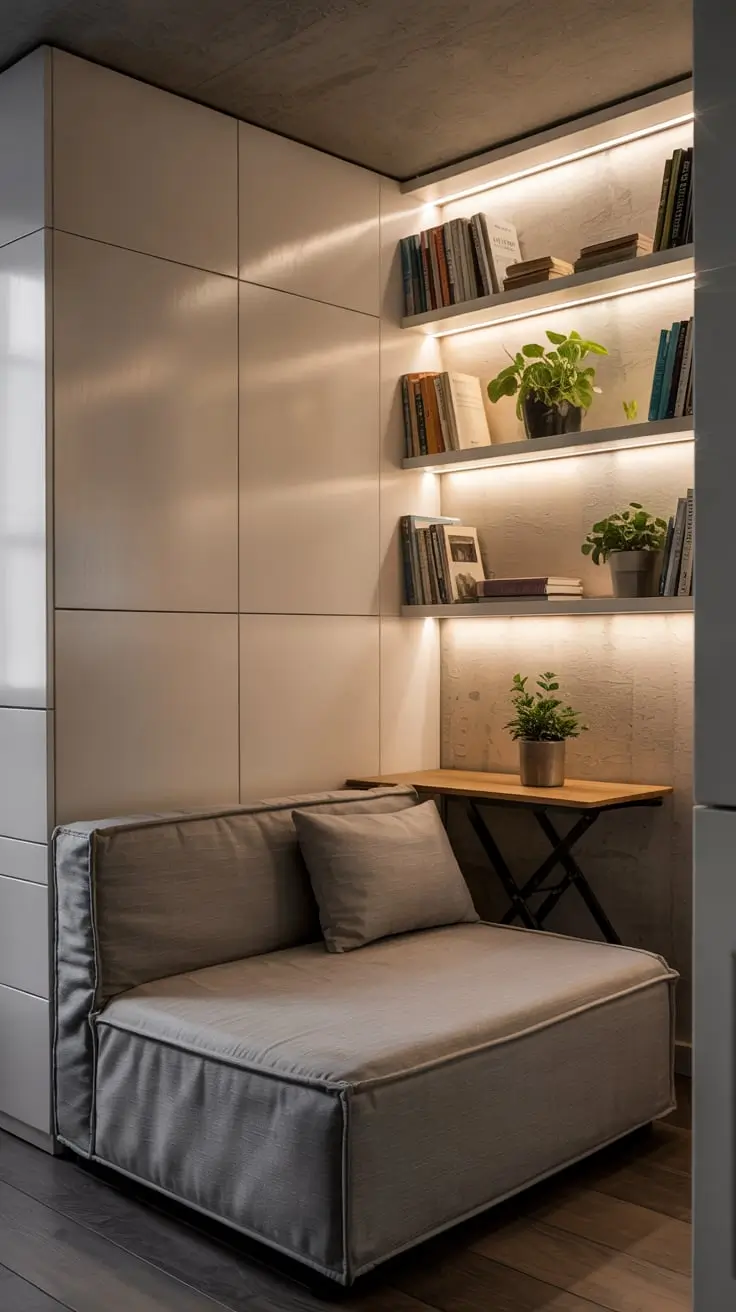
In my design choices, furniture must serve multiple purposes. A convertible sofa, collapsible dining-living table, or poufs with hidden storage can dramatically improve usability. I also use vertical bookcases, floating shelves, and corner units to make use of areas that are otherwise wasted. Strategic lighting keeps the design bright without taking up precious floor space, and storage ottomans keep the room organized.
Professionally, I often refer to guidance shared in major US interior publications recommending that small rooms avoid heavy furniture and prioritize vertical structure. I find that clients respond well to this approach because it reduces clutter and keeps the room feeling intentional. Space-saving concepts are extremely beneficial for tiny homes, studios, and micro-apartments.
One thing I would add is the benefit of using modular pieces specifically designed for Tiny homes, which allow homeowners to reconfigure their room depending on the activity.
3. Smart Styling For Tiny Living Room Designs In Small Spaces
When creating styling strategies for tiny living room design ideas, I focus on subtlety and proportion. The key is using décor that enhances the feeling of openness while adding character. Light, airy curtains, soft rugs, and slim accent chairs contribute warmth without overwhelming the layout. In rooms where space is extremely limited, a thoughtful color palette and carefully chosen textures can completely change the atmosphere.
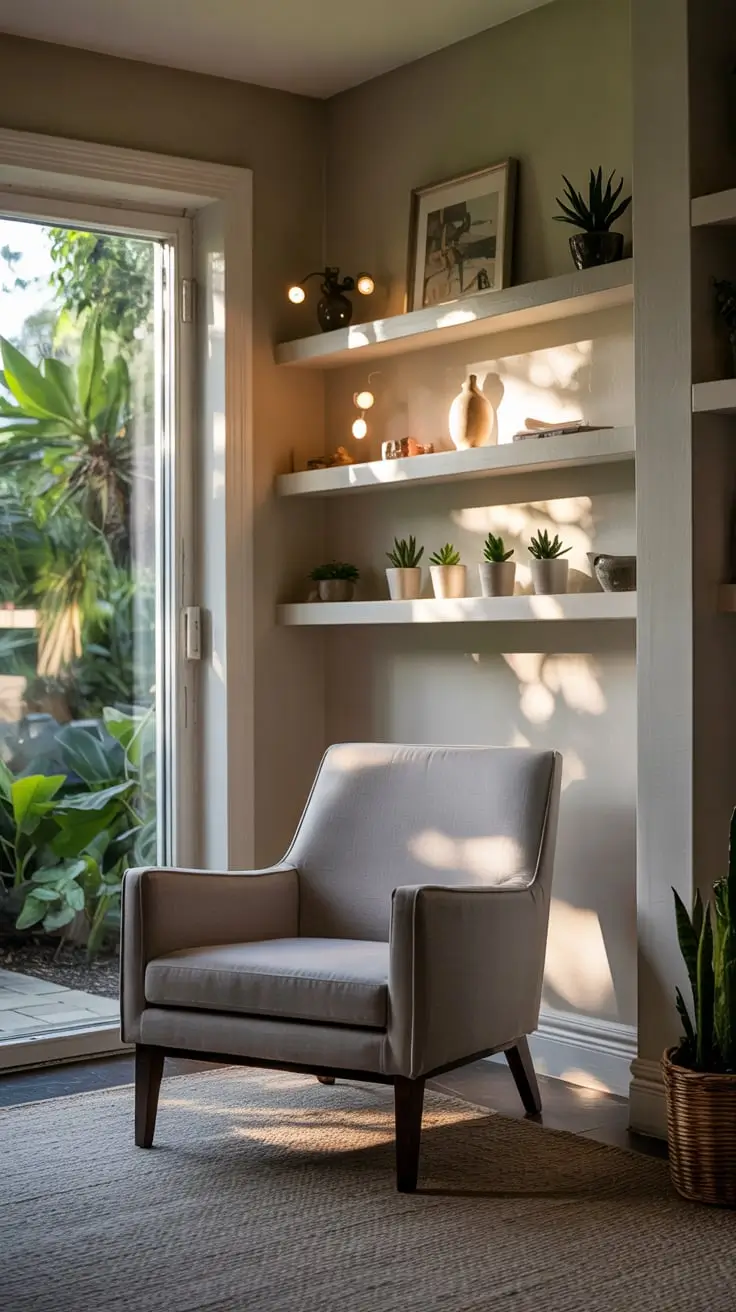
To style these rooms professionally, I combine tone-on-tone color schemes, minimal decorative clutter, and sleek furniture forms. Floating shelves instead of bulky cases, narrow console tables, or a compact media unit help achieve a visually lightweight feel. Plants, art prints, and a few well-chosen décor items allow the room to express personality without crowding the space. This approach supports both beauty and practicality in tiny living room designs small spaces.
I often advise clients to adopt visual anchors like a large rug or central coffee table to create cohesion. Many US interior stylists recommend focusing on one bold feature rather than several small decorations, which I find effective in maintaining balance. This creates a polished look while preserving open visual flow.
I would also add that using mirrored surfaces or reflective décor pieces can subtly enlarge the feeling of space without altering the room’s layout.
4. Innovative Tiny Living Room Design Ideas For 2026
When considering tiny living room design ideas, I look at innovative ways to bring modern functionality into limited square footage. In 2026, design trends lean toward modularity, adaptable layouts, and hidden technology. Built-in seating, sliding partitions, and convertible furniture allow tiny homes and apartments to maximize their living room potential. The use of light wood tones, soft neutrals, and natural textiles keeps the design warm and approachable.
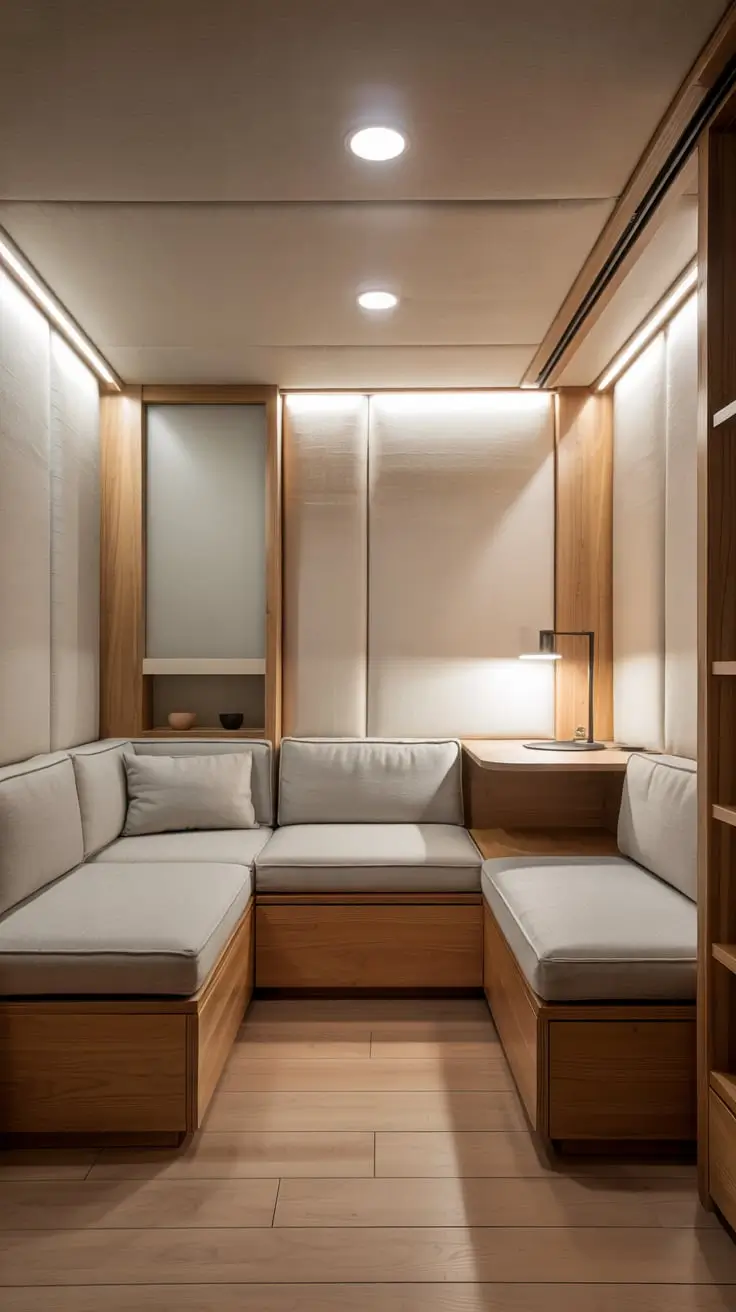
For furniture, I often rely on streamlined sofas, compact accent chairs, folding wall desks, and custom built-ins. These pieces provide structure while meeting the practical needs of residents. Layered lighting makes the room versatile for relaxing, working, or socializing. Artwork or statement shelves add personality without disrupting flow, making the overall space more effective and visually appealing.
From my experience, the most forward-thinking design advice often highlights adaptability. US design experts consistently promote multifunctional interiors as essential for small homes. I agree because tiny rooms must adjust to various daily uses, especially in urban settings where space is a luxury. These innovative ideas blend practicality and style seamlessly.
To expand this section, I would mention the growing trend of integrating smart home features subtly through light fixtures, hidden speakers, and compact tech hubs.
5. Cozy Tiny Living Room Designs For Warm, Inviting Interiors
Creating tiny living room designs cozy involves warmth, softness, and thoughtful layering. I typically use plush fabrics, warm-toned lighting, and earthy color palettes to create a sense of comfort even in compact spaces. Cozy design doesn’t rely on size but on atmosphere, making it perfect for tiny houses, studio apartments, and micro-condos. A soft rug, gentle textures, and inviting seating arrangements elevate the room’s comfort level.
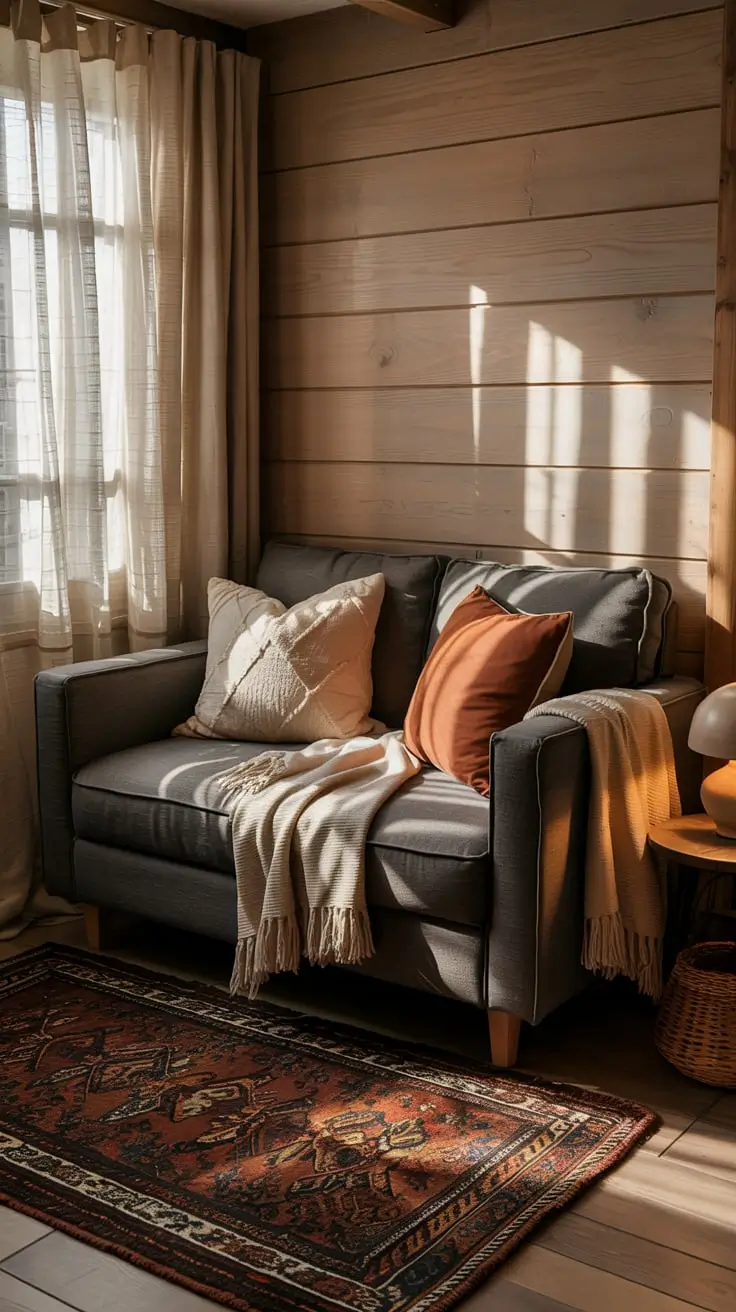
Furniture choices include compact loveseats, upholstered ottomans, soft throws, and warm wood tones in shelving or tables. These elements bring emotional warmth without making the room feel crowded. Adding small plants, warm metallic accents, and diffused lighting helps reinforce the welcoming ambiance typical of living room designs small spaces cozy tiny house concepts.
In my practice, I find that US designers emphasize lighting as the single most important factor in creating cozy interiors. I completely agree. Warm LED lighting, wall sconces, and layered illumination instantly transform the smallest living room into an inviting retreat. It’s a strategy I use regularly because it makes a noticeable difference.
I would add that selecting textured fabrics like boucle, wool blends, or linen contributes to a cozy tactile experience without overwhelming visual space.
6. Optimal Tiny Living Room Design Layout For Comfort And Flow
When I approach tiny living room design layout, I prioritize functional circulation and proportional balance. A successful layout makes even the smallest room feel easy to navigate. Placing furniture along the perimeter or floating a compact sofa in the middle creates clear pathways and eliminates congestion. Understanding how people move through the space is essential when planning the layout for tiny living room designs small spaces.
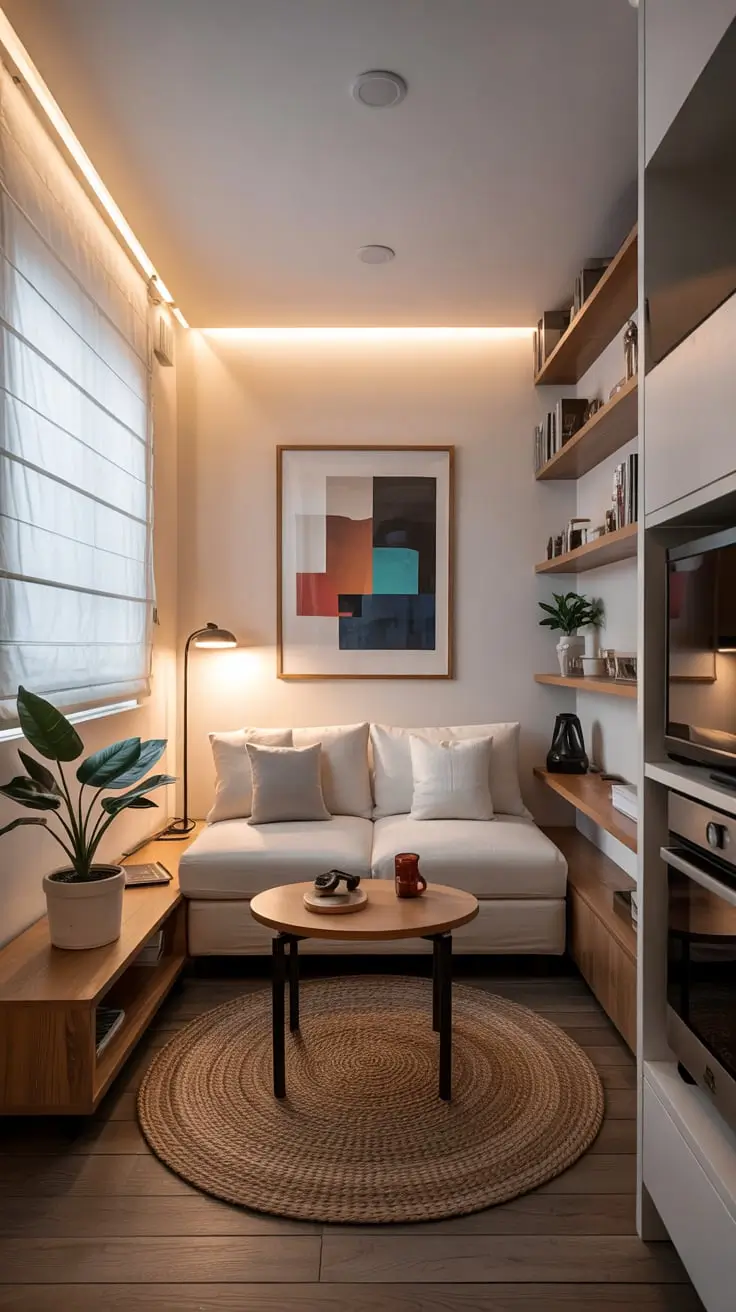
I choose furniture that aligns with traffic flow. Compact sectionals, wall-mounted lamps, and narrow coffee tables help preserve openness while maintaining comfort. I often recommend space-saving entertainment units or corner shelving to maximize storage while keeping the layout cohesive. Accent chairs, poufs, or stools are placed deliberately to avoid blocking pathways.
In my experience, interior designers in the US consistently recommend creating a focal point to anchor the room’s design. Whether it’s a fireplace, a gallery wall, or a media console, selecting one visual anchor helps organize the layout naturally. I find this especially important in small rooms, as it prevents random arrangements that reduce efficiency.
I would mention incorporating diagonally placed furniture as an optional technique for visually expanding very small rooms.
7. Minimalist Ideas For Small Living Rooms In Tiny Houses
Working on small living room ideas minimalist tiny house design, I focus on clarity, purpose, and simplicity. Minimalism is invaluable in tiny rooms because it eliminates visual noise and highlights the essentials. In 2026, minimalist small living rooms embrace natural materials, simple lines, and refined color palettes that help create a calming atmosphere. This approach enhances both functionality and visual spaciousness.
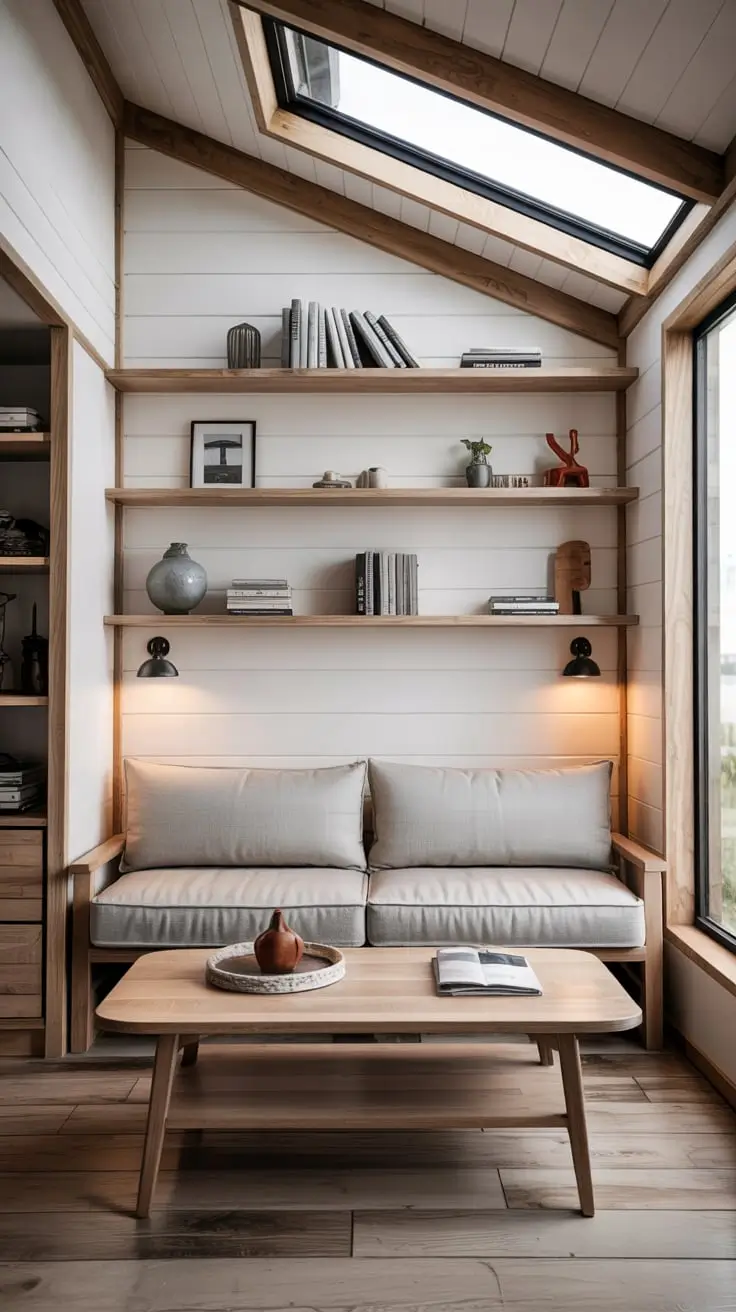
Furniture selections are intentional: a slim sofa, a light wood coffee table, and built-in shelving keep the room orderly without sacrificing utility. Every item has a purpose, which aligns perfectly with Ideas minimalist styling. Soft-toned rugs, neutral curtains, and minimalist artwork complete the space without disrupting the serene environment. The result feels breathable, elegant, and practical all at once.
Drawing from well-known US interior publications, the minimalist approach is most effective when the homeowner resists the urge to overdecorate. I find that tiny houses especially benefit from this mindset. Furniture with concealed storage and clean silhouettes helps maintain order and visual calm, which enhances the overall comfort of the room.
I would suggest that incorporating subtle accents like natural greenery or a single bold artwork can elevate the minimalist look without compromising simplicity.
8. Tiny Condo Interior Design Living Room Solutions
Designing tiny condo interior design living room spaces requires a careful blend of efficiency and style. Small condos often combine living, dining, and work areas into one zone, so the design must support multiple activities without feeling cluttered. I typically use light color palettes, compact furniture, and floating storage to make the interior feel airy. These approaches work particularly well for tiny living room designs small spaces, where function must support daily living while maintaining a polished look.
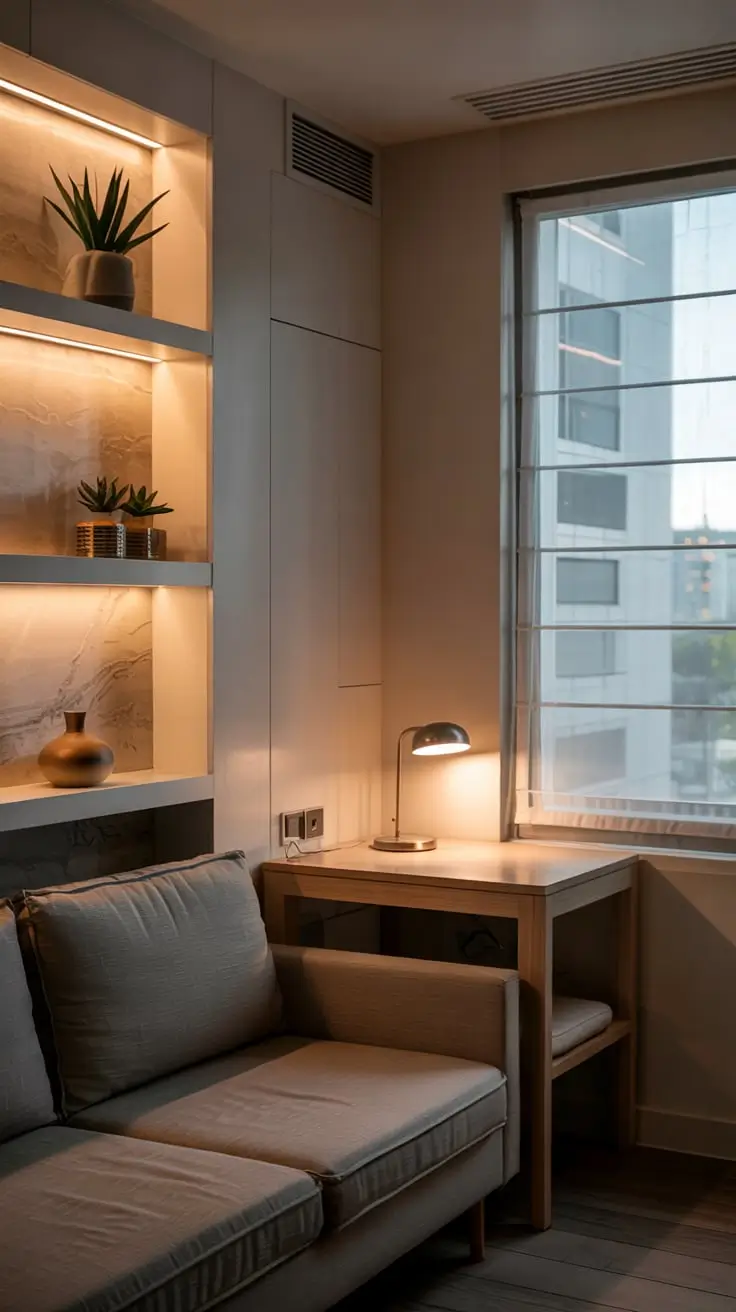
When selecting furniture and décor, I choose slim-legged sofas, compact coffee tables, and multifunctional pieces like storage ottomans or wall-mounted desks. These items create openness and avoid visual heaviness. Decorative elements such as minimalist lighting, framed art, and soft textiles help achieve a Cozy and welcoming feel. The arrangement ensures that each piece enhances the overall harmony of the interior.
From my experience, many US interior designers recommend choosing furniture that appears lightweight while offering hidden functionality. I find this extremely effective for condos with limited space. Using neutral colors and reflective surfaces also supports brightness, making the living room feel larger and less confined.
I would add guidance on dividing zones subtly using rugs or low shelving, which helps structure the Layout without building physical walls.
9. Living Room Designs For Tiny Houses In 2026 Style
When I work with living room designs tiny house projects, my approach centers around maximizing vertical space and keeping the layout extremely efficient. Tiny houses often have limited square footage, so the living area must serve as both a relaxation zone and a social space. In 2026, design trends lean toward natural woods, soft lighting, and sleek multifunctional furniture that reflects contemporary minimalism.
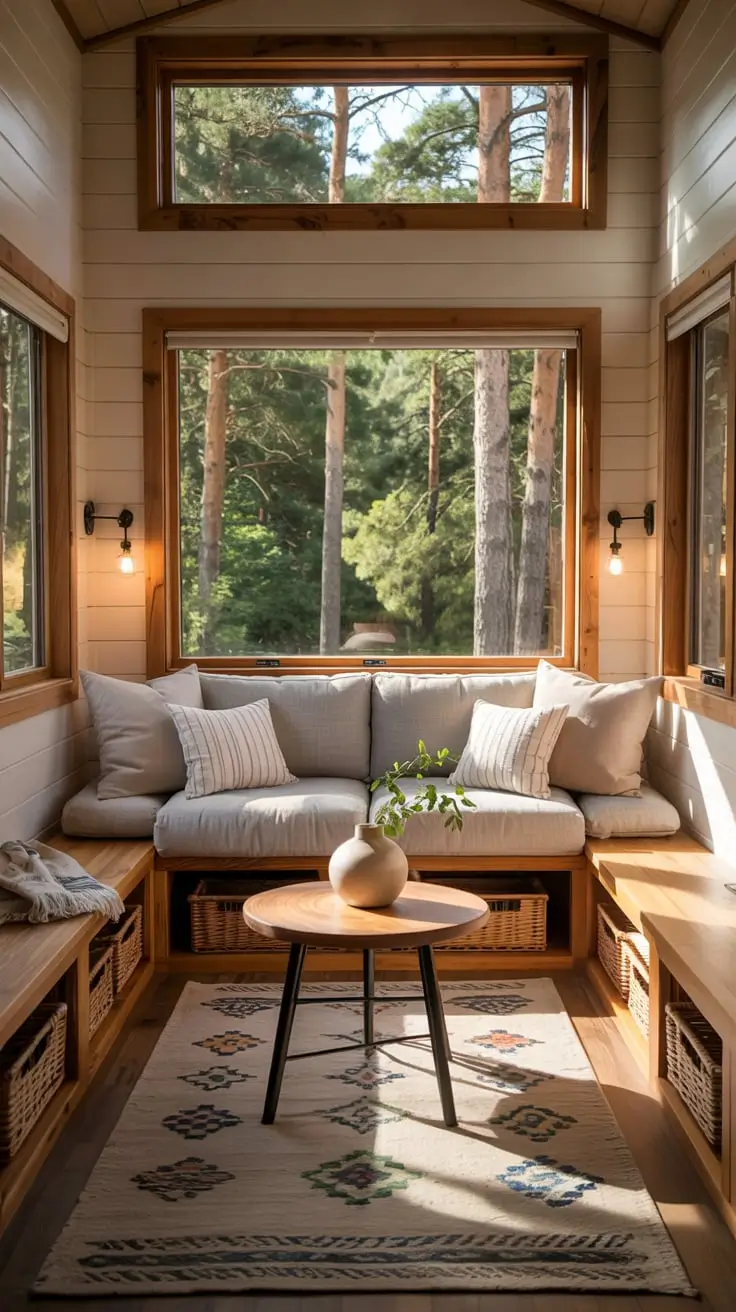
My choice of furnishings includes convertible seating, built-in benches with storage, ladder-access shelving, and small-scale accent chairs. These pieces support the Interior without overwhelming it. I also integrate natural textures like woven baskets, linen curtains, and layered rugs for softness. This approach aligns well with tiny living room designs cozy concepts that enhance warmth in compact areas.
Professionally, I have seen US experts emphasize the need to keep tiny house interiors visually open. Large windows, reflective décor, and neutral palettes help small spaces feel more breathable. I apply these strategies frequently because they improve comfort without requiring structural changes.
I would add a recommendation to utilize under-stair areas for hidden storage or seating, which is often underused but extremely valuable in tiny homes.
10. Tiny Kitchen Living Room Design For Seamless Open Spaces
When planning tiny kitchen living room design, I prioritize creating a cohesive flow between cooking and lounging areas. Small open layouts require careful attention to zoning, ensuring that each function remains practical without feeling congested. Using consistent color palettes and similar materials helps unify the space and maintain a seamless visual transition. This works especially well in homes emphasizing Small open kitchen concepts.
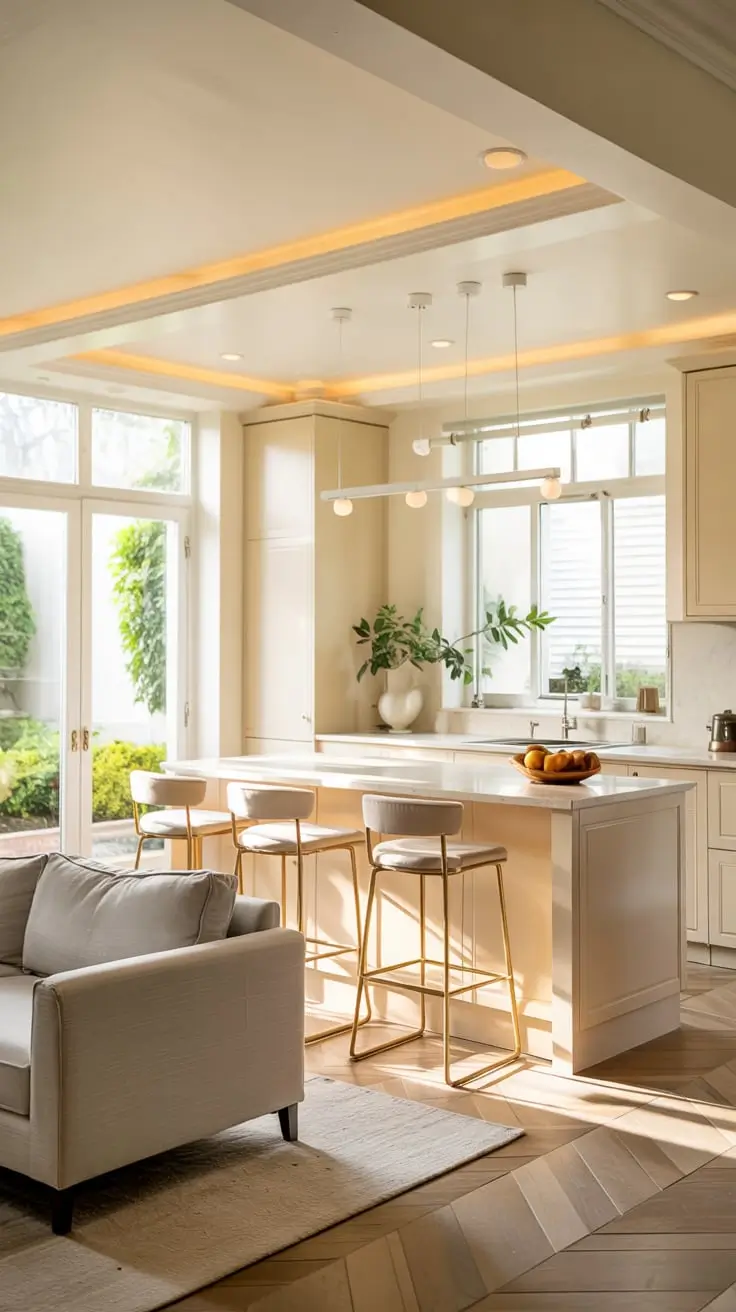
My furniture choices include compact sofas, bar stools with slim profiles, narrow dining tables, and multifunctional islands that double as prep and dining areas. The living zone may incorporate floating shelves, built-in seating, or slim console tables to maintain openness. Consistent flooring across both areas supports the unity of the design and keeps the entire space feeling larger.
Many US interior designers stress the importance of proper lighting in shared kitchen-living spaces. I always follow this advice by using layered lighting for both task and ambiance. Pendant lights define the kitchen area, while wall sconces or floor lamps highlight the living space. This subtle zoning helps tiny living room design layout function smoothly in a blended environment.
I would add that using sliding or pocket doors between rooms can help homeowners close off the kitchen when desired without sacrificing space permanently.
11. Tiny Living Dining Room Design For Perfect Multi-Use Areas
When creating tiny living dining room design concepts, I aim to merge comfort and usability in a single multifunctional space. These areas often serve as eating zones, workspaces, and relaxation spots, so balance is crucial. I usually implement foldable tables, built-in seating, and minimalist décor that supports daily living without overwhelming the room. These ideas support the needs of Cozy small spaces beautifully.
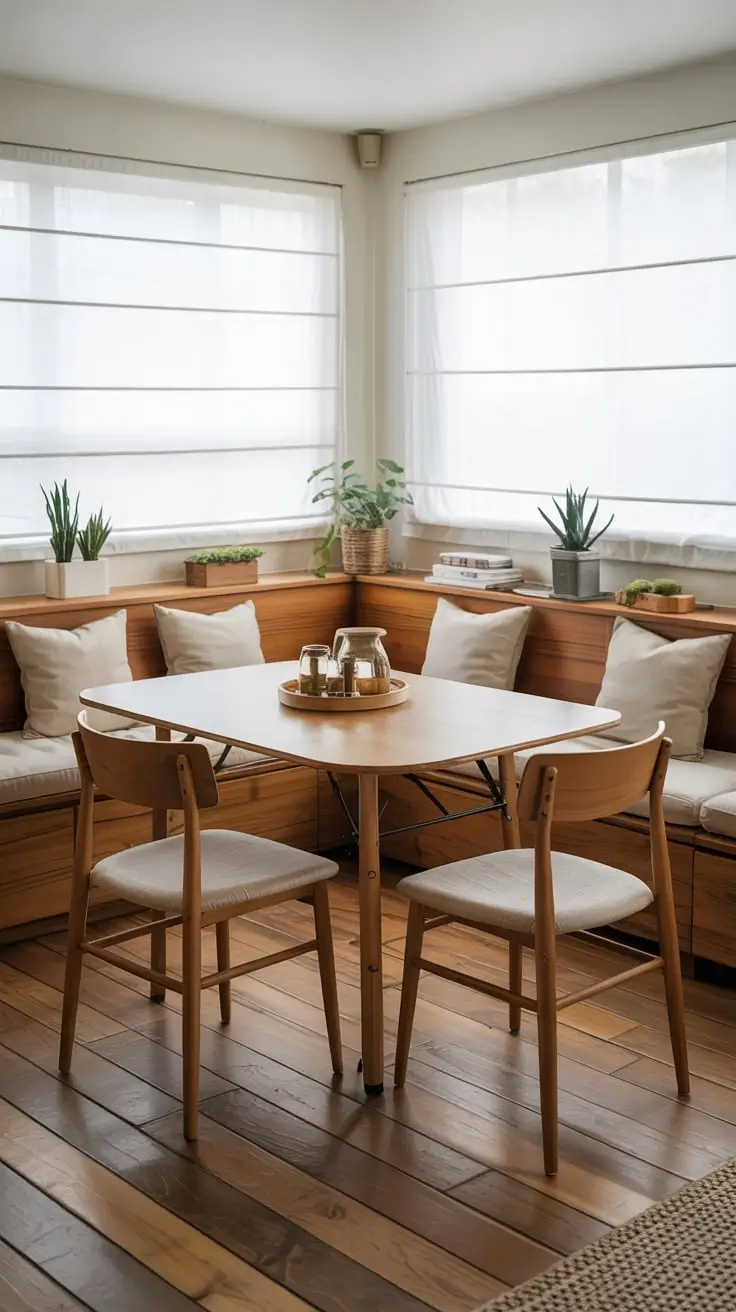
In terms of furniture, I recommend extension dining tables, stackable chairs, slim consoles, and multifunctional benches with integrated storage. These choices maintain the openness of the Interior while offering flexibility for entertaining or everyday meals. Color choices lean toward neutral and warm palettes to maintain a harmonious feel across the shared space.
Professionally, I’ve found that US interior experts emphasize the value of light-reflective surfaces and vertical storage when combining living and dining areas in small rooms. I frequently apply this advice because it improves brightness and reduces clutter. Clear sightlines between zones help prevent the room from feeling cramped.
I would add that using area rugs or changes in lighting temperature can subtly separate the dining and living zones without adding physical barriers.
12. Creative Design Ideas For Tiny Living Rooms With Modern Flair
When developing design ideas for tiny living room spaces, I focus on creativity that enhances usability. Modern small living rooms in 2026 embrace geometric accents, layered textures, bold artwork, and subtle color contrasts. These interiors balance practicality with personality, creating compact spaces that feel expressive without overwhelming the eye. This style pairs perfectly with tiny living room design ideas that integrate bold yet thoughtful elements.
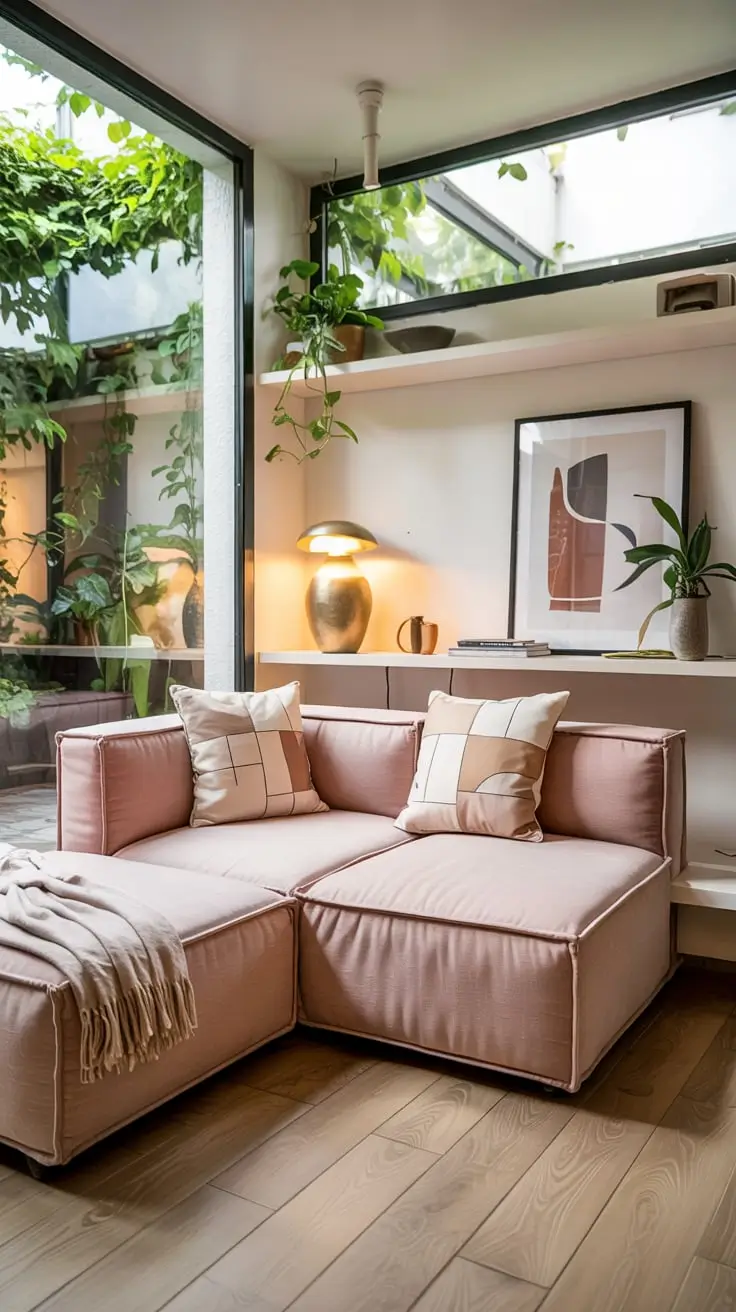
My furniture recommendations often include modular sofas, nested coffee tables, sculptural lamps, and minimalist shelving. These items create functional zones while adding artistic appeal. Accent walls with modern patterns or soft pastels bring depth, while sleek metal or wood décor contributes to the modern aesthetic. These creative additions strengthen the overall visual identity of the room.
I often reference US design publications that encourage homeowners to experiment with one statement piece rather than multiple small items. I find this strategy ideal for compact spaces, as it creates drama without clutter. One oversized artwork or a standout light fixture can elevate even the smallest room.
I would also suggest incorporating technology subtly such as hidden speakers or recessed lighting to enhance the modern feel without sacrificing space.
13. Cozy Tiny House Living Room Designs For Small Spaces
Designing living room designs small spaces cozy tiny house interiors involves blending warmth, softness, and personality to create an inviting environment. Tiny houses often rely on natural light, layered textiles, and warm color palettes to fill the small footprint with comfort. I use soft materials, natural wood accents, and warm lighting to create Cozy living rooms that feel intimate and nurturing.
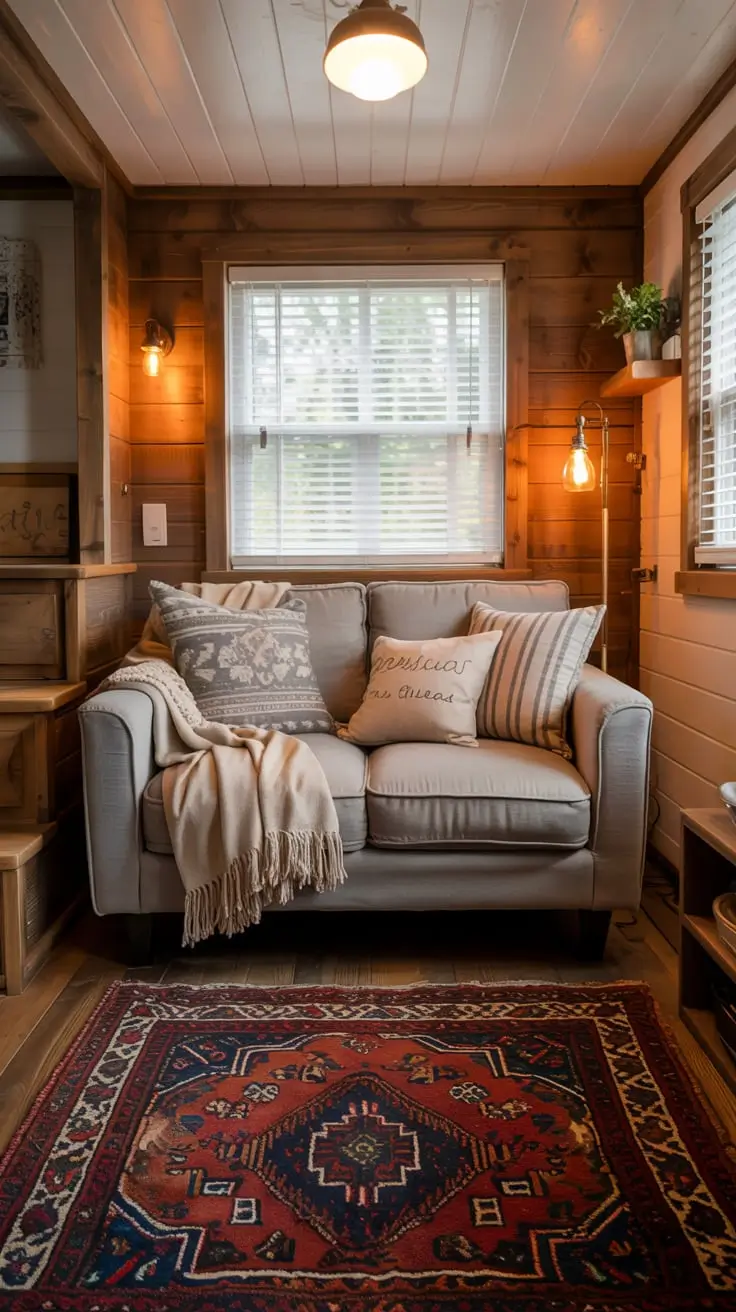
My furniture selections include plush loveseats, warm-toned rugs, soft throw blankets, and compact accent lighting. These elements work together to soften the interior and enhance emotional comfort. Decorative baskets, upholstered stools, and low-height shelving add storage while maintaining a welcoming feel typical of Small spaces cozy designs.
US designers frequently highlight the importance of controlling clutter in tiny homes to maintain coziness without chaos. I apply their advice by focusing on dual-purpose furniture and concealed storage. This approach keeps small rooms looking intentional and relaxing.
I would add that scented candles, soft textiles, and warm-toned lampshades can enrich the sensory comfort of cozy tiny house living rooms.
14. Japandi Tiny Living Room Designs For Calm, Natural Aesthetics
When designing Japandi-inspired tiny living rooms, I focus on harmony, simplicity, and nature. Japandi combines Scandinavian minimalism with Japanese warmth, making it ideal for tiny living room design ideas in compact interiors. Soft neutral tones, natural materials, and clean lines define the atmosphere, while open layouts keep the room feeling serene and uncluttered.
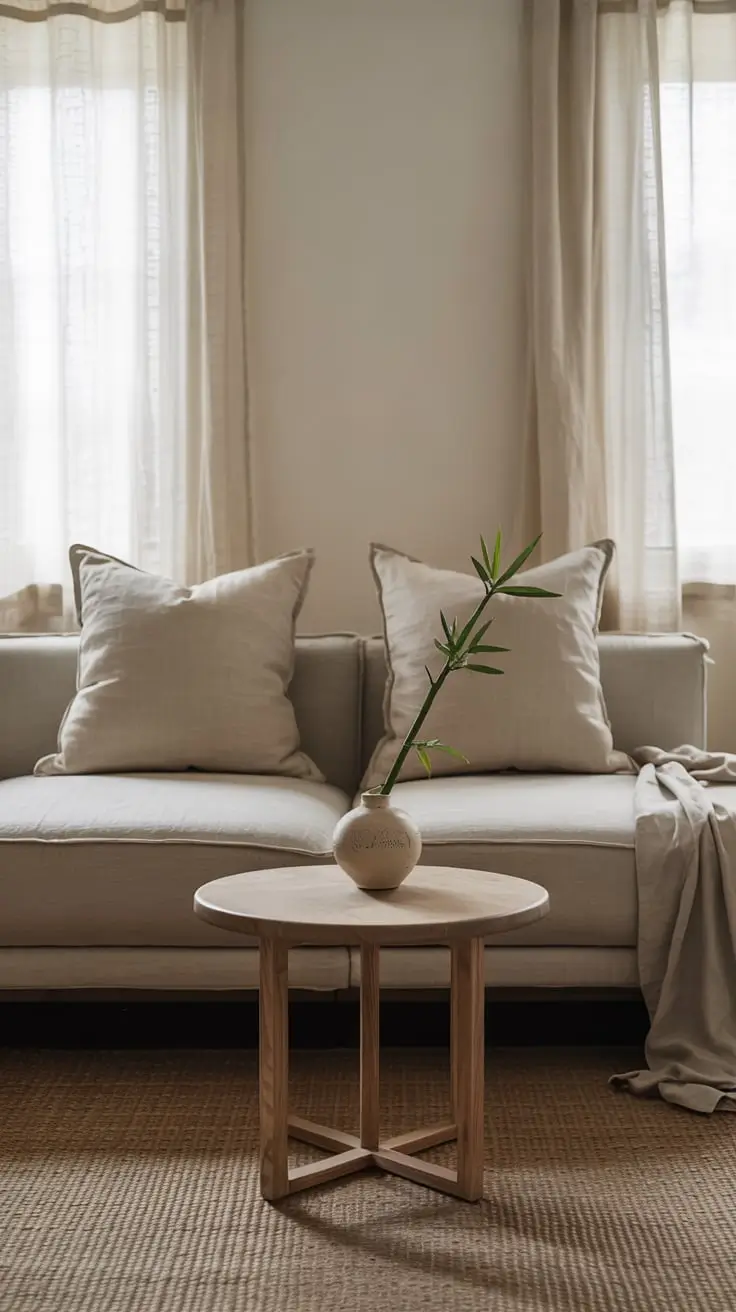
The furnishings I prefer include low-profile sofas, natural wood tables, woven baskets, and linen textiles. These items support a grounded, peaceful interior that minimizes distraction. Muted color palettes with warm wood tones and soft blacks help achieve balance, while greenery adds life without visual noise. This approach aligns perfectly with Ideas minimalist concepts.
Professionally, I often find that US designers recommend Japandi for clients seeking mindful, restorative environments. I agree because this style encourages simplicity and emotional calm, which is especially valuable in small spaces. The mix of textures adds interest without sacrificing clarity.
I would add that using shoji-style sliding panels or simple wooden room dividers can help manage Layout while maintaining the Japandi aesthetic.
15. Minimalist Tiny Living Room Ideas For Clean, Modern Interiors
When developing tiny living room design ideas in a minimalist direction, I aim to remove unnecessary visual noise and make space for clarity and comfort. Minimalism naturally suits tiny living room designs small spaces because it emphasizes simplicity, lightness, and clean silhouettes. In 2026, the trend continues toward muted colors, natural materials, and seamless storage solutions that allow even the most compact interiors to feel open and calm. This approach is especially effective in small apartments and tiny houses where every inch matters.
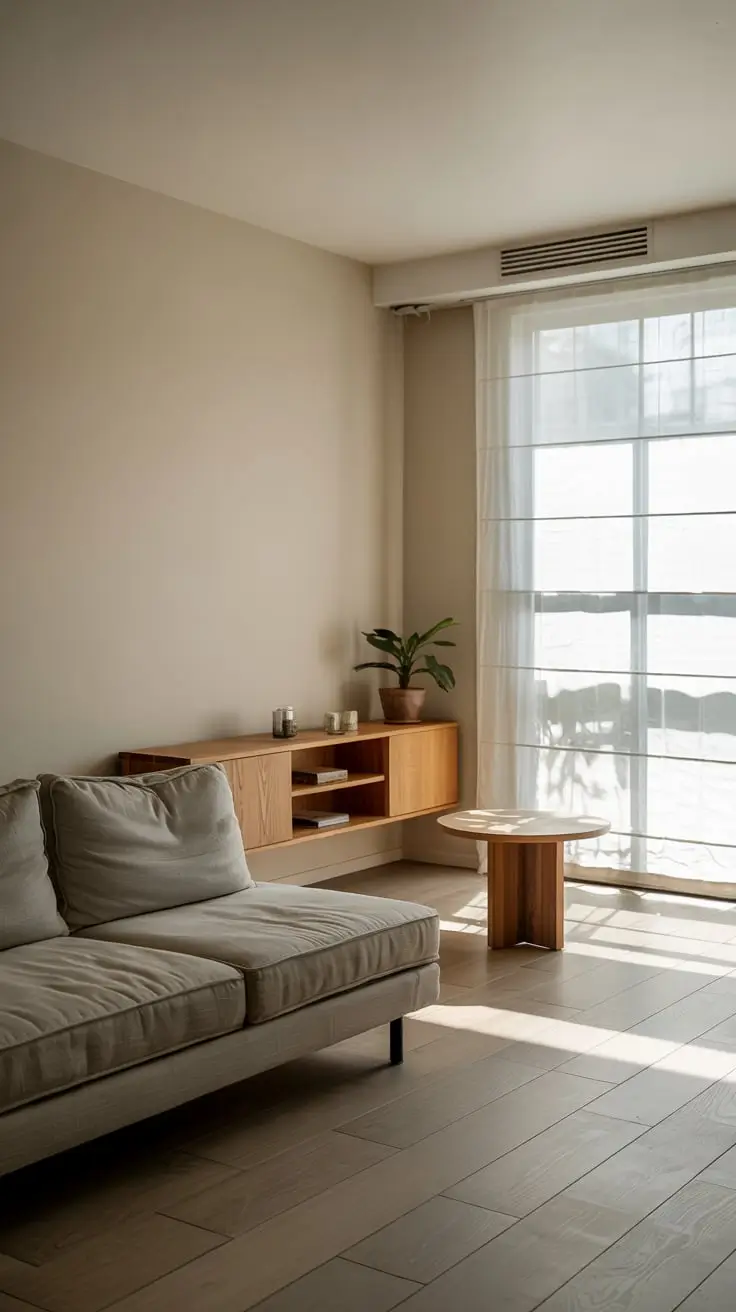
For the furnishings, I choose pieces with slim profiles, such as a narrow sofa, a floating media console, and a light wood coffee table. These items support the Interior without overwhelming it. Subtle lighting, linen textiles, and minimal artwork complete the look without compromising the minimalist ethos. This style aligns perfectly with small living room ideas minimalist tiny house design, where functionality blends with aesthetics effortlessly.
Professionally, I rely on advice frequently shared in US design articles recommending multifunctional furniture as a cornerstone of modern minimalism. I often follow this guidance since it works exceptionally well in compact layouts. Incorporating closed storage, folding surfaces, and unobtrusive décor ensures that small spaces stay tidy and visually balanced.
I would add that using natural textures or a single statement plant can prevent a minimalist tiny living room from feeling too stark, providing warmth while maintaining simplicity.
16. Cozy Small Spaces: Designing Warm, Tiny Living Rooms
When designing Cozy small spaces within tiny living rooms, I focus on creating a warm, intimate environment without sacrificing practicality. Soft textiles, layered lighting, and warm-toned color palettes help transform compact interiors into soothing retreats. This approach is ideal for homeowners seeking tiny living room designs cozy, where comfort becomes the foundation of the design strategy. Incorporating natural materials like wood and woven baskets enhances emotional warmth.
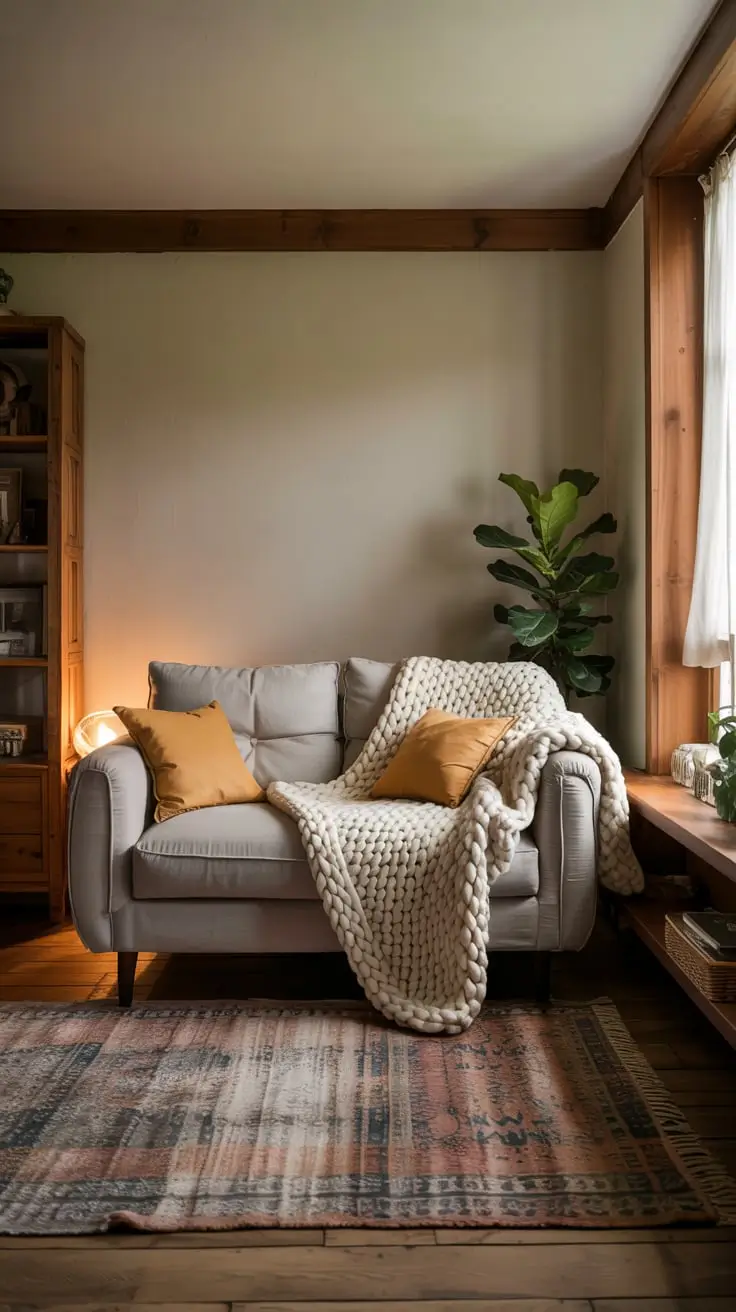
To build this atmosphere, I select plush loveseats, textured throw blankets, and soft area rugs that define the living zone. Table lamps, sconces, and warm LED lighting contribute to the mood. Each décor item, from pillows to soft curtains, is chosen for its tactile contribution to the interior. This style pairs naturally with living room designs small spaces cozy tiny house, ensuring the room feels inviting without overcrowding the layout.
In my professional experience, US designers consistently emphasize the importance of layered lighting in cozy design. I follow this principle closely because lighting can dramatically shift the room’s ambiance. Soft diffusion works best in rooms meant for relaxation, making even small interiors feel enveloping and soothing.
I would add that incorporating natural scents, warm-toned paints, or textured wall décor enhances the cozy experience in very small rooms.
17. Ideas For Small Apartments Interior With Tiny Living Rooms
When creating Ideas small apartments interior, I look at how to make tiny living rooms serve multiple functions while maintaining visual harmony. Apartments often require the living room to function as a workspace, dining space, and social area, so each design decision must support this versatility. I rely on space-saving solutions like foldable surfaces, modular sofas, and built-in storage to make the layout practical and adaptable.
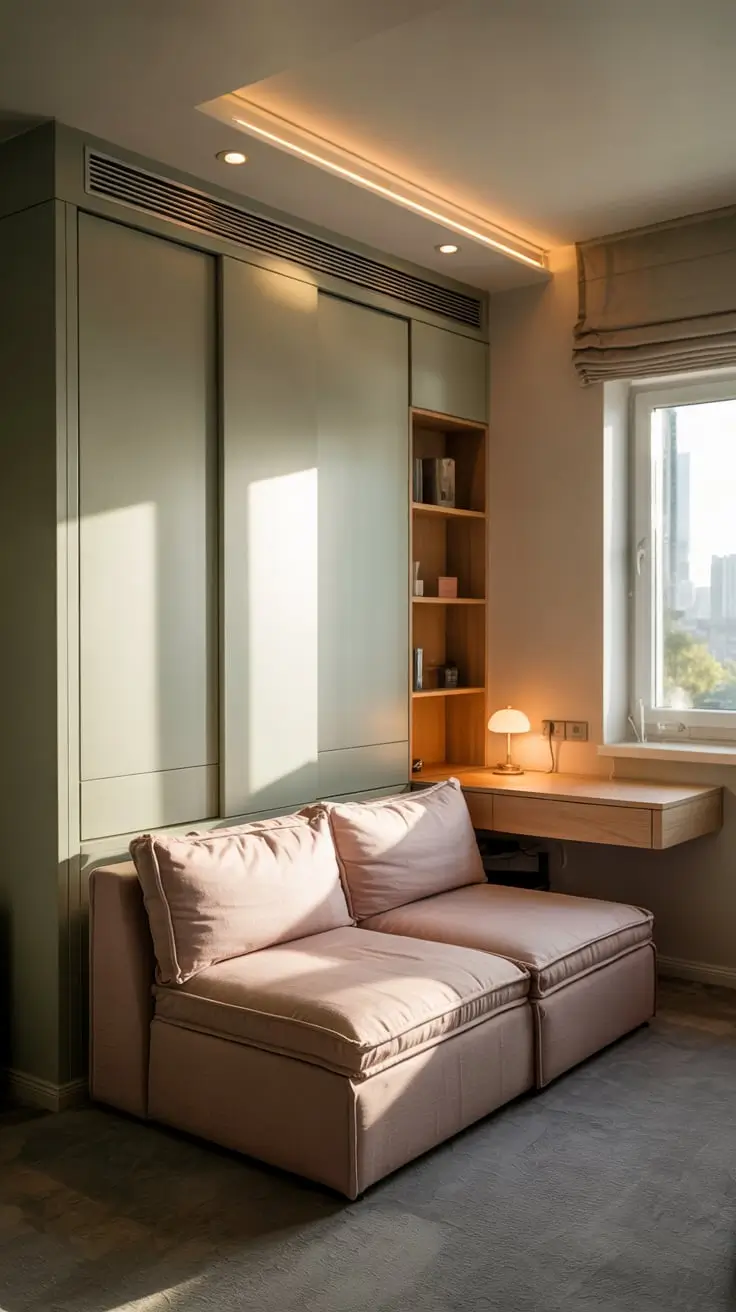
Furniture choices include compact sectional sofas, floating desks, sliding storage units, and nesting tables. These furnishings help define the living area without overwhelming it. The color palette typically leans toward soft neutrals or light pastels, which brighten the interior and expand the room visually. Subtle accents and thoughtful arrangements allow the space to feel intentional and cohesive while supporting tiny living room designs small spaces.
From a professional standpoint, many US interior experts highlight the importance of unified color schemes in small apartments. I apply this guidance often because using a consistent palette creates smoother transitions within multifunctional rooms. It also reduces visual clutter and allows the layout to breathe.
I would also recommend using floor-to-ceiling curtains to add height and elegance to tiny apartment living rooms.
18. Tiny Living Room Designs With Functional Layout Strategies
When approaching tiny living room design layout, I start by analyzing how people move through the space. A functional layout ensures the room supports daily tasks without congestion. I commonly use perimeter seating, floating furniture arrangements, and thoughtful zoning techniques to make tiny living room designs feel effortless. The goal is to allow flow while keeping the room visually structured.
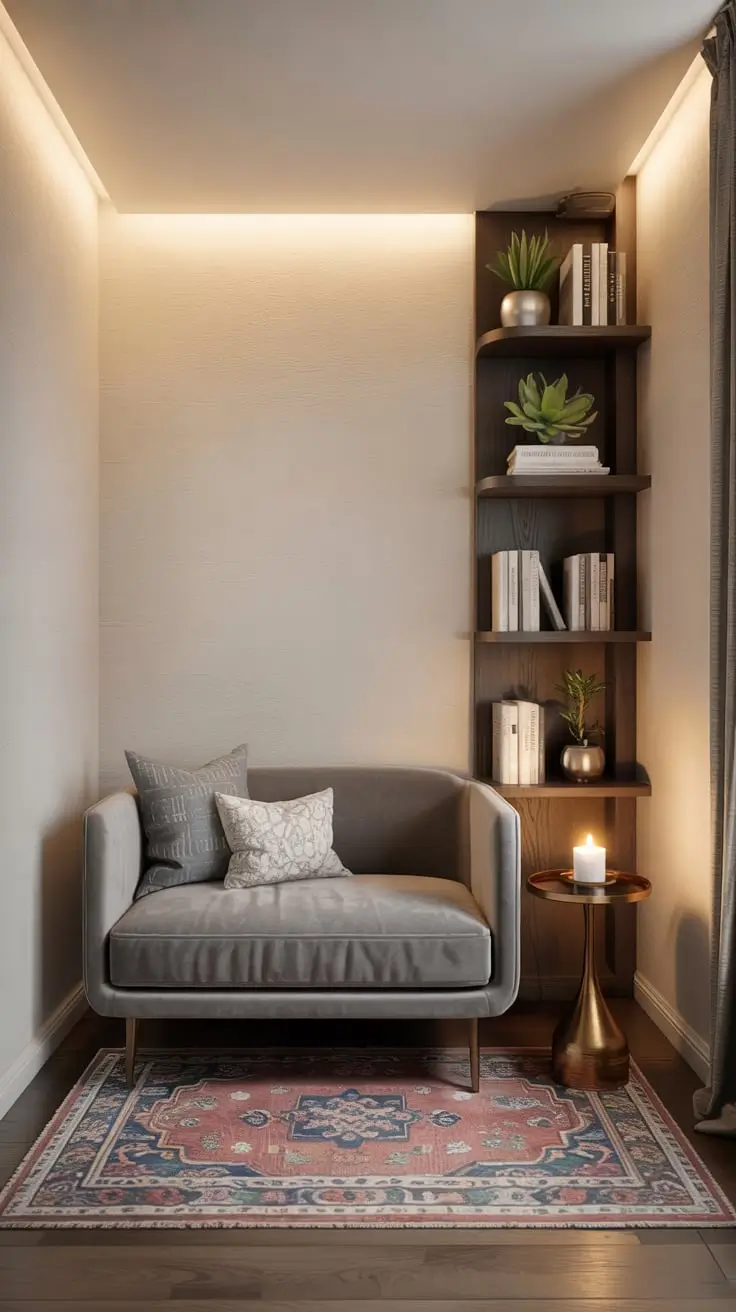
The furniture I choose depends heavily on the room’s proportions. Compact sofas, corner shelves, slim-profile chairs, and multi-level storage units help maintain openness. Rugs often define separate areas within the same room, enhancing organization without adding physical dividers. Lighting also plays an important role because it highlights focal points and clarifies orientation within the interior.
Industry professionals in the US emphasize the value of intentional placement, and I strongly agree. Placing a key piece like a sofa or accent chair in a strategic position can improve circulation significantly. This technique works especially well in Small spaces cozy where thoughtful arrangement ensures comfort without crowding.
I would add that using diagonal arrangements can break up rigid lines and make very small rooms feel more dynamic and spacious.
19. Small Open Kitchen And Living Room Combinations In Tiny Homes
Designing Small open kitchen and living room combinations requires a seamless aesthetic that connects two essential functions. I often rely on cohesive color schemes and consistent flooring to unite the areas visually. This approach is especially beneficial in homes that use tiny kitchen living room design to maximize their available square footage. The priority is to maintain openness while ensuring each zone remains practical.
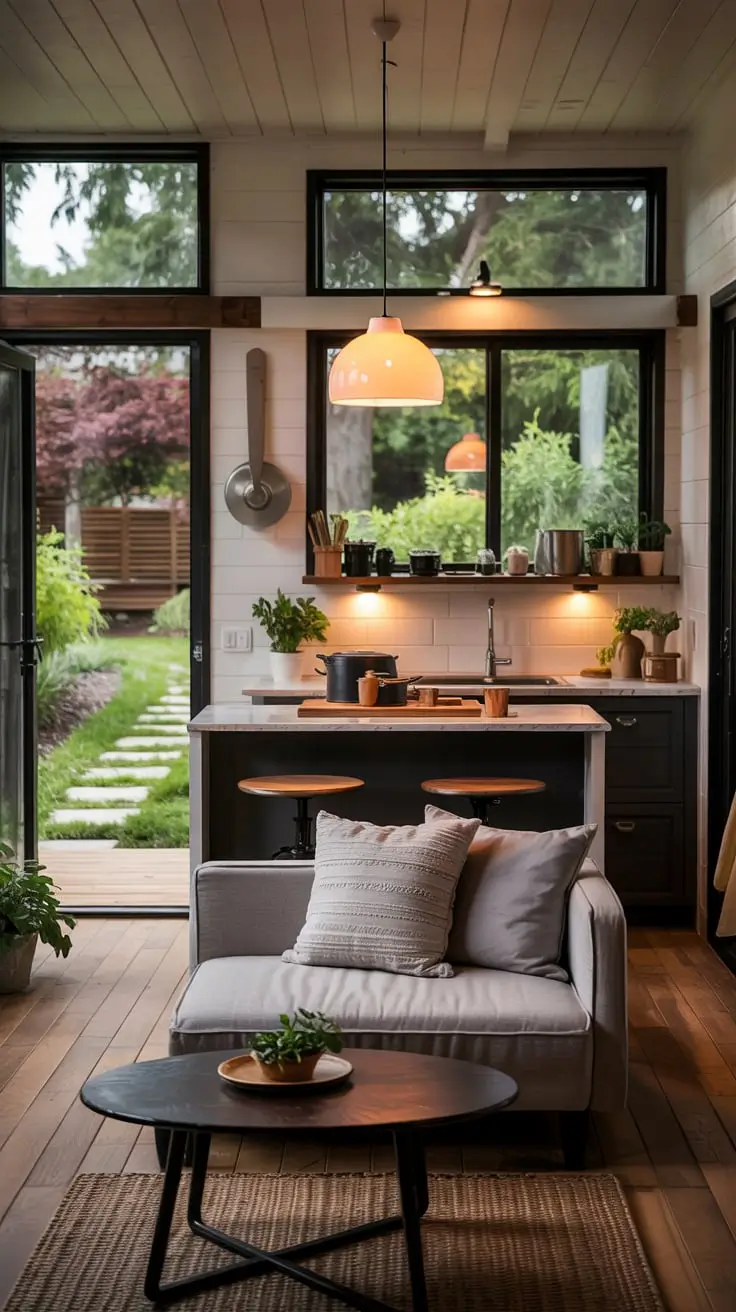
I typically choose small-scale sofas, bar stools, compact dining tables, and floating shelves to support both areas. The kitchen cabinetry and living room décor should share similar tones for unity. Accent lighting, such as pendants in the kitchen and soft lamps in the living room, helps differentiate zones without isolating them. This strategy improves usability while keeping the design feeling modern.
From my experience, US interior magazines strongly recommend minimizing barriers in open layouts to preserve flow. I’ve implemented this advice in many tiny home projects because it enhances both convenience and comfort. The open arrangement creates the illusion of a larger footprint and connects activities naturally.
I would also suggest using island seating or a foldable dining bar as a space-saving solution that ties the kitchen and living room together.
20. Interior Enhancements For Tiny Living Rooms In 2026
When considering Interior enhancements for tiny living rooms, I focus on upgrades that offer maximum impact with minimal intrusion. In 2026, trends emphasize soft curved lines, eco-friendly materials, and hidden storage solutions. These enhancements enrich the room’s functionality and aesthetics, aligning with modern desires for comfort, sustainability, and personalization.
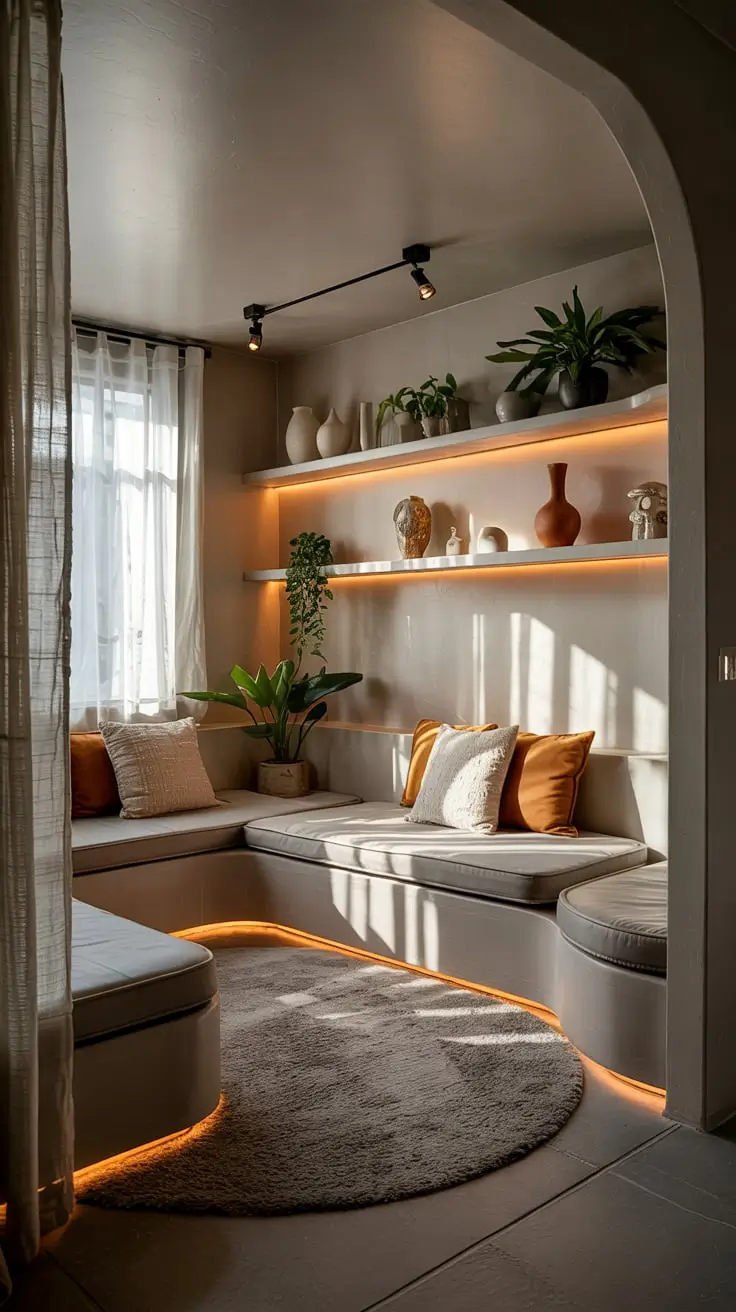
Furniture enhancements include upholstered seating, compact wall units, and modular bookshelves. Updated lighting fixtures in warm tones and smart LED systems add dimension. Textured cushions, minimalist décor pieces, and framed prints contribute personality without cluttering the tiny living room designs small spaces. These subtle improvements refresh the room without requiring major renovation.
Professional design sources in the US emphasize incorporating sustainable elements whenever possible. I follow this guidance by choosing natural fibers, recycled materials, and energy-efficient lighting. These choices elevate the room’s atmosphere while aligning with eco-conscious living.
I would add that enhancing the room with a single accent wall or architectural lighting can create a focal point that improves both style and spatial perception.
21. Very Small Living Room Ideas With Big Visual Impact
When working on Very small living rooms, I aim for design solutions that amplify space visually without altering the room’s physical limits. These strategies focus on maximizing light, decluttering visual fields, and choosing furniture with small footprints. Neutral palettes, light-reflective finishes, and minimalist décor help these rooms feel significantly larger and more open.
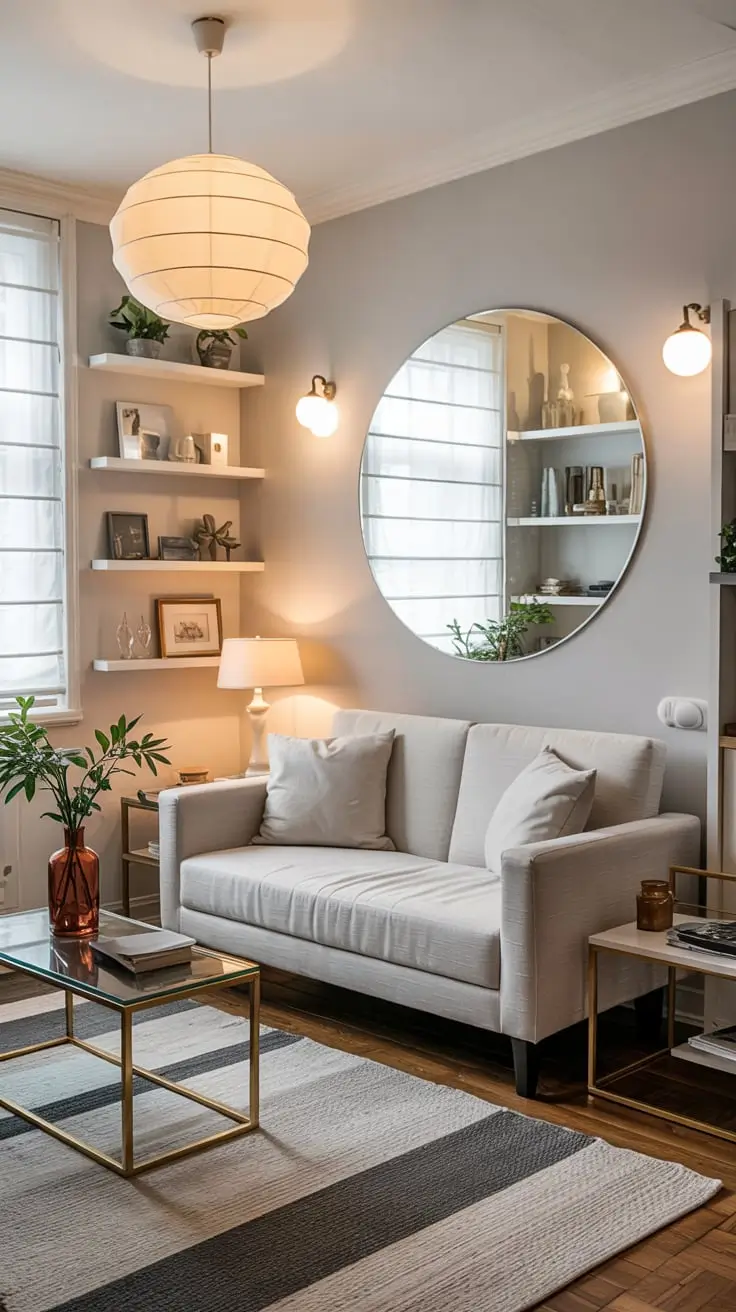
The furniture I prefer includes armless chairs, petite sofas, slim-profile tables, and floating storage units. Mirrors, glass-topped tables, and see-through shelving allow light to travel freely, enhancing openness. These choices align with tiny living room design ideas that rely on smart elements rather than structural changes to create impact. Rugs with subtle patterns and vertical décor also contribute to height and balance.
Professionally, I’ve noticed US design experts consistently emphasize using mirrors and light-reflective surfaces in very small rooms. I apply this advice frequently because it produces instant results. Even the smallest space can appear spacious when designed thoughtfully.
I would add that using multifunctional furniture with hidden storage is essential for keeping visual clutter under control in extremely compact interiors.
22. Compact Decorating Ideas For Tiny Living Room Spaces
When I create design ideas for tiny living room spaces, I focus on decorating strategies that add personality without overwhelming the room. Compact decorating requires thoughtful placement, intentional color palettes, and pieces that visually lighten the environment. In tiny living room designs small spaces, decor must enhance openness while still making the room feel complete. I often use soft neutrals, warm wood tones, and subtle accents to build a unified and welcoming interior.
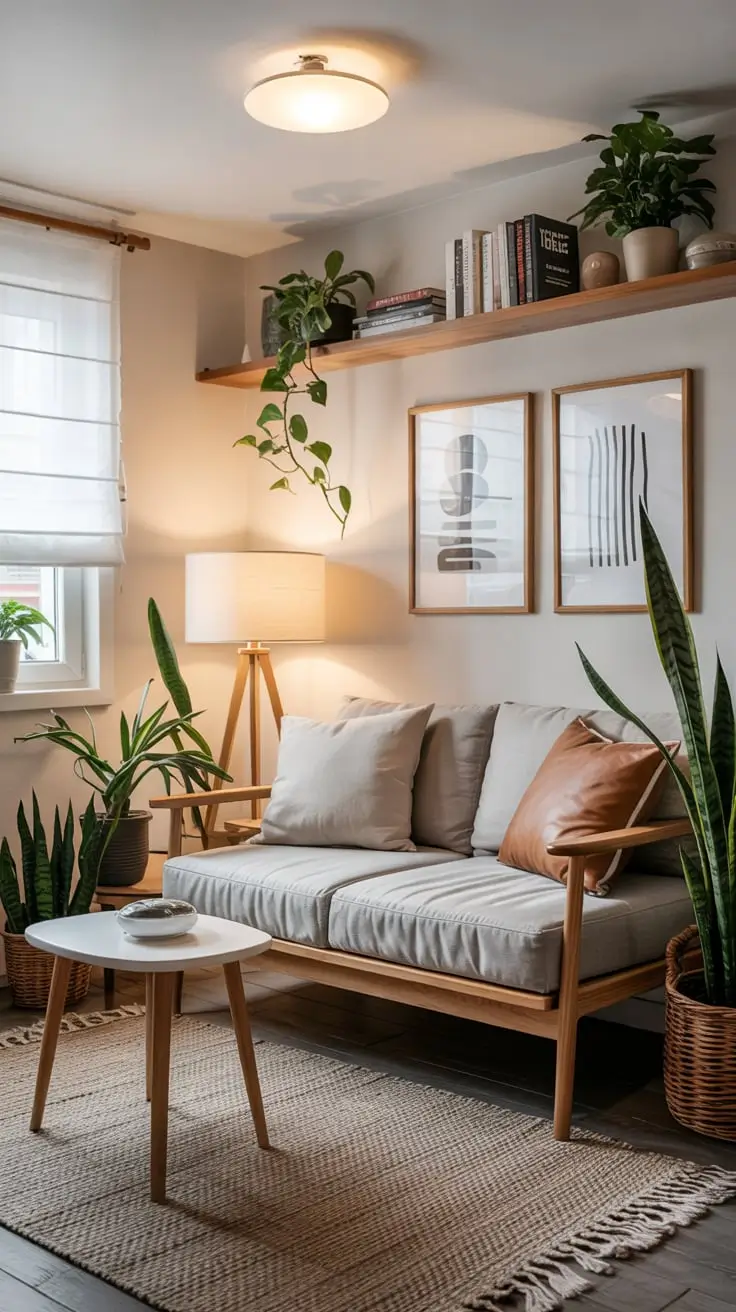
For furnishings and décor, I choose items that look airy and functional. Slim-legged furniture, compact accent chairs, floating shelving, and low-profile tables help maintain the flow of the Layout. Plants in narrow pots, vertical artwork, and soft textiles like linen throws and cotton pillows add warmth without creating clutter. These small decorative decisions bring balance and charm to Cozy small spaces while supporting everyday usability.
Professionally, I’ve noticed that many US interior designers emphasize choosing one or two feature elements instead of decorating with multiple small objects. I follow this recommendation because it keeps compact rooms visually calm. A single bold piece of wall art or a sculptural lamp can anchor the room without reducing space. This strategy works especially well in tiny living room designs cozy, where atmosphere matters just as much as layout.
If I were to expand this section, I would add suggestions on using decorative mirrors to brighten and visually enlarge Interior spaces, especially those with limited natural light.
23. Minimalist Tiny Living Room Designs For Urban Apartments
When I design Minimalist living spaces for urban apartments, I focus on functionality, simplicity, and a sense of calm. Minimalist interiors support tiny living room design ideas beautifully because they prioritize clarity and essential elements. In city apartments where square footage is limited, removing unnecessary items makes the room feel significantly larger. Light colors, clean lines, and subtle textures define the aesthetic and ensure the room remains practical for everyday living.
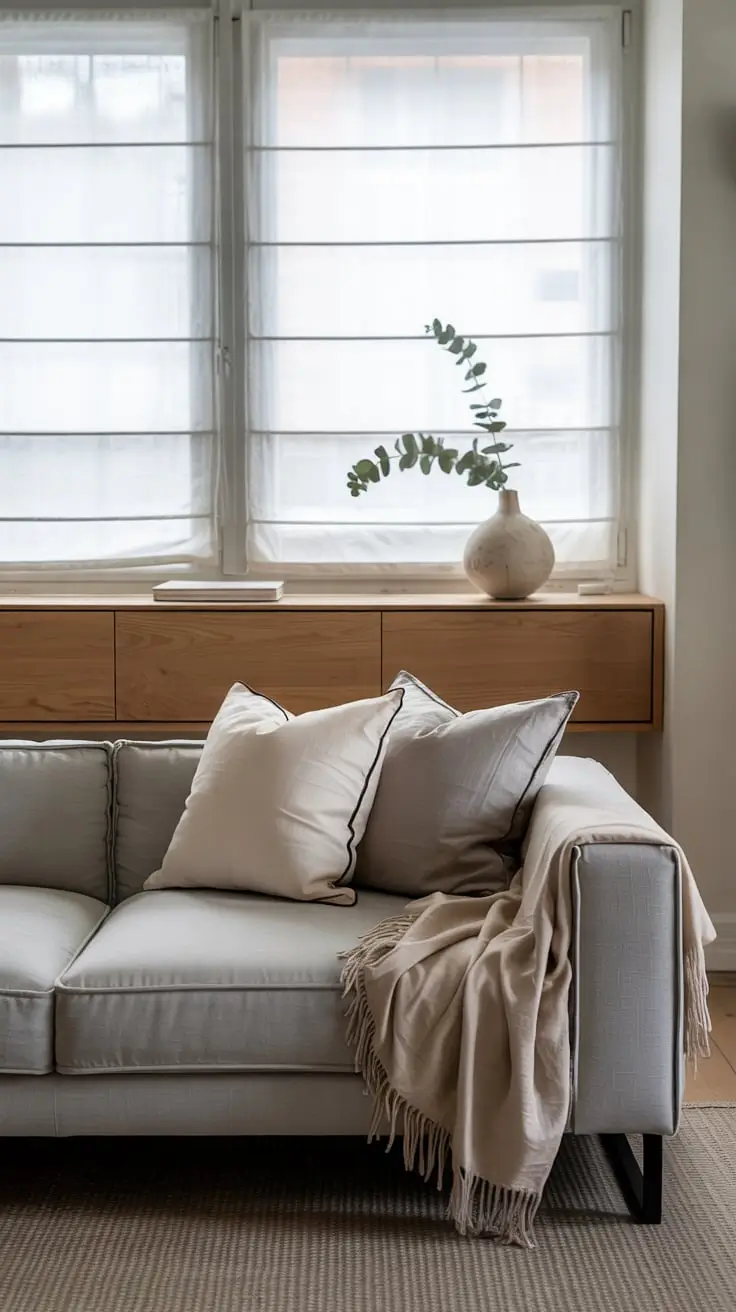
To support this style, I typically choose streamlined furniture such as a low-profile sofa, floating TV console, and compact nesting tables. Hidden storage pieces, built-in shelving, and neutral-toned rugs help maintain an uncluttered appearance. These details align with Ideas minimalist principles, where each selected item contributes to both form and function. Using warm wood tones or soft fabrics ensures the room does not feel stark, even with minimal décor.
In my work, I often apply recommendations from US interior publications that encourage homeowners to choose high-quality essentials rather than numerous inexpensive pieces. I follow this guidance because well-chosen essentials last longer and look better in tiny living room designs small spaces. It also prevents the room from becoming visually noisy.
I would add that incorporating vertical blinds or soft linen curtains can enhance the minimalist aesthetic while improving the natural light flow in small city apartments.
24. Cozy And Efficient Tiny Living Room Concepts For Modern Homes
When creating tiny living room designs cozy, I work to balance warmth with practical layouts. Modern tiny homes benefit from small but thoughtful design elements that increase comfort without reducing space. By using warm lighting, rich textures, and compact seating arrangements, I can turn even the smallest living rooms into inviting retreats. The key is blending coziness with efficiency, ensuring the room serves multiple uses without feeling cramped.
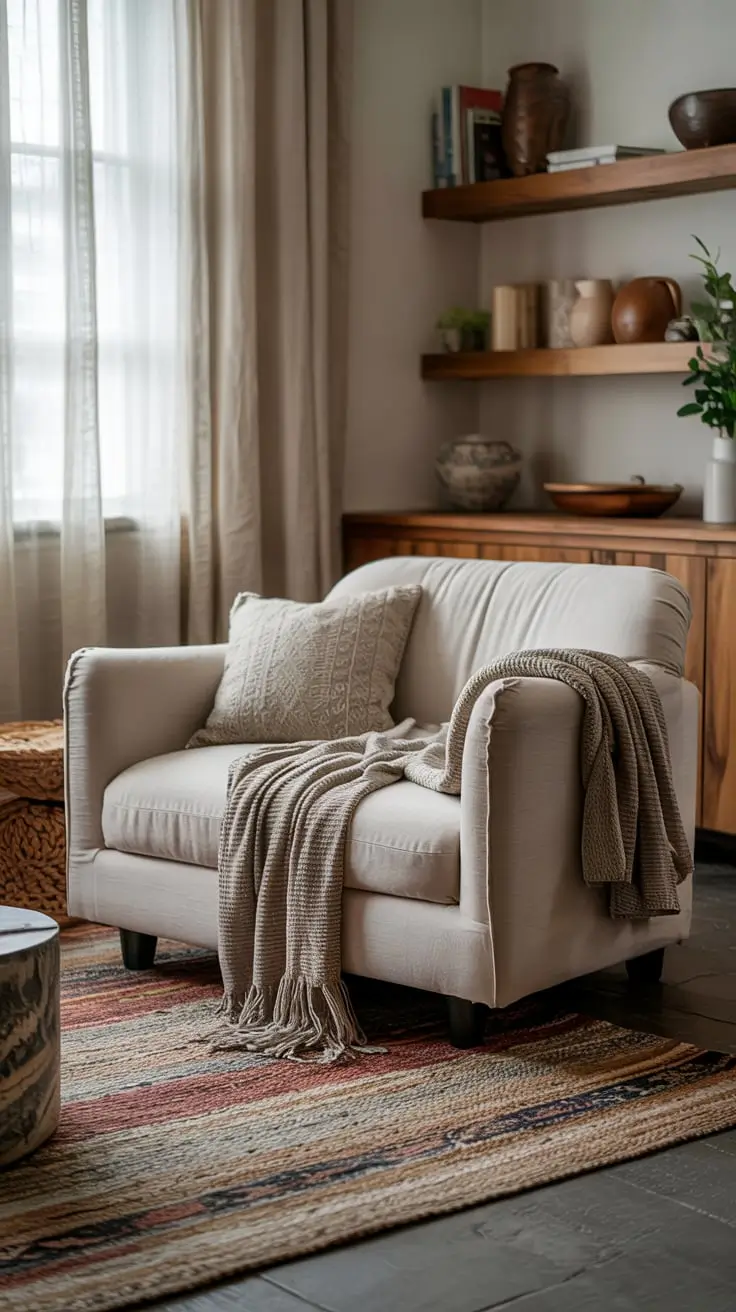
Furniture choices include compact loveseats, ottomans that double as storage, and soft rugs that define the seating zone. Layered lighting from table lamps, wall sconces, and warm LED strips brings depth and comfort to the interior. These selections pair well with living room designs small spaces cozy tiny house, where softness and practicality must work together. Neutral and earthy tones maintain visual harmony across the room.
Many US design experts highlight the power of lighting and texture in cozy interiors. I have found this advice to be universal across tiny homes as well. Warm bulbs, textured throw pillows, and thick-knit blankets instantly elevate the ambiance. These details make small rooms feel emotionally uplifting rather than physically restrictive.
If I were to add one more suggestion, it would be to incorporate natural elements like small indoor plants or wooden décor to enhance comfort without overwhelming the Interior.
25. Innovative Storage And Layout Ideas For Tiny Living Rooms
When working with tiny living room design layout, I prioritize storage that integrates seamlessly into the architecture of the room. In tiny living rooms, innovative storage can make the difference between a cluttered interior and an efficient, calming space. Built-in shelving, under-seat storage, and multi-purpose furniture help maximize every inch. These solutions support tiny living room designs small spaces, where creative approaches are essential.
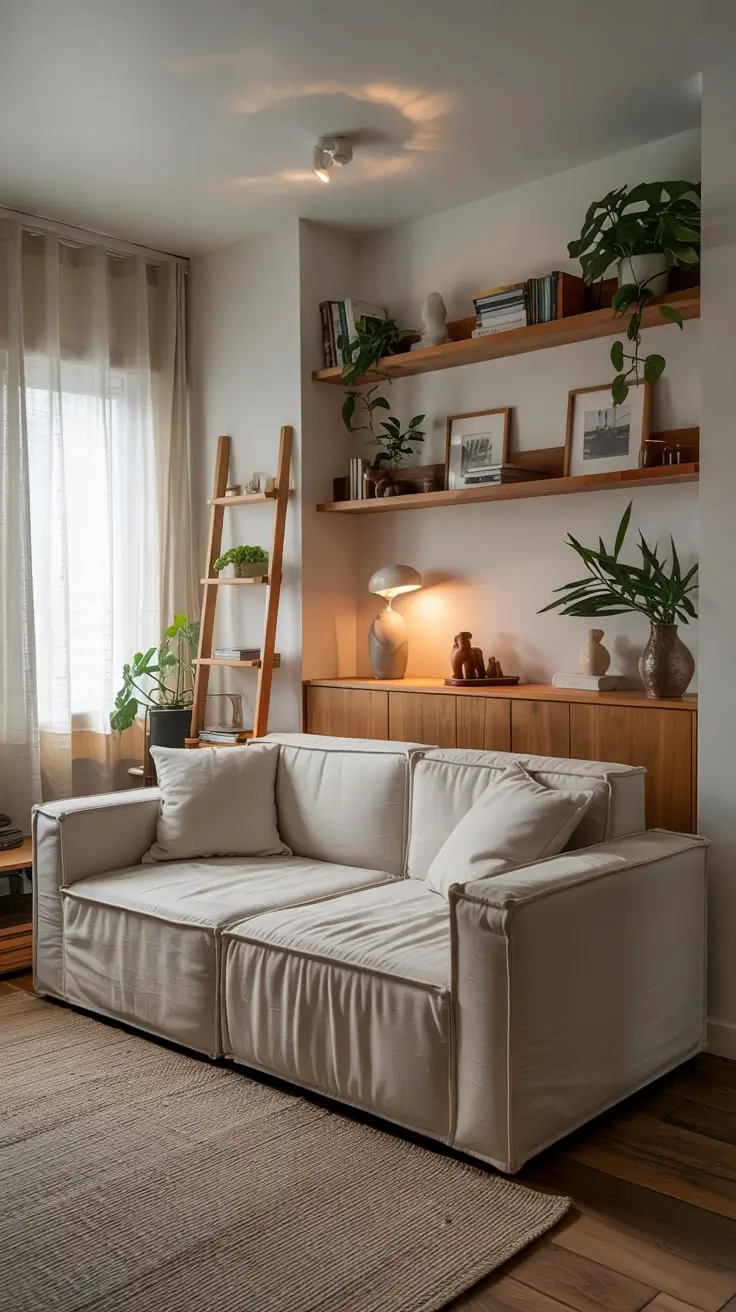
For furniture, I choose pieces that combine functionality with visual elegance. Storage benches, floating cabinets, modular sofas with hidden compartments, and ladder-style shelving help maintain order. These items support both organization and aesthetics. They also complement tiny living room design ideas by enabling flexible layouts. When storage is integrated well, the room feels open even when accommodating everyday necessities.
Professionally, I often follow the advice of US interior designers who recommend storing items vertically rather than horizontally in tight spaces. Vertical solutions draw the eye upward and maximize wall potential, making Small spaces cozy without adding clutter. I find that using uniform storage baskets or bins also helps maintain visual calm.
I would add that incorporating built-in niches or recessed shelving can provide additional storage while keeping the footprint minimal and sleek.
26. Conclusion
A thoughtful approach to tiny living room designs makes it possible to transform even the smallest spaces into functional, beautiful, and deeply personal interiors. By focusing on smart layouts, intentional furniture selection, and cozy yet efficient styling, homeowners can create rooms that feel spacious, welcoming, and aligned with modern living. I hope these ideas inspire you to experiment confidently with your own compact spaces and discover how small rooms can offer big possibilities. Share your thoughts or questions in the comments I would love to hear how you plan to elevate your tiny living room in 2026.
27.
 Save Pin