If you are planning a renovation and want fresh bathroom design ideas for a more functional home, this guide will help you see what bathroom design 2026 is really bringing into modern interiors. I will look at bathroom design modern directions, smart bathroom design layout choices, and refined bathroom design interior solutions that balance comfort, storage, and visual calm. Many homeowners now want spaces that feel elevated but still easy to maintain, and that is exactly why bathroom design inspiration in 2026 is moving toward thoughtful materials, layered lighting, and practical planning. I often see people focus only on finishes, but the strongest results come from combining bathroom design trends with use, scale, and movement. In this article, I will show how luxury details, minimalist lines, timeless materials, and flexible bathroom design options can work together. I will also explain where styles like Japandi, Midcentury, rustic, coastal, terrazzo, and modern luxury fit into a bathroom that feels current without becoming short-lived.
1. Bathroom Design 2026 Trends That Define The Modern Home
When I look at bathroom design 2026, I see a clear shift toward spaces that feel quieter, warmer, and more intentional. The modern bathroom is no longer built around only glossy finishes and sharp contrast, because people now want rooms that support daily routines in a more calming way. I notice that bathroom design trends are moving toward tactile surfaces, soft neutrals, muted green tones, natural wood accents, and lighting that creates depth instead of glare. This approach works well because it makes the room feel more architectural and less like a purely utilitarian zone. In my experience, the strongest bathroom design ideas modern enough for 2026 are the ones that combine visual simplicity with layers of comfort. That is why I see modern, classic, and timeless elements being mixed more often than extreme statement looks.
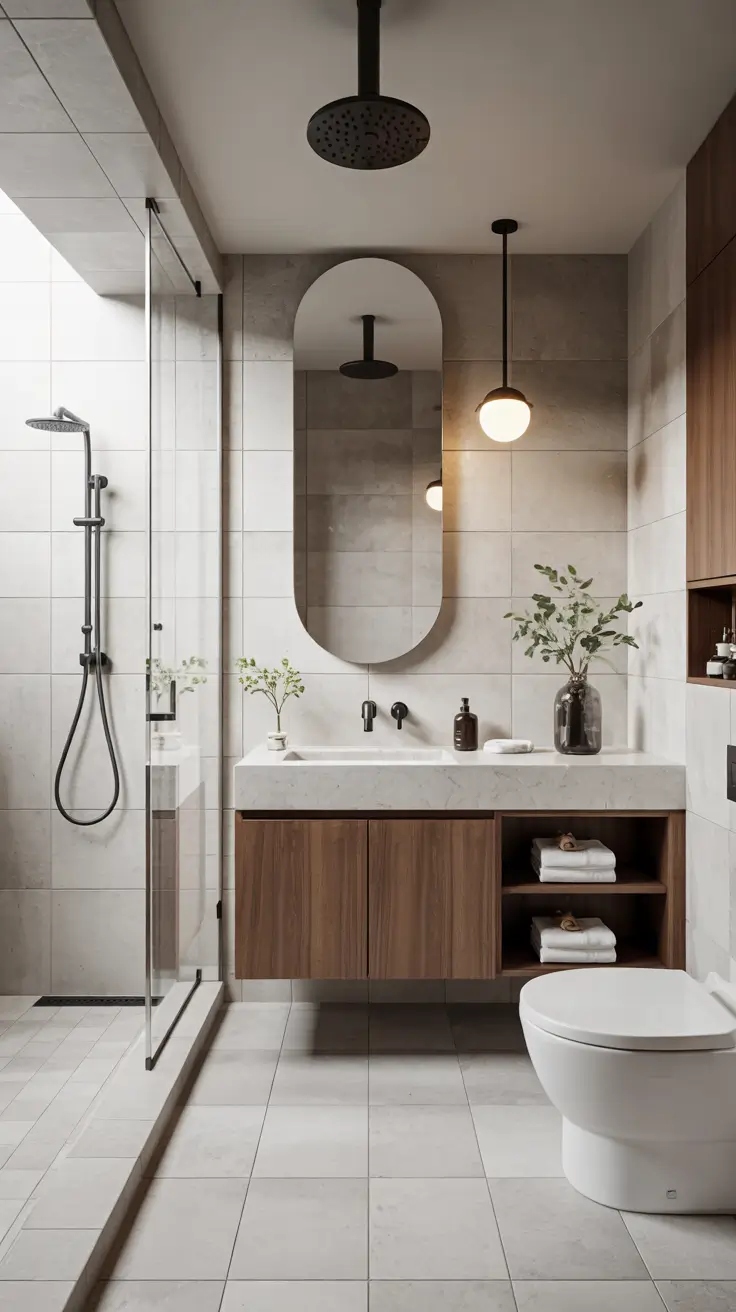
I would build this kind of room with a floating vanity, integrated storage, large-format wall tile, a framed mirror with soft backlighting, and sleek plumbing fixtures in a warm metal or matte finish. I also like to include textured stone, subtle terrazzo, or porcelain that mimics natural materials because these finishes bring dimension without making the space feel busy. A walk-in shower with minimal hardware supports the open feel that defines bathroom design modern concepts right now. If the room allows it, I add a bench, a recessed niche, and a balanced mix of closed cabinetry and display surfaces so the bathroom stays practical. I find that these pieces matter because they support both visual order and daily comfort. Even small additions such as wall hooks, tray styling, and layered towels help bathroom design decor feel complete instead of staged.
From my perspective, one of the best lessons from current design coverage in leading interiors media is that luxury now comes from restraint, proportion, and material quality rather than excess. I agree with that approach because it creates a bathroom that still feels relevant several years later. I personally prefer spaces where the palette stays controlled but the surfaces have enough variation to avoid flatness. That balance is especially useful if someone wants bathroom design inspiration that works for both a primary suite and a guest bath. I have found that a room designed this way photographs beautifully while also performing well in everyday life. It is a smart foundation for anyone exploring bathroom design options that feel fresh but not forced.
To make this section even stronger, I would add a clear focus on scent, acoustics, and layered task lighting because these features are often missed in planning conversations. I would also mention underfloor heating if the budget allows, since it improves comfort without changing the visual scheme. In a family home, I think hidden charging, easy-clean finishes, and slip-resistant flooring should be considered from the beginning. I would not overload the room with too many trend pieces, because that weakens the timeless effect that makes bathroom design 2026 feel sophisticated. My advice is to choose two or three defining features and let the rest of the room support them. That method keeps the overall composition elegant, modern, and easier to live with.
2. Modern Bathroom Design Ideas For A Clean And Elevated Look
When I design a bathroom around a clean and elevated mood, I start by simplifying the visual lines of the room. This does not mean the space has to feel cold, because a modern layout can still feel welcoming when I use warm finishes and thoughtful proportions. I usually see the most successful bathroom design modern concepts built around openness, clear circulation, and surfaces that reflect light in a gentle way. The overall impression should feel calm from the moment someone enters the room, and that requires discipline in both layout and decor. I think this kind of clarity is one of the most useful bathroom design ideas for homeowners who want the room to feel bigger and more refined. It is especially effective in a small modern bathroom where visual clutter can quickly overwhelm the space.
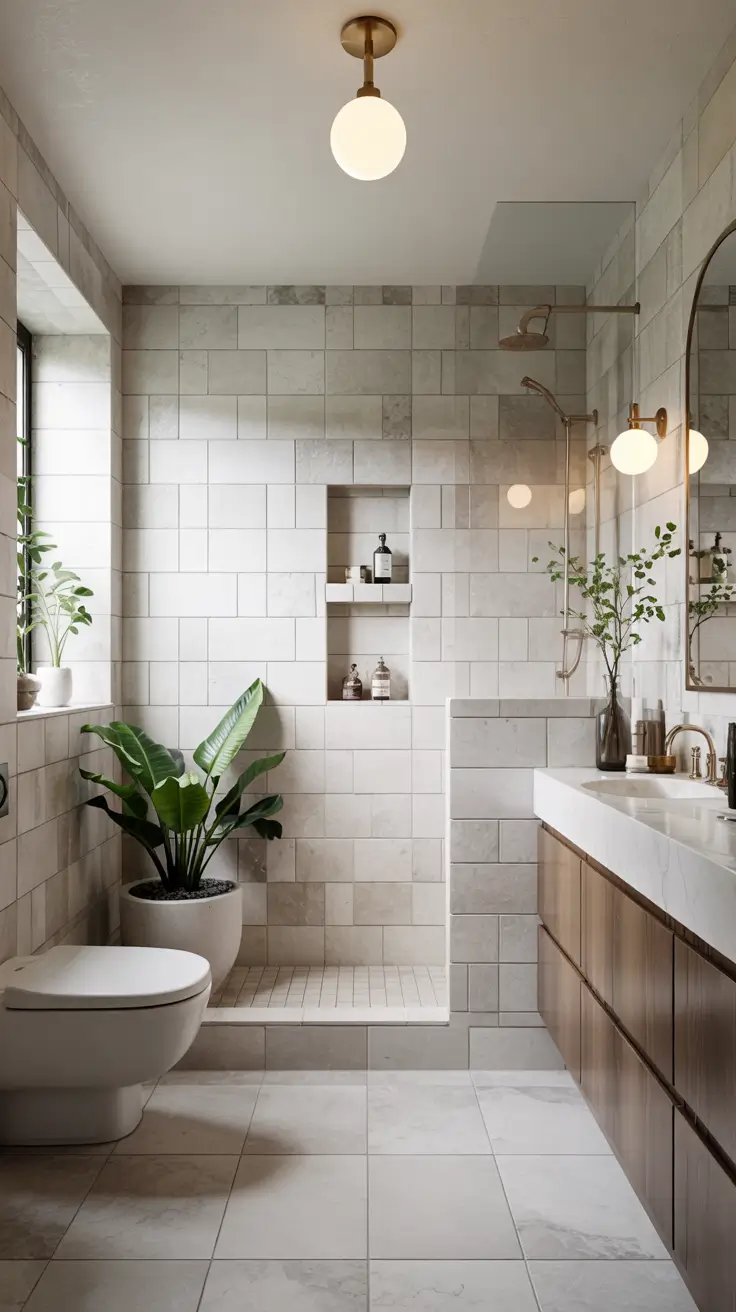
For the furnishing and finish palette, I would choose a wall-hung vanity with flat-front drawers, a simple countertop, an under-mount sink, and a mirror that aligns exactly with the width of the vanity. I like frameless glass for the shower because it keeps sightlines open and helps the bathroom design layout feel more generous. Large tiles, linear drains, and discreet niches support the clean character while reducing interruptions across the surfaces. I often add one sculptural element, such as a rounded mirror, a softly curved basin, or a ribbed cabinet front, so the room does not become too severe. A stool, a slim towel ladder, or one ceramic vessel can bring enough personality without weakening the minimalist composition. In my view, these pieces help bathroom design interior choices feel curated rather than empty.
I personally think that restraint is what separates a polished modern bathroom from a space that only looks unfinished. Many designers in the US point out that editing is as important as selecting, and I strongly agree with that principle in bathroom planning. I have seen rooms with excellent tile and expensive fittings still fall short because too many accessories compete for attention. My preference is to create one strong visual rhythm through repeated tones, matching lines, and consistent hardware. That makes the room easier to read and gives bathroom design inspiration a more professional finish. I also find that a limited material palette is more forgiving over time and easier to maintain.
What I would add here is a stronger emphasis on storage discipline, because a clean room only stays elevated when everyday products have a clear place to go. I would recommend drawer dividers, mirrored cabinets, and concealed storage for electrical items so the countertop stays visually light. If the room lacks natural light, I would add layered illumination at face level and overhead to preserve the crisp look throughout the day. In a tiny or small space bathroom, I would also consider oversized mirrors and continuous flooring to make the room feel longer. I would avoid decorative overload, because one of the main strengths of this direction is visual breathing room. For me, the success of modern bathroom design comes from calm surfaces, easy movement, and well-resolved details.
3. Luxury Bathroom Design Inspiration With Hotel Style Details
When people ask me what creates a true sense of bathroom design luxury, I usually say it starts with atmosphere rather than price. A hotel-style bathroom feels special because the room is carefully composed, highly functional, and designed to make simple routines feel more indulgent. In bathroom design 2026, I see this luxury approach becoming softer and more residential, with richer textures, flattering light, and a more personal connection to comfort. That means the space should feel polished, but it should also support slow mornings and quiet evenings. I think this is why hotel-inspired bathroom design ideas continue to influence both modern luxury and classic interiors. They offer a useful model for combining visual refinement with practical ease.
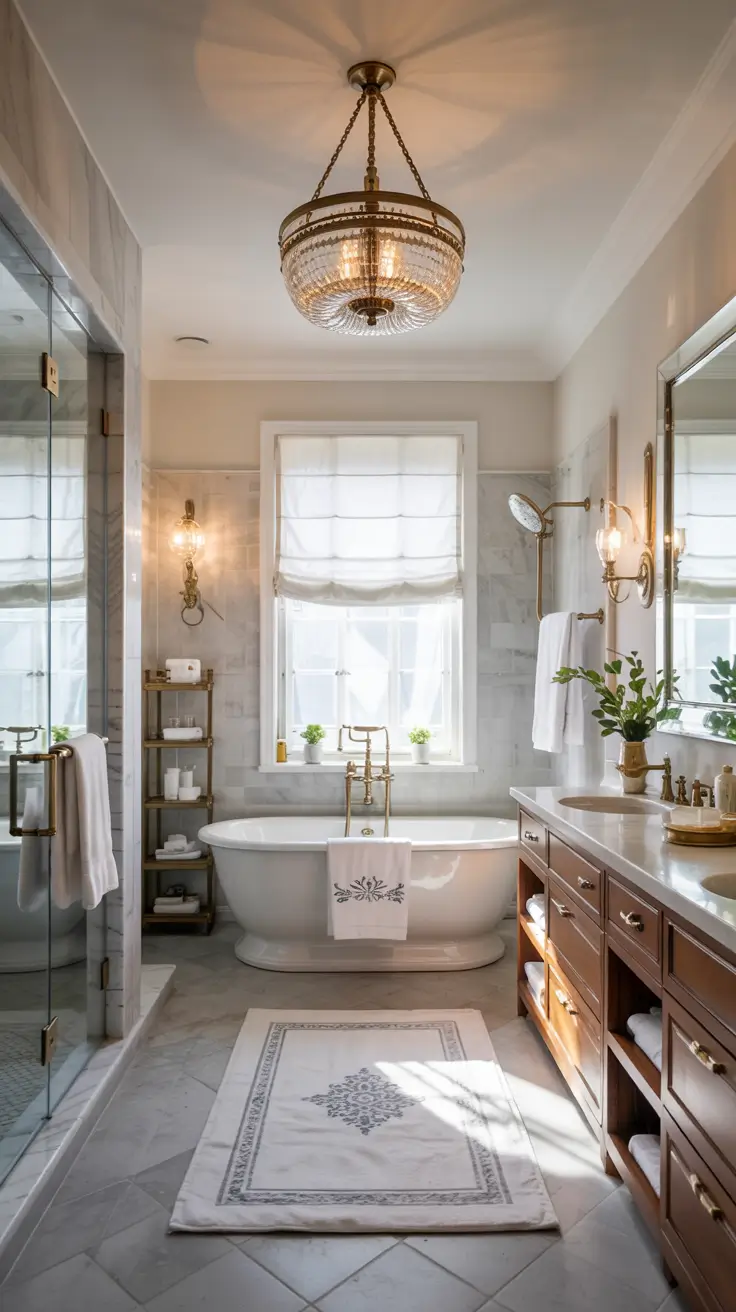
I would bring this look in through a double vanity where possible, a large mirror composition, layered sconces, plush textiles, and a shower zone that feels spacious and beautifully finished. A freestanding tub can strengthen the luxury mood, but I only include it when the room size and daily habits support it. I like stone-look surfaces, elegant metal fixtures, custom cabinetry, and a dedicated place for folded towels because these details build the feeling of a high-end retreat. A bench, a niche with coordinated bottles, and discreet storage for everyday items help the room stay composed. In some homes, I also see value in adding a sauna element or steam-style features if the layout can support them. These choices make bathroom design options feel more experiential without turning the room into something impractical.
In my own work, I find that the most convincing hotel-style bathrooms are never overcrowded with statement pieces. Design publications often highlight the importance of comfort, softness, and consistency in luxury spaces, and I think that advice is especially relevant here. I agree because luxury is not only about marble or scale, but also about how the room feels when used every day. I personally prefer a scheme where the palette is restrained and the richness comes from texture, lighting, and generous spacing around each fixture. That approach creates bathroom design inspiration that feels elegant rather than theatrical. It also helps the room age more gracefully as trends change.
To strengthen this section, I would add mention of sensory details such as heated floors, high-quality bath linens, and dimmable lighting scenes. I would also include sound control, fragrance, and easy-care finishes because real luxury disappears when maintenance becomes frustrating. If the bathroom is part of a primary suite, I think a cohesive connection to the bedroom palette can make the whole zone feel more intentional. I would avoid forcing hotel features into a tiny room if they compromise storage or movement. In my opinion, luxury works best when it improves use as much as appearance. That is the detail many homeowners miss when exploring bathroom design decor through inspiration images alone.
4. Bathroom Design Layout Ideas That Improve Flow And Function
In any bathroom, I believe the layout is what determines whether the space feels effortless or awkward. People often focus first on tile, color, or style, but bathroom design layout is usually the real reason a room succeeds or fails. I always begin by looking at door swing, sightlines, storage access, and the distance between wet and dry zones. In bathroom design 2026, better planning is becoming a major part of the conversation because homeowners want beauty that actually works under pressure. That is especially important in shared baths, family bathrooms, and compact spaces where every decision affects daily use. For me, the smartest bathroom design ideas begin with flow and only then move into finish selection.
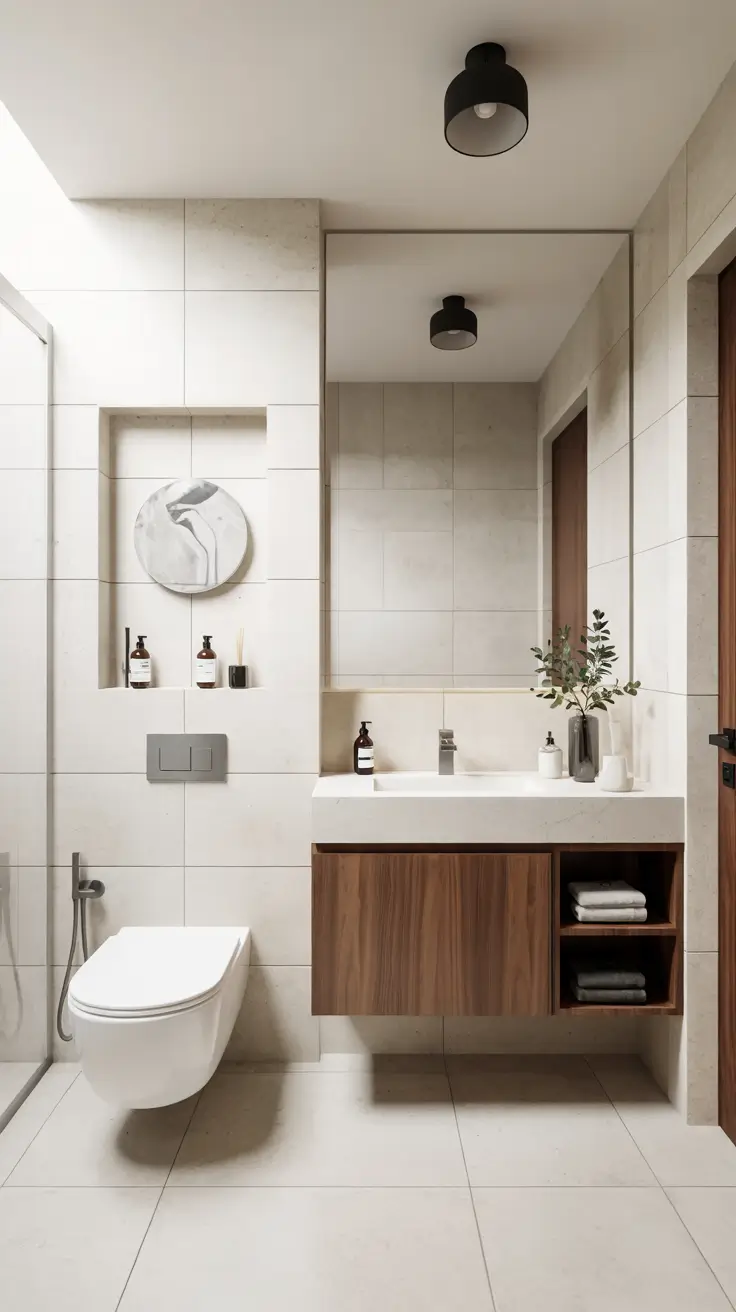
I usually separate the vanity from the shower or toilet area as clearly as possible, even if the room is small. A floating vanity can create more perceived floor area, while a walk-in shower with a fixed glass panel often improves circulation better than a bulky enclosure. In narrow rooms, I like using wall-mounted fittings and recessed storage because they keep movement paths open. If the bathroom includes a toilet and bathing area in one compact footprint, I try to give each zone enough visual definition through tile changes, lighting, or partial screening. In a tiny bathroom or small space renovation, I often choose pocket doors, corner planning, or wet-room logic to save usable area. These are some of the most effective bathroom design options for making a modest room feel more intelligent and comfortable.
I have seen many beautiful bathrooms lose their value because the vanity drawers cannot open well, the mirror sits in poor relation to the sink, or the shower entry feels cramped. That is why I think practical planning deserves more attention than it often receives online. When I review layout proposals, I always ask whether the room supports the real routine of the people using it. That question leads to better decisions about storage, circulation, privacy, and cleaning. I personally believe that a functional layout is the most timeless form of bathroom design inspiration because it improves the room every single day. Good flow may be less dramatic in photos, but it matters more in lived experience.
What I would add here is a stronger focus on clearances and user-specific needs, because layout should respond to who lives in the home. For a primary bathroom, I would consider separate vanity zones, better task lighting, and enough breathing room around key fixtures. For a public or guest bathroom, I would prioritize simple maintenance, intuitive storage, and quick access to essentials. If the room is long and narrow, I would look carefully at whether one strong line of sight can visually extend the space. I would also mention ventilation placement, because poor moisture control can undermine even the best bathroom design interior plan. In my opinion, layout is not only about where fixtures sit, but about how the whole room supports movement, comfort, and upkeep.
5. Bathroom Design Interior Concepts That Feel Stylish And Practical
The most successful bathroom design interior concepts, in my view, are the ones that feel beautiful without demanding too much from the user. In 2026, I see more homeowners choosing interiors that balance style with durability, especially when the bathroom needs to serve both fast routines and slower moments of rest. That is why I often combine timeless materials with one or two more expressive details instead of building the entire room around a single trend. A stylish and practical bathroom can still feel personal through tone, texture, and carefully selected decor. I find that this approach works well across many styles, from Japandi and Japanese calm to Midcentury warmth, rustic texture, classic elegance, and coastal freshness. It also allows bathroom design ideas to stay flexible as tastes evolve.
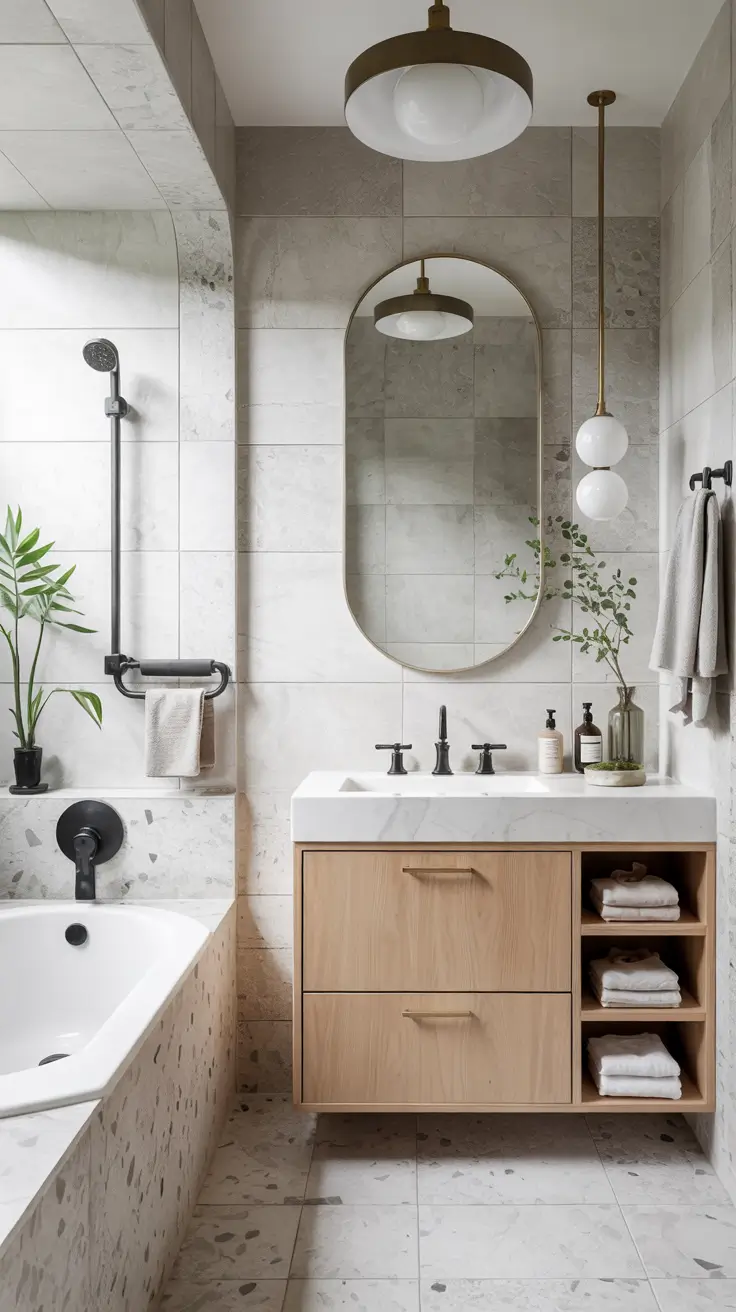
I would shape this kind of interior with durable flooring, practical wall finishes, useful storage, and materials that are easy to keep clean without looking overly technical. A Japandi direction may include pale oak, soft stone tones, and minimal silhouettes, while a Midcentury influence could appear through walnut cabinetry, rounded mirrors, and warmer hardware. If someone prefers a green or coastal mood, I would bring that in through color, tile tone, and natural accessories rather than overly themed decor. Terrazzo can work beautifully here as a subtle surface feature, while classic details such as paneled vanity fronts or balanced symmetry help the room feel grounded. For a rustic or timeless version, I like natural textures, brushed metals, and lighting with a softer profile. These layered decisions make bathroom design decor feel thoughtful and livable instead of temporary.
Personally, I think the most practical rooms are the ones where style is woven into the architecture rather than added on top at the end. I have found that when storage, lighting, and finish choices are resolved early, the room feels stronger and more complete. Many people chase visual inspiration without asking whether the room will still feel good after months of use, and I always try to correct that. My own preference is for interiors that have one clear mood but still allow enough neutrality for textiles and small objects to shift over time. That is what gives bathroom design inspiration real staying power. A well-composed bathroom should look edited, feel easy, and never force beauty at the expense of comfort.
To complete this section, I would add more attention to maintenance and longevity, because practicality depends on how the room performs after installation. I would recommend moisture-resistant finishes, quality ventilation, and storage that supports the exact items used every day. In a small modern or tiny bathroom, I would also suggest reflecting surfaces and a lighter palette to protect the sense of space. If the room includes outdoor access or connects to a sauna or pool zone, I would adapt the material choices so they handle moisture and traffic more effectively. I would avoid choosing every finish from a different style family, because that can weaken the calm and cohesive effect. In my opinion, stylish and practical bathroom design interior planning comes down to selecting fewer things, but choosing them with more purpose.
6. Japandi Bathroom Design Ideas For A Calm Minimalist Space
I see Japandi as one of the strongest bathroom design ideas for 2026 because it combines calm Japanese simplicity with the warmth of Scandinavian living. In practice, this style creates a bathroom design interior that feels quiet, useful, and highly livable instead of cold or empty. I would build this kind of room around a soft neutral palette, simple forms, pale oak or ash tones, and a bathroom design layout that leaves enough open space to breathe. The appeal of Japandi is that every surface feels intentional, so even a small space can look refined without feeling crowded. For anyone researching bathroom design 2026 or searching for bathroom design inspiration that will not date quickly, this is one of the most dependable directions.
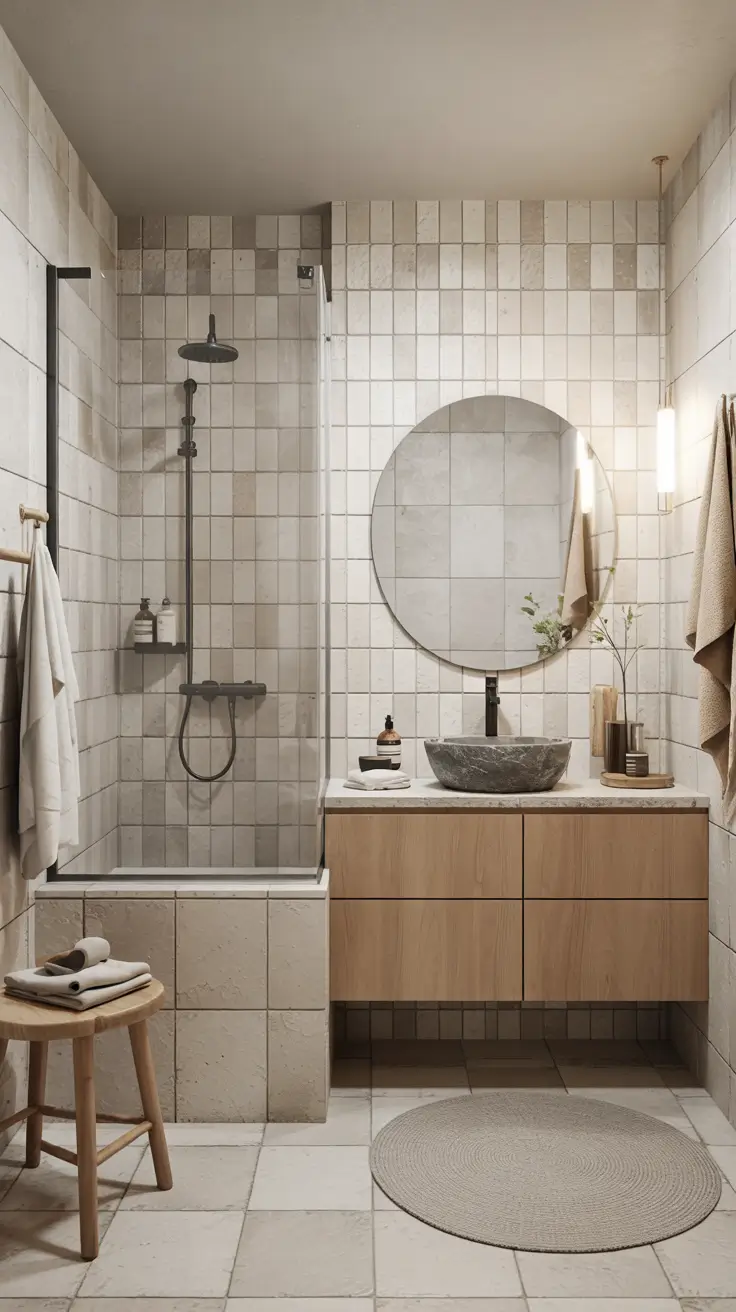
When I design a Japandi bathroom, I prioritize a floating wood vanity, a stone or solid-surface countertop, and a vessel or integrated sink with a quiet profile. I also like to include wall-mounted faucets, frameless glass, matte ceramic tile, and slim storage niches because these elements keep the room visually light. A teak stool, linen towels, a simple round mirror, and soft layered lighting help the space feel lived in without adding clutter. I often recommend textured plaster tones, light greige tile, or subtle vertical ribbing because they add depth while keeping the minimalist character intact. These are the kinds of bathroom design options that make the room feel modern, functional, and soothing at the same time.
From my perspective, the success of Japandi comes from restraint, not from removing personality. I have found that the best rooms in this style use fewer materials, but each one is chosen carefully for texture, tone, and durability. Design coverage from Architectural Digest and House Beautiful has repeatedly shown that natural materials, warm minimalism, and layered lighting remain central to contemporary wellness-focused interiors, and I agree with that direction because it works in real homes. In my own experience, this style is especially effective in primary and small modern bathrooms because it improves visual calm while still offering practical storage. It is one of the clearest examples of bathroom design ideas modern homeowners can adapt without making the room feel overly styled.
To complete this section properly, I would add underfloor heating, concealed storage behind the vanity, and a carefully considered lighting plan with ambient and task sources. I would also make sure there is one living element, such as a small branch arrangement or a moisture-friendly plant, because Japandi benefits from an organic touch. If the room has a window, I would use a light privacy screen or woven shade instead of a heavy treatment. I would keep metal finishes consistent throughout the room so the design stays calm and coherent. In my view, those final layers are what turn a minimalist bathroom into a deeply comfortable one.
7. Midcentury Bathroom Design With Warm Wood And Vintage Character
I think a midcentury approach offers some of the most welcoming bathroom design ideas because it introduces warmth, shape, and personality without losing function. For bathroom design 2026, this look works best when it is edited and updated rather than copied literally from the past. I usually begin with walnut or medium oak cabinetry, geometric tile, rounded mirrors, and a bathroom design layout that feels open and practical. The result is a bathroom design modern enough for current living, but rich with visual character. This style is especially useful for people who want a space that feels designed and memorable without becoming too ornate.
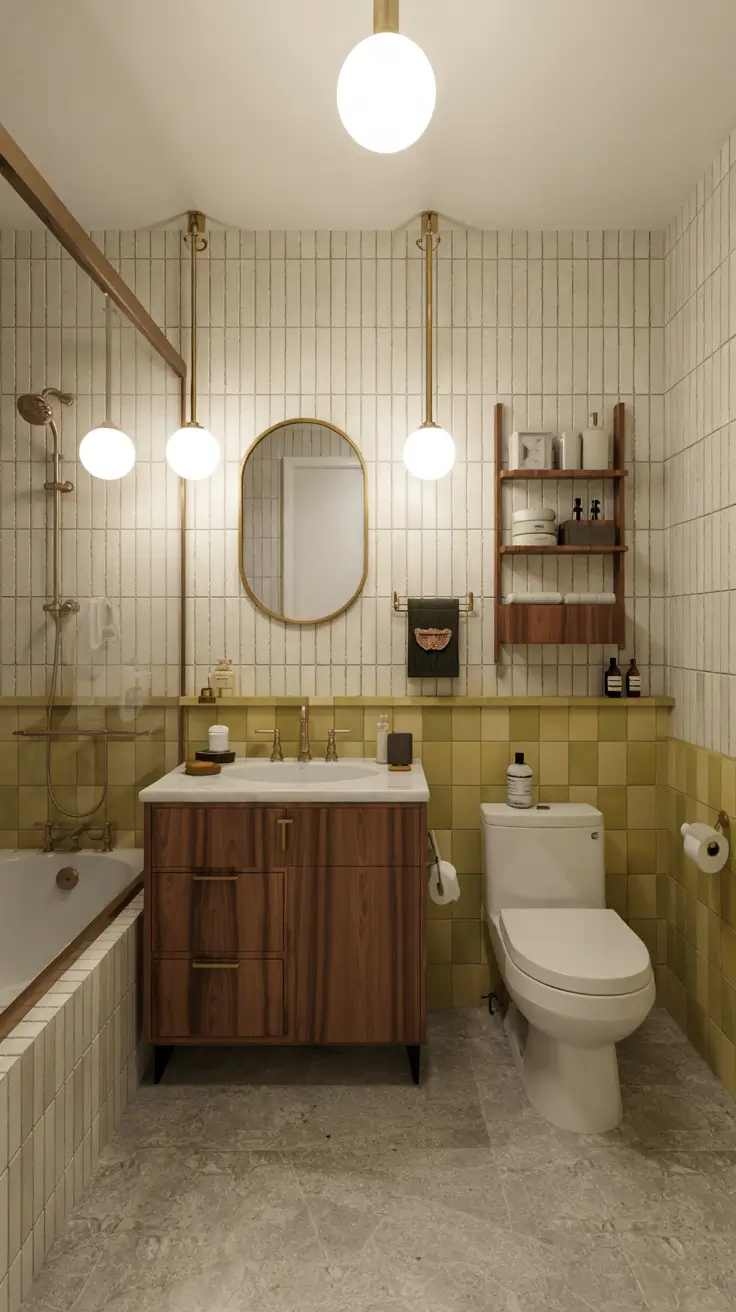
The furniture and finish choices matter a great deal in a midcentury bathroom. I would include a wood vanity with tapered or flat-front detailing, globe sconces or cone-shaped lighting, warm brass or brushed nickel hardware, and terrazzo or mosaic flooring for pattern. A medicine cabinet with clean lines, a large mirror, and organized drawer storage help support the daily function of the space. I also like to use earthy colors such as olive, clay, tobacco, soft cream, or dusty blue because they reinforce the vintage character while still feeling current. These details bring depth to bathroom design decor and help the room avoid the flatness that sometimes appears in all-white bathrooms.
In my experience, midcentury bathrooms work best when the vintage references are balanced with modern performance. I would never sacrifice good lighting, durable surfaces, or easy-to-clean fixtures just to make the room feel more nostalgic. Design editors at Dwell have long emphasized the value of honest materials, clean forms, and livable design in midcentury-inspired spaces, and I think that advice is highly relevant here. When I use this style, I focus on the qualities that still feel useful today, such as strong proportions, warm timber, and timeless silhouettes. That is what gives the room lasting value rather than making it look like a set piece.
What I would still add here is a stronger discussion of contrast and texture. A midcentury bathroom benefits from one or two crisp contemporary additions, such as a frameless shower enclosure or a sleek countertop, so the room feels rooted in the present. I would also add layered lighting around the mirror and ceiling because vintage-inspired rooms can become dim if everything is too warm or decorative. A carefully chosen runner, ceramic accessories, or one art piece can also help the room feel more personal. To me, these additions complete the balance between character and comfort.
8. Classic Bathroom Design Ideas With Timeless Elegant Appeal
I always return to classic bathrooms when I want to create a space that feels dependable, graceful, and appropriate for many years. In bathroom design 2026, classic does not mean old-fashioned – it means using proportion, detail, and material in a way that resists short-term trends. I usually think of this bathroom design interior as a mix of marble or marble-look surfaces, polished fixtures, structured vanity design, and a layout that prioritizes symmetry. The mood is elegant, but the room still needs to function effortlessly every day. For readers looking for bathroom design luxury that still feels timeless, this is one of the strongest directions available.
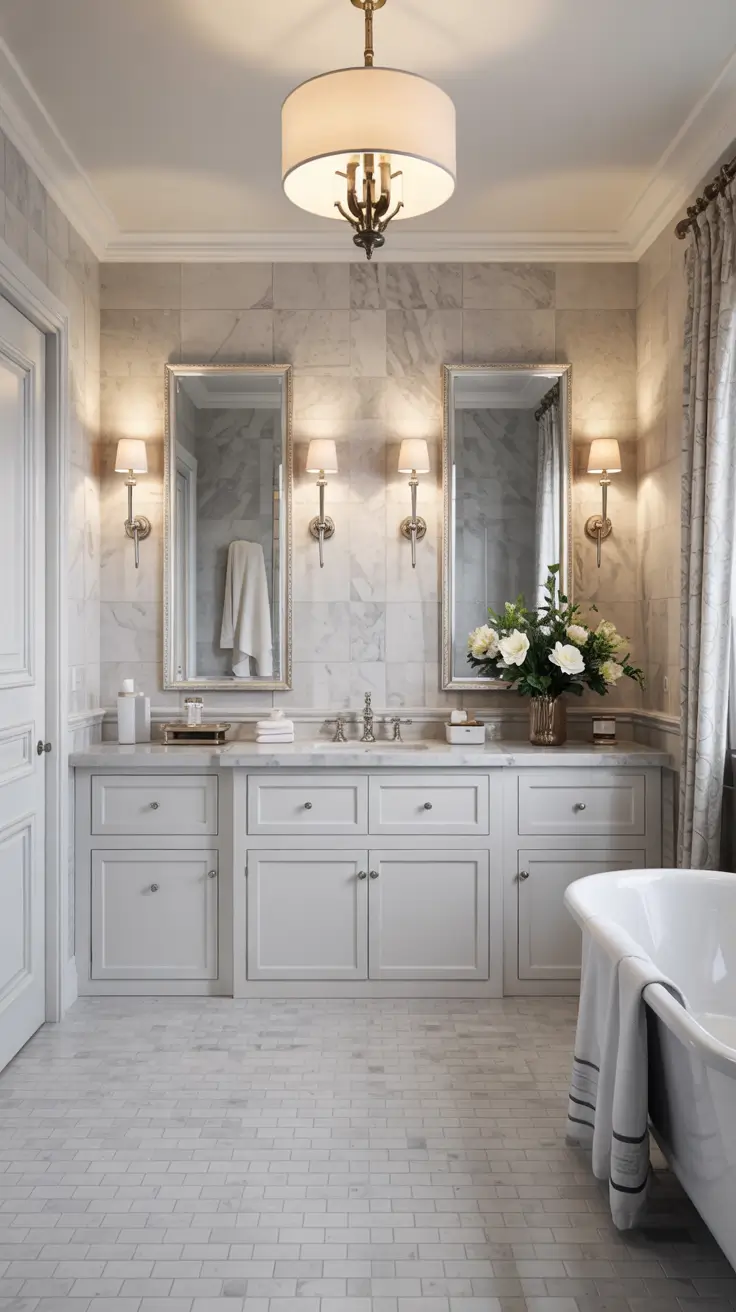
I would typically furnish this type of bathroom with a substantial vanity, framed mirrors, refined sconces, and high-quality fittings in polished nickel, chrome, or warm brass. Wainscoting, paneled cabinetry, stone counters, classic floor tile, and a well-shaped tub can all strengthen the architectural feel of the room. I also find that textile choices matter more here than in many other styles, so I would include plush towels, a tailored shade, and a bath mat with a subtle border or woven texture. Storage should be discreet but generous, because elegant rooms lose their effect when surfaces are crowded. These are the bathroom design options that create a polished atmosphere while still supporting real daily routines.
Personally, I believe classic design succeeds when it is edited with a modern eye. I like traditional references, but I do not want the room to feel heavy or overly formal. Better Homes and Gardens and Veranda have both highlighted the continuing value of classic bath elements such as marble, paneled vanities, and layered lighting, and I think that advice remains useful because these features age well when executed with restraint. In my own work, I usually simplify the palette and avoid too many decorative motifs so the space feels elegant instead of busy. That balance is what keeps timeless design relevant.
To strengthen this section, I would add more attention to scale and maintenance. A classic bathroom should include easy-care materials where possible, especially if the room is used daily by a household rather than reserved as a guest bath. I would also add concealed outlets, smart mirror lighting, and efficient storage inserts because convenience matters just as much as style. If space allows, a stool or small chair can soften the room and make it feel more complete. In my opinion, these practical additions help classical elegance work better in contemporary life.
9. Minimalist Bathroom Design Options For A Clutter Free Space
I consider minimalist bathrooms some of the most practical bathroom design ideas modern homes can adopt because they reduce visual noise and make the room easier to use. For bathroom design 2026, minimalism is becoming softer and more livable, with warmer materials and more thoughtful lighting replacing the stark look that used to define the style. I focus on a clean bathroom design layout, integrated storage, and a limited palette that helps every element feel calm and intentional. When the room is planned well, even a tiny bathroom can feel larger and more organized. This style works especially well for small space, small modern, and primary bathrooms where routine and clarity matter.
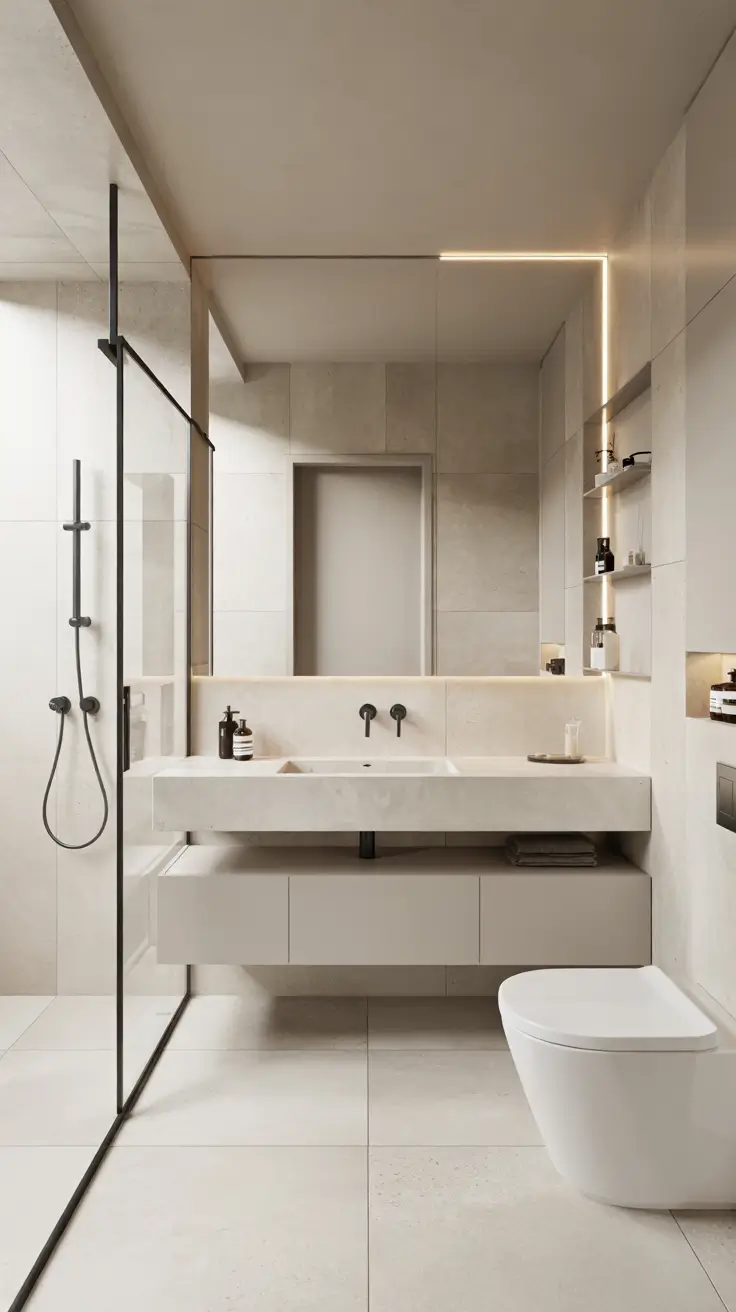
In a minimalist bathroom, I would include a floating vanity, recessed storage, large-format tile, frameless glass, and streamlined hardware with as little visual interruption as possible. I prefer integrated sinks, handleless cabinetry, wall-mounted toilets where appropriate, and built-in shower niches because these choices simplify the look of the room. Lighting should be soft but effective, with hidden LED strips, mirror illumination, and a balanced overhead source. I also recommend limiting accessories to a few well-made items such as a soap dispenser, tray, and one textile note to preserve the calm effect. These decisions improve bathroom design decor while keeping the focus on space, order, and function.
From my point of view, minimalism works only when storage is planned in detail. I have seen many bathrooms that look beautiful in photos but fail in daily life because there is nowhere to place the products people actually use. Publications such as Dezeen often highlight bathrooms where simplicity is achieved through concealed storage and material continuity, and I think that is exactly the right lesson to apply. I prefer minimal rooms that feel quiet and generous rather than severe. Good minimalism should support life, not make the user feel restricted.
What I would add to this section is more emphasis on tactile comfort. A minimalist bathroom still needs warmth, so I would include subtle stone texture, warm wood, soft towels, and perhaps a gentle off-white or sand tone instead of pure bright white. I would also make sure the room has enough closed storage to keep counters clear at all times. A well-placed bench, niche, or slim shelf can add function without disturbing the clean lines. In my view, these missing elements are what transform minimalism from a visual style into a comfortable daily environment.
10. Rustic Bathroom Design Inspiration With Natural Texture And Charm
I find rustic bathrooms especially appealing when the goal is to create a room that feels grounded, relaxed, and full of material character. In bathroom design 2026, rustic style is less about overly themed details and more about using natural finishes in a refined way. I usually approach this bathroom design interior through wood grain, stone, handcrafted surfaces, warm neutrals, and a layout that feels generous even if the room itself is not large. The best version of rustic style feels honest and calming rather than rough or overly decorative. It offers strong bathroom design inspiration for anyone who wants texture and warmth without losing practicality.
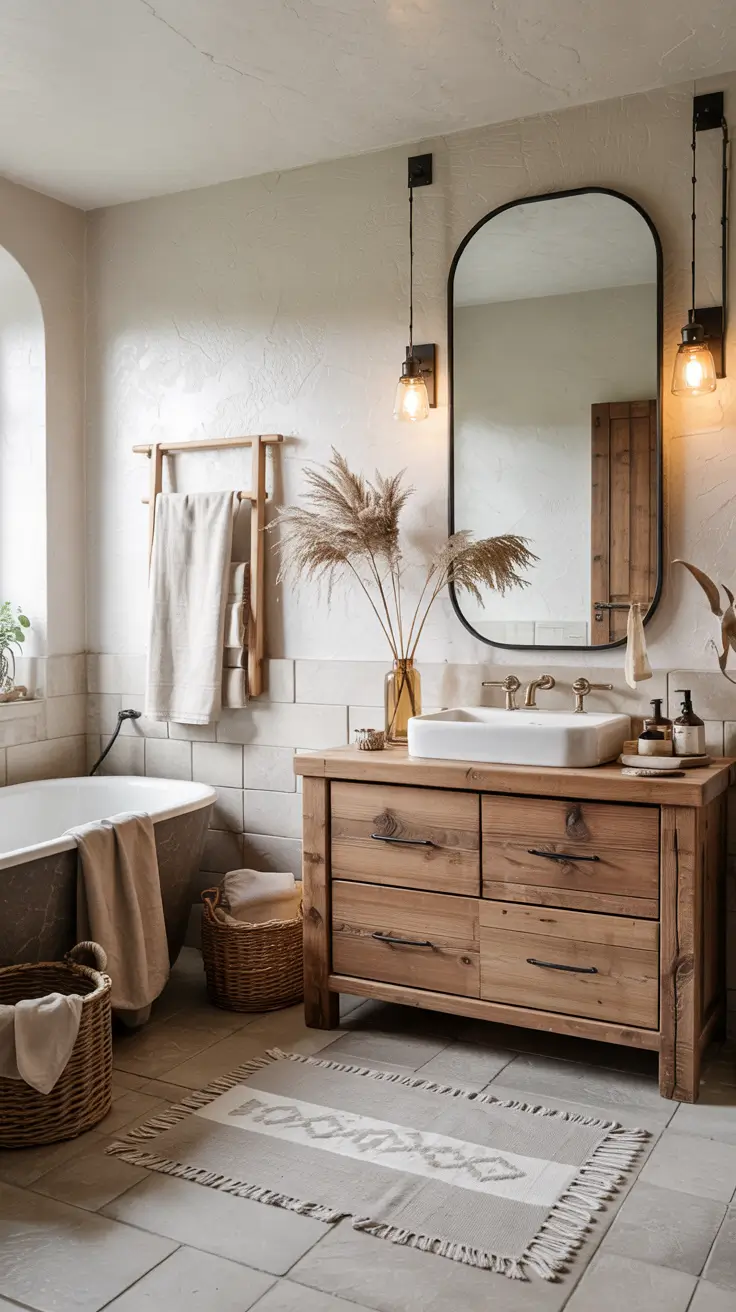
For the actual design elements, I would choose a wood vanity with visible grain, stone-look tile or natural stone, aged metal hardware, and warm lighting that softens the surfaces. Open shelves can work well here if they are styled carefully, though I still like to balance them with closed storage to keep the room useful. A freestanding tub, a simple bench, woven baskets, and linen or cotton textiles can reinforce the natural mood. I also like to include imperfect finishes such as handmade tile, limewash tones, or textured plaster because they add depth and authenticity. These details expand the bathroom design options for readers who prefer cozy, tactile spaces over highly polished ones.
My opinion is that rustic design is most successful when it stays disciplined. I do not think every rustic bathroom needs reclaimed beams or dramatic lodge references. Better Homes and Gardens and Country Living have often pointed to the value of texture, natural materials, and warm layering in bath spaces, and I agree with that approach when it is handled with restraint. In my own experience, one of the smartest ways to update rustic style is to pair organic textures with cleaner lines and better lighting. That keeps the room from feeling heavy while preserving its charm.
What I would still add is a stronger link between rustic character and modern performance. I would specify moisture-resistant finishes, durable sealed surfaces, and excellent ventilation so the natural materials remain beautiful over time. I would also introduce one clean contemporary note, such as a simple mirror or a more modern faucet profile, to stop the room from feeling too themed. If the bathroom includes enough natural light, this style becomes even more convincing and comfortable. To me, those additions complete the relationship between rustic charm and present-day usability.
11. Green Bathroom Design Ideas That Refresh The Entire Interior
When I work with green tones in a bathroom, I focus on making the room feel restorative instead of overly themed. Green is one of the most flexible bathroom design ideas because it can read earthy, elegant, modern, or timeless depending on the shade and finish. In bathroom design 2026, I see green used as a background color that supports natural textures, better lighting, and a calmer emotional tone. Soft sage, muted olive, eucalyptus, and deep moss can all create a bathroom design interior that feels fresh without becoming loud. I usually recommend green when the goal is to soften hard surfaces and bring more visual life into the room. It is especially effective in spaces that need more warmth but still want a clean bathroom design modern result.
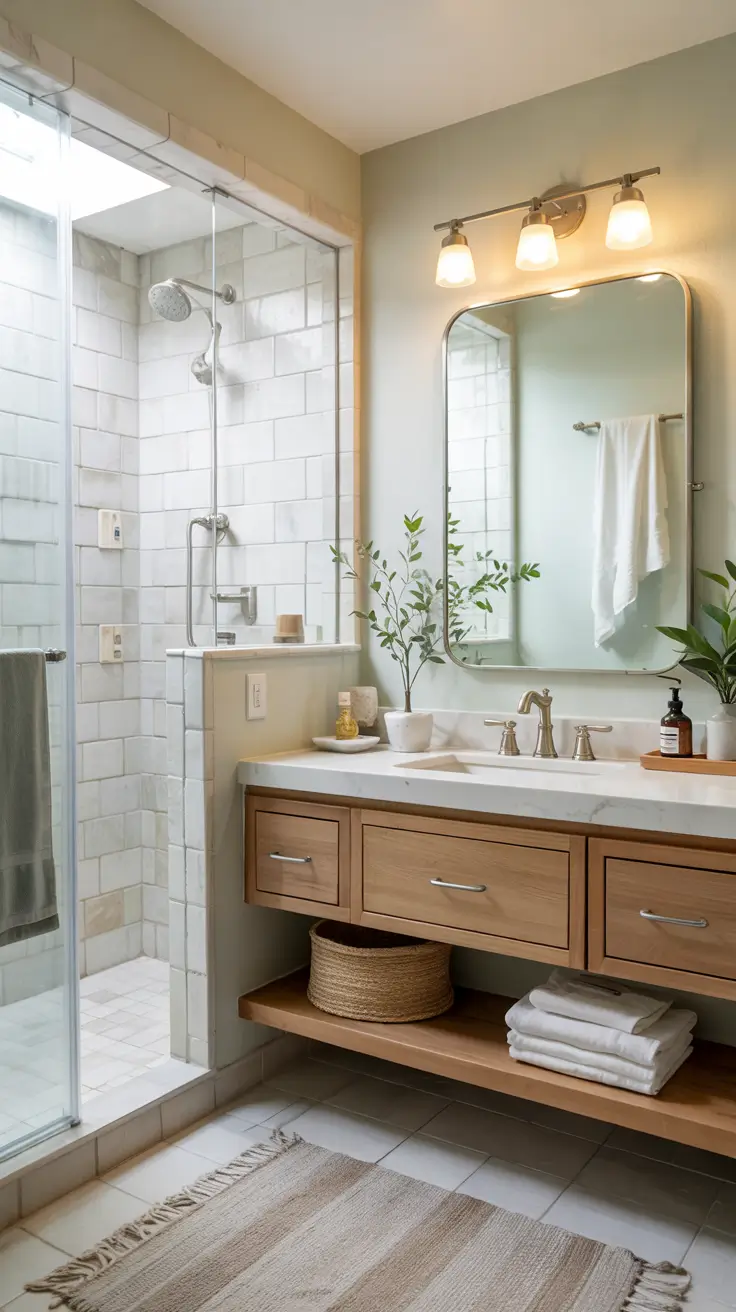
I usually build this look with wall tile or paint in a controlled green tone, then support it with oak or walnut vanities, brushed nickel or unlacquered brass hardware, and stone or quartz countertops. A floating vanity works well here because it keeps the room visually open while letting the color story stay uninterrupted. I often include a framed mirror with a thin profile, layered sconces, and soft white lighting to keep the space balanced and usable. For the floor, I prefer porcelain with a stone-like finish because it is durable and supports a more grounded palette. Accessories such as ribbed glass containers, woven storage, linen towels, and a small plant help strengthen the bathroom design decor without cluttering the room. This combination gives homeowners bathroom design options that feel current and calming at the same time.
From my perspective, green works best when it is treated as part of the architecture rather than as an accent added at the end. I have found that designers often recommend nature-based palettes because they age more gracefully than trend-driven color combinations. Publications such as Architectural Digest and House Beautiful have repeatedly highlighted natural hues and organic finishes as key directions for bathrooms that feel elevated yet livable. I agree with that approach because a green bathroom does not need dramatic styling to feel complete. In my experience, the most successful version is one where color, texture, and lighting work together quietly. That is what gives the room a sense of balance and lasting appeal.
To complete this section, I would add a clear note about contrast and maintenance. Green needs an anchor, so I usually pair it with warm wood, creamy whites, or mineral surfaces to avoid a flat result. I also recommend matte or satin finishes in many cases because they soften reflections and make the palette feel more sophisticated. If the room is small space or tiny in scale, I prefer lighter greens with large-format tile to reduce visual interruption. A final layer such as a bench, recessed shelf, or better shower niche can make the room more practical while preserving the relaxed atmosphere. That extra planning is what turns color into a truly functional bathroom design layout decision.
12. Terrazzo Bathroom Design Trends For A Bold Modern Surface Story
Terrazzo is one of the most expressive bathroom design trends I use when I want the surfaces to carry the visual interest of the room. It brings movement, color variation, and a crafted look that instantly changes the energy of the space. In bathroom design 2026, terrazzo feels especially relevant because it works well with both minimalist rooms and more layered interiors. I see it used on floors, shower walls, vanity backsplashes, and even integrated sinks where the goal is to make the room feel custom. It can support bathroom design luxury when paired with refined lighting and restrained forms, but it also works in more playful spaces. For me, terrazzo is effective because it adds personality without relying on too many separate decorative elements.
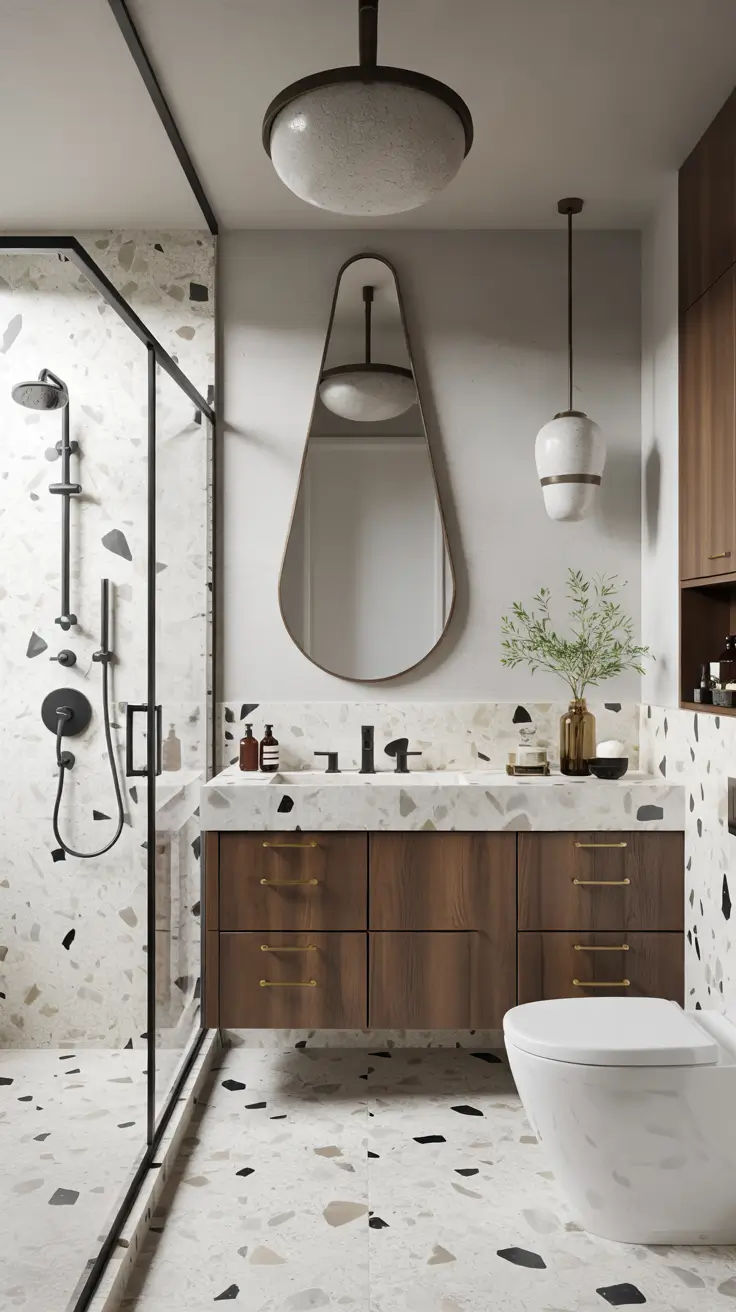
I like to pair terrazzo with simple cabinetry, slab-front vanities, and clear silhouettes so the surface pattern remains the focal point. A wall-mounted vanity in wood, white, or muted gray usually helps balance the material and keeps the room from feeling too busy. I often choose frameless shower glass, understated faucets, and a single sculptural mirror because those pieces let the terrazzo read as intentional and sophisticated. If the terrazzo contains warm fragments, I may use brass or bronze hardware, while cooler chips often work better with chrome or blackened metal. The flooring should coordinate with the scale of the chips, since a very active terrazzo on every surface can overwhelm the bathroom design interior. Thoughtful repetition is important, and I usually repeat the material in two areas rather than everywhere.
In my experience, terrazzo works best when I define its role clearly from the beginning of the design process. I have seen many bathrooms where the material is beautiful, but the rest of the room competes with it instead of supporting it. Better Homes & Gardens and interior-focused media often show terrazzo in settings where the surrounding finishes remain calm, and I think that is the right lesson to take from it. The pattern already brings movement, so the room benefits from restraint in the furniture, lighting, and styling. I personally prefer terrazzo that feels mineral and architectural rather than overly colorful. That approach keeps the design bold but still aligned with a more timeless sensibility.
What I would add here is a note about scale, grout, and visual rhythm. Large terrazzo chips can feel dramatic in a primary bathroom or hotel-inspired room, while smaller chips may be easier to use in a small modern bath. I usually advise limiting competing patterns in towels, wallpaper, or floor mats because the surface itself already creates the decorative story. Good illumination is also essential, especially if the room has limited daylight, because terrazzo needs even lighting to show its depth. A recessed niche, integrated ledge, or custom vanity detail can help connect the bold finish to the daily function of the room. That is how I turn a statement surface into one of the most practical bathroom design ideas modern homeowners can actually live with.
13. Elegant Bathroom Design Decor That Instantly Lifts The Room
When I describe a bathroom as elegant, I am not talking about excess or ornament for its own sake. I am describing a room where every finish feels considered, every proportion feels balanced, and the overall effect is refined from the moment you enter. Elegant bathroom design decor often depends on restraint, which is why it remains one of the most timeless directions in bathroom design 2026. I see elegance emerge through texture, scale, tone, and cohesion rather than through a single dramatic element. This kind of bathroom design inspiration works especially well for anyone who wants a space that feels elevated every day, not only for photos. In my view, elegance is one of the strongest ways to make bathroom design luxury feel calm and believable.
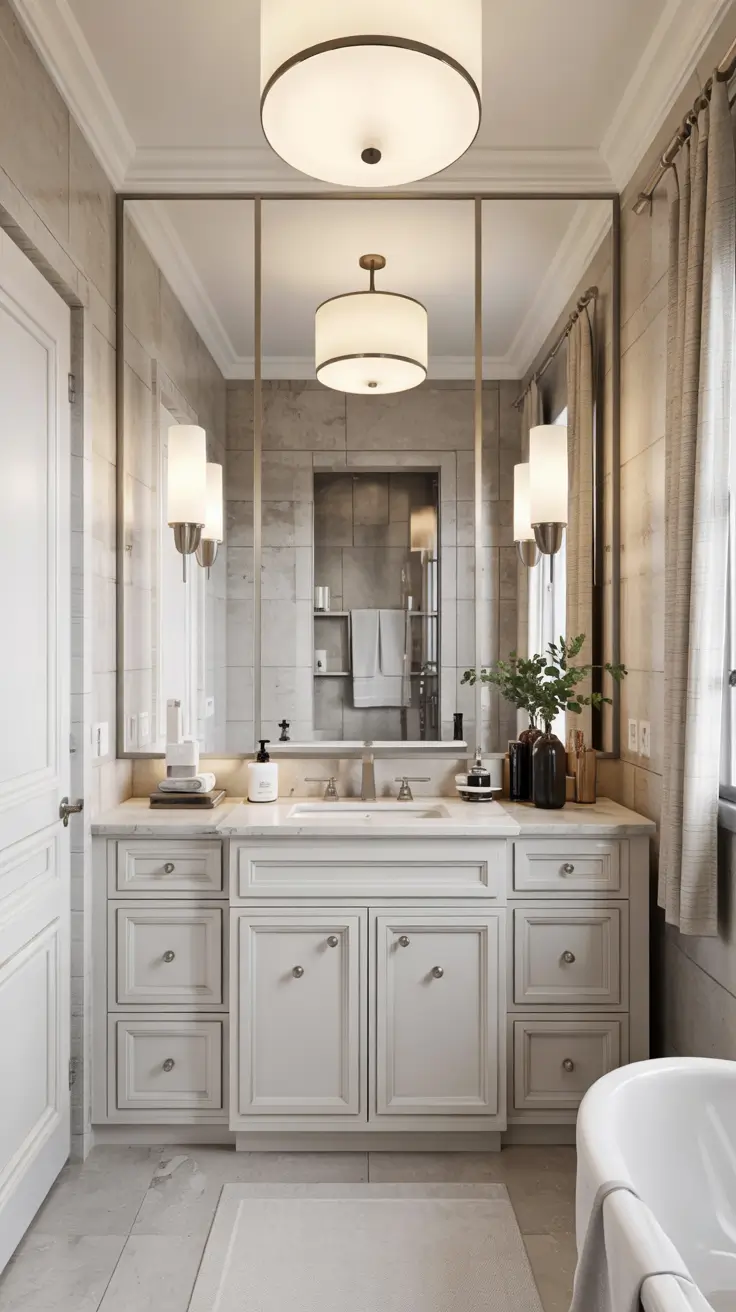
I usually build this look with high-quality basics such as stone-look porcelain, polished plaster tones, paneled cabinetry, and refined metal finishes. A well-shaped vanity, a full-height mirror, and layered lighting are often more important than decorative excess. I like to include closed storage so the room maintains a quieter appearance, then add a few visible accessories such as a tray, folded towels, and a ceramic vessel that feel deliberate rather than random. Wall sconces, a ceiling fixture with clean lines, and a mirror with subtle detailing often do more for the room than adding many small accents. If the bathroom is larger, I may include a stool, a bench, or a freestanding tub to reinforce comfort and scale. These pieces support bathroom design decor in a way that feels architectural rather than temporary.
Personally, I think elegant bathrooms succeed when they avoid trying too hard. I have seen many beautiful examples in publications like Elle Decor and Veranda where the rooms feel luxurious because the palette is controlled and the materials have visual depth. That lesson matters because elegance is often the result of editing, not adding. I usually tell readers to focus on the quality of a few visible elements first, especially the vanity, lighting, and primary wall finish. When those are right, the room already feels finished. My experience has been that an elegant bathroom is usually more comfortable to live with because it favors order, good storage, and a clear visual hierarchy.
To strengthen this section, I would add a practical reminder about softness and contrast. Elegant rooms benefit from at least one tactile layer such as plush towels, a textured shade, or a ribbed tile surface that keeps the design from feeling flat. I also prefer some tonal contrast, whether through darker hardware, a warm wood vanity, or veining in the countertop. If everything matches too closely, the room can lose depth even when the materials are expensive. Good scent, clean countertop styling, and proper lighting temperature also matter more than many people expect. These finishing touches can instantly lift the bathroom design interior while keeping the room polished and easy to maintain.
14. Small Space Bathroom Design Ideas That Feel Open And Efficient
Small bathrooms require some of the most disciplined design thinking, and that is exactly why I enjoy planning them. A compact footprint does not prevent good bathroom design layout, but it does demand more intention in every decision. In bathroom design 2026, I see small space solutions moving away from cramped, purely functional rooms and toward interiors that feel airy, finished, and visually smart. The goal is not only to save inches but also to improve how the room feels the moment someone walks in. I focus on sightlines, circulation, and surface continuity because those choices make the strongest difference in tight spaces. Some of the best bathroom design ideas come from small rooms because every element has to earn its place.
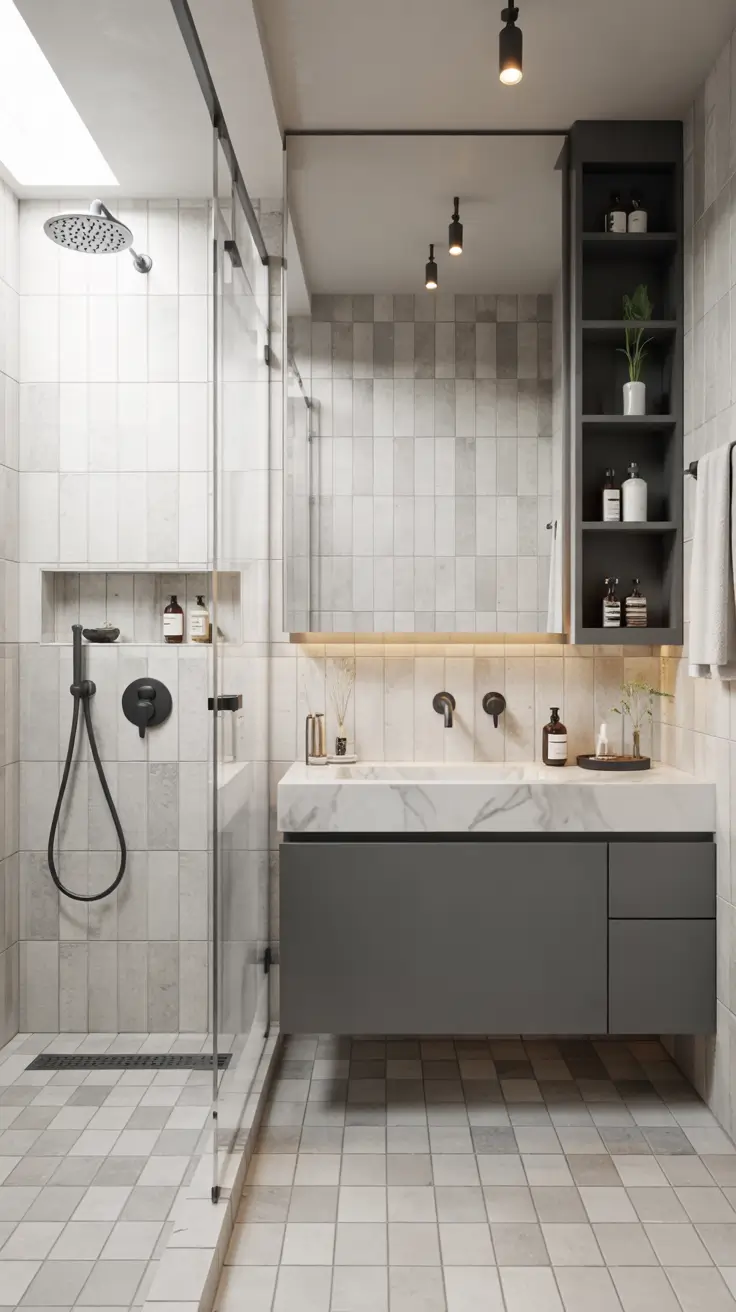
I usually begin with a floating vanity or a shallow-depth cabinet to free up floor area and create a more open visual field. Wall-mounted faucets, recessed medicine cabinets, and large mirrors help save space while improving usability. I often choose glass shower panels instead of heavy visual dividers, and I prefer large-format tile to reduce grout lines and keep the room calmer. Light-toned walls, integrated niches, and vertical storage are also essential because they make the room more efficient without overcrowding it. In a small modern bathroom, I like using one or two materials consistently so the eye moves smoothly through the space. These choices make bathroom design options more practical while still looking polished.
From my perspective, the best compact bathrooms always feel edited instead of deprived. I often refer to examples shared by design publications that emphasize visual simplicity, reflective surfaces, and clever storage because those strategies consistently work. I agree with that guidance, but I also believe comfort should not disappear in the name of efficiency. Even in a tiny room, a good mirror height, the right sconce placement, and a comfortable vanity edge make a daily difference. I have found that people notice thoughtful function more than square footage when the room is well planned. That is why a smaller bathroom can still deliver strong bathroom design inspiration.
What I would add to this section is a reminder about doors, corners, and fixture proportions. The wrong door swing can waste valuable space, so I often look at pocket doors or outward-opening solutions when possible. I also pay close attention to toilet placement and shower dimensions because poor proportion can make a room feel awkward no matter how attractive the finishes are. A narrow shelf, better towel placement, and hooks behind the door can increase function more than adding bulkier storage. If there is any opportunity for natural light, I try to preserve it with minimal obstructions. These are the quiet adjustments that make a small space bathroom feel open, efficient, and truly usable.
15. Tiny Bathroom Design Solutions With Smart Storage And Layout
A tiny bathroom has different needs than a standard small one because every inch becomes a design decision with real daily consequences. In these spaces, I prioritize flow first, then storage, then visual quiet so the room feels manageable and not overworked. Tiny layouts often force sharper choices, but they also inspire some of the most inventive bathroom design modern solutions. In bathroom design 2026, I see more tiny rooms using concealed storage, slimmer fixtures, and cleaner lines to support a more comfortable experience. The room should still feel complete, even if it cannot include every feature found in a larger bath. I believe the best tiny bathroom design ideas come from solving problems with discipline rather than forcing too much into the plan.
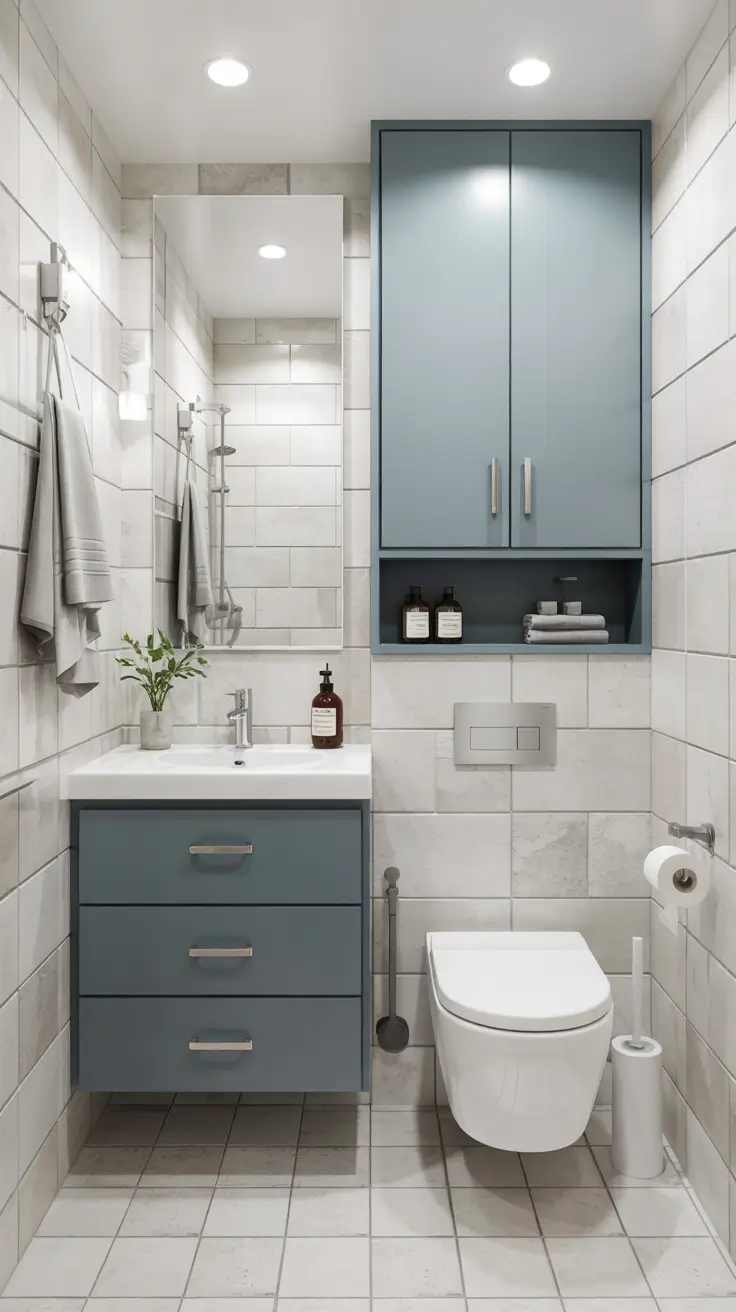
I often recommend compact vanities with drawer organizers, mirrored cabinets, and recessed shower niches because each one supports storage without stealing visual space. A wall-hung toilet can be especially useful in a tiny layout because it lightens the room and can make cleaning easier. I also like combining a single material palette with a clear lighting plan so the room feels orderly from every angle. In many cases, a corner sink, slim-profile faucet, or compact tub-shower combination can help the layout function better. I avoid oversized decor and instead focus on useful details such as a ledge for daily items, integrated towel storage, and easy-to-clean surfaces. These are practical bathroom design options that help tiny bathrooms work harder without looking crowded.
In my experience, people often assume that storage in a tiny bathroom must be purely utilitarian, but that is not true. I think the smartest rooms are the ones where storage disappears into the design instead of reading like an afterthought. Design editors often feature tiny bathrooms that rely on built-ins, vertical emphasis, and tonal consistency, and I see those same principles succeed in real homes. Personally, I always try to reduce the number of visible objects because visual clutter makes a tiny room feel even smaller. A limited palette and better organization can do more than expensive finishes in these spaces. That is where practicality becomes part of the bathroom design interior itself.
To improve this section further, I would add a note about daily routines and who uses the room most often. A tiny guest bath, a family bathroom, and a primary ensuite all need different storage priorities, even when they share similar dimensions. I usually plan around the items that truly need a home, then remove everything else from the visual field. Better ventilation, durable finishes, and a clear cleaning strategy also matter because tiny rooms show wear more quickly. If possible, I like to include one feature that adds character, such as textured tile, a Japanese-inspired wood accent, or a compact terrazzo floor. That one thoughtful detail gives the room identity while the smart bathroom design layout keeps it efficient.
16. Small Modern Bathroom Design Ideas With Sleek Visual Balance
When I work on a small modern bathroom, I focus first on visual balance because that is what makes the room feel larger instead of cramped. In bathroom design ideas modern, I see the best results when the palette stays controlled and the layout avoids unnecessary shifts in depth, color, and texture. A wall-mounted vanity, a frameless glass shower, and large-format tile usually help me create a cleaner line of sight from entry to back wall. That approach supports a better bathroom design layout because every surface works harder without making the room feel overfilled. In bathroom design 2026, sleek balance matters more than adding extra decor that interrupts movement or light.
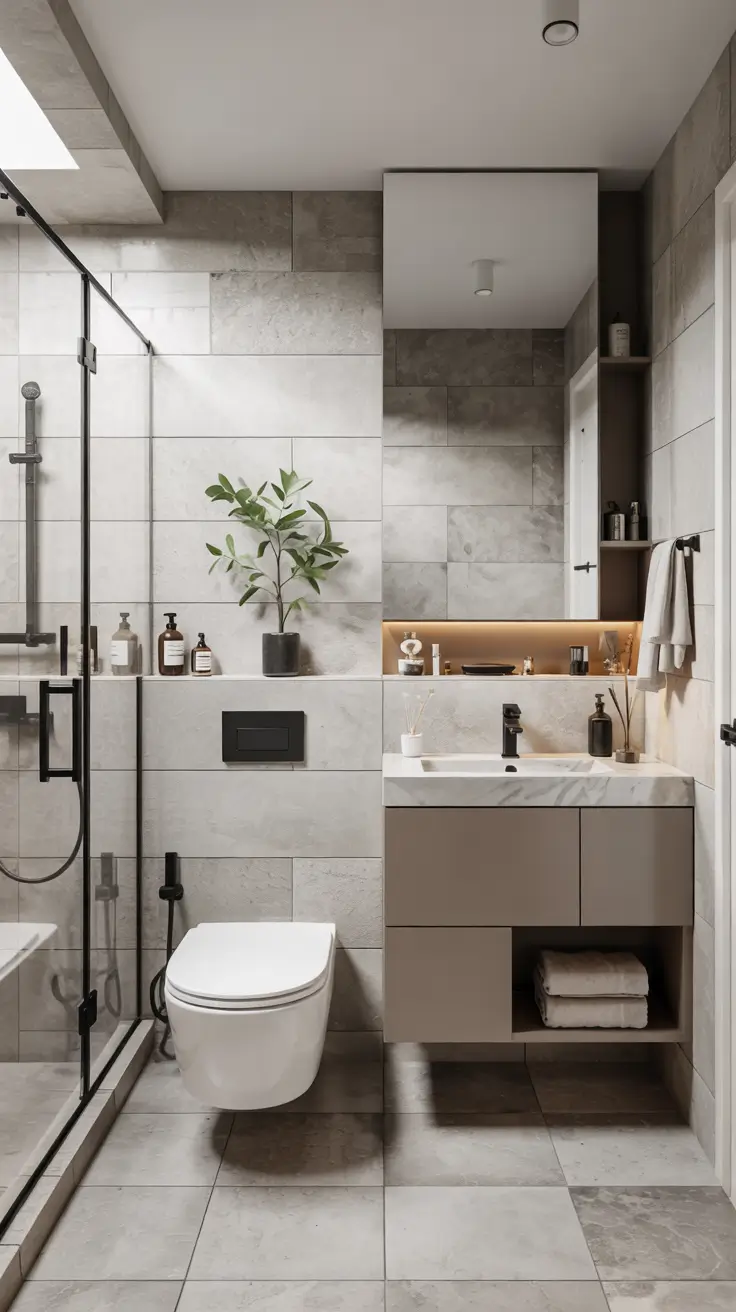
I usually build this type of bathroom around a floating vanity with integrated storage, because visible floor area makes a small space feel more open. A mirrored medicine cabinet is one of the most useful pieces I add, since it gives me storage without taking up precious depth. I prefer a clear glass shower panel instead of a heavy framed enclosure, and I often pair it with a linear drain to keep the floor plane visually simple. For finishes, I lean toward matte porcelain tile, a compact toilet with soft edges, and minimal hardware that does not compete for attention. These bathroom design options help small modern spaces feel deliberate, polished, and easy to maintain.
From my perspective, small modern bathrooms improve the most when restraint is treated as a design tool rather than a limitation. Better Homes and Gardens has often emphasized the value of smart storage and uncluttered surfaces in compact baths, and I agree because order is what allows design to stand out. I have found that one sculptural light fixture or one standout stone detail often creates more impact than layering too many accents. This is where bathroom design decor should stay disciplined, with only a few useful and attractive elements in view. A small modern room can still feel luxurious when every decision supports clarity and comfort.
What I would add here is attention to lighting layers and reflective surfaces, because they are often missing in a compact plan. I like to combine ceiling lighting with vertical sconces at the mirror so the room looks balanced throughout the day. If privacy allows, I also recommend frosted glass or a slim window treatment that preserves daylight. A niche in the shower wall is another essential addition because it removes the need for visual clutter from bottles and trays. These details strengthen the bathroom design interior and help the entire room feel more finished.
17. Japanese Bathroom Design Inspiration For Serenity And Simplicity
Japanese bathroom design inspiration brings a sense of calm that feels especially relevant to bathroom design trends in 2026. When I interpret this look, I focus on serenity, simplicity, and a connection to ritual rather than decoration for its own sake. Clean lines, warm wood tones, stone textures, and softly diffused light help me shape a room that feels grounded from the moment I enter it. This style works well because it supports both emotional comfort and practical daily use. In bathroom design interior planning, I think this approach succeeds when the room feels quiet, ordered, and deeply intentional.
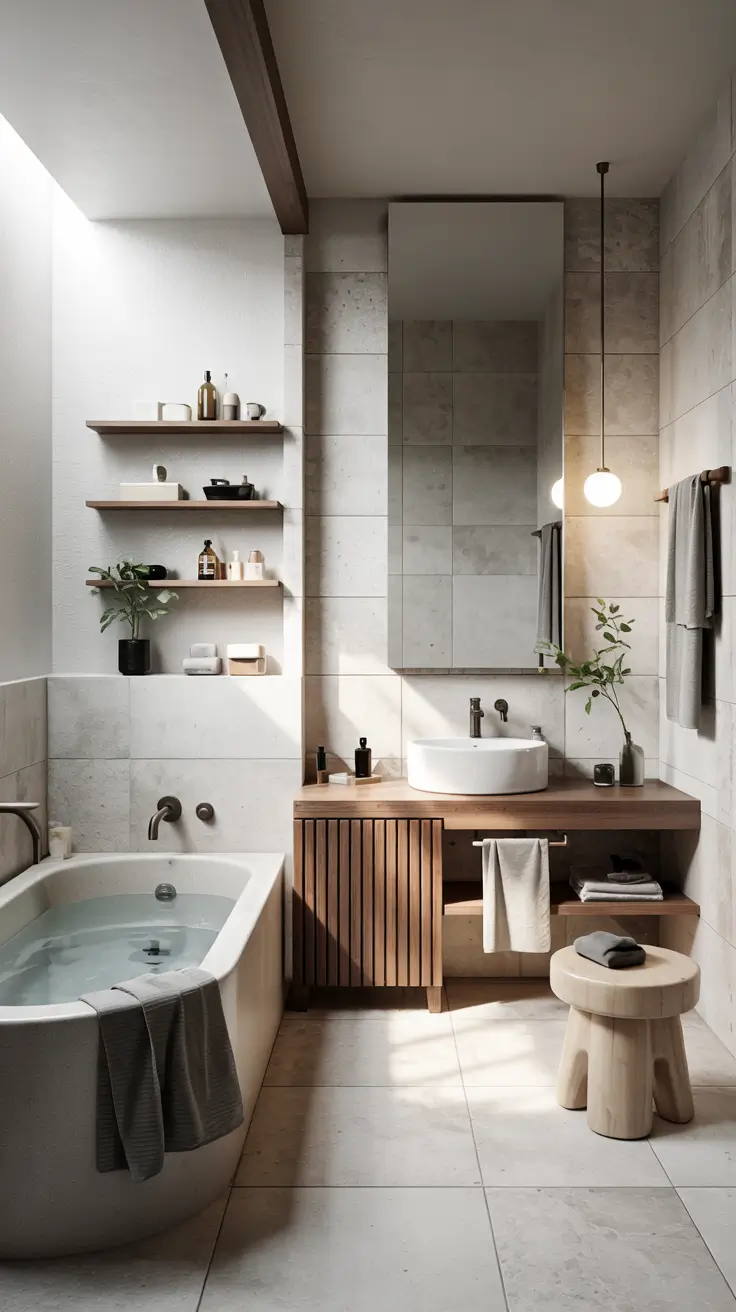
I usually begin with natural or natural-looking materials such as wood slats, stone-look tile, or smooth plaster finishes in muted tones. A deep soaking tub is an ideal feature when space allows, because it reflects the bathing ritual that makes Japanese bathroom design so distinctive. I also like adding a simple stool, a handheld shower, open shelving with carefully limited items, and soft linen towels for texture without excess. A wall-hung vanity with a vessel sink can work beautifully if the forms remain understated and the storage stays hidden. These elements support bathroom design ideas that feel timeless, minimalist, and restorative.
In my experience, this style looks best when it is not over-styled with obvious theme elements. Architectural Digest has highlighted how spa-like bathrooms benefit from tactile materials and a restrained palette, and I find that advice especially useful here. I try to keep every object purposeful, because too many accessories can quickly weaken the atmosphere of simplicity. What makes this design memorable is not abundance, but the feeling that every surface has been chosen with care. That balance is why Japanese ideas continue to shape modern bathroom design in a meaningful way.
What I would add to this section is a stronger sensory layer, because the atmosphere depends on more than visual design. I like to include dimmable warm lighting, a hinoki-inspired wood note if possible, and discreet storage that keeps counters nearly clear. Heated flooring can also support the feeling of comfort without changing the simplicity of the room. If there is enough space, separating the wet and dry zones improves both usability and authenticity. These additions make the bathroom design options more complete while preserving the calm essence of the style.
18. Modern Luxury Bathroom Design That Blends Comfort And Drama
Modern luxury bathroom design is most successful, in my view, when comfort and drama are balanced rather than pushed to extremes. In bathroom design luxury for 2026, I see a clear move toward statement materials, moodier contrast, and upscale details that still feel livable. A dramatic stone wall, rich metal accents, and sculptural lighting can make the room memorable, but the space still needs a practical plan underneath the visual impact. I always pay attention to circulation, sightlines, and zones for grooming, bathing, and storage. That is what turns an impressive room into a genuinely strong bathroom design layout.
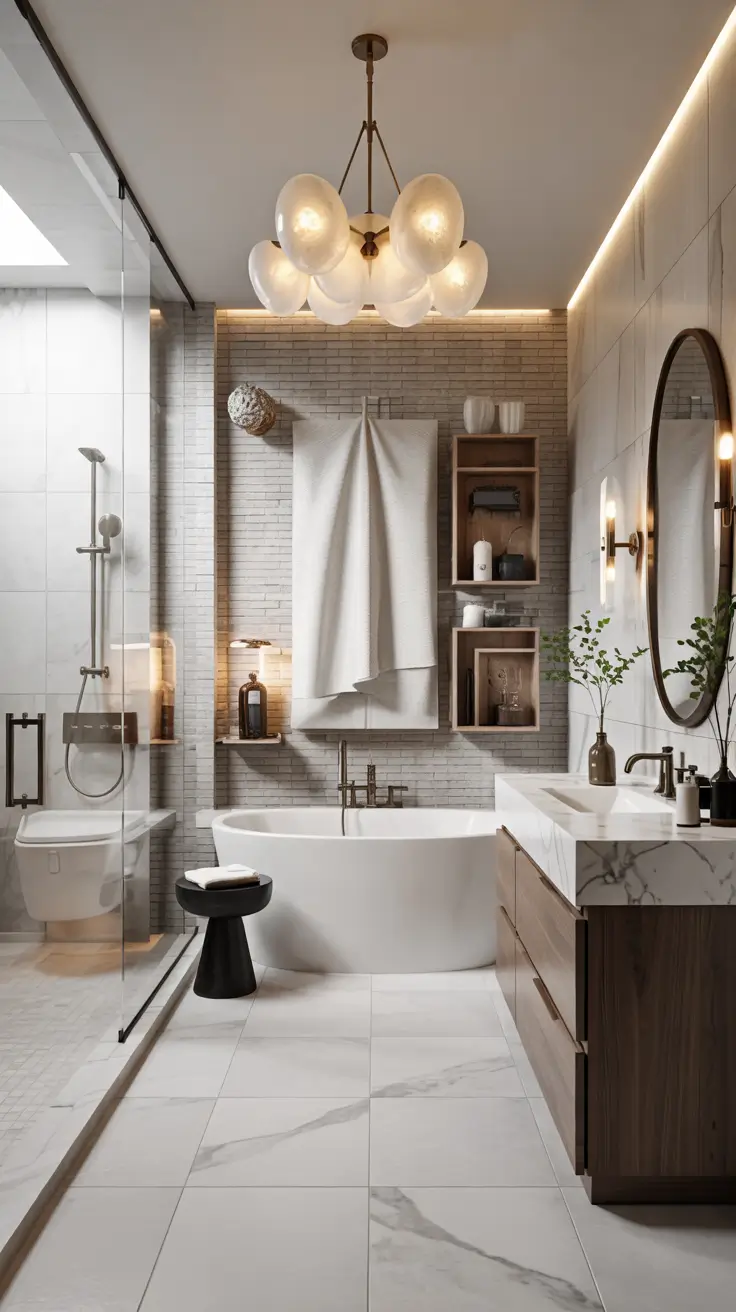
I often start this look with a statement vanity, either in dark wood, lacquer, or stone, depending on the tone of the home. Large mirrors, elegant sconces, a freestanding tub, and a generous walk-in shower usually form the core of the composition. I like to add details such as slab-look porcelain, brushed brass or bronze fittings, plush textiles, and concealed storage so the room feels refined instead of busy. A bench in the shower or near the tub can also introduce hotel-like comfort, which fits the modern luxury direction very well. These choices create bathroom design decor that feels layered, elevated, and highly intentional.
I have found that modern luxury works best when one or two strong focal points lead the room, rather than many competing gestures. House Beautiful frequently points out that luxury bathrooms now lean into comfort as much as glamour, and I think that reflects how people actually want to live. I agree with that shift because a bathroom should feel indulgent without becoming theatrical in a forced way. Good lighting on skin tones, quality hardware in hand, and easy-to-clean materials matter just as much as appearance. That is why the most successful bathroom design modern spaces feel both dramatic and deeply usable.
What I would add here is better acoustic softness and more concealed function, because those details often separate a nice room from a great one. I like to include soft-close drawers, textured towels, a discreet stool or ottoman, and hidden outlets for grooming tools. If space allows, I also recommend a separate water closet area to improve privacy and flow. Scent, sound, and storage are often missing from visual mood boards, yet they strongly affect how luxurious the room feels in real life. Including them makes the overall bathroom design interior much more complete.
19. Coastal Bathroom Design Ideas With Light Tones And Breezy Texture
Coastal bathroom design ideas continue to work well in 2026 because they create freshness without feeling overly themed when handled carefully. I approach this style through light tones, breezy texture, and an emphasis on softness rather than obvious nautical references. Pale sand, off-white, muted blue, driftwood, and soft green often create the best foundation for a relaxed but polished space. In bathroom design trends, this look remains popular because it brightens the room and encourages a casual sense of ease. It is one of the most versatile bathroom design options for both full-size and smaller spaces.
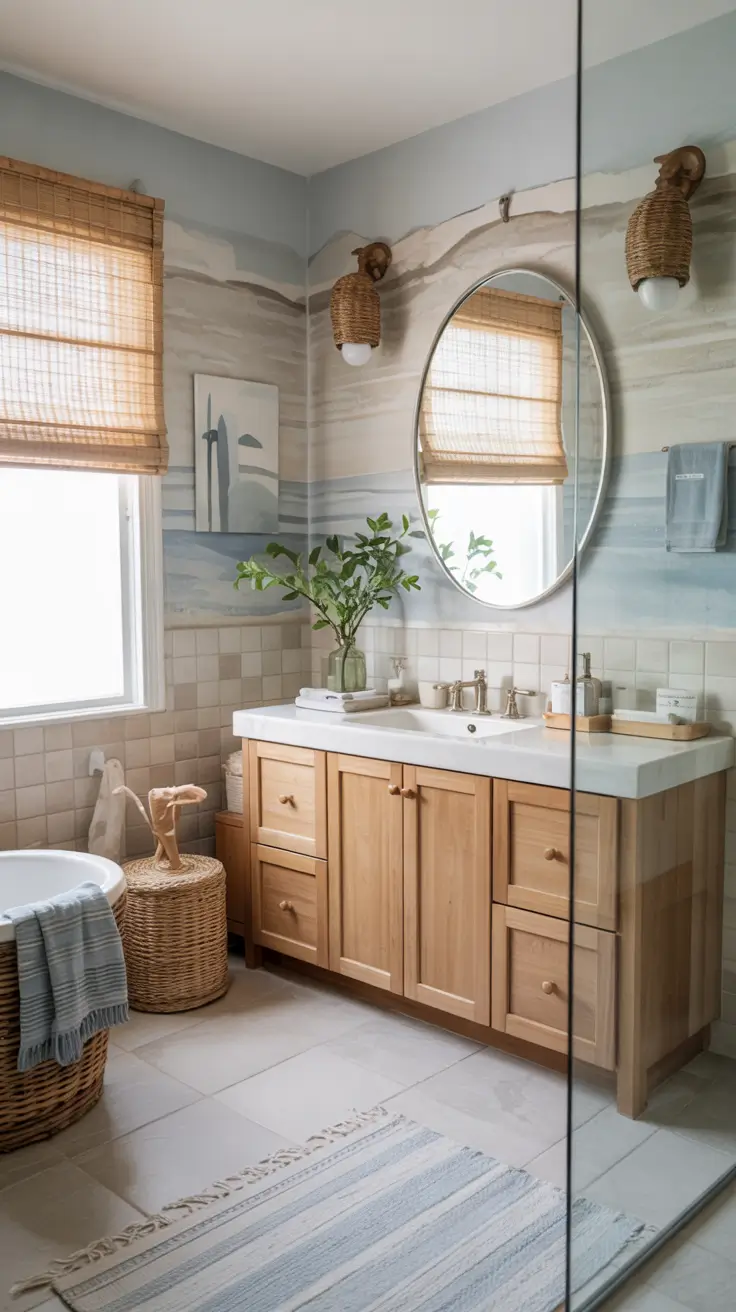
I usually begin with a light vanity finish, simple paneled cabinetry, and tile that reflects natural light rather than absorbing it. Woven accents, ribbed glass, brushed nickel or warm metal hardware, and airy window treatments help me add texture without heaviness. A round mirror, open shelf styling, and a shower niche with neatly edited products can support the look while keeping it functional. I also like using soft matte tile and subtle stripes in towels or rugs to reinforce the breezy feeling. These details make bathroom design decor feel relaxed, clean, and visually fresh.
From my point of view, coastal style is strongest when it stays sophisticated and restrained. Southern Living and other design-focused outlets have repeatedly shown that the best coastal interiors rely on texture, daylight, and natural materials rather than novelty accessories, and I agree with that approach. I have seen many bathrooms improve simply by removing overly literal beach motifs and replacing them with better materials and calmer colors. That change makes the room feel more timeless and much more elegant. A coastal bath should suggest ease, not turn into a themed set.
What I would add to this section is stronger attention to moisture-resistant materials and layered lighting, because airy style still needs practical performance. I like to use paint finishes suited to humidity, durable woven-look materials, and porcelain tile that can handle daily wear. Good sconces at the mirror and soft overhead light keep the room inviting even when daylight is limited. A simple natural branch, ceramic vessel, or lightly textured artwork can also enrich the room without cluttering it. These additions help the bathroom design interior feel finished and dependable.
20. Primary Bathroom Design Ideas For A Personal Spa Experience
Primary bathroom design ideas in 2026 are increasingly centered on creating a personal spa experience at home. When I design a primary bath, I want the room to support slow routines, physical comfort, and a sense of privacy that feels separate from the rest of the house. This usually means generous circulation, calm materials, and a layout that allows more than one function to happen at the same time. A strong bathroom design layout in a primary suite gives equal attention to beauty, storage, and ease of movement. That is what helps the room feel restorative instead of merely large.
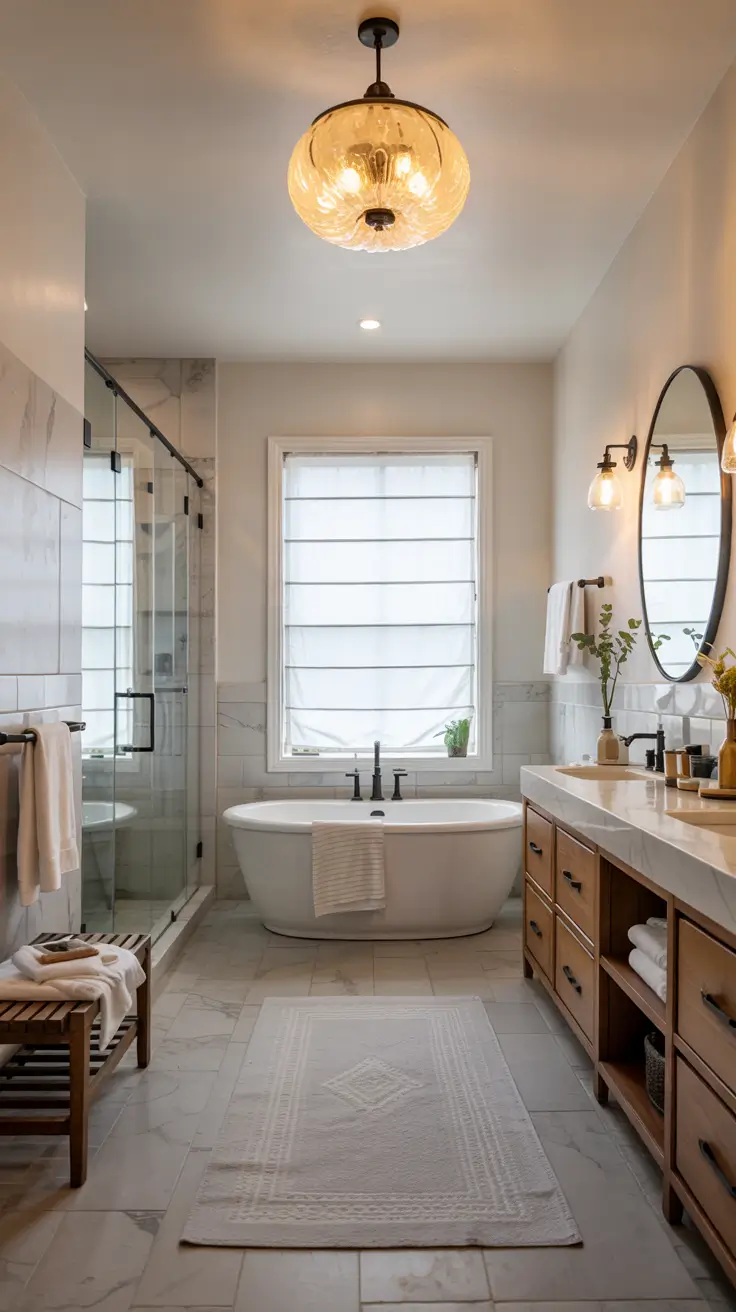
I often organize a primary bathroom around a spacious vanity zone, a walk-in shower, and a tub placement that feels intentional rather than leftover. Dual sinks can be useful when the spacing is generous, and I prefer drawers, tower storage, or recessed cabinets over cluttered countertops. I also like to include a bench, warm lighting, a large mirror, layered textiles, and finishes that feel tactile but not demanding to maintain. In more refined schemes, heated floors, steam capability, and a dedicated makeup or grooming area can elevate the experience even further. These are the kinds of bathroom design ideas that make everyday routines feel calmer and more comfortable.
In my experience, the best primary bathrooms are the ones that treat comfort as a serious design principle. Elle Decor has featured spa-inspired bathrooms that prioritize texture, light, and proportion, and I think that advice is especially valuable for primary suites. I have learned that scale matters here, because oversized features can easily make the room feel empty instead of luxurious if they are not balanced well. I prefer to create intimacy through warm finishes, softened edges, and thoughtful layering rather than relying only on square footage. That is what makes modern luxury feel personal rather than generic.
What I would add to this section is a stronger plan for privacy, wellness, and daily organization. I recommend separating the toilet area when possible, building in closed storage for visual calm, and considering how towels, robes, and products will actually be accessed. A niche near the tub, a discreet stool, and a dedicated place for baskets or laundry can improve the room more than many decorative extras. I also like to think about how the room feels at night, which is why dimmable lighting is so important in a spa-focused design. These finishing layers bring the bathroom design inspiration into real daily life.
21. Public Bathroom Design Concepts That Balance Style And Durability
When I think about public bathroom design in 2026, I focus on finishes and layouts that can handle constant use without looking cold or institutional. I see more designers combining durable porcelain slabs, textured wall tile, matte metal fixtures, and easy-clean grout tones to create a space that feels intentional from the first glance. This approach works well because it supports hygiene, reduces visual clutter, and gives the room a calm identity instead of making it feel purely utilitarian. In my view, the strongest public concepts use a bathroom design layout that separates traffic flow from private functions, especially around sinks, mirrors, and toilet areas. That planning makes the room easier to maintain and more comfortable for visitors during busy hours. It is one of the clearest examples of how bathroom design ideas modern can serve both style and real performance.
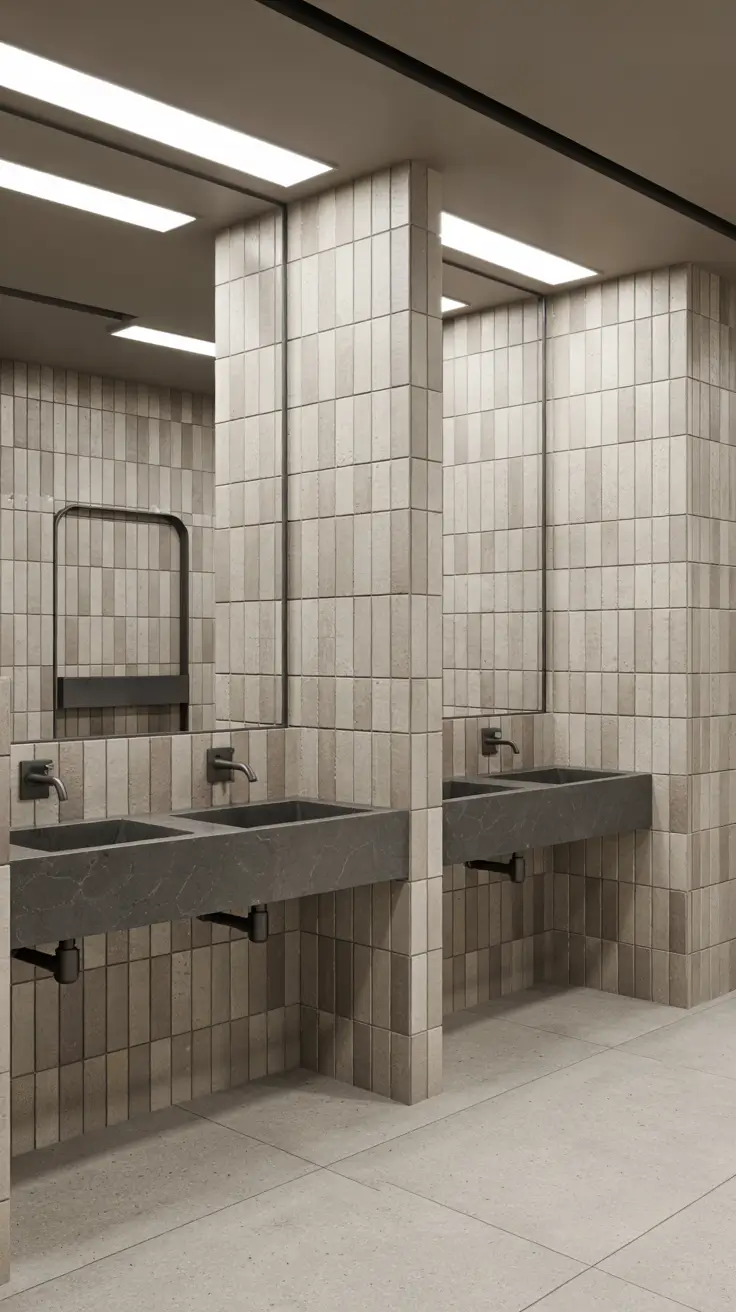
For furniture and design details, I would include wall-mounted vanities, integrated solid-surface sinks, full-height partitions, anti-slip flooring, and large-format mirror panels with protected lighting. I prefer wall-mounted elements because they expose more floor area, which makes cleaning easier and visually lightens the room at the same time. Durable quartz or compact laminate counters are worth including because they resist moisture, staining, and heavy daily contact better than many decorative alternatives. I also find that recessed dispensers, concealed waste bins, and sensor-operated faucets improve the user experience while helping the design stay neat. A neutral palette with warm gray, sand, charcoal, or muted green keeps the room modern without making wear too visible. In a public setting, that balance between appearance and endurance is far more valuable than adding fragile details that will age too fast.
From my perspective, the best public bathroom design interior is the one that people barely need to think about because it works so smoothly. I often return to advice shared by design publications such as Architectural Digest and Dezeen, which consistently highlight the value of honest materials, good lighting, and uncluttered forms in high-traffic interiors. I agree with that approach because public rooms benefit from visual restraint much more than from trend-heavy decoration. When I review successful hotel or restaurant restrooms, I notice that the most elegant spaces are not overloaded with decor – they rely on proportion, texture, and dependable materials. That is also why bathroom design inspiration for public spaces now leans toward timeless modern lines instead of short-lived novelty. In my experience, durability becomes a form of luxury when it is paired with comfort and thoughtful detailing.
To complete this kind of section in a real project, I would add stronger attention to accessibility, acoustics, and maintenance planning. I would specify where grab-friendly clearances should be considered, how door swings affect circulation, and which surfaces are easiest for staff to clean quickly. I also think public bathrooms benefit from layered lighting that avoids harsh shadows at mirrors and keeps the room feeling safe at any time of day. Another detail I would add is a ventilation strategy that protects materials and preserves a fresh atmosphere without drawing attention to itself. Good signage and discreet privacy solutions should also be part of the concept, especially when the room serves varied age groups. In my opinion, these practical additions are what turn a stylish public bathroom into a genuinely successful one.
22. Outdoor Bathroom Design Ideas For A Resort Inspired Atmosphere
An outdoor bathroom can become one of the most memorable bathroom design ideas in 2026 because it connects comfort with landscape in a way indoor spaces cannot fully replicate. When I design or evaluate this style, I look for a resort-inspired atmosphere built around privacy, airflow, and natural materials rather than excessive decoration. Stone surfaces, slatted wood screens, textured concrete, and planted borders help the space feel grounded and calm while still supporting daily use. I find that outdoor bathrooms work best when they are sheltered enough to feel secure but open enough to bring in sunlight, sky, and movement from the garden. This balance is especially effective for a primary suite, a pool house, or a hospitality setting that wants a relaxed luxury identity. It is one of the most distinctive bathroom design trends because it turns routine into an experience.
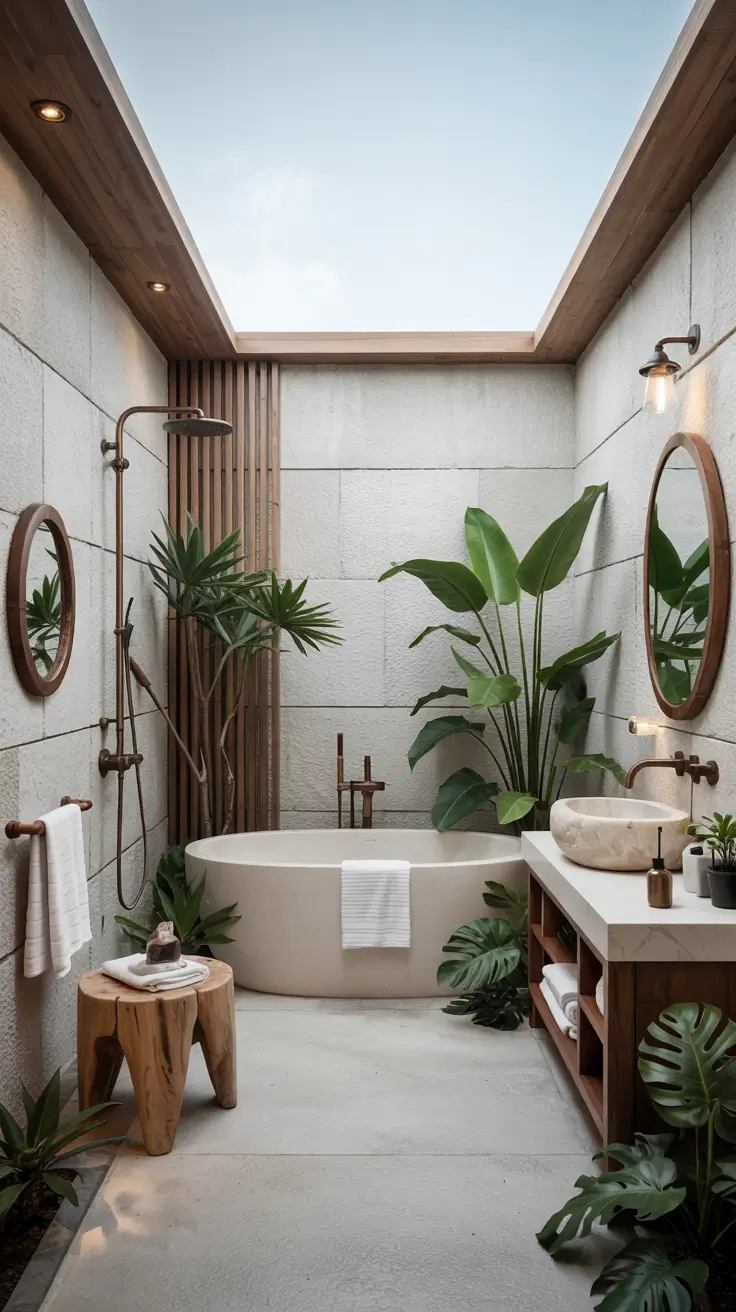
In terms of furniture and design features, I would include a freestanding tub, a rainfall shower with proper drainage, a floating vanity, weather-resistant storage, and soft ambient lighting that can handle moisture exposure. I also like to use natural stone basins, teak stools, large planters, and a bench that gives the room the quiet comfort of a spa or hotel retreat. These pieces matter because an outdoor bathroom needs visual weight and practical support at the same time. A vanity with closed storage keeps towels and essentials protected, while a stone or porcelain floor with grip makes the room safer when wet. I would also add layered privacy with planting, screens, and wall placement instead of relying only on one barrier. That creates a more refined and livable outdoor bathroom design decor scheme.
I personally think outdoor bathrooms succeed when they avoid becoming theatrical and instead feel composed, restful, and believable. Many respected hospitality projects featured in publications such as Elle Decor and House Beautiful show that modern luxury comes from restrained texture, natural finishes, and strong indoor-outdoor transitions. I agree with that completely because the most elegant outdoor rooms never fight with the landscape. They work with the climate, the light, and the architecture of the house. In my own design judgment, a resort atmosphere is not about adding more objects – it is about choosing fewer elements with better placement and better material quality. That is what makes this idea one of the most exciting bathroom design options for 2026.
What I would add to strengthen this concept is a more detailed discussion of weather exposure, drainage, and long-term material care. I would identify which woods need sealing, which metals hold up best in humid air, and how to protect nearby walls from constant splash and sun. I would also include practical details such as slip-resistant pathways, robe hooks in sheltered spots, and hidden lighting around steps or level changes. If the bathroom is near a pool or sauna, I would plan a transition area so wet traffic does not move directly into dry storage zones. A partially covered roof or pergola can also improve comfort during different seasons without taking away the open feeling. In my opinion, these additions are what make an outdoor bathroom feel truly resort-like instead of simply exposed.
23. Bathroom Toilet And Vanity Layout Ideas For Better Everyday Use
A strong bathroom toilet and vanity layout is one of the most useful parts of bathroom design 2026 because it shapes how the room functions every single day. When I evaluate a layout, I start with movement, clearances, and sightlines before I think about decorative finishes. A vanity should feel easy to access, the toilet should have enough privacy, and the circulation path should stay clear even in a small space. In many homes, layout problems create more frustration than material choices ever do, which is why I consider planning to be the foundation of bathroom design interior. Whether the room is tiny, small modern, or part of a larger primary suite, the placement of these core elements determines comfort. Good bathroom design layout decisions can make a modest room feel much more efficient and visually balanced.
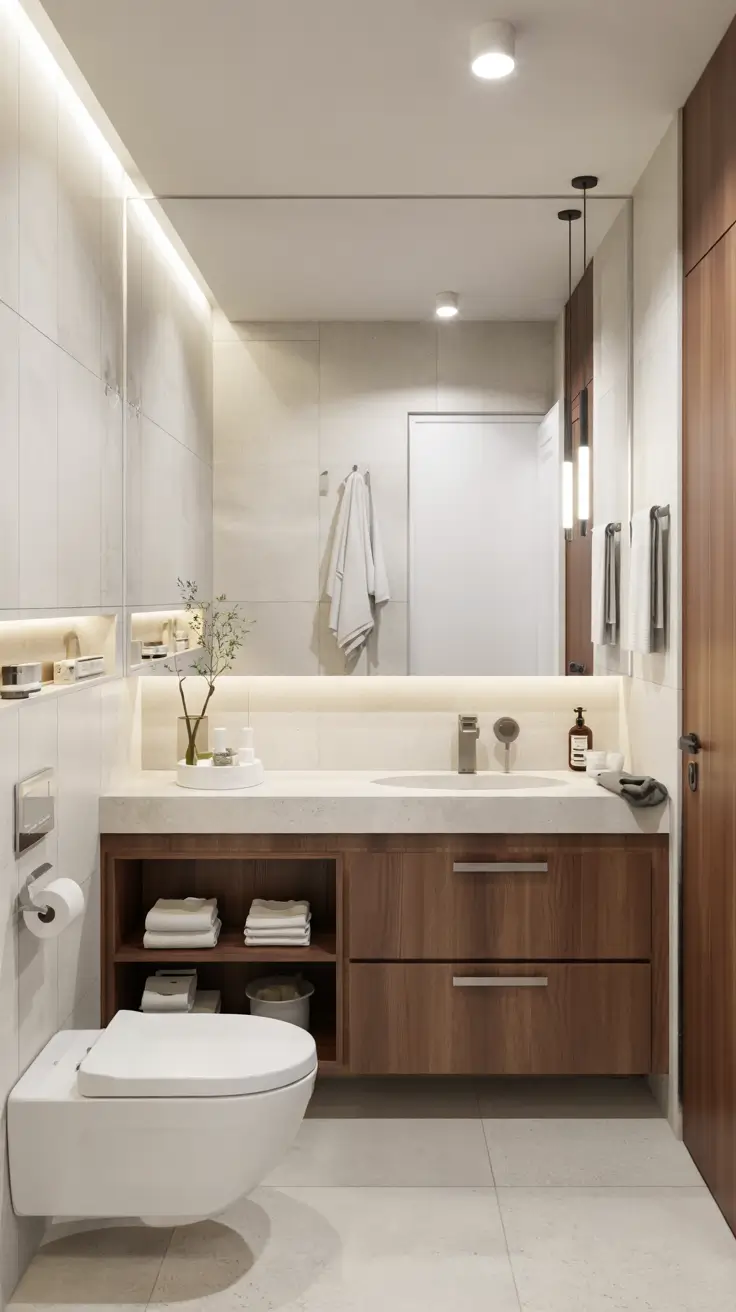
For the actual arrangement, I often recommend a floating vanity with drawers, a back-to-wall toilet, a mirrored medicine cabinet, and lighting positioned from the sides or integrated into the mirror. A floating vanity is especially helpful because it gives the room more visual space and creates a cleaner line across the wall. Drawers are more useful than deep cabinets in most cases because they keep daily products organized and reduce wasted storage depth. If space allows, I like to separate the toilet slightly with a half wall, a change in tile zone, or a recessed nook so the room feels more considered without becoming cramped. A wide vanity top also improves everyday use because it offers enough landing space for hand soap, trays, and personal items without becoming cluttered. These details may seem simple, but together they shape some of the most practical bathroom design ideas modern homeowners can adopt.
In my experience, the best layouts are rarely the most complicated ones. I usually find that simplicity wins when it is supported by accurate measurements and realistic daily habits. Designers and renovation experts often stress that proportions and circulation matter more than decorative layering, and I think that advice is especially true in bathrooms. I have seen compact rooms feel elegant and even luxurious because the vanity was scaled correctly and the toilet was placed with proper breathing room. I have also seen larger bathrooms feel awkward because too much floor area was left undefined. For me, a good layout is one of the clearest forms of bathroom design inspiration because it improves the room before a single accessory is added.
To make this section more complete, I would add notes about outlet placement, mirror height, drawer configuration, and cleaning access around the toilet base and vanity sides. I would also mention how double vanities should only be used when there is enough width to keep each user comfortable, not simply because the room is labeled as a primary bathroom. In small space planning, I would recommend testing door swings and drawer openings so nothing collides during real use. Another important addition would be layered storage, such as shallow wall niches or tall side cabinets, for rooms that need more capacity without sacrificing openness. I would also account for lighting temperature and shadow control because grooming tasks depend on them more than many people realize. In my opinion, those final adjustments are what transform a decent layout into a highly functional one.
24. Sauna Bathroom Design Inspiration For A Wellness Focused Retreat
Sauna bathroom design is becoming one of the most appealing bathroom design trends for 2026 because it combines wellness, routine, and atmosphere in one highly intentional space. When I imagine this type of retreat, I do not think of excess – I think of warmth, quiet materials, soft lighting, and a layout that supports recovery and calm. The connection between sauna, shower, vanity, and rest area should feel seamless so the room works as one experience instead of separate functions placed side by side. I find that natural wood, stone, and muted surfaces are especially effective here because they make the room feel restorative without sacrificing a modern identity. This direction also connects well with Japandi, Japanese, minimalist, and modern luxury styles that value simplicity and sensory comfort. For anyone exploring bathroom design luxury with a practical purpose, this is one of the strongest concepts available.
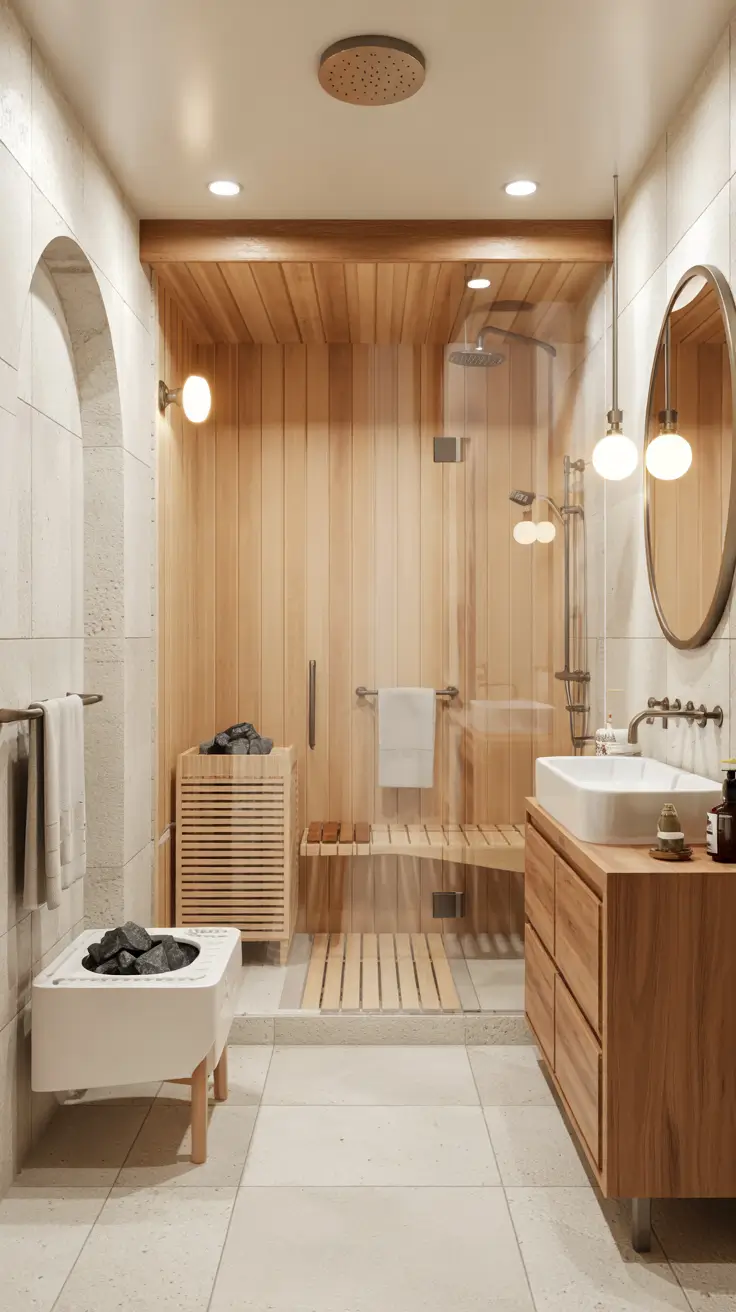
To furnish a wellness-focused retreat, I would include a compact sauna or infrared cabin, a walk-in shower with bench, a floating vanity, towel storage, dimmable sconces, and a quiet place to sit between heat and rinse routines. I would also choose heat-tolerant woods, textured stone or porcelain, brushed metal fixtures, and simple accessories such as wooden trays, robe hooks, and ceramic containers. These elements matter because the room needs to support rhythm, not just appearance. A bench or stool is useful for cooling down, storing folded towels, or simply slowing the pace of the room. I would also make sure the shower area has enough room and proper drainage so it feels integrated rather than secondary. In my opinion, this combination creates a bathroom design decor scheme that feels restorative, modern, and grounded.
Personally, I think wellness spaces are most successful when they are edited carefully and allowed to feel quiet. I often notice that design media and spa-focused residential projects favor restraint for a reason – people relax more easily when the room is not visually noisy. That matches my own experience in seeing how a pared-back palette, warm wood, and low-glare lighting can change the emotional tone of a bathroom completely. I do not believe a sauna bathroom needs to be large to feel special, but it does need clear priorities and honest material choices. When those decisions are made well, even a compact room can feel elevated and deeply personal. That is why I see sauna design as a serious source of bathroom design inspiration rather than a passing trend.
If I were refining this section further, I would add more guidance on ventilation, moisture separation, and the safest materials around heat and steam exposure. I would also specify where insulated glazing, sealed lighting, and easy-clean wall finishes should be considered if the room is used frequently. Another useful addition would be a hydration station or a small shelf area for water, oils, or wellness accessories, especially in a primary retreat. I would also include robe storage and an easy transition to cooler flooring outside the sauna zone to improve comfort. Where space permits, a view to a garden or a frosted window can make the experience feel more restorative without reducing privacy. In my view, these additions help a sauna bathroom move from attractive concept to genuinely effective daily retreat.
25. Timeless Bathroom Design Styles That Stay Beautiful Beyond Trends
Timeless bathroom design styles remain essential in 2026 because many people want a room that feels current now without becoming dated too quickly. When I define timeless style, I think about proportion, material quality, and visual calm rather than one specific look. A timeless bathroom can be classic, minimalist, Japandi, midcentury, coastal, or elegant, but it needs strong fundamentals that hold up year after year. I usually see this success in spaces that combine clean architectural lines, limited but rich materials, and a bathroom design layout that is easy to live with. These rooms do not depend on trend-driven color moments to stay relevant. Instead, they build their beauty through consistency, balance, and details that support everyday use.
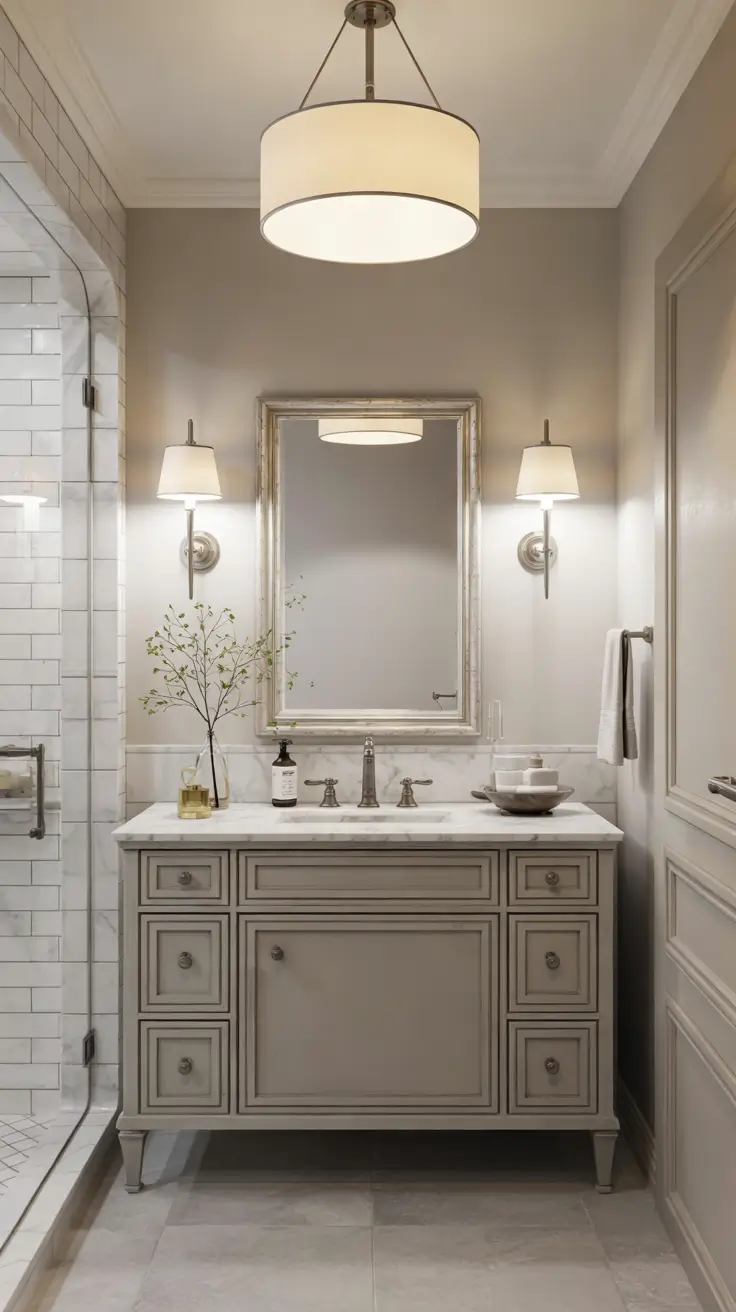
For finishes and furniture, I would choose a well-scaled vanity, quality hardware, layered lighting, stone or porcelain surfaces, and storage that is integrated rather than visually heavy. Timeless rooms often benefit from classic colors such as warm white, soft taupe, muted green, stone gray, and natural wood because those tones adapt easily over time. I also think terrazzo, ribbed glass, brushed nickel, unlacquered brass, and simple framed mirrors can work well when they are used with restraint. A timeless bathroom design modern approach does not mean avoiding character – it means choosing details that will still look intentional after trends shift. That is why I would avoid filling the room with too many statement pieces at once. In my experience, the best bathroom design options are the ones that leave room for small updates without needing a complete redesign.
I personally return to timeless design again and again because it protects both comfort and visual longevity. Many respected interior publications emphasize that classic materials and coherent palettes outlast fast trend cycles, and I think that advice is especially valuable in bathrooms where renovations are not minor undertakings. I have seen rustic, classic, and modern luxury bathrooms all age well when their materials were chosen carefully and their proportions were right. I have also seen highly trendy rooms lose their appeal surprisingly fast because they were built around novelty instead of function. For me, timelessness is not boring – it is a sign that the design has enough discipline to remain beautiful. That is one of the most reliable forms of bathroom design inspiration for anyone planning a lasting renovation.
To deepen this concept, I would add a more explicit comparison between timeless finishes and trend-led accents so readers can see where flexibility matters most. I would explain that wall color, textiles, and small decor are easier to refresh, while tile, vanity shape, and plumbing fixtures should be chosen with a longer view. I would also add suggestions for mixing eras carefully, such as pairing a classic vanity profile with modern lighting or combining minimalist tile with warmer traditional hardware. Another useful addition would be advice on selecting one anchor material and repeating it throughout the room for greater cohesion. I would also remind readers that timeless design is not the same as plain design – it still needs texture, warmth, and personality. In my opinion, that distinction helps people build bathrooms that feel both current and enduring.