Renovating a child’s room in 2026 is more exciting than ever, and many parents are searching for fresh kids room renovation ideas that balance style, functionality, and long-term value. With so many design trends evolving, how do you choose the right solutions for a modern family? And how can you integrate practicality while still capturing imagination? Throughout this article, I’ll walk you through the most relevant approaches to room renovation kids projects, offering professional insight and real-life design strategies that work.
In the sections below, I’ll highlight what designers across the United States are applying right now, from innovative space planning to eco-focused upgrades. Whether you’re updating a traditional bedroom, tackling an attic renovation kids room, or exploring ideas inspired by brands like 3 birds renovations kids room and three birds renovation kids room, the following trends will guide you toward creating a space that feels both modern and timeless.
Let’s explore what truly defines kids’ room renovation trends for 2026, why certain layouts function better than others, and how thoughtful design choices can transform even the smallest room into a beautifully crafted environment that grows with your child.
1. Modern Concepts for Inspired Spaces
In 2026, I’ve noticed that kids’ rooms are becoming more immersive and emotionally supportive, adopting concepts that work not just aesthetically but psychologically. When approaching kids room renovation ideas, I start by analyzing how natural light flows, how the child moves through the room, and how to incorporate sensory-friendly features. Soft curves, layered lighting, and calm yet playful color palettes are essential elements that bring inspiration into a child’s daily environment. This modern approach encourages creativity while maintaining the structure needed for rest, play, and learning.
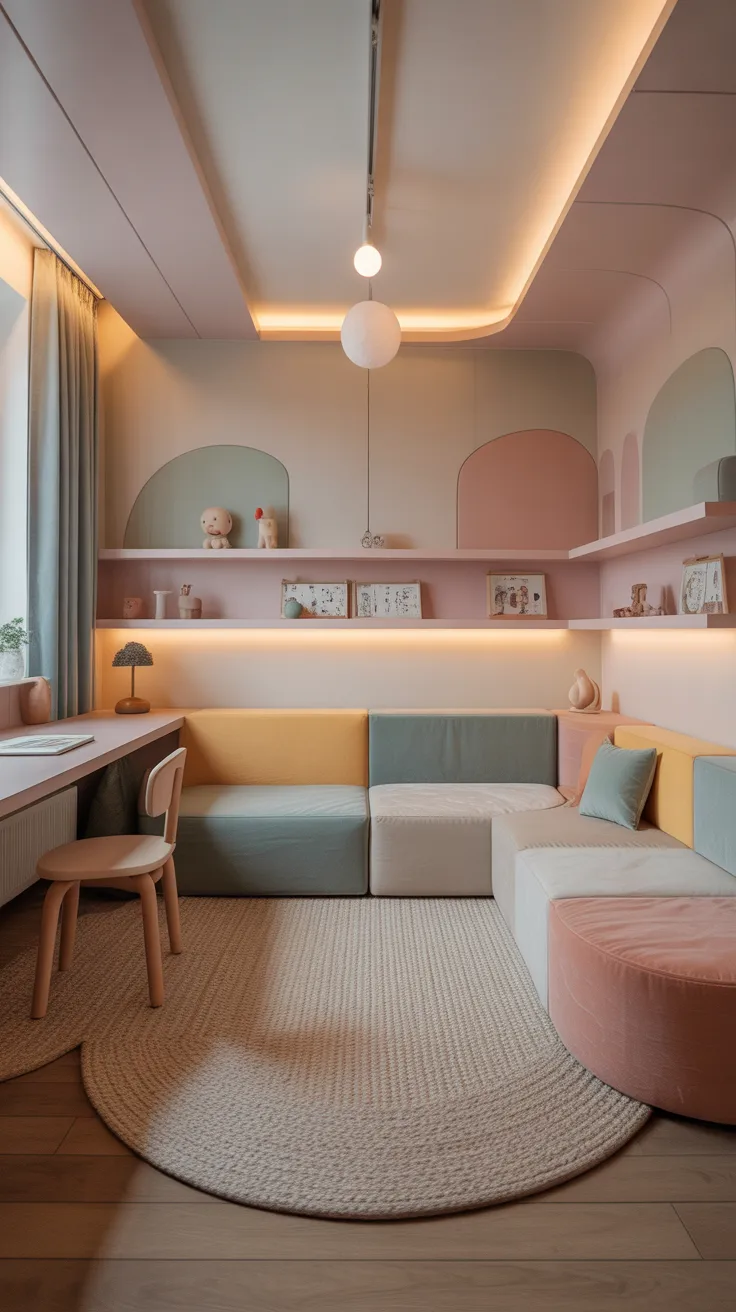
For furniture and decor, I tend to incorporate rounded-edge desks, low shelving for independence, and modular seating that encourages both reading and social interaction. Each design element plays a role: layered rugs define zones, statement ceiling fixtures provide atmosphere, and wall-mounted organizers reduce clutter. When explaining these choices to parents, I emphasize that every piece should contribute either to safety, creativity, or comfort.
From my personal experience working with family-oriented interiors, these modern concepts help children thrive. As design experts like Emily Henderson frequently highlight, the key to a successful modern kids’ room is blending visual softness with versatile functionality. I agree completely and often apply this principle when creating spaces that evolve naturally as children grow.
Before completing this section, I’d add a reminder that tech integration—such as adjustable lighting or smart storage—is becoming highly relevant and deserves attention during planning.
2. Smart Space Planning For Every Kids Room Renovation
When I begin planning a room renovation kids project, I focus heavily on zoning the space. Smart space planning in 2026 isn’t about squeezing in more furniture; it’s about defining purposeful areas: a sleep zone, study zone, play zone, and organization zone. Even in compact rooms, this approach creates structure and reduces overstimulation. I often use partial dividers, canopy frames, or floor pattern shifts to define boundaries without closing off the room.
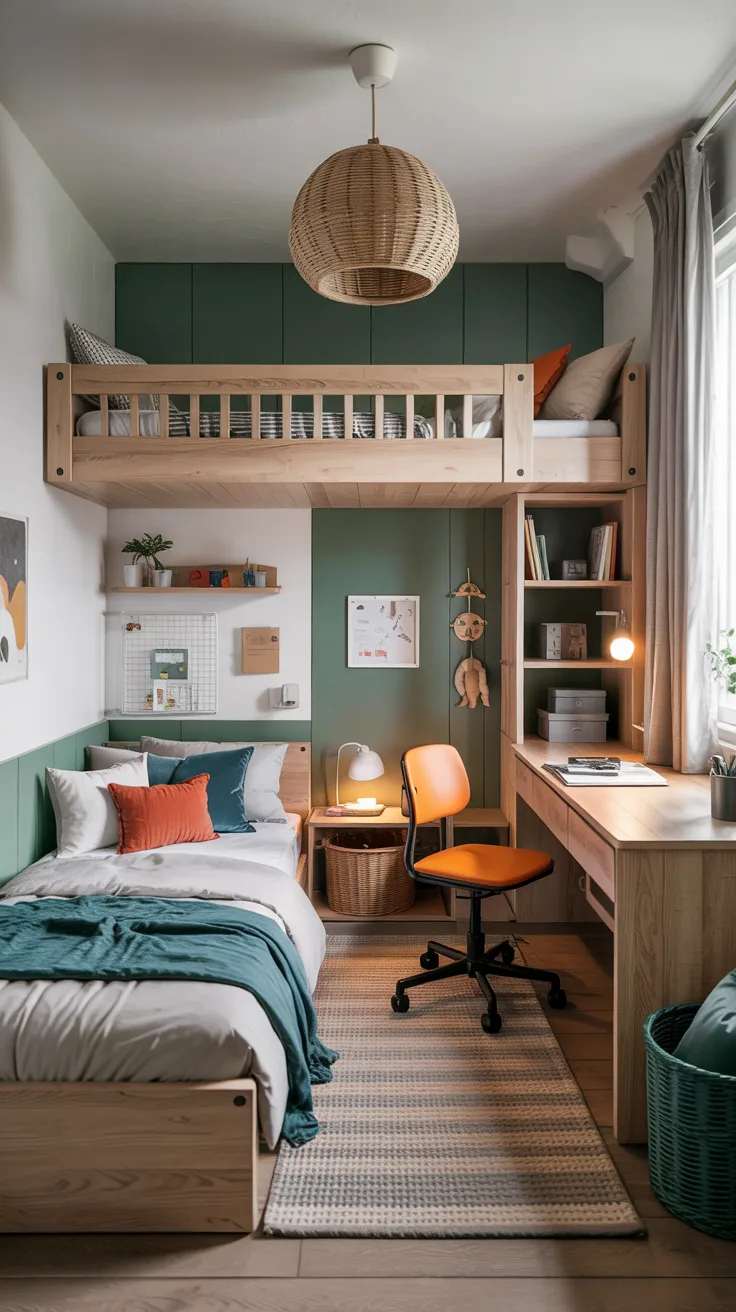
Each item serves a functional purpose, from loft beds that free space beneath them to wall-mounted desks that encourage ergonomic posture without taking up floor area. I also prioritize storage that grows with the child—deep drawers for toys, adjustable shelves for books, and labeled bins that encourage responsibility. In my designs, I’m careful to choose versatile pieces, such as benches with built-in storage or foldable tables for creative projects.
Professionally, I’ve seen how well-zoned rooms improve children’s focus and emotional well-being. Advisors from Architectural Digest also stress that proper circulation and intentional layout drastically impact a room’s usefulness. I fully agree and often guide parents toward flexible furniture that can adapt to changing needs.
3. Color Trends Transforming Kids Rooms in 2026
Color direction for 2026 is shifting toward earthy pastels, muted neons, and natural tones that ground the environment while supporting self-expression. In my kids room renovation ideas, I lean toward colors like sage green, terracotta blush, muted sunflower, and lavender dusk. These shades work beautifully in spaces meant for learning, resting, and imaginative play. Soft gradients or two-tone walls are also a strong trend this year.
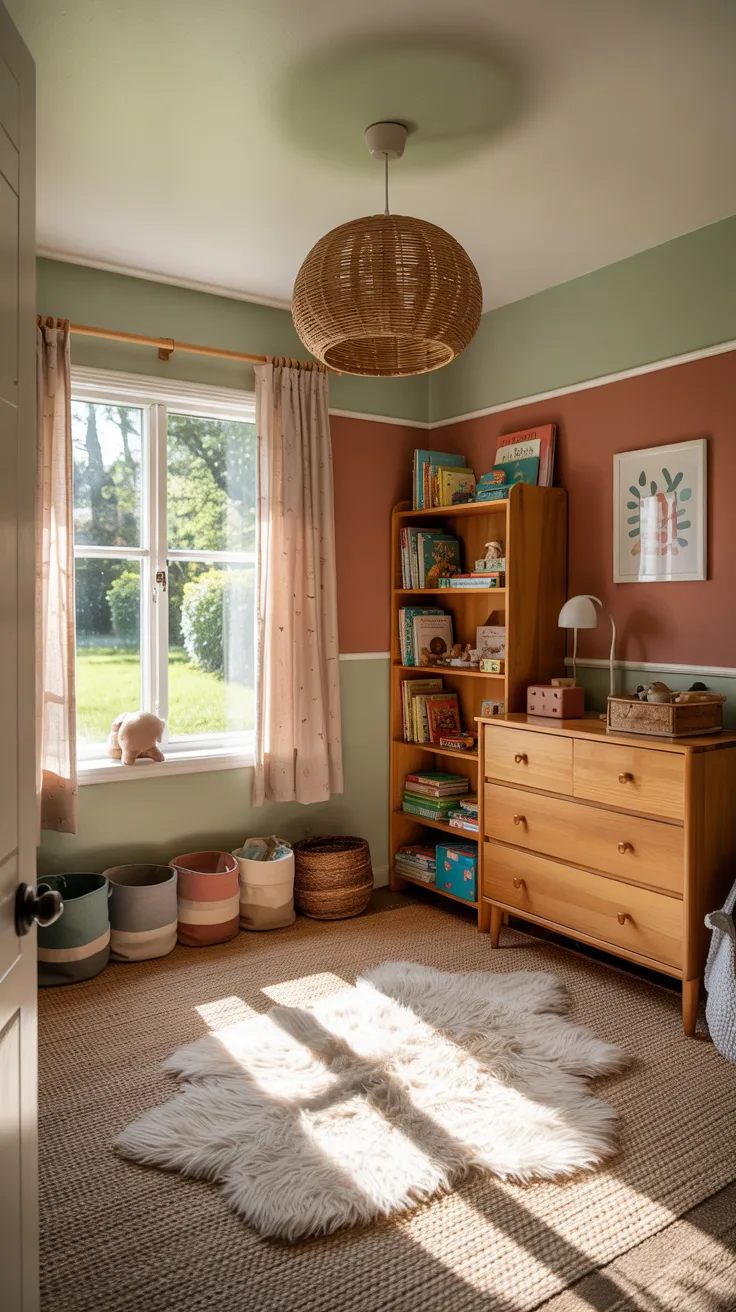
For furniture and décor, wood finishes in honey or ash tones pair well with these colors, bringing warmth and cohesion. I often complement the palette with woven textures, warm-hued pendant lights, and soft fabric bins. When applying accent colors, I do so sparingly—choosing pillows, artwork, or a single feature wall. This prevents overstimulation while still making the room visually engaging.
In my experience, color psychology truly matters. HGTV designers frequently highlight that children respond best to balanced palettes that are neither overly stimulating nor dull. Using these 2026-approved colors can help achieve a sense of calmness and creativity. I’d also add that experimenting with textured paint, such as limewash, could further enhance depth and interest.
4. Eco-Friendly Materials for a Healthier Kids Space
Parents are increasingly concerned about air quality and material sustainability, so eco-conscious choices play a major role in 2026 renovations. When planning a three birds renovation kids room–inspired project, I emphasize low-VOC paints, natural fiber rugs, recycled wood furniture, and organic cotton bedding. These materials aren’t just trendy—they genuinely improve the child’s environment by reducing allergens and toxins.
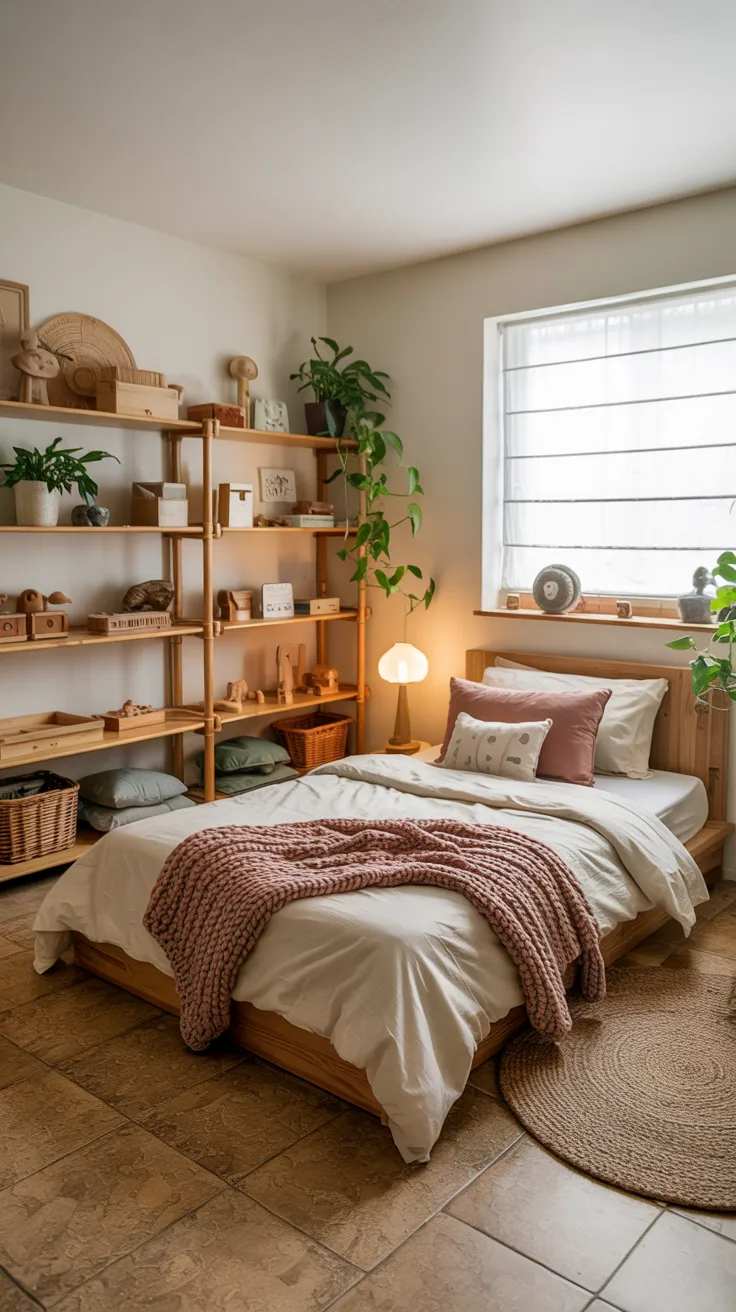
I like selecting bamboo shelving, cork flooring, wool blankets, and water-based finishes. Each element contributes to a healthier space while maintaining durability. Eco-friendly furniture is often modular and long-lasting, which fits perfectly into a child’s evolving lifestyle. Even small swaps—like replacing plastic bins with woven baskets—significantly enhance sustainability.
Design professionals such as Nate Berkus often note that investing in natural materials pays off long-term due to their resilience and timeless appearance. Based on my own work, eco-conscious rooms also create a sense of peace that synthetic-heavy environments often lack. For completeness, I’d suggest adding an air-purifying plant, like a snake plant, to elevate health benefits even further.
5. Multi-Functional Furniture for Growing Kids
One of the smartest investments in any children’s room renovation is multi-functional furniture. As part of my room renovation kids projects, I frequently select pieces that adapt to stages of growth. Convertible beds, expanding desks, and modular shelving systems are perfect examples. These reduce future renovation needs and ensure the room remains useful for years.
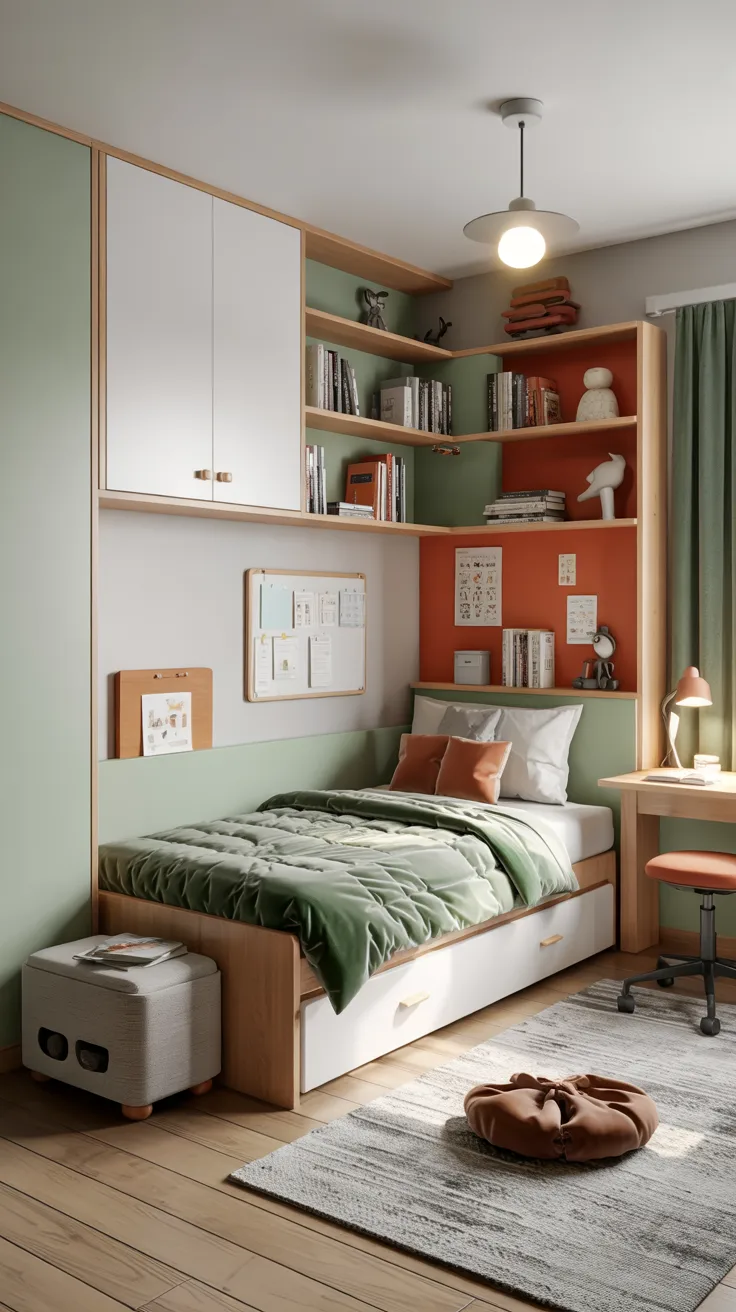
Every piece is selected with intention. Loft beds free up floor space, trundle beds accommodate sleepovers, and cube storage acts as both display and organization. I also use adjustable chairs and height-adaptive desks to promote comfort and healthy posture. Multipurpose seating—such as ottomans with inner compartments—adds practicality without sacrificing style.
From experience, I’ve seen that multi-functional layouts reduce clutter and encourage kids to use their space more efficiently. Designers at Apartment Therapy often recommend investing in furniture that grows rather than replacing pieces every couple of years. I fully agree, and I advise parents to prioritize quality over quantity.
6. Creative Storage Solutions for Kid-Friendly Organization
A well-organized room supports learning, creativity, and emotional regulation, which is why creative storage is essential in modern kids room renovation ideas. I design storage systems based on accessibility—placing everyday items low and sentimental items higher. Open shelving helps children engage independently, while enclosed cabinets conceal clutter and maintain visual calmness.
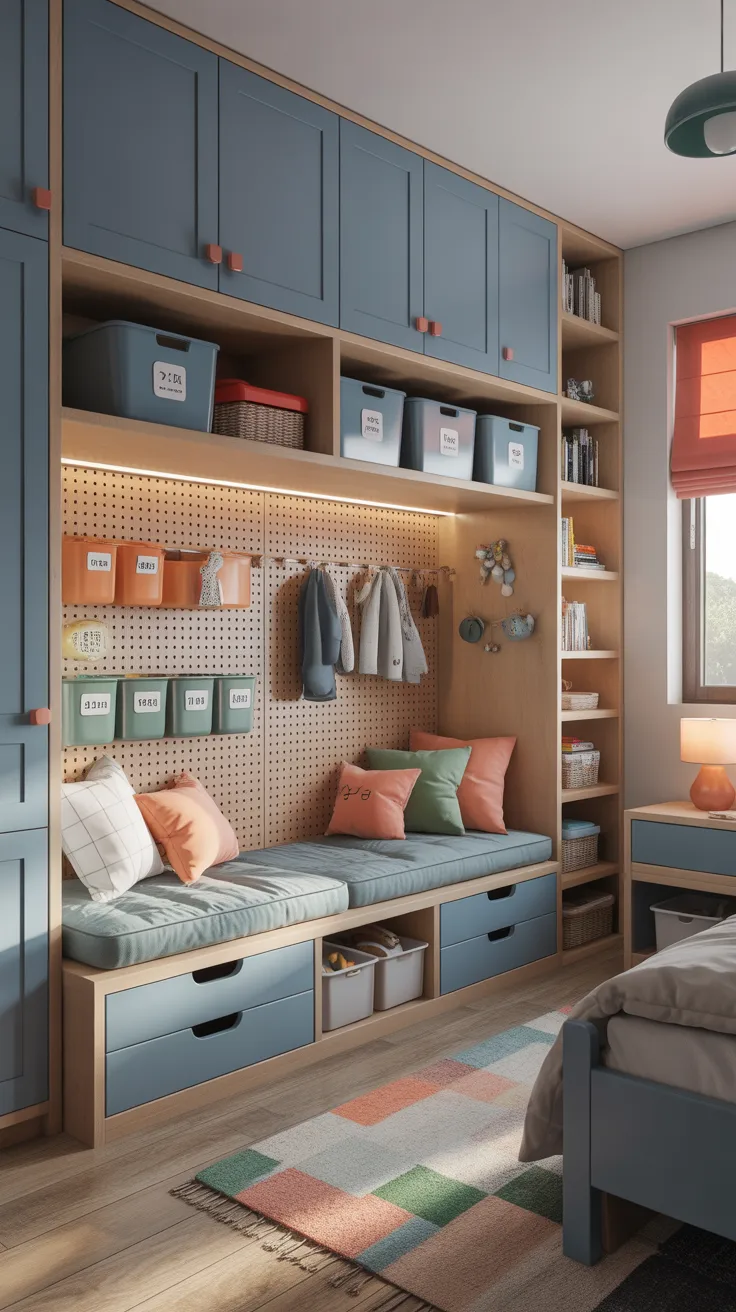
I integrate built-in benches, under-bed drawers, wall organizers, and labeled containers to simplify daily routines. Pegboards have become a favorite of mine because they allow for adjustable storage as hobbies change. Decorative baskets, mounted mesh racks, and bed-end trunks also serve functional and aesthetic purposes. Each system supports organization without overwhelming the space.
Professionally, I’ve seen how organization transforms behavior. Experts from Real Simple magazine often highlight that children thrive in structured environments where items have designated places. I’ve witnessed this firsthand in nearly every redesign. I’d also add that incorporating playful elements—like color-coded bins—makes organizing fun rather than a chore.
7. Personalized Design Themes That Spark Imagination
In 2026, personalization is the heart of every successful kids’ room makeover. When planning themes for an attic renovation kids room or even whimsical styles inspired by 3 birds renovations kids room, I start by identifying the child’s interests: nature, space, animals, sports, art, or adventure. The theme must feel personal but also timeless enough to adapt over time.
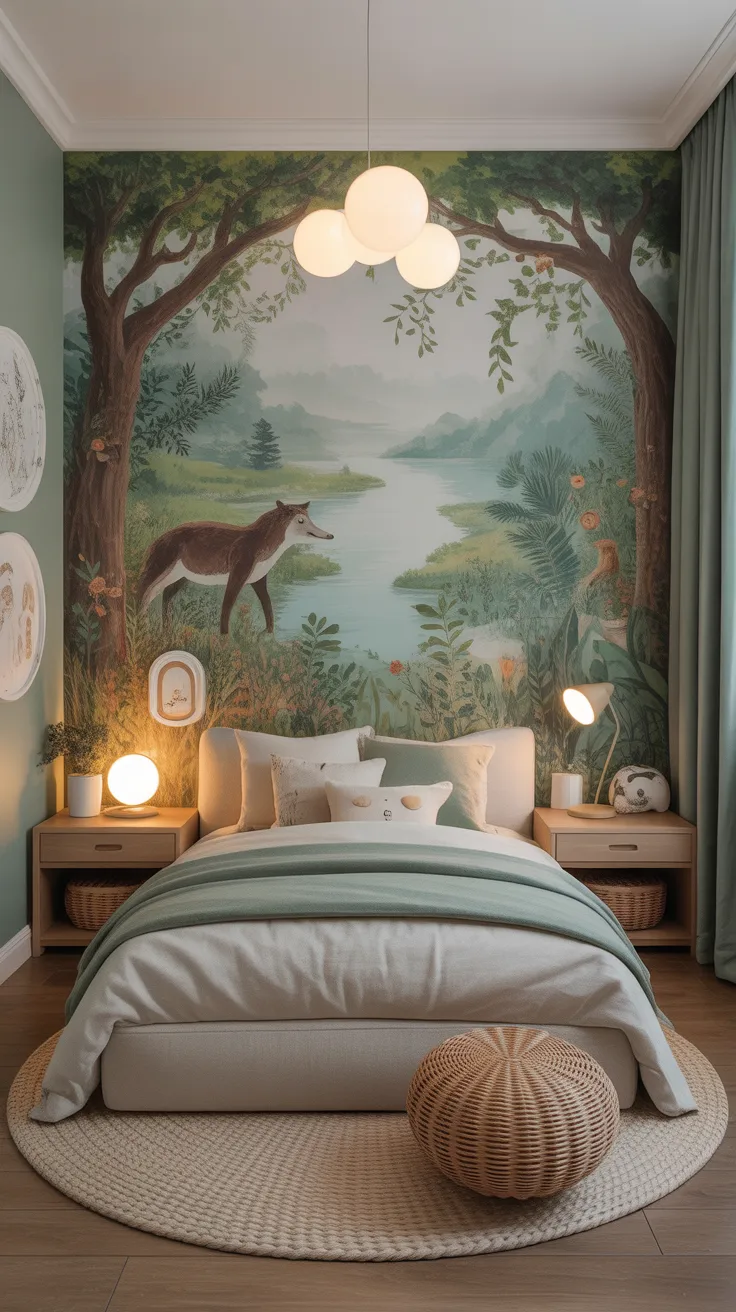
To execute these themes, I use statement murals, themed bedding, custom lighting, and textured decor like wall hangings or sculptural pieces. For example, a nature-themed room might include leaf-patterned textiles, wooden animal figures, and soft green lighting accents. A space-themed room could incorporate galaxy murals, metallic accents, and floating shelves shaped like planets. Each item is chosen with balance in mind to avoid clutter.
In my professional experience, kids feel more connected to their environment when the space reflects their passions. Publications like House Beautiful emphasize that personalization boosts emotional comfort and creativity. I agree completely, and I encourage parents to include at least one customizable element—like a rotating gallery wall—to keep the room feeling fresh. I would also add that choosing neutral furniture helps maintain longevity despite evolving themes.
8. Attic Renovation Ideas for a Cozy Kids Retreat
Transforming an attic into a children’s retreat is one of the most rewarding kids room renovation ideas I work with, especially because these spaces naturally offer charm and seclusion. When approaching an attic renovation kids room, I focus on maximizing comfort, insulation, and daylight, since attics often feel either too dark or too warm. By adding skylights, soft-toned walls, and built-in sleeping nooks, I can turn an unused attic into a warm, cozy refuge where a child feels safe and inspired. This setup works beautifully for families seeking more space without expanding their home’s footprint.
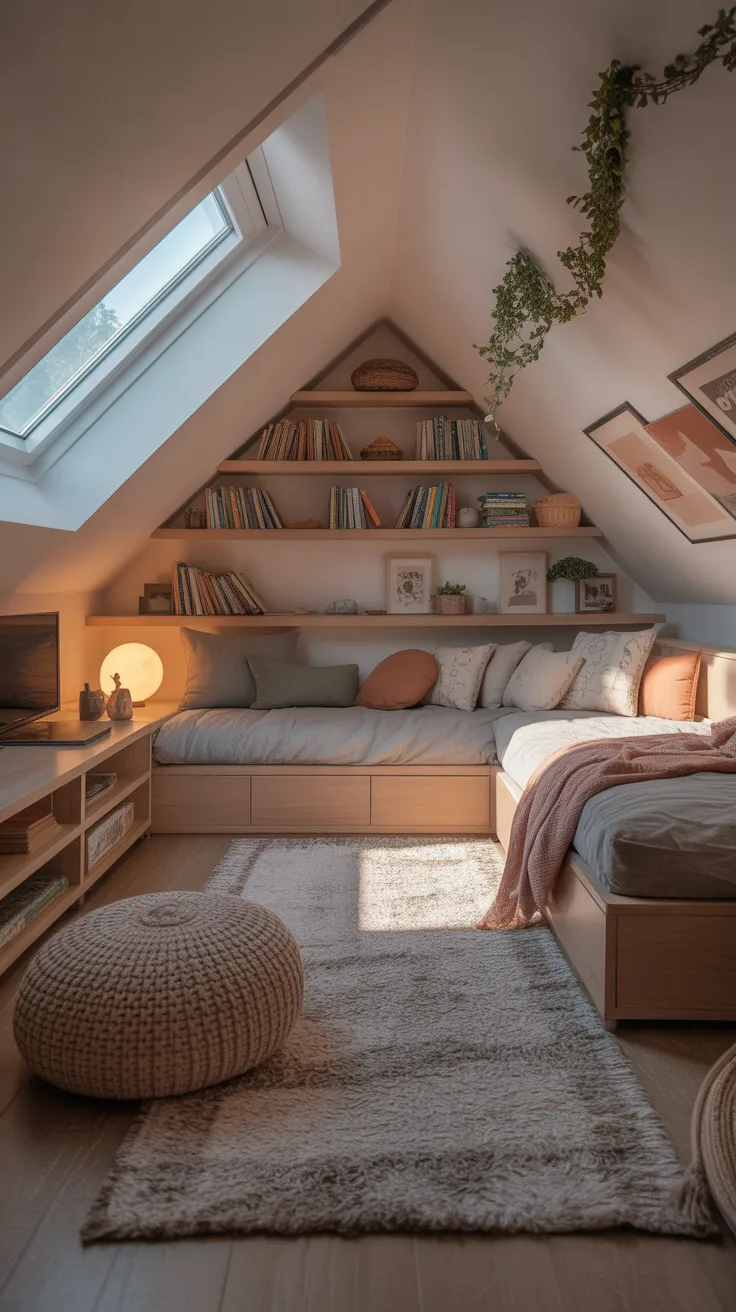
To make the room functional, I choose low-profile furniture that fits beneath sloped ceilings, such as platform beds, compact desks, and storage drawers built directly into the knee walls. Area rugs help soften the floor, while pendant lights or wall sconces provide gentle illumination without overwhelming the shallow ceiling height. I often incorporate a built-in reading bench under the skylight, turning the brightest part of the attic into a dedicated quiet zone. Each piece is selected not only to accommodate the attic’s architecture but to ensure free movement and comfort.
From experience, I’ve seen many families overlook their attic’s potential, but design experts like Joanna Gaines often highlight that attics offer unmatched coziness when styled intentionally. I fully agree; attics feel naturally magical to kids. My clients often tell me that this becomes their child’s favorite room in the house. The only improvement I might add here is considering acoustic panels to help reduce sound transfer, ensuring that the space remains quiet and restful.
To complete this section, I would also advise adding temperature-regulating features such as breathable curtains or blackout skylight shades, since attics can be prone to seasonal temperature shifts.
9. Converting Unused Spaces Into Kids Dream Rooms
During many room renovation kids projects, I’ve found that unused corners of the home—like storage rooms, awkward alcoves, and wide hallways—have incredible potential. Converting these forgotten areas into kids’ dream rooms allows families to create functional, beautiful spaces without major construction. I typically start by optimizing the room’s layout, ensuring adequate lighting and airflow. Walls painted in soft neutrals or pastels help make small or odd-shaped spaces feel larger and more open, perfect for a child’s personal sanctuary.
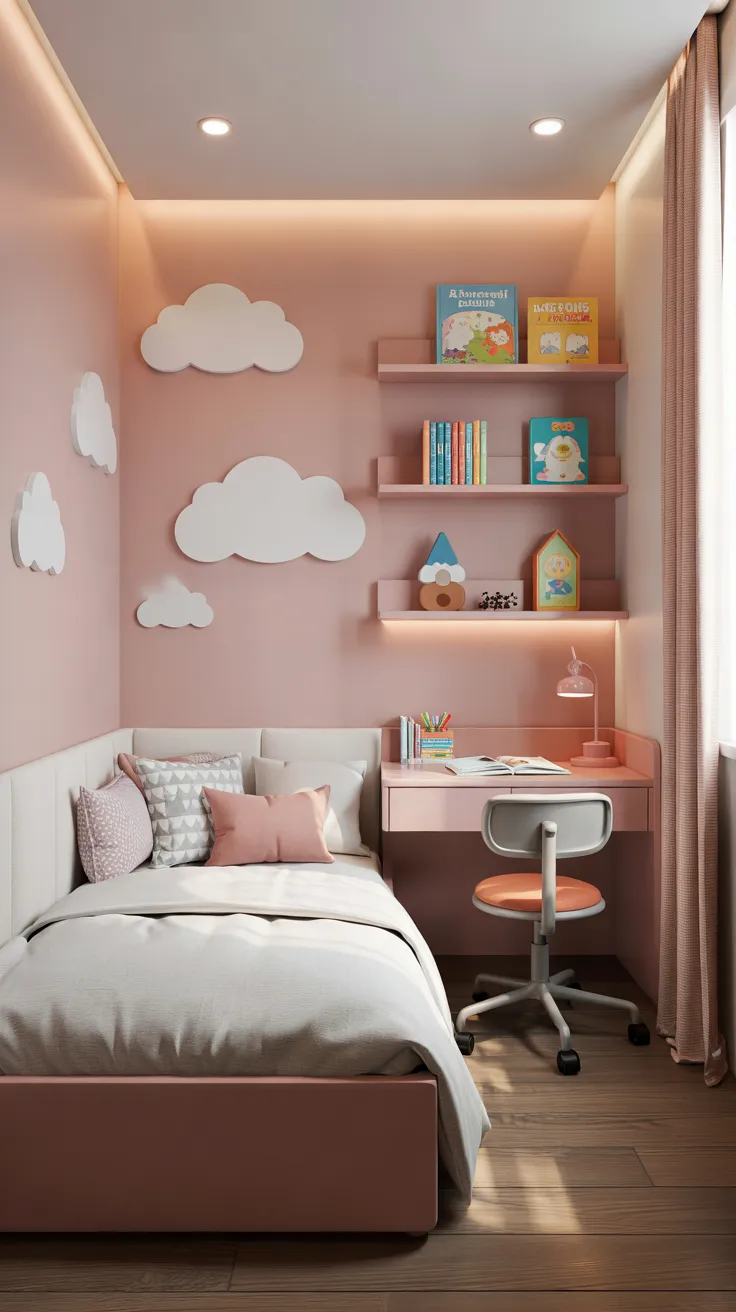
To furnish these areas, I lean toward multifunctional pieces such as wall-mounted desks, stackable shelves, and compact daybeds. In tight spaces, vertical storage is crucial, so I make heavy use of floating shelves, pegboards, and tall cabinets. Lighting is equally important; adding a combination of ambient ceiling lights and warm task lamps creates a balanced atmosphere that supports both comfort and productivity. I often add a playful decorative feature—a mural, a large stuffed floor cushion, or a canopy—to personalize the room.
In my professional experience, these transformations are often the most appreciated by families because they make use of areas that were previously wasted. Designers at House Beautiful often point out that unused spaces can become “hidden gems” when properly renovated. Based on my work, these rooms not only delight children but also increase a home’s overall functionality. The only addition I’d make here is recommending pocket doors or curtains to save space and create privacy when traditional doors are impractical.
10. Innovative Lighting Ideas for Kids Room Makeovers
Lighting is one of the most underrated components of kids room renovation ideas, yet it has a major impact on mood, functionality, and sleep. When working on lighting upgrades, I always begin by assessing natural daylight and determining which areas need brightening. Layered lighting—ambient, task, and accent—creates a flexible environment that transitions easily from playtime to bedtime. I often integrate dimmable LED overhead lights, along with warm-tone bulbs to create a soothing nighttime atmosphere.
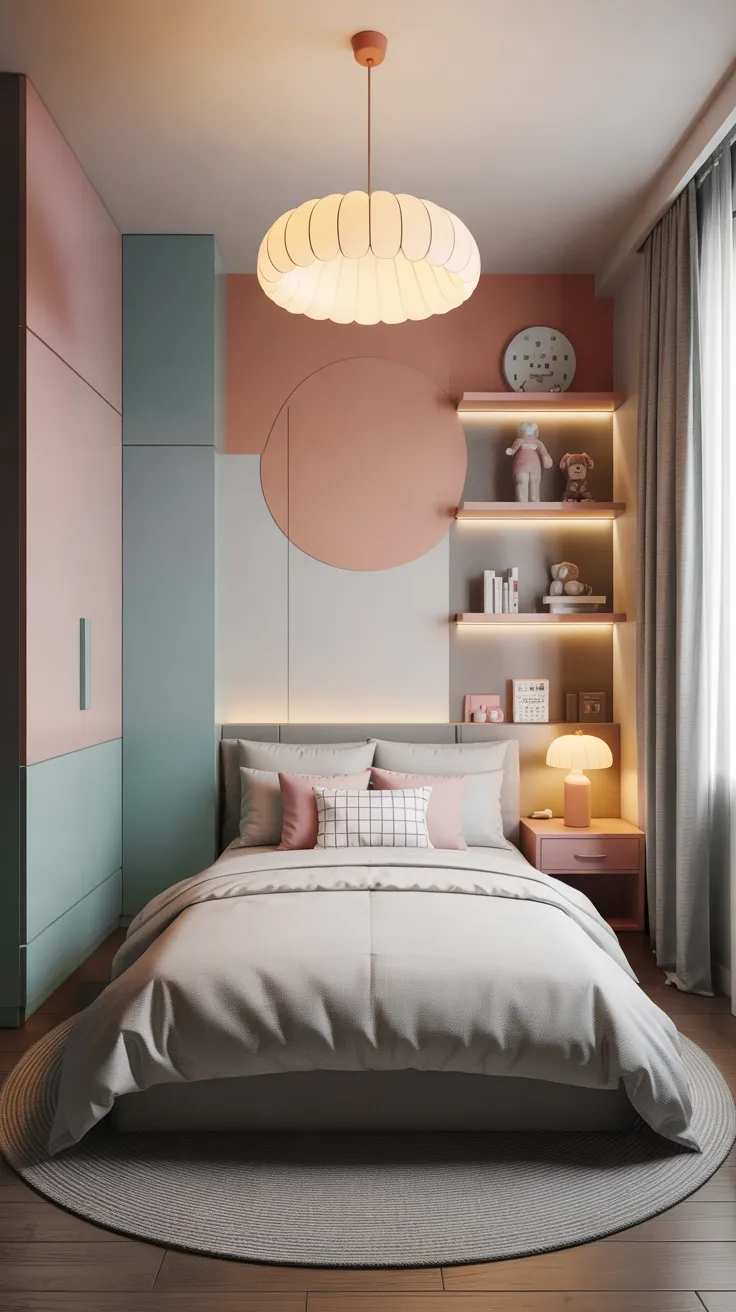
In selecting fixtures, I incorporate playful pendant lamps, cloud-shaped sconces, LED strip lighting behind shelves, and touch-activated bedside lamps. Each selection must align with safety and accessibility. For example, wall-mounted nightlights help guide children in the dark without disrupting sleep. Smart lighting is one of my favorite additions because it allows parents to automate brightness levels and ensures proper nighttime comfort. Even rope lighting along baseboards can transform a room into a magical place while doubling as a safety feature.
Many professionals, including those featured in Architectural Digest, emphasize that lighting is a foundation of modern design, not merely decoration. I’ve found this to be especially true in kids’ rooms, where mood and function must balance harmoniously. If I were to add one more detail here, it would be to incorporate color-changing smart lights for creative play, as they allow children to personalize their environment while maintaining energy efficiency.
11. Tech-Integrated Kids Rooms for Modern Families
As technology becomes more integrated into daily life, families are increasingly asking for smart, functional tech additions within kids room renovation ideas. When designing a tech-integrated space, I focus on seamless installation and safe usage. This includes mounted tablets for learning apps, smart speakers for voice-command functions, and USB wall outlets for device charging. These upgrades allow children to explore digital learning in a structured environment while keeping cords and clutter under control.
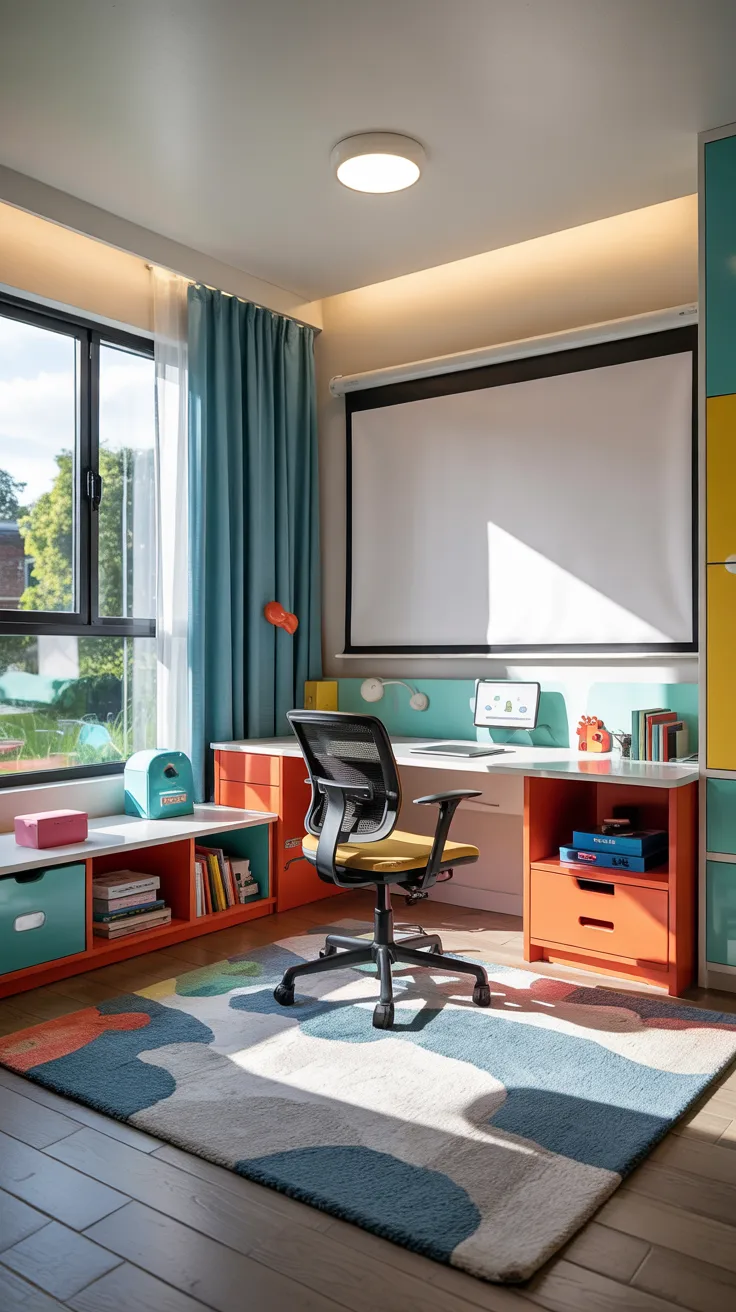
Furniture plays a big role in organizing tech. I often select desks with built-in cable management, under-mount LED lights, and ergonomic chairs designed for extended study sessions. Smart thermostats help maintain comfortable temperatures, while air purifiers ensure clean air circulation. For entertainment or creativity, I may add a projector with a retractable screen, giving kids a designated media area that still blends well into the room’s overall design.
From my perspective, tech-enhanced rooms only work when intentionally balanced with analog play, a point often mentioned by experts in Parents Magazine. Through my experience, I’ve learned that integrating technology should never overwhelm the room but simply support learning and comfort. To enhance this section further, I’d also add recommendations for screen-safe lighting, such as blue-light-blocking desk lamps, to protect children’s eyesight during digital activities.
12. Play Zones That Promote Learning and Creativity
A well-designed play zone is essential in modern kids room renovation ideas, as it encourages both creativity and cognitive growth. When I design these spaces, I focus on separating active play from quiet learning, often using rugs, shelves, or room dividers to define each function. Soft flooring, easy-to-clean mats, and cushioned seating make the zone safe and inviting. These spaces also help children develop autonomy by encouraging them to organize and access their own toys.
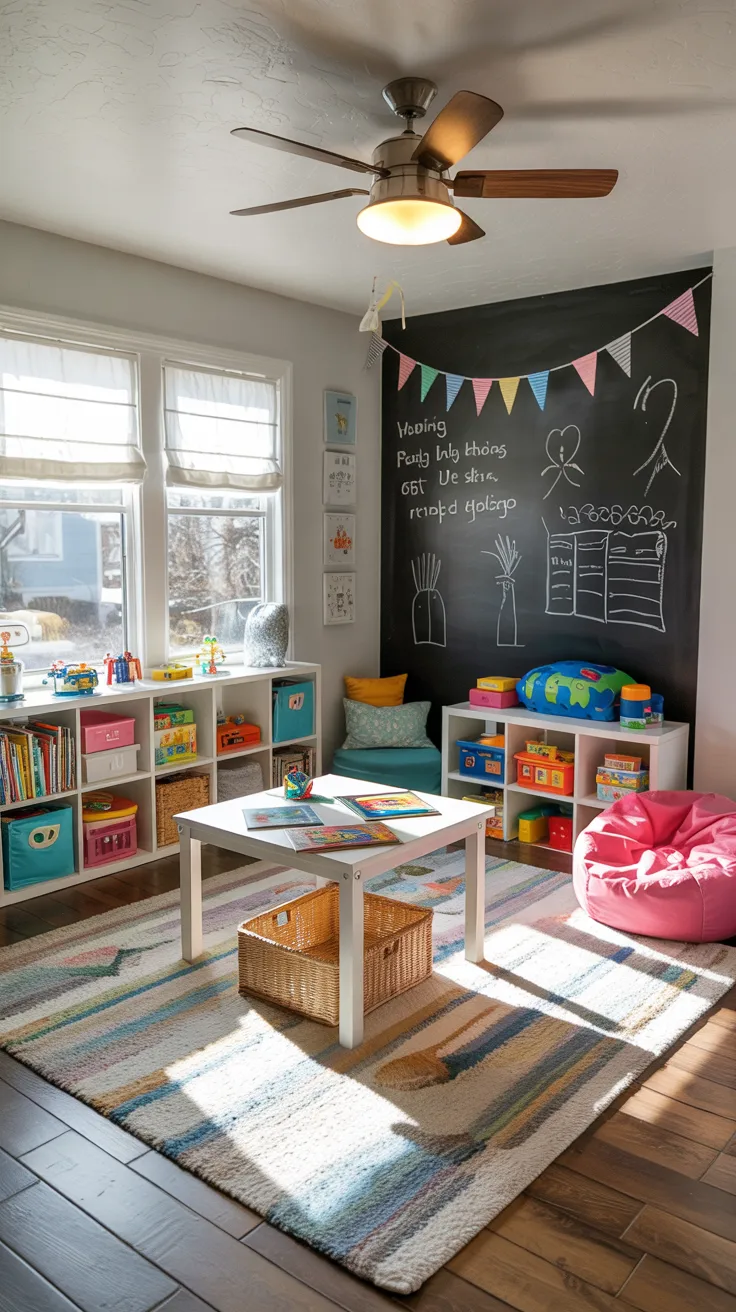
To furnish the play zone, I incorporate low, child-friendly tables, art supply carts, open toy bins, and display shelves for artwork or projects. I sometimes add chalkboard walls or magnetic boards for hands-on creativity. A comfortable reading nook nearby—a beanbag chair, canopy tent, or plush rug—creates a calm counterbalance to the energetic play area. These elements work together to stimulate imagination while maintaining order within the room.
In my experience, dividing play spaces from rest or study areas significantly improves how children use their rooms. Experts from Montessori-based design resources often highlight that children thrive when spaces are arranged with purpose and accessibility. I strongly support this idea and often advise adding sensory elements like textured fabrics or interactive installations. To enhance this section further, I would suggest including storage specifically tailored to rotating toys, keeping play areas fresh and engaging.
13. Three Birds Renovation Style for Kids Room Inspirations
When I incorporate design features inspired by three birds renovation kids room projects, I focus on their signature aesthetic: clean lines, soft color palettes, abundant natural textures, and an effortless blend of style and practicality. This approach elevates kids’ rooms with a fresh Australian coastal-modern vibe that feels timeless and serene. It’s a perfect fit for families looking to introduce elegance without sacrificing child-friendly comfort.
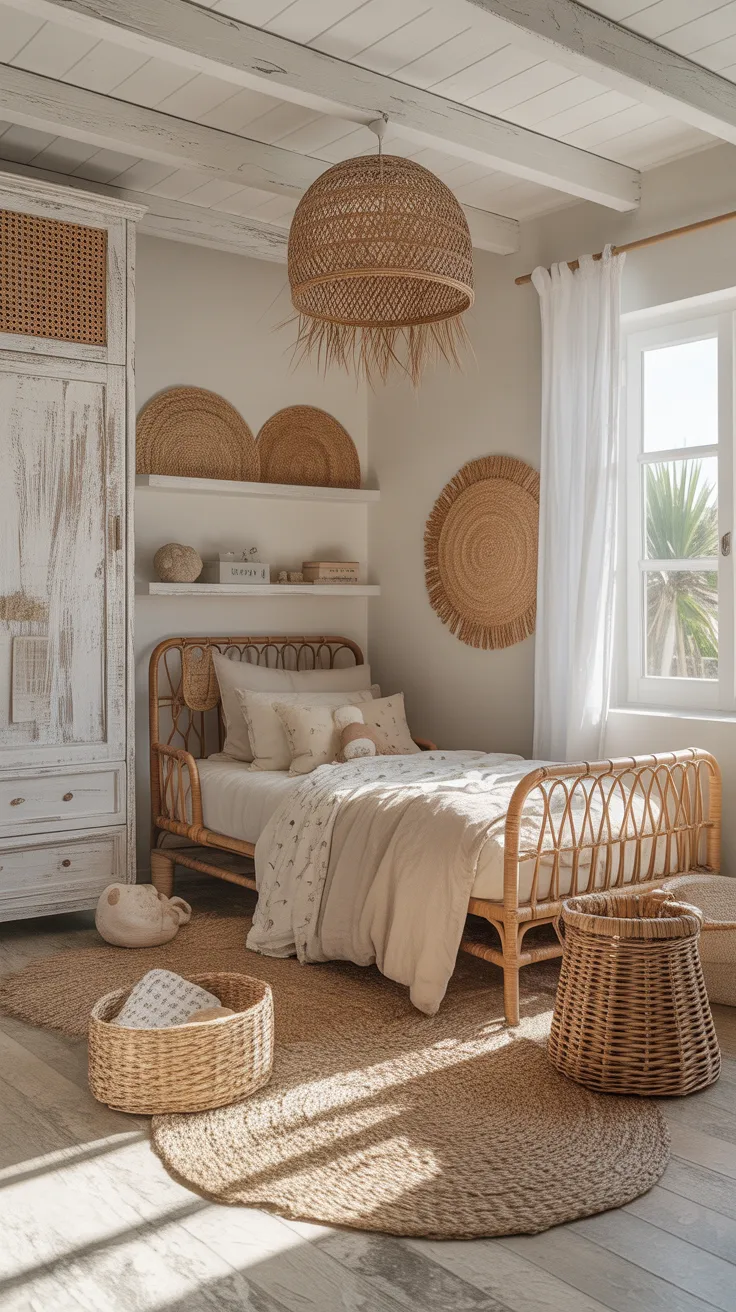
Furniture choices typically feature whitewashed woods, rattan pieces, linen fabrics, and handcrafted decor. I often add statement pendant lights, tonal bedding, and wall art that aligns with a minimalist yet warm theme. Layered textures—woven baskets, cotton throws, and soft rugs—bring depth to the space. Each piece serves a clear function, ensuring the room remains open, airy, and inviting.
In my experience, families appreciate the Three Birds style because it harmonizes practicality with subtle luxury. Many design sources note that blending organic textures with soft pastels can help create emotionally soothing environments for children. If I were to expand this section, I’d suggest adding custom joinery, such as built-in window seats or shelving, to reflect the tailored feel Three Birds is known for.
14. Three Birds Renovations Signature Makeover Ideas for Kids
Drawing inspiration from 3 birds renovations kids room designs, I incorporate bold statement pieces and customized layouts that feel both functional and visually impactful. Their “wow factor” approach encourages creative feature walls, unique lighting choices, and spatial arrangements that cater to children’s personalities. When applying these ideas, I aim to create a room that feels playful yet modern, offering daily inspiration for young minds.
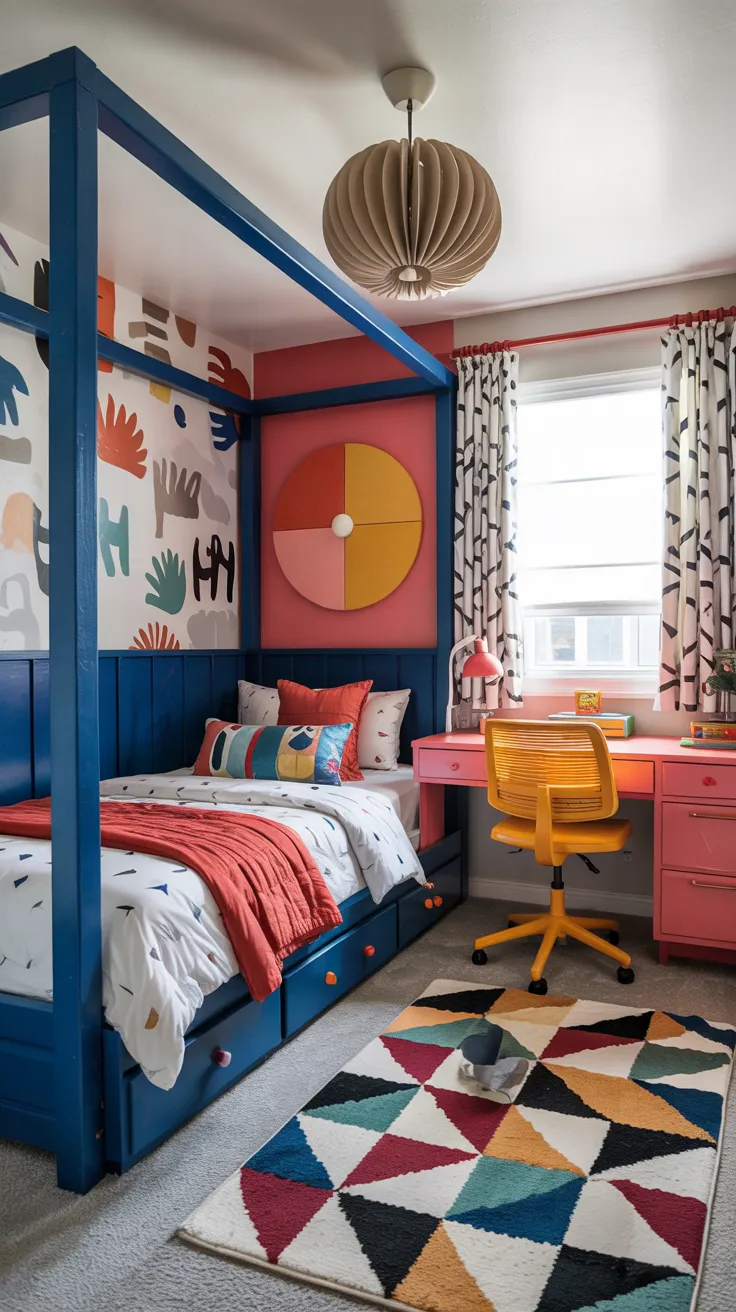
Key elements often include bespoke wallpaper, brightly colored accent furniture, canopy beds, built-in desks, and innovative storage solutions designed to minimize clutter. I especially like blending bold patterns with neutral furnishings to maintain balance. Adding sculptural lighting fixtures or geometric rugs enhances the signature style while ensuring the room remains comfortable and engaging for daily use.
Professionally, I’ve seen how this bolder makeover approach can completely transform a child’s sense of ownership and joy in their room. Many interior design professionals highlight that incorporating one or two dramatic focal points can elevate a space without overwhelming it. To enrich this section further, I’d also recommend adding custom decals or personalized art to reinforce individuality and charm.
15. RV Kids Room Renovation Ideas for Travel-Loving Families
Designing an rv kids room renovation is an exciting challenge because it requires combining mobility with comfort. When I renovate an RV for children, I begin by evaluating layout restrictions and identifying ways to make the small space feel open and functional. I rely heavily on bright colors, soft textures, and efficient storage systems to transform the RV interior into a cozy retreat. These kids room renovation ideas work especially well because children feel secure in compact spaces when the environment is thoughtfully planned.
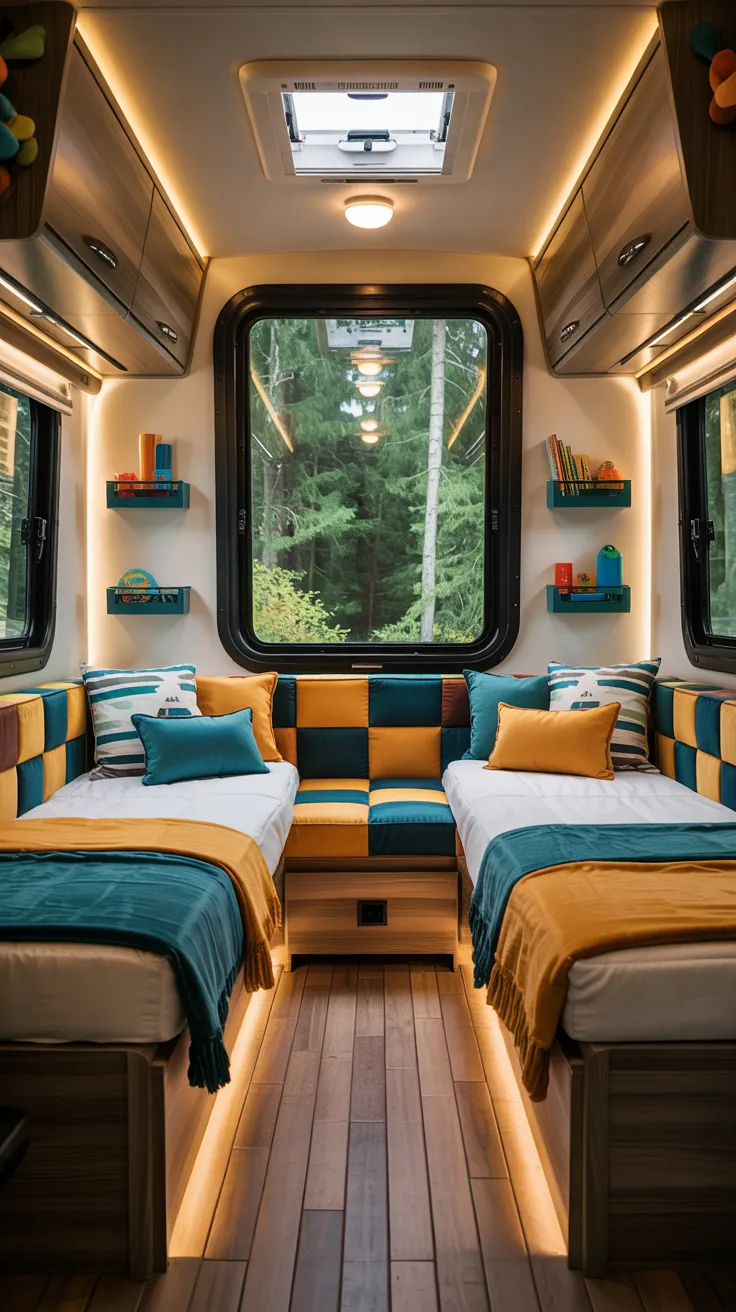
To make an RV kid-friendly, I include foldable bunks, wall-mounted organizers, collapsible desks, and under-seat storage compartments. Every item must serve more than one purpose, so I often select furniture that converts easily from day to night. Soft LED lighting, washable fabric panels, and magnetic boards become essential components because they withstand travel while keeping the space engaging. I also choose lightweight materials to avoid unnecessary strain on the vehicle.
From my professional perspective, RV conversions are some of the most rewarding room renovation kids projects because kids truly appreciate the novelty of having a portable room. Many experts at Dwell note that RV interiors benefit greatly from simple, durable materials and an organized layout. I’ve seen firsthand that the more intentional the setup, the more enjoyable the travel experience becomes for the entire family. If I were to add further refinement, I would include blackout curtains to help regulate sleep across time zones and travel schedules.
16. Camper Renovation Kids Room Concepts for Small Spaces
Working on a camper renovation kids room requires creativity, especially when dealing with extremely limited square footage. I prioritize vertical design strategies, using wall space and ceiling space to open up the interior. Bright colors, natural materials, and dual-purpose furniture allow the camper to feel more spacious while remaining practical for daily use. In my designs, I focus on safety, comfort, and durability so that children have a reliable environment even while on the road.
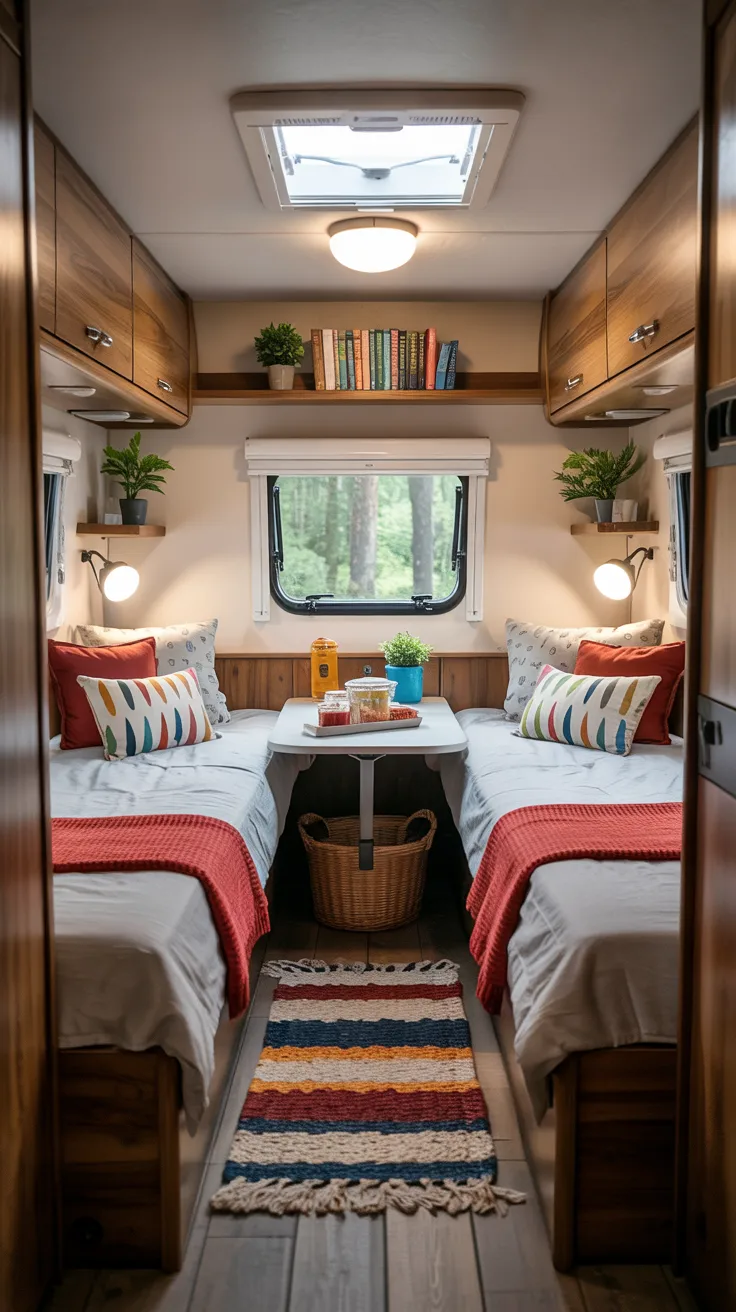
Essential furniture choices include narrow bunk beds, fold-down tables, compact storage cubes, and fabric wall pockets for toys or books. I also make use of retractable curtains to provide privacy without adding bulky partitions. Soft flooring mats, string lighting, and removable décor add personality while staying easy to clean. Since campers often lack large windows, I incorporate reflective surfaces and soft white lighting to brighten the interior.
In my experience, these designs allow children to feel more grounded during travel. Many interior articles, including those from HGTV, highlight that camper renovations thrive on minimalism and functional decor. I agree entirely, as simplifying the layout ensures children have space to play, rest, and stay organized. If I were to expand this concept, I’d add modular toy storage bins that can be moved outdoors when camping, maximizing indoor space even further.
17. Budget-Friendly Kids Room Renovation Tips
Not all kids room renovation ideas require major investments. When working with families on a budget, I often rely on paint, upcycled furniture, and creative layouts to refresh a space affordably. The key is to prioritize what truly matters: safety, comfort, and functionality. By repurposing existing items and making thoughtful updates, I can dramatically transform a room while respecting financial limitations.
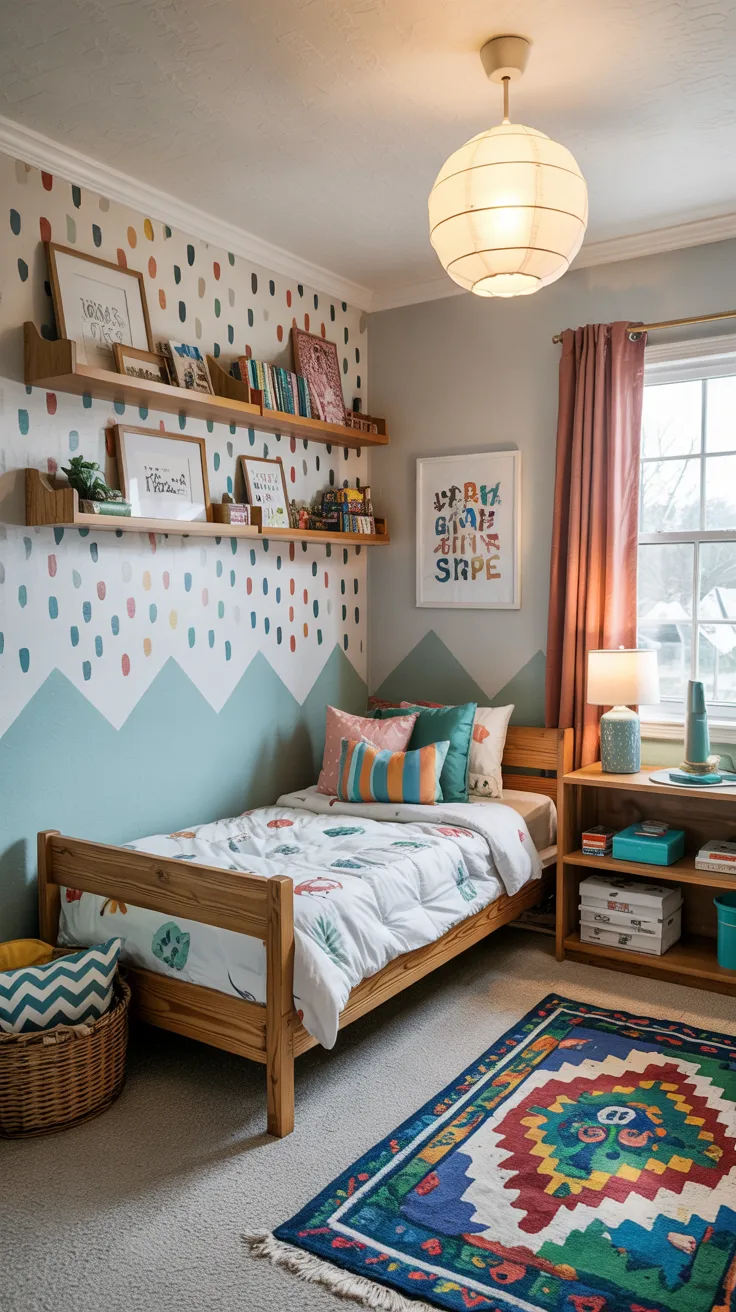
I frequently use removable wallpaper, thrifted wooden furniture, open shelving, and washable rugs to achieve a fresh and modern look. These elements are inexpensive yet impactful. A simple layout change—such as repositioning the bed or creating a reading corner—can make the space feel entirely new. LED fairy lights, chalkboard paint, and DIY wall art also contribute to personalization without stretching the budget. Each choice balances cost efficiency with practical value.
Over the years, I’ve learned that budget-friendly renovations often produce the most creative results. Experts quoted in Real Simple often mention that prioritizing organization and lighting can yield transformative outcomes at minimal cost. I support this advice wholeheartedly and often encourage parents to invest in multifunctional storage pieces first. To complete this section, I would also add that decluttering before starting a budget renovation greatly enhances the final result.
18. Safety-First Renovation Ideas for Kids Rooms
Safety is always at the forefront of room renovation kids projects, as children naturally explore their environment. I begin by identifying potential hazards such as sharp corners, unsecured furniture, loose cords, and inappropriate lighting. To ensure a safe room, I use non-toxic paints, stable furniture, and soft finishes throughout the design. Rounded corners, anchored cabinets, and slip-resistant rugs become foundational elements in any child-friendly renovation.
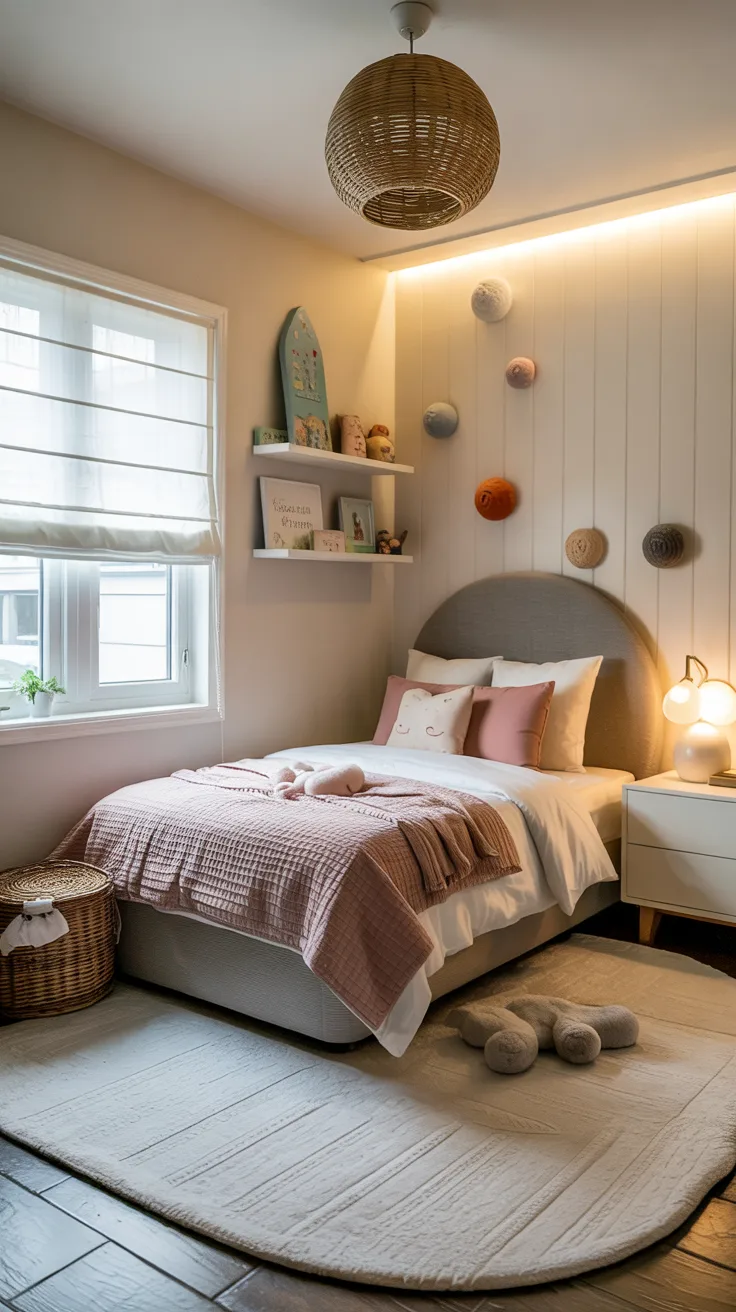
Every item included in the room must pass a safety checklist. For example, I choose cordless blinds, outlet covers, shatter-resistant LED lights, and breathable bedding. Low-height furniture minimizes climbing accidents, while cushioned play mats offer additional protection. I often install wall bumpers, soft-close drawers, and bed rails for younger children. Safety gates and door stoppers can further enhance the security of the space.
Professionally, I’ve worked with parents who underestimated how quickly young children can access dangerous areas. Many pediatric safety guidelines published in the US highlight the importance of anchoring furniture and avoiding small decorative items in kids’ rooms. These recommendations align closely with my experience. To strengthen this section, I would also mention adding smoke detectors and nightlights to support nighttime safety and visibility.
19. Trendy Wall Decor and Murals for 2026 Kids Spaces
Wall décor plays a huge role in shaping modern kids room renovation ideas, and 2026 trends lean toward immersive murals, textured wall art, and personalized accents. When designing wall features, I choose themes that feel both imaginative and timeless—nature, space, abstract shapes, or gentle pastels that encourage creativity without overwhelming the room. Wall murals work especially well because they transform the room instantly while leaving the floor area untouched.
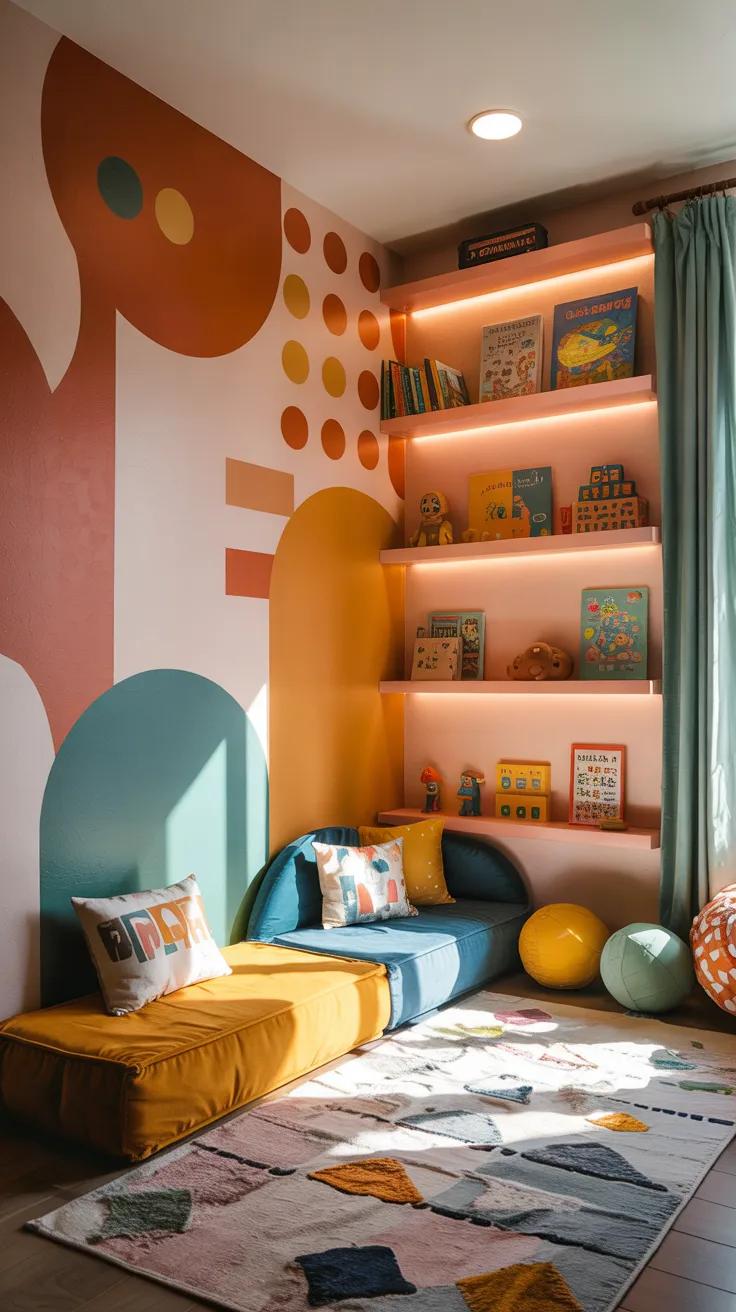
I include large removable murals, hand-painted geometric designs, cork pinboards, decorative shelves, and mixed-media art. Soft, textured tapestries add warmth, while LED-accented wall panels provide a modern glow that children adore. I also use washable wall decals for parents who prefer low-maintenance design changes. Each item serves both aesthetic and functional purposes, enhancing visual interest while supporting organization or comfort.
From my perspective, wall art sets the emotional tone of the room. Designers frequently featured in House Beautiful emphasize that murals can become focal points that inspire imagination and storytelling. I agree completely, especially when working on rooms that need bold personality without clutter. To enhance this section further, I would also suggest using sound-absorbing wall panels, which add function while elevating design.
20. Sustainable Renovation Ideas for Long-Lasting Kids Rooms
Sustainability remains a key focus in kids room renovation ideas, and many parents now prefer long-lasting, eco-friendly solutions. When I design sustainable rooms, I use natural woods, low-VOC paints, organic textiles, and recycled materials. These choices not only benefit the environment but also improve the health and comfort of the children living in the space. Incorporating long-lasting pieces ensures the room grows with the child and reduces waste over time.
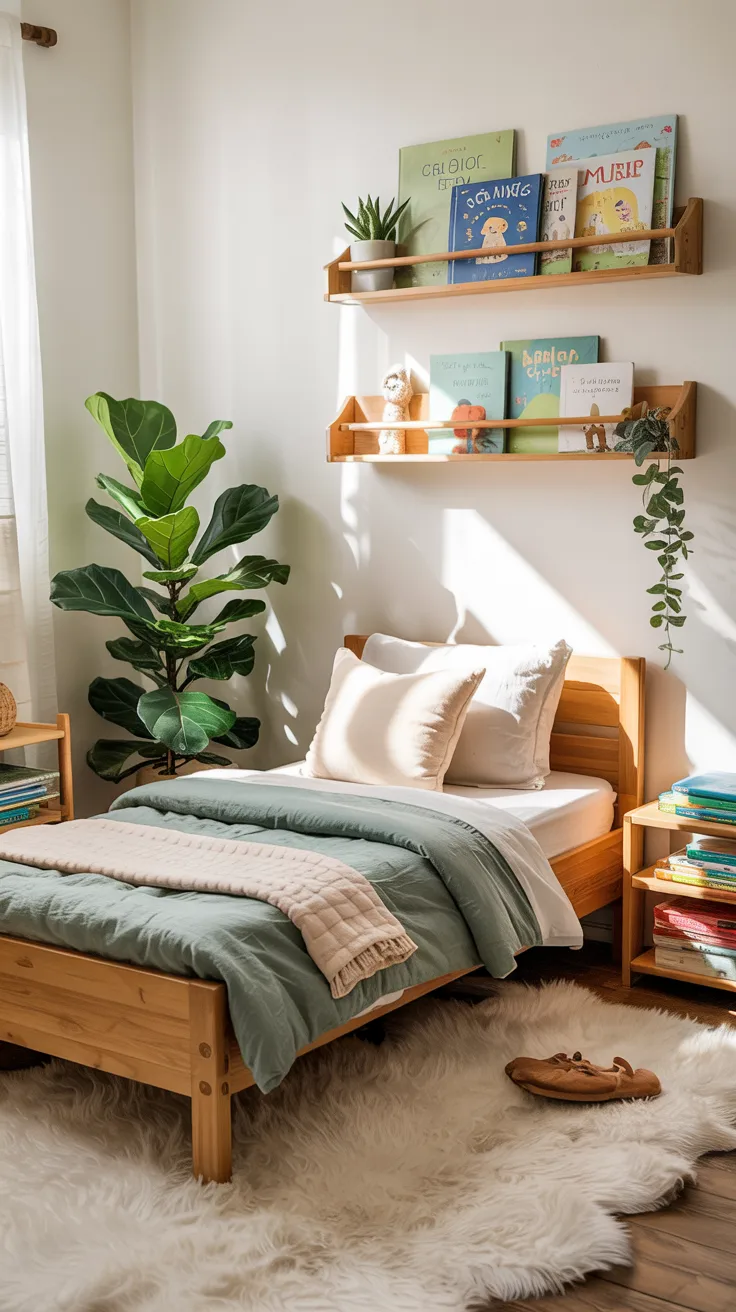
I often choose modular furniture, bamboo shelving, wool rugs, and organic cotton bedding. Durable finishes, energy-efficient lighting, and non-plastic storage bins also support longevity. I incorporate decor that can evolve with age—neutral-toned furniture, adaptable shelving, and timeless wall colors. Each piece is selected with both durability and environmental impact in mind, ensuring the room remains functional for years.
Sustainable design experts, including those interviewed in Architectural Digest, often emphasize investing in quality over quantity. I strongly agree, as I’ve seen families save money over time by choosing durable materials from the start. To refine this section further, I’d suggest adding indoor plants for natural air filtration and encouraging children to learn about eco-friendly living through their environment.
21. Final Touches That Complete a Perfect Kids Room Makeover
The final details are what truly elevate kids room renovation ideas from good to exceptional. Once the foundational elements are in place, I focus on adding décor that enhances comfort, personality, and functionality. Throw pillows, cozy blankets, decorative lighting, and organizational accessories help tie the entire room together. These finishing touches make the space feel complete and uniquely suited to the child’s personality.
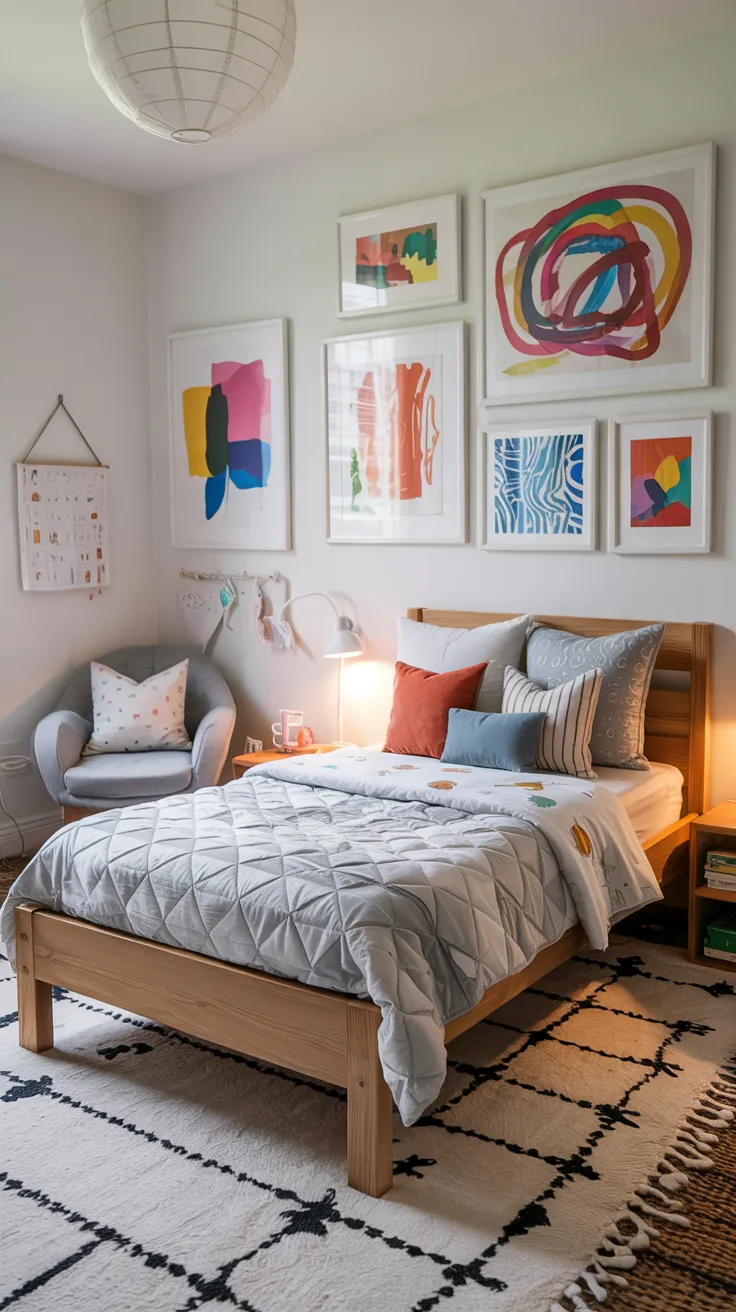
I carefully select soft textiles, framed artwork, accent lamps, themed décor pieces, and personalized accessories such as name plaques or illuminated initials. I also include practical final touches like labeled bins, book displays, and under-bed storage solutions. These elements make the room more inviting while ensuring the layout remains organized. A scented diffuser with child-safe oils can also enhance the atmosphere.
In my experience, these details are what children notice and appreciate the most. Many interior design professionals agree that styling is just as important as construction when completing a makeover. If I were to add another recommendation, I’d suggest rotating décor seasonally to keep the room feeling fresh without needing major updates.
22. Conclusion
A well-designed kids room is more than just a beautiful space; it’s an environment that supports growth, creativity, comfort, and safety. Whether you’re exploring modern layouts, sustainable materials, playful décor, or even transforming unconventional spaces like RVs and attics, every thoughtful detail contributes to a room your child will truly love. I hope these kids room renovation ideas have inspired you to approach your next project with confidence and creativity. If you’ve tried any of these concepts or have questions about starting your own renovation, feel free to share your experiences in the comments below. Your insights may help other families create their own dream spaces.
23.
 Save Pin