Designing a modern boys’ bedroom can feel overwhelming, especially when trying to balance style, creativity, and practicality. Parents often wonder how to create a room their child will love now while still allowing space for growth. Should the design lean playful or mature? Should it embrace bold colors, themed décor, or more timeless design elements? In this article, I’ll explore the newest Boys Bedroom Ideas 2026, including how to incorporate boys bedroom ideas toddler, boys bedroom ideas teenagers, and even specialized concepts like boys bedroom ideas small space and boys bedroom ideas blue.
Throughout this guide, I will use my experience as an interior designer to highlight functional layouts, smart furniture choices, and aesthetic updates that make a real difference. Whether you’re designing for a toddler, a creative teen, or a child with specific interests such as boys bedroom ideas toca boca, I’ll break down practical ways to build a room that’s beautiful, durable, and meaningful.
Let’s dive into the most inspiring, future-forward bedroom designs that will shape boys’ spaces in 2026 and beyond.
1. Boys Bedroom Ideas 2026: Trend-Forward Inspiration for Every Age and Style
Creating a forward-thinking boys’ bedroom in 2026 means blending timeless design principles with innovation and personality. When I design a room meant to grow with a child, I always start by evaluating how the space will evolve physically and emotionally. Whether I’m planning concepts inspired by boys bedroom ideas toddler, boys bedroom ideas teenagers, or transitional stages like ages 7 to 12, my goal is to ensure that the room feels cohesive yet adaptable. I’ve noticed that 2026 trends favor multi-functional layouts, subtle technology integration, and curated color palettes that elevate rather than overwhelm the space.
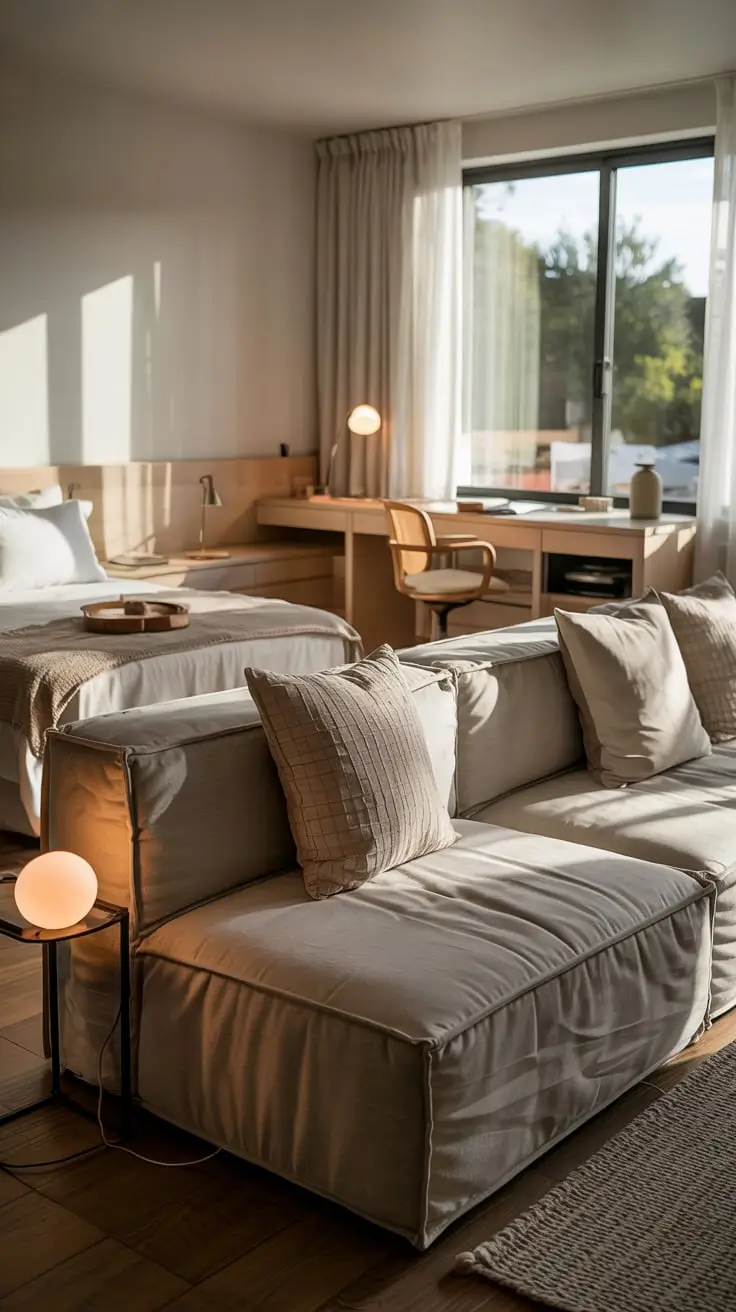
I typically select furniture that can adapt to changing needs. For instance, modular shelving, swap-friendly headboards, and hybrid study-play areas are becoming essential, especially when working with boys bedroom ideas small space or multi-use rooms. I also use lighting strategically, creating layered illumination that supports reading, relaxing, and studying. Materials like matte metals, natural oak, and soft woven textiles are ideal for maintaining a modern yet comfortable atmosphere.
From experience, I’ve learned that parents often underestimate how quickly a child’s taste changes. One of the strongest recommendations from design editors at Architectural Digest is to invest in “a strong foundational palette and add personality through interchangeable layers.” I follow this advice closely, especially when planning rooms for boys ages 7 through 12 or designing spaces for teens who crave individuality.
What I would add to this section is a stronger emphasis on storage. Built-in drawers, hidden compartments, and wall-mounted solutions are vital for maintaining long-term order and usability, especially for families adapting one room for multiple children or stages of development.
2. Modern Boys Bedroom Ideas for Toddlers
When designing for toddlers, I always prioritize safety, softness, and exploration. A modern toddler’s room in 2026 combines cozy textures with intentional educational elements. I lean toward warm, neutral bases accented with muted blues or playful geometric shapes. Integrating boys bedroom ideas toddler themes like gentle adventure motifs or simple character graphics keeps the room stimulating without overwhelming the space. I also maintain open floor areas to support movement and play.
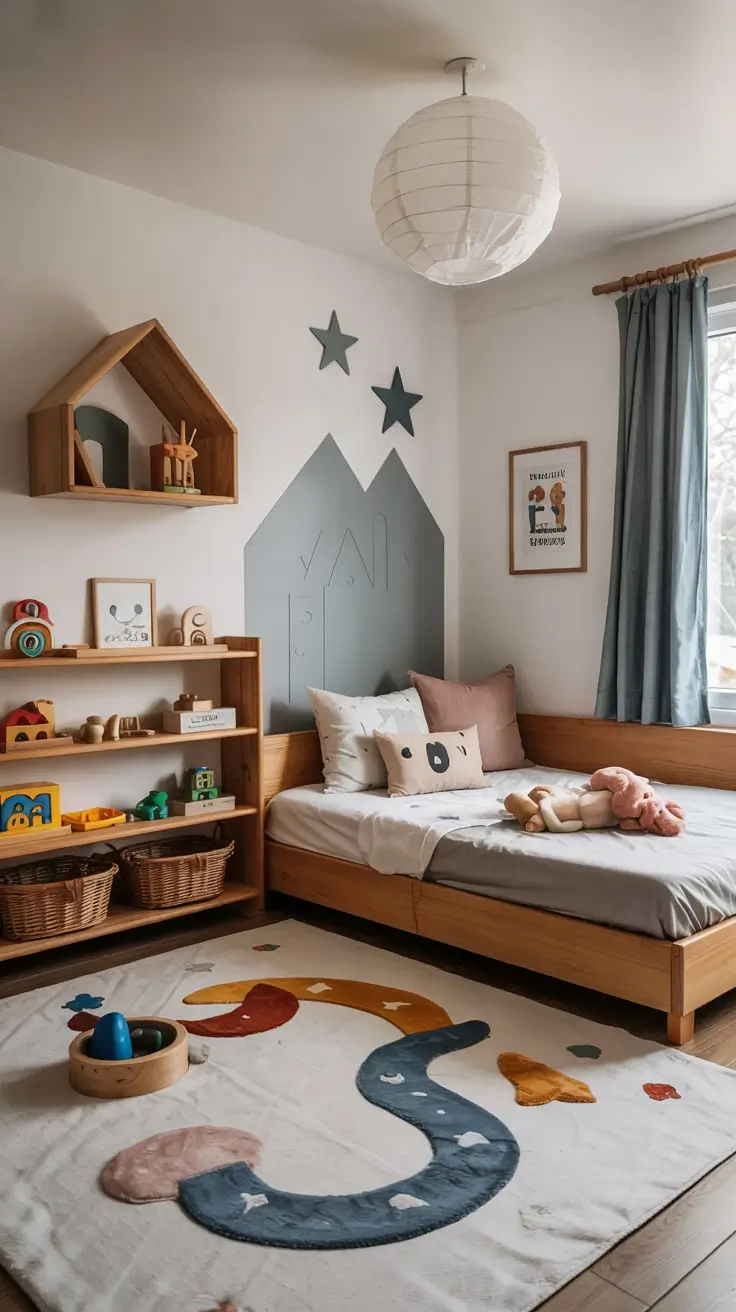
Furniture for toddler rooms must be functional and durable. I often incorporate low-profile beds, rounded-edge furniture, and lightweight storage bins that encourage independence. A soft reading nook, plush rugs, and modular play blocks often find a place in my toddler designs. Every item must pass my “dual purpose” test: it should either support learning, comfort, or organization. Items like Montessori-style shelves and quiet activity stations remain incredibly popular.
Speaking from experience, the most successful toddler rooms are the ones that make children feel secure but still allow them to explore freely. Designers at Parents Magazine recommend incorporating “zones of purpose,” something I follow closely—dedicated areas for reading, resting, and creative play help the room function more smoothly.
To enhance this section, I would also include ideas for adjustable wall art—removable decals and fabric-based prints—which allow parents to update the space effortlessly as toddlers grow.
3. Creative Boys Bedroom Ideas for Teenagers
Designing for teenagers requires a deeper understanding of self-expression and individuality. When I apply boys bedroom ideas teenagers, I focus on creating a personalized environment that blends aesthetics with functionality. Teens want a room that mirrors their interests—music, sports, gaming, fashion—while still feeling mature. In 2026, I see a major shift toward minimalist yet expressive designs using LED ambient lighting, textured wall panels, and sleek, modern furniture.
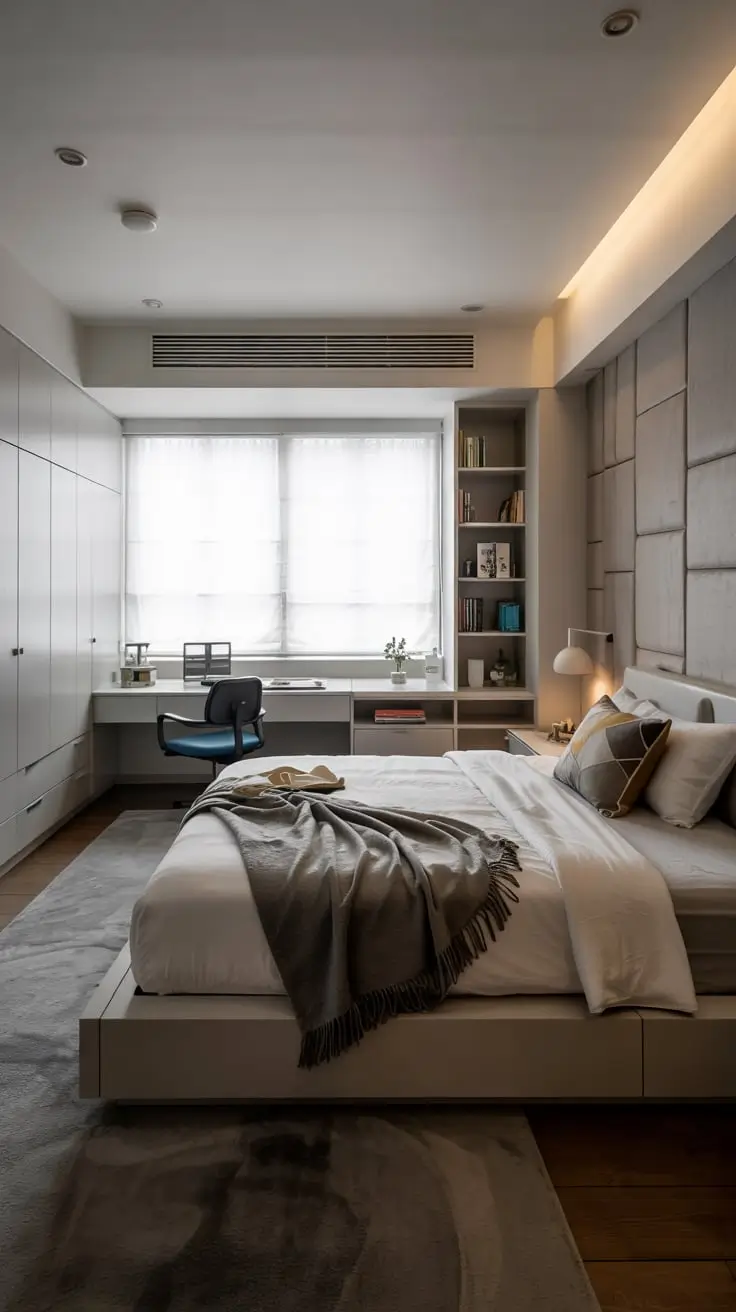
Key furniture pieces include platform beds, floating desks, and modular wardrobes. I like using darker tones mixed with accent colors, often integrating shades found in boys bedroom ideas blue or soft neutrals to anchor the space. A dedicated study area is essential, and I always emphasize ergonomic seating and proper lighting. Wall-mounted storage and under-bed compartments help maintain order without sacrificing style.
In my professional work, I’ve often observed that teen rooms become most successful when teens feel included in the design process. House Beautiful suggests involving teens in selecting color palettes or key décor pieces to enhance ownership and satisfaction. I’ve found this to be true—when teens help shape their space, they maintain it much better.
One addition I would include here is guidance on tech integration—smart lighting, subtle charging stations, and cable management systems—all of which are essential in modern teen spaces.
4. Playful Boys Bedroom Ideas for Age 7
Seven-year-olds are bursting with imagination, so boys bedroom ideas age 7 often revolve around themes of adventure, creativity, and exploration. When I design these rooms, I emphasize bright yet balanced color palettes, interactive décor, and designated play areas. This age group benefits from themed concepts—space, jungle, racing, or fantasy worlds—while still incorporating elements that grow with them.
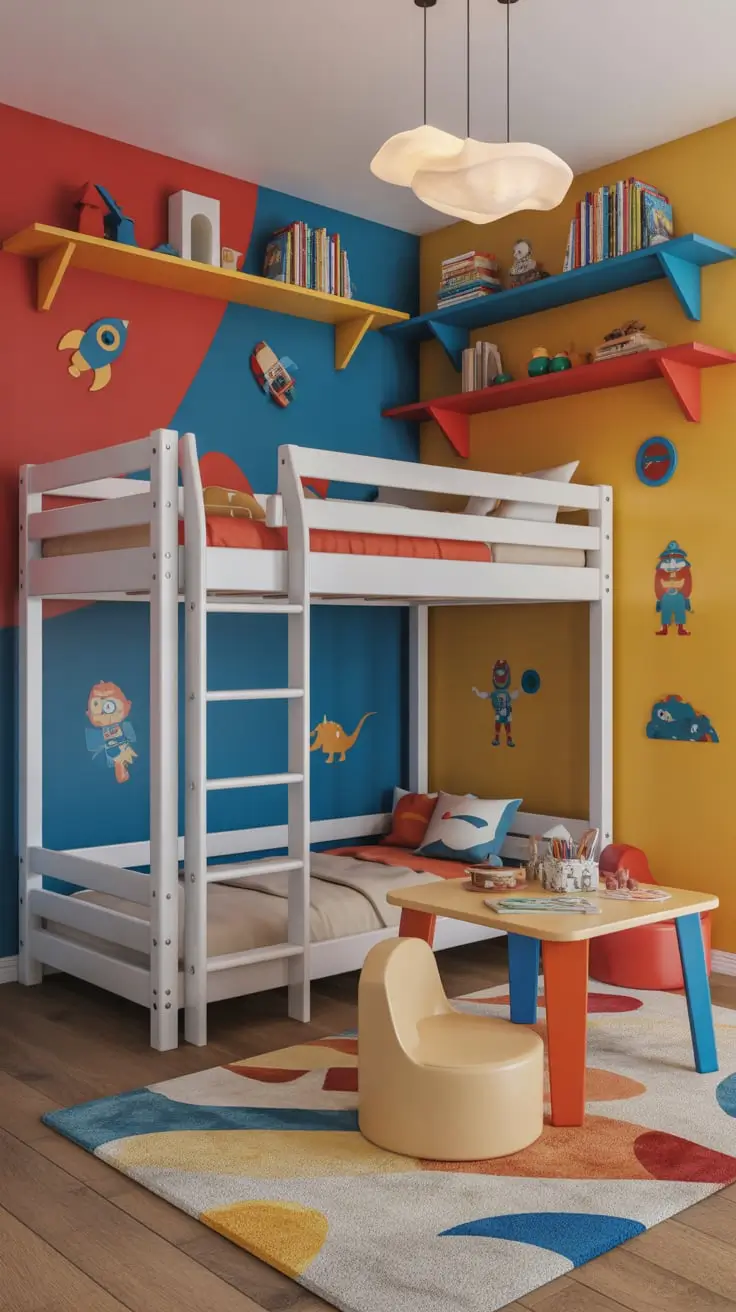
Furniture choices include low shelving for toys, accessible bookcases, and mid-height beds that allow for play underneath or alongside. I enjoy using multipurpose pieces such as loft beds with integrated desks or storage. Since children at this age enjoy displaying their favorite creations, I install magnetic walls, pinboards, or floating shelves to encourage proud presentation and creativity.
Professionally, I’ve found that at age seven, kids crave independence but still need structure. According to insights from Family Handyman, using “modular systems that kids can’t easily outgrow” saves parents significant time and money. I echo this wholeheartedly and design with long-term flexibility in mind.
One enhancement for this section would be incorporating sensory-friendly elements—soft textures, warm lighting, and a calming corner—for children who benefit from relaxation zones.
5. Stylish Boys Bedroom Ideas for Ages 11–12
Tweens between ages 11 and 12 are in a transitional stage, making boys bedroom ideas 11-12 particularly unique. I design these rooms to reflect early independence while maintaining the comfort of childhood. Neutral palettes with accents in blue, navy, or terracotta work beautifully. This age group appreciates more structured and mature décor, such as geometric bedding, framed artwork, and sophisticated lighting.
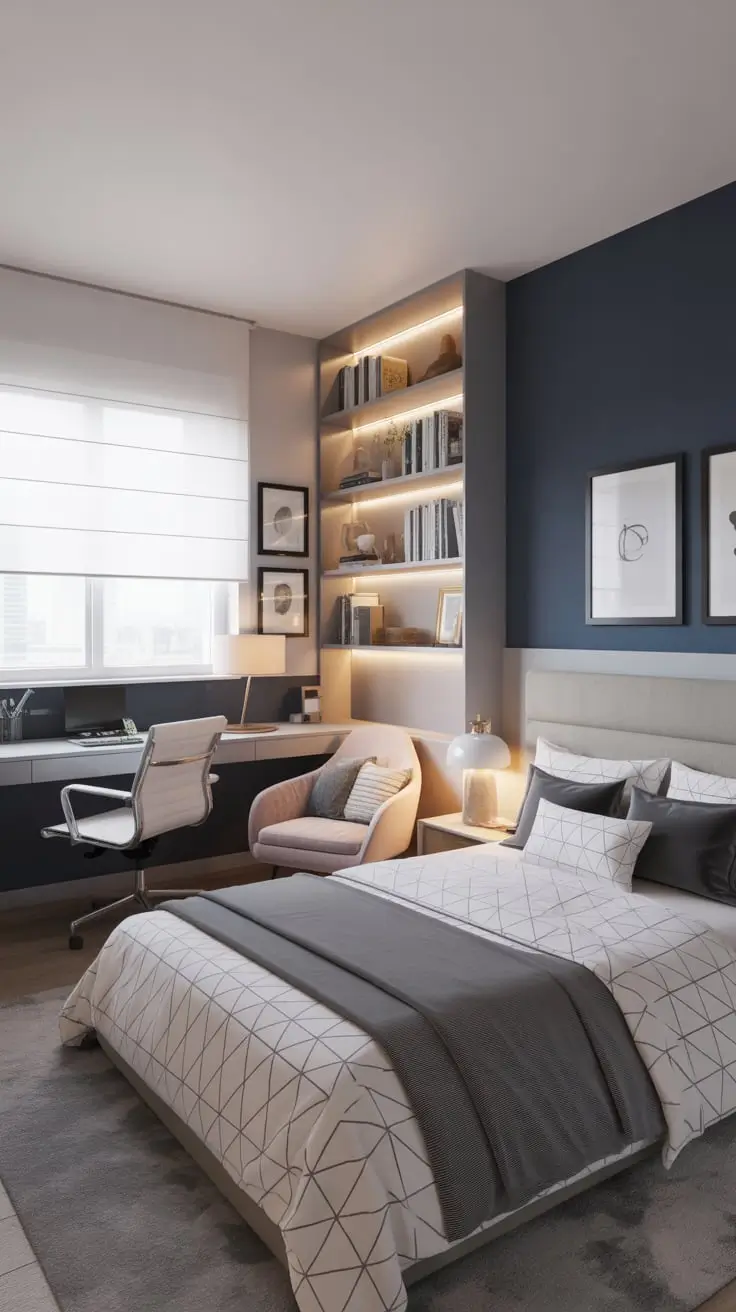
Furniture should support schoolwork and hobbies. I typically choose a standard-height bed with built-in storage, a full-size desk with drawers, and a comfortable reading chair. Aesthetic details like wall molding or LED strips can add personalization without locking the room into a theme that may quickly fade. This stage is also ideal for introducing more organizational furniture—drawer systems, labeled shelves, or closet inserts.
From experience, children at this age are eager to express their preferences but still need guidance. Many U.S. interior experts recommend offering “transitional style choices,” meaning designs that can shift easily into teen years. I follow this principle closely, ensuring every design component has longevity.
I would add an emphasis on display areas—trophy shelves, art frames, or sports memorabilia—which help personalize the room meaningfully.
6. Smart Boys Bedroom Ideas for Small Spaces
When working with boys bedroom ideas small space, efficiency becomes the top priority. I always begin by analyzing vertical potential—walls, corners, and elevated structures can unlock surprising usability. Light colors paired with strategic lighting make compact rooms feel larger. Sliding doors, wall-mounted lamps, and fold-away desks become essential tools in maximizing functionality.
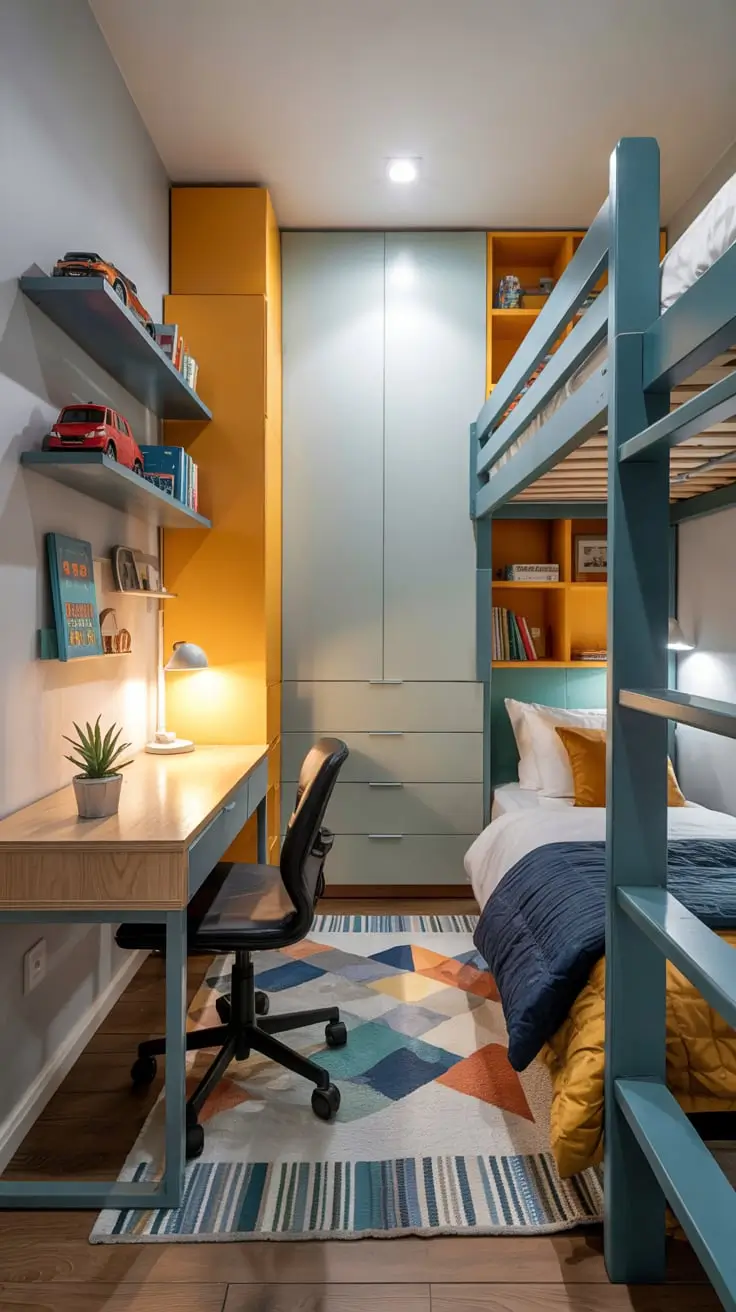
Smart furniture choices define the success of small-scale layouts. I often use loft beds to free up valuable floor space, or compact bunk setups for siblings. Wall-mounted bookcases, narrow dressers, and under-bed storage containers are key in keeping clutter minimal. Whenever possible, I incorporate mirrors to enhance perceived space and motion-friendly layouts to ensure the room stays easy to navigate.
In my career, I’ve often seen small rooms outperform large ones when designed thoughtfully. Experts from Real Simple emphasize using “multi-purpose furniture designed to grow,” something I use religiously when optimizing tiny bedrooms.
What I would additionally include here is guidance on color zoning—using two or three complementary shades to visually separate areas without adding physical partitions.
7. Contemporary Boys Bedroom Ideas for Teens
Modern teen rooms require sophistication balanced with personality, aligning closely with boys bedroom ideas teen. When designing these spaces, I aim for clean lines, streamlined furniture, and a slightly more grown-up palette. Black, slate gray, muted blues, and natural woods blend well in contemporary designs. Teens tend to appreciate décor that feels “adult,” so minimalist gallery walls, simple bedding, and matte finishes work beautifully.
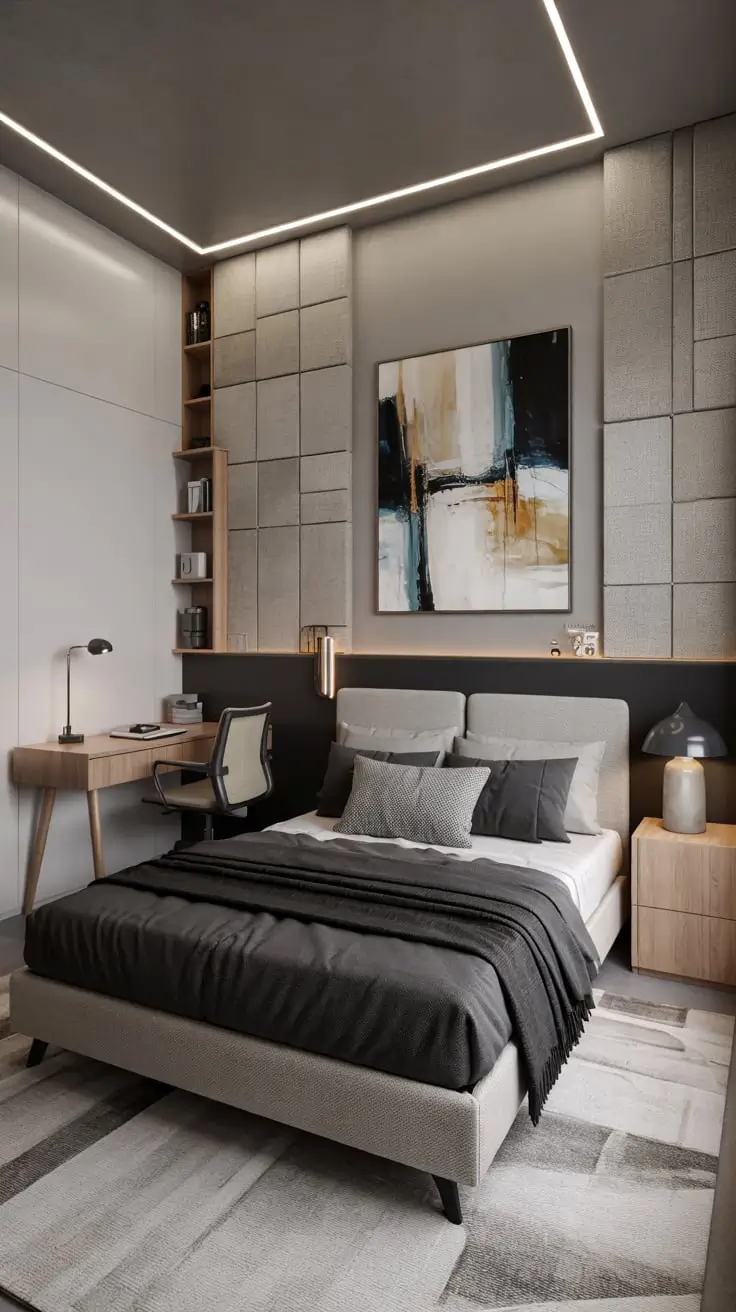
Furniture becomes more serious at this stage: a full-size bed, a dedicated workstation, and ample wardrobe storage. I prefer floating shelves, slimline desks, and modern lighting fixtures such as linear pendants or LED backlighting. Since many teens enjoy gaming or digital hobbies, I include cable organization and acoustic elements to improve comfort and functionality.
Based on my experience, contemporary teen rooms succeed when they feel serene and intentional. As Elle Decor notes, “a restrained palette fosters focus and calm,” which is essential for teens juggling school, friends, and hobbies. I fully agree and design these spaces to be both expressive and restorative.
An improvement to this section would be discussing soundproofing solutions—acoustic panels or heavy curtains—that enhance privacy and concentration.
8. Boys Bedroom Ideas With Space-Saving Bunk Beds
When I design rooms using boys bedroom ideas with bunk beds, I always focus on functionality and movement flow. In many modern homes, optimizing every inch matters, especially when families need layouts that support growing children. Space-saving bunk beds make an excellent solution for siblings sharing a room or for children who frequently have sleepovers. I always evaluate room dimensions carefully to determine the best wall placement, ensuring that beds do not obstruct natural light or block access to storage. These designs naturally support boys bedroom ideas small space, offering both comfort and efficiency.
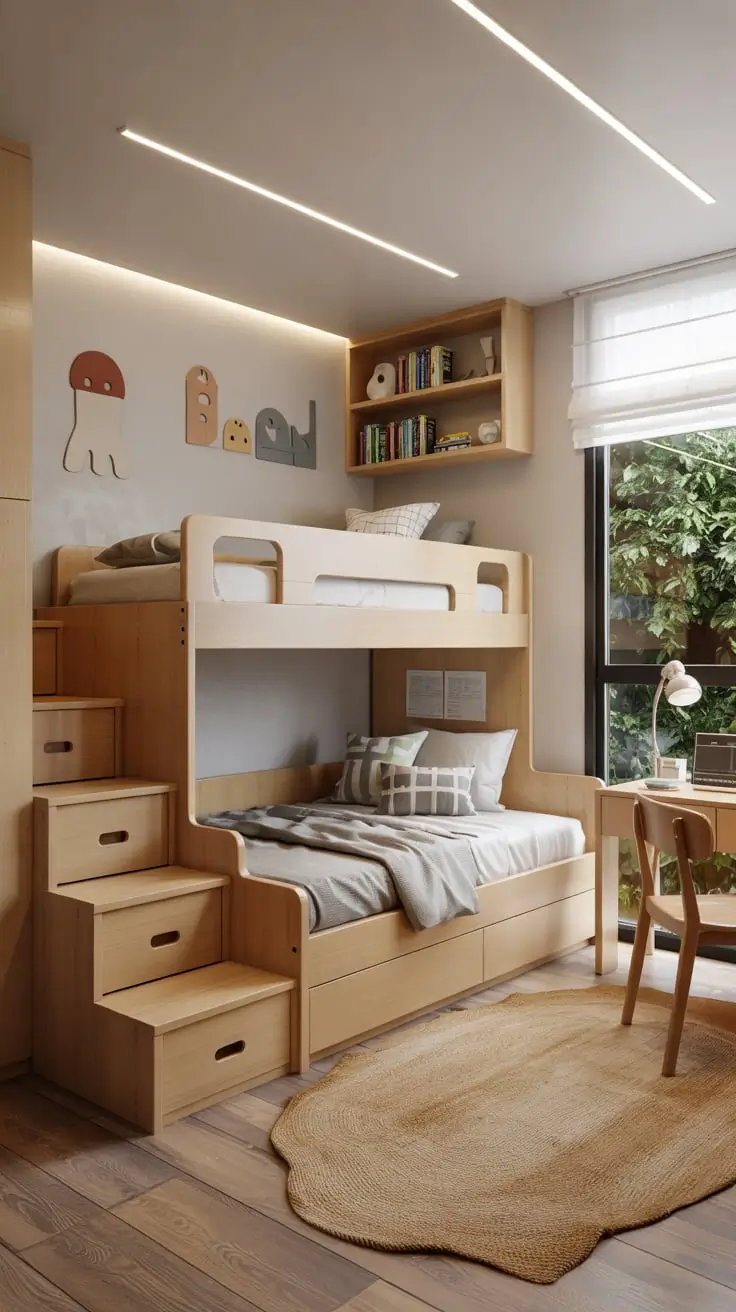
The furniture in a bunk-bed-focused room must be thoughtfully selected. I often choose slim, built-in ladders, safety railings, and drawers integrated into the lower bunk to reduce clutter. Wall-mounted shelves and sconces help free up floor area, while narrow desks or rolling carts offer compact study zones. When I include bunk beds, I look for high-quality materials and designs that complement the room’s aesthetic direction. Practical additions like under-bed storage or a trundle drawer enhance the smart functionality of the entire space.
From my professional experience, bunk bed rooms succeed when the design feels both structured and open. Designers at Dwell often highlight the importance of “vertical optimization” in children’s rooms, and I agree completely. By using the height of the room creatively, families can maintain open play zones that boys appreciate, especially at younger ages like those inspired by boys bedroom ideas age 7 or boys bedroom ideas 11-12. This approach ensures safety, comfort, and longevity.
If I were to add anything to this design concept, it would be sound-absorbing elements such as soft textiles, padded headboards, or acoustic wall panels. These additions help create a quieter and more restful environment, especially when two children share the space.
9. Toca Boca–Inspired Boys Bedroom Ideas
Designing around boys bedroom ideas toca boca allows me to embrace playful digital aesthetics in a way that still looks modern and functional. I often translate the vibrant world of Toca Boca into clean geometric shapes, bold accent colors, and imaginative layouts that spark creativity. While the game is lively, I use toned-down variations of the palette to maintain a balanced and livable environment. This style works beautifully for children who enjoy storytelling and adventure-driven play, making it a great fit for ages inspired by boys bedroom ideas toddler and boys bedroom ideas age 7.
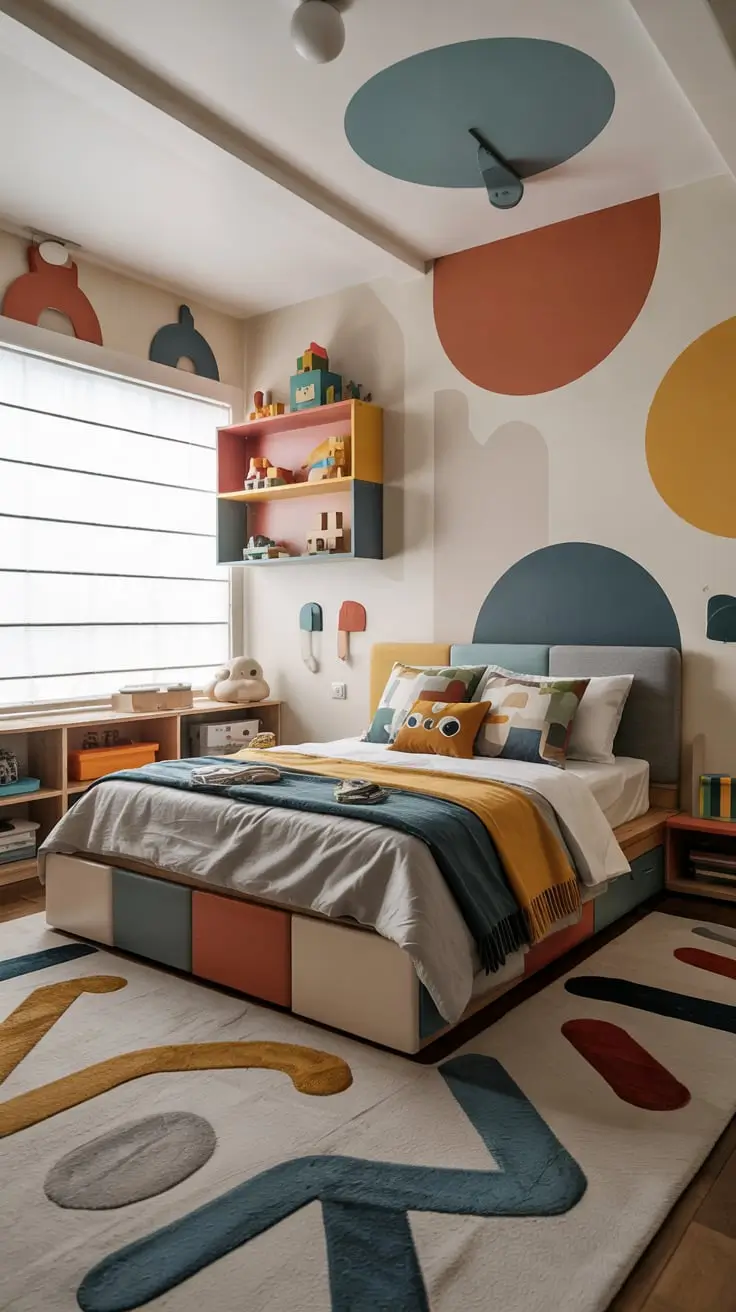
In these rooms, I like incorporating modular furniture, colorful storage cubes, playful rugs, and wall decals with clean outlines reminiscent of Toca Boca graphics. A low platform bed paired with open shelving gives the space a progressive and well-organized look. Incorporating soft lighting and rounded furniture pieces adds safety and warmth, keeping the room approachable and visually appealing. I often include magnetic boards or interactive chalk panels that mirror the creative energy found in the game.
I find this theme particularly rewarding because it encourages imagination without being overbearing. Many design experts at Apartment Therapy emphasize avoiding “theme overload” by balancing bold elements with neutral backdrops. I follow the same principle here, allowing the room to maintain longevity even as the child matures. By grounding the décor with whites, beiges, or light woods, the colorful accents feel purposeful rather than chaotic.
One improvement that could enhance this theme is integrating more sensory-friendly textures—like felt panels or corduroy cushions—to provide a tactile dimension to the digital-inspired look.
10. Functional Boys Bedroom Ideas Featuring Bunk Beds
When I work with boys bedroom ideas bunk beds from a functional perspective, my primary goal is to make the room adaptable for daily routines. Bunk beds can become multifunctional systems when designed thoughtfully, offering sleeping areas, study nooks, and built-ins without sacrificing open space. I often design layouts that maximize circulation and give each child a defined sense of personal territory. This is especially important in families with siblings close in age or boys entering stages similar to boys bedroom ideas teenagers.
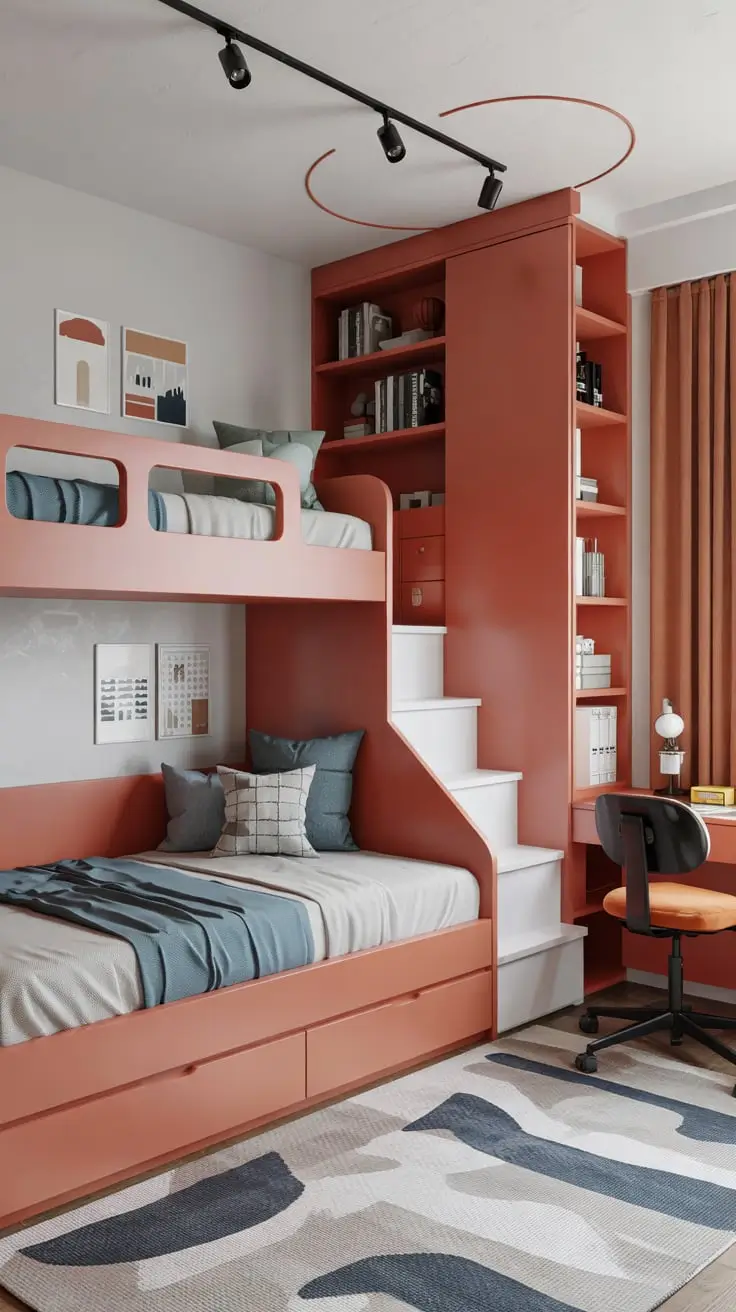
Function-driven bunk bed rooms usually incorporate furniture with clean lines and multi-use features. I like using bunk beds that integrate a desk beneath the top bunk or storage steps instead of a traditional ladder. Adding a tall wardrobe beside the bunk builds vertical storage that anchors the layout. Soft LED lighting gives each bed individuality, while slim desks and floating shelves maintain the room’s open feeling. Every piece is chosen intentionally to balance comfort and organization.
In my experience, functional bunk bed rooms are some of the most rewarding projects because they create harmony within limited square footage. According to insights from HGTV, “customized bunk bed layouts are a leading trend for 2026,” especially in families redesigning shared spaces. I fully support this direction, as custom-designed bunks ensure durability, safety, and aesthetic cohesion.
If I were to expand this section further, I would include the importance of using adjustable furniture solutions that can evolve with the child, such as removable study components or reconfigurable storage.
11. Aesthetic Boys Bedroom Ideas for Trendy Kids
When applying boys bedroom ideas aesthetic, I focus on creating soothing, polished, and visually cohesive rooms that still reflect a child’s personality. In 2026, aesthetic boys’ rooms lean toward soft neutrals, earthy tones, and curated décor that avoids clutter. Whether I’m designing for a child or using boys bedroom ideas teen concepts, I aim to incorporate modern simplicity paired with warm textures and intentional accents. This approach keeps the room stylish while supporting calm and creativity.
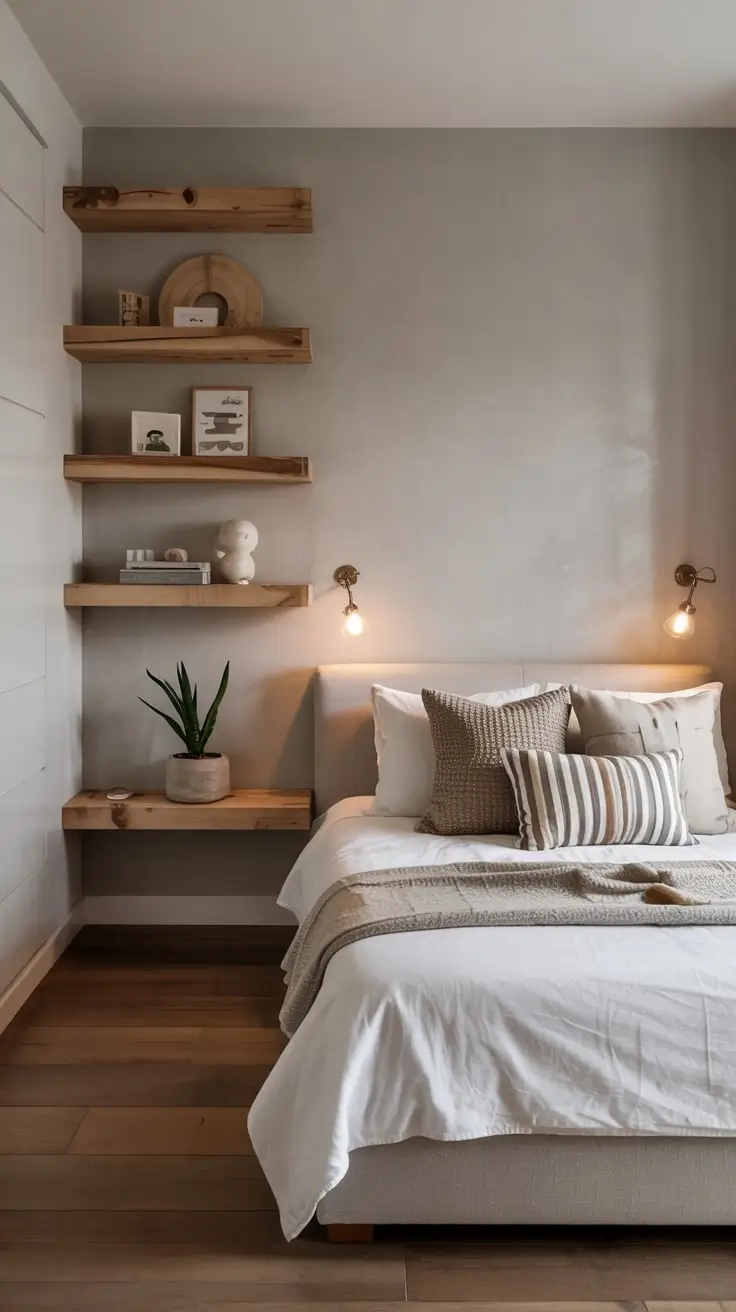
Furniture plays a central role in building an aesthetic atmosphere. I typically select low-profile beds, natural wood nightstands, minimalist lighting fixtures, and organic fabrics that elevate the room’s ambience. Floating shelves allow for decorative pieces without overwhelming the layout, while hidden storage maintains a clean look. Soft-toned artwork, ribbed wall panels, or a statement rug can all enhance the room’s overall mood, making the space feel both modern and personal.
In my professional experience, children respond positively to environments with visual harmony. Experts at Better Homes and Gardens often emphasize the value of “calming design palettes for kids’ rooms,” and I agree wholeheartedly. Aesthetic rooms encourage organization, reduce distraction, and create a sense of comfort that supports learning and rest.
If I were to add anything further, I would incorporate more natural elements such as plants or warm-toned lighting to reinforce the room’s serenity and make it feel even more welcoming.
12. Timeless Blue Boys Bedroom Ideas
Designing with boys bedroom ideas blue allows me to work within a color palette that is both timeless and incredibly flexible. Blue bedrooms remain a favorite in 2026 because they adapt to all ages—from boys bedroom ideas toddler to boys bedroom ideas teenagers. I often use tones like navy, denim, or muted sky blue to build a structured and soothing environment. Blue is an ideal foundation color because it pairs effortlessly with modern woods, metallics, and neutral décor.
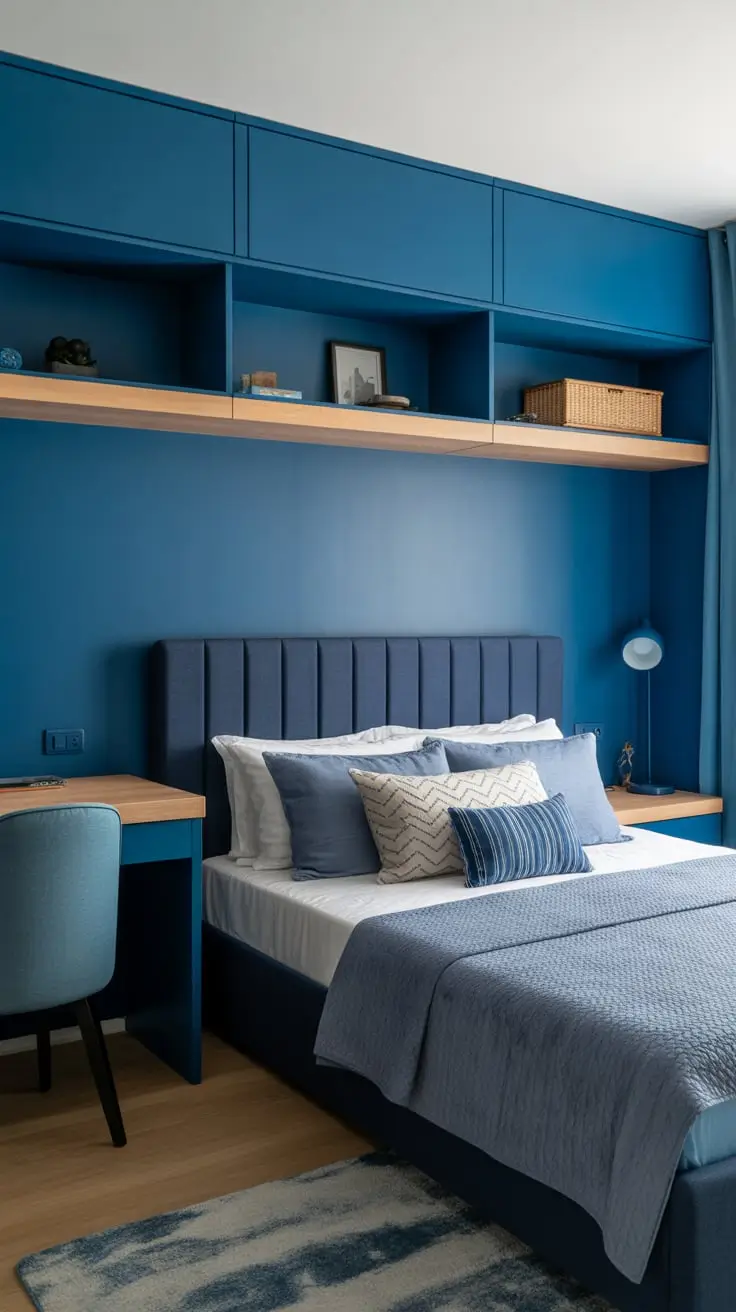
For a blue-themed room, I choose furniture that highlights and complements the palette. A navy upholstered bed, natural wood desk, and brushed-metal lighting fixtures work beautifully together. Textured bedding in layered shades of blue creates visual depth, while wall art in contrasting whites or warm neutrals keeps the space balanced. I often include storage solutions that blend into the design—blue-wrapped bins, built-in closets, or paneled shelving that continues the color story.
Over the years, I’ve found that blue bedrooms age gracefully with children. Designers cited in Real Simple frequently describe blue as the “most versatile anchor color for kids’ rooms,” a sentiment I strongly support. Blue offers stability while still allowing for playful and mature accents depending on the child’s developmental stage.
One additional touch that could enhance a blue-themed room would be introducing lighting with adjustable warmth to shift the mood from energizing daylight tones to calming evening ambiance.
13. Sports-Themed Boys Bedroom Trends for 2026
Sports-themed rooms remain popular among boys, offering a great opportunity to design around personal interests. When I apply these ideas, I make sure the theme complements rather than dominates the room. Unlike dated sports rooms, 2026 designs incorporate refined elements—subtle wall graphics, memorabilia shelves, or custom bedding—instead of overly literal décor. This approach keeps the room stylish while still aligning with broader concepts like boys bedroom ideas aesthetic and flexible use for boys bedroom ideas 11-12 or teens.
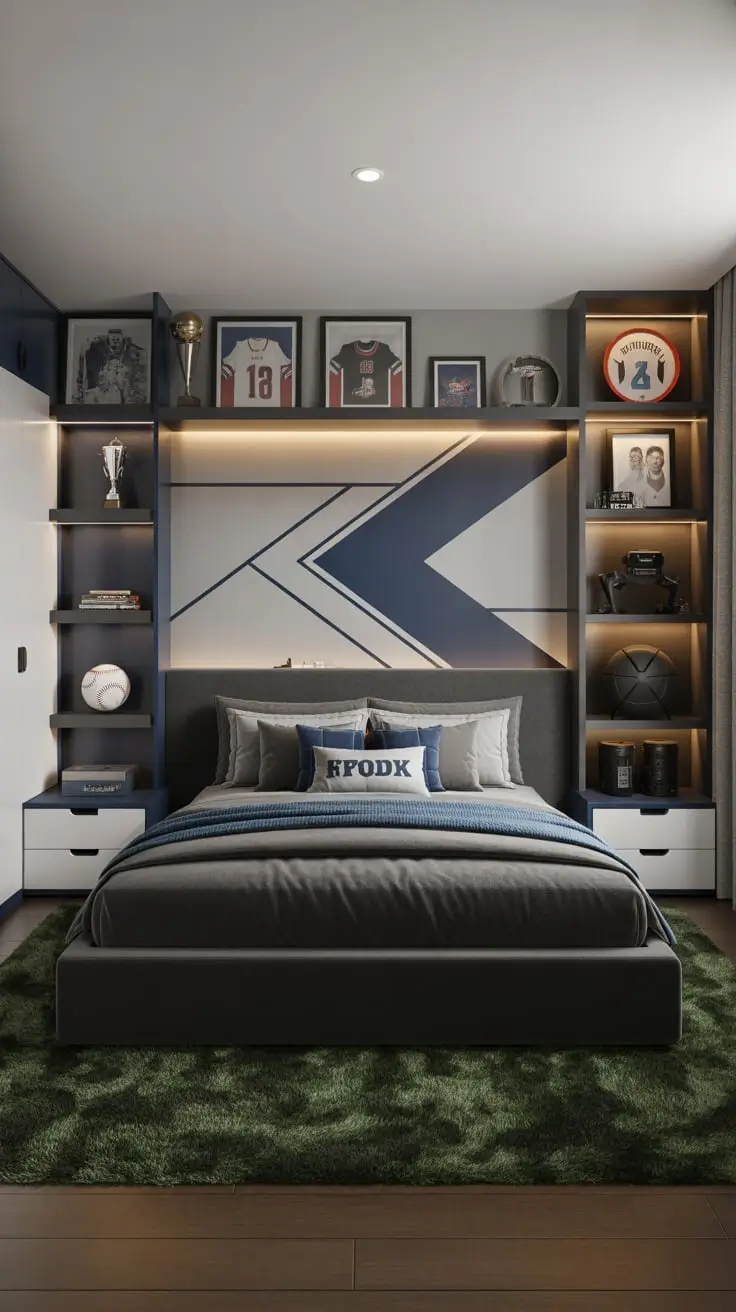
I select furniture that supports both activity and rest. A durable bed frame, a desk for schoolwork, a gear storage area, and floating display shelves help create an organized and energetic space. Incorporating turf-textured rugs, jersey-colored accent pillows, or framed sports prints allows personality without overcrowding the design. Wall-mounted hooks for equipment or slim storage benches make the room more efficient and visually cohesive.
Professionally, I’ve noticed that boys engage more with their rooms when they see their interests represented in subtle, modern ways. Experts at House Beautiful recommend incorporating “personal identity moments” into kids’ rooms rather than overwhelming themes, which supports my approach. This method keeps the space future-proof, especially as tastes evolve or interests shift.
To further enhance this concept, I would incorporate additional acoustics or durable flooring options, especially for boys who practice indoor drills or engage in active play.
14. Adventure-Inspired Boys Bedroom Concepts
Adventure-inspired bedrooms encourage imagination and curiosity across all ages, making them ideal for children transitioning between stages like boys bedroom ideas age 7, boys bedroom ideas 11-12, and early boys bedroom ideas teenagers. I like using warm woods, earthy textiles, and subtle thematic elements—mountain murals, map prints, or explorer-style lighting. These details create an environment that feels dynamic yet grounded, inviting both play and relaxation.
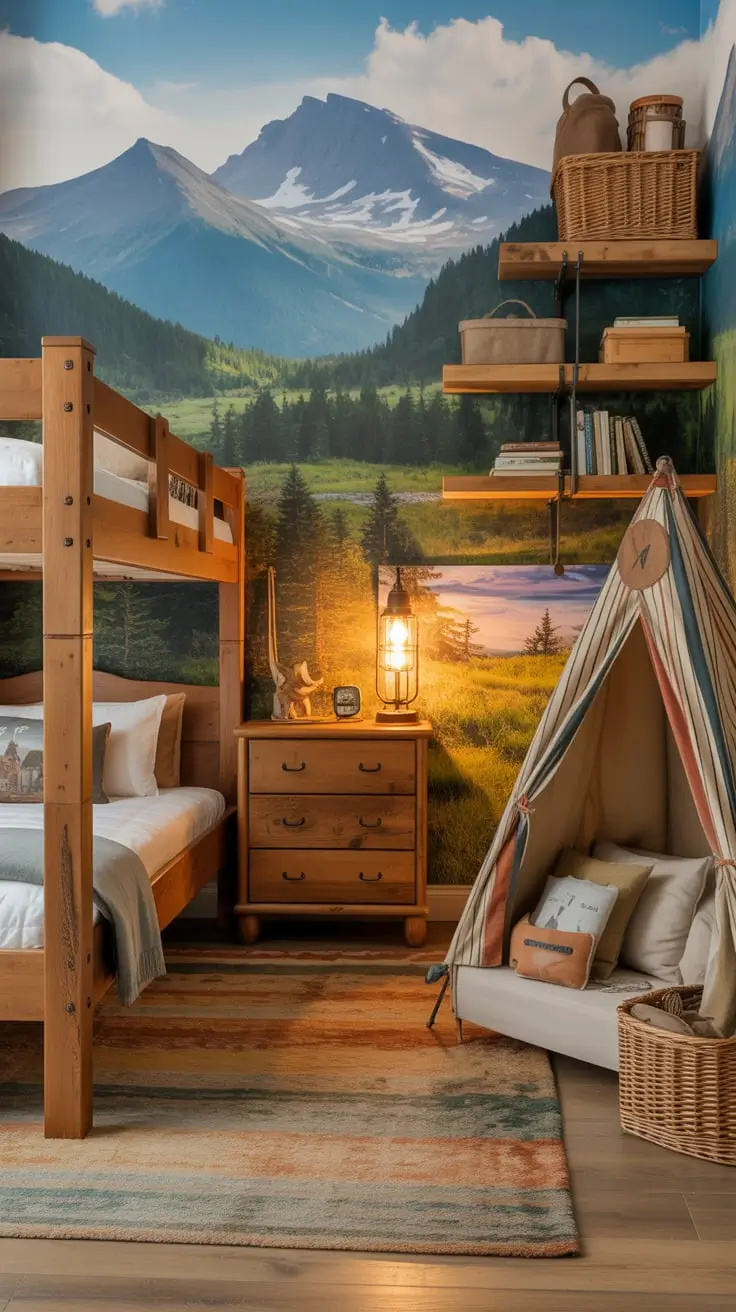
Furniture choices help build the adventure concept. I often incorporate a rustic-style bed, canvas storage bins, rope accents, and industrial lighting fixtures to evoke a sense of discovery. Layered rugs, textured bedding, and wooden shelving create a cohesive and natural feel. A small reading tent or floor cushion area adds comfort while reinforcing the adventure motif without overwhelming the room.
In my work, I’ve seen how adventure-themed rooms inspire kids to use their imagination more freely. Publications like Domino Magazine highlight the importance of “experience-based décor” in children’s rooms, something I fully agree with. By incorporating subtle narrative elements, the room becomes interactive without becoming cluttered or overly themed.
One improvement that could elevate this concept is adding tactile elements like jute wall hangings or cork panels to create more sensory engagement and visual interest.
15. Technology-Enhanced Boys Bedroom Designs
When I design technology-enhanced bedrooms, I focus on creating smart spaces that elevate function without overwhelming the child. This approach is especially useful for older children inspired by boys bedroom ideas teenagers or transitional groups like boys bedroom ideas 11-12. I incorporate discreet tech features such as smart lighting, built-in charging hubs, and automated blinds to support modern living. These designs remain clean, intuitive, and adaptive for kids with evolving interests.
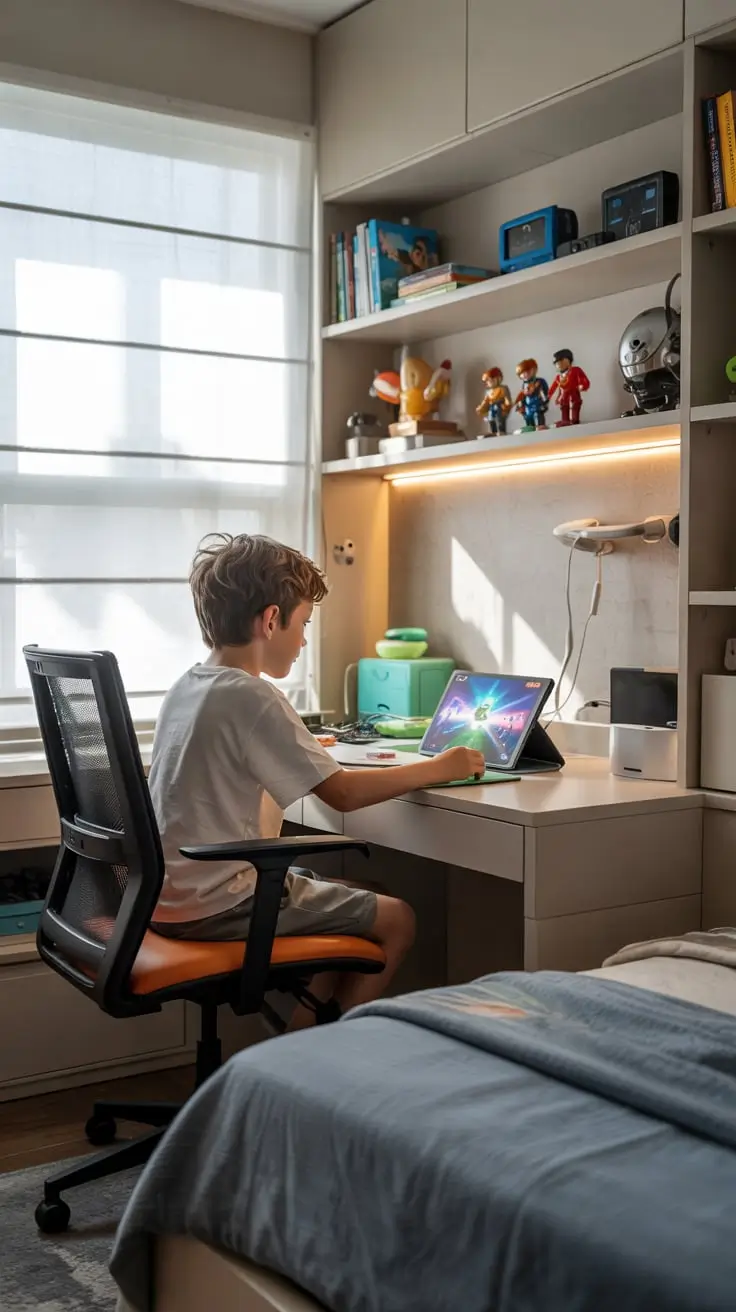
To support a high-tech layout, I choose furniture that accommodates cables, devices, and accessories neatly. A sleek desk with integrated wire management, a padded gaming-style chair, and wall-mounted shelves help keep the space organized. Adjustable LED lighting behind the headboard, a smart speaker, and functional bedside storage create a harmonious environment where tech blends naturally with décor. I also ensure screens are positioned to support proper posture and ergonomics.
From my experience, tech-enhanced rooms work best when technology remains purposeful rather than excessive. Experts at Wired Home recommend “integrative smart features rather than dominant digital décor,” which aligns with my design philosophy. The focus should remain on creating a functional, stylish, and balanced environment that doesn’t overpower the room’s personality.
If I expanded this design concept further, I would add more soundproofing features such as acoustic wall panels or thick curtains to improve the child’s comfort during online learning, gaming, or studying.
16. Minimalist Boys Bedroom Ideas for Clean Living
Minimalist design has become increasingly influential in children’s interiors, especially for families wanting clutter-free, calming spaces. When applying minimalist concepts, I rely on soft neutrals, organized layouts, and purposeful furnishing. This approach works well for a range of age groups, whether I’m referencing boys bedroom ideas toddler, boys bedroom ideas teen, or boys bedroom ideas age 7. Minimalism encourages independence and mental clarity, allowing the room to evolve with the child.
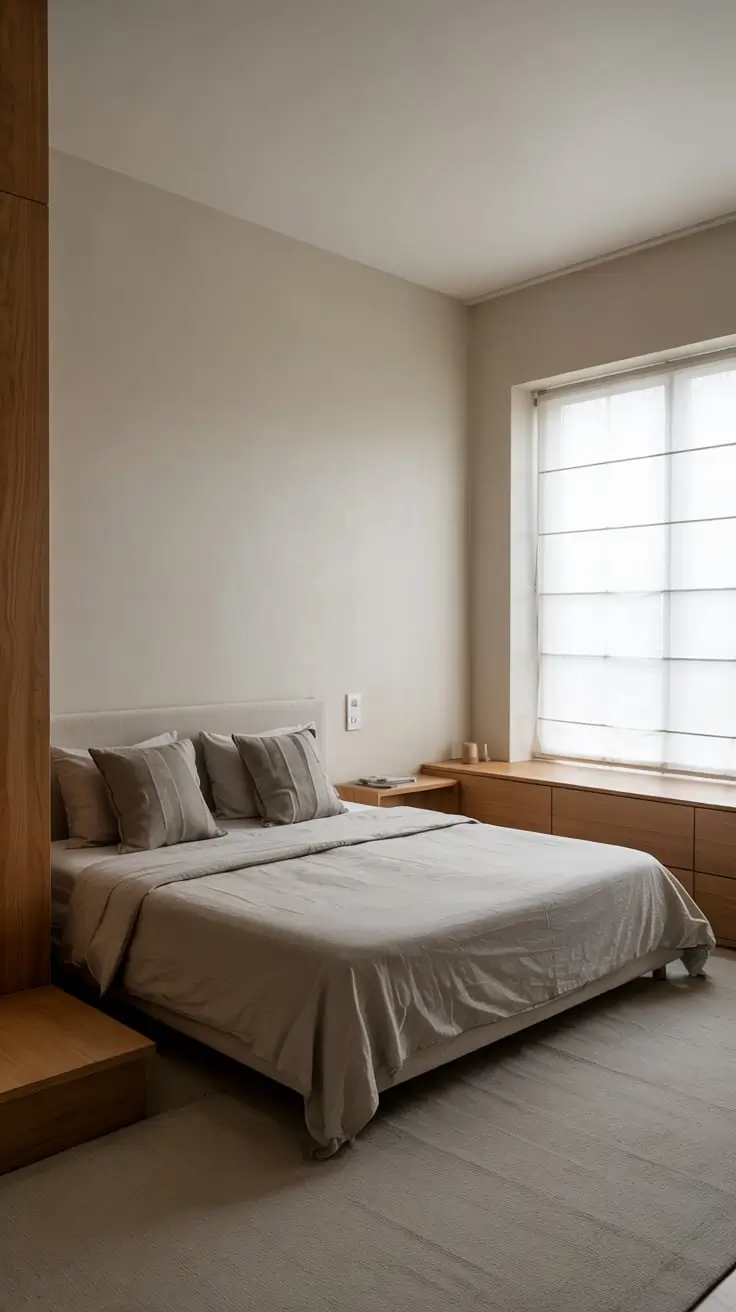
In a minimalist boys’ bedroom, furniture choices are crucial. I typically include a simple platform bed, a streamlined wardrobe, and a lightweight desk with clean lines. Natural wood finishes and soft fabrics add warmth without compromising simplicity. Storage remains hidden—under-bed compartments or built-in drawers that blend seamlessly with the walls. Decorative items remain intentional: one statement artwork piece, a single textured rug, or a soft reading light.
Based on my experience, children often respond surprisingly well to minimalist environments because they reduce stimulation and promote organization. Interior specialists at Design Milk often emphasize that “minimizing clutter enhances creativity,” which I see reflected in the behavior of kids who use these spaces. Minimalism supports both mental rest and focused play.
If I were to enhance this concept, I would incorporate more natural materials such as linen drapery or wicker storage baskets, which soften the room while maintaining the minimalist vision.
17. Nature-Inspired Boys Bedroom Decor Themes
Nature-inspired rooms have always appealed to families who want a calm, earthy atmosphere for their children. When I design these spaces, I incorporate greens, browns, beiges, and natural textures that evoke a tranquil environment. This direction works beautifully for a range of ages, from boys bedroom ideas toddler to older groups such as boys bedroom ideas teenagers. Nature-themed design encourages relaxation and imaginative play while maintaining a modern, tasteful aesthetic.
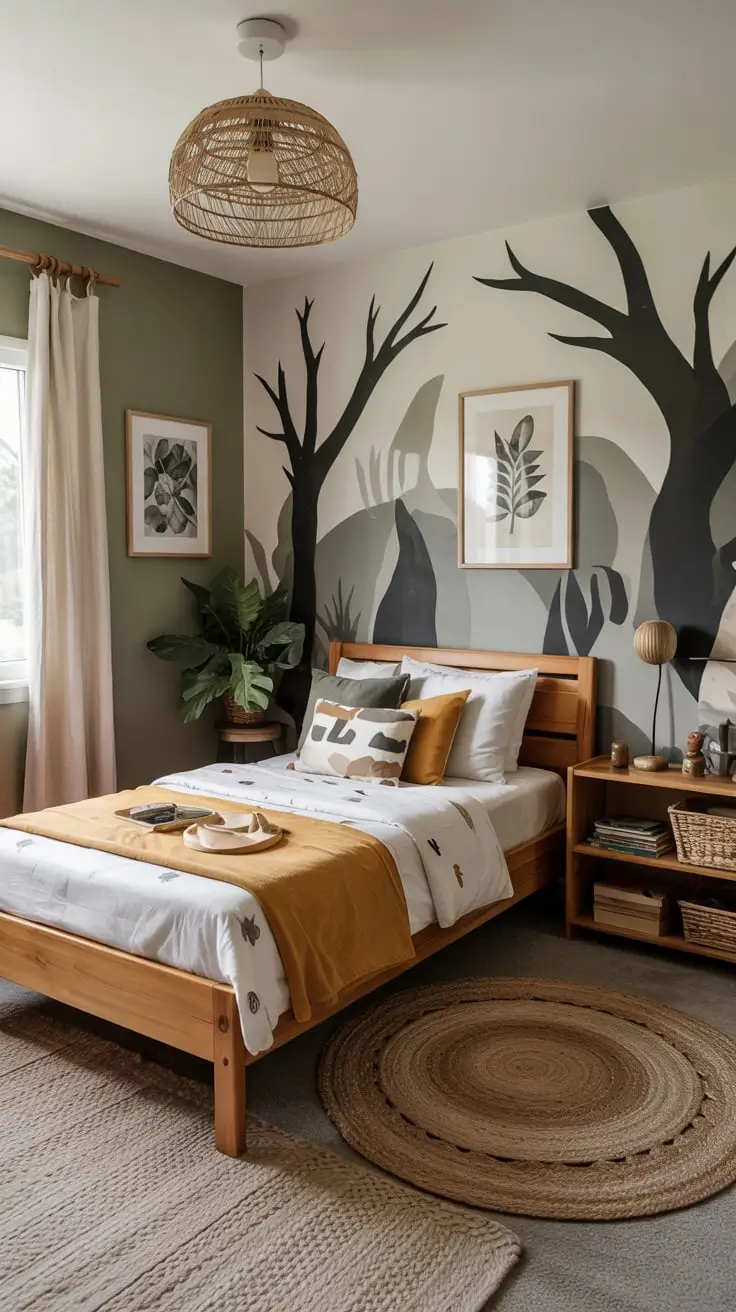
For furnishings, I select pieces made from wood, rattan, or other natural materials. A rustic bed frame, canvas storage bins, woven rugs, and warm-toned textiles form the foundation of the design. Adding elements such as botanical wall art, soft green accents, or subtle nature murals brings the theme to life without overwhelming the space. I often include large windows or soft lighting to enhance the organic atmosphere.
Professionally, I’ve found that nature-inspired rooms support healthier sleep and focus, something experts at Better Homes and Gardens also highlight. Kids feel more grounded and at ease in spaces that mimic natural surroundings. This style works exceptionally well for children going through developmental transitions, supporting both rest and curiosity.
To build upon this idea, I would incorporate more sensory elements, such as textured wall coverings or soft floor cushions, which make the room feel even more immersive and nurturing.
18. Gaming-Ready Boys Bedroom Layout Ideas
With gaming being a major interest for many boys, creating gaming-ready room layouts has become a common request. When I approach these designs, I focus on ergonomics, organization, and aesthetic balance. This concept aligns strongly with boys bedroom ideas teen and boys bedroom ideas teenagers, as these age groups typically require dedicated gaming zones. Still, it can be adapted for younger children with responsible screen-time structures.
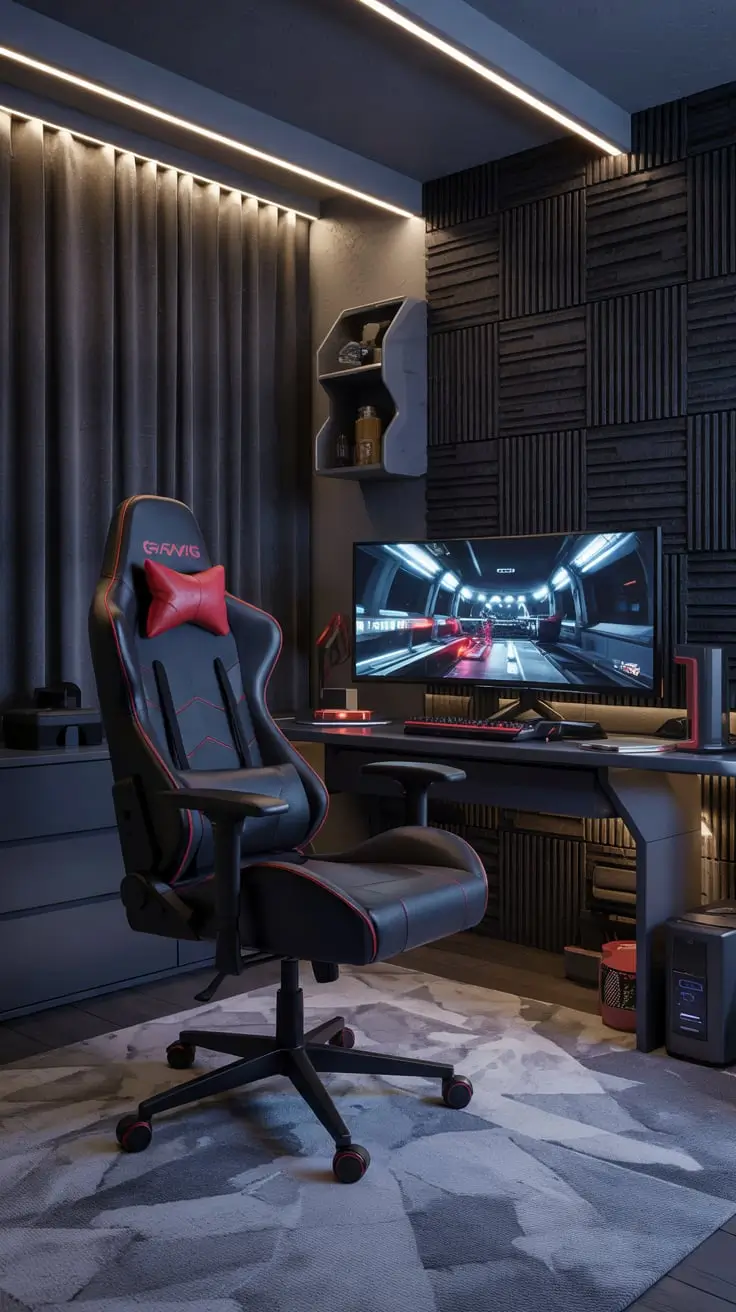
Gaming rooms require specific furnishing choices. I prioritize a supportive gaming chair, a sturdy desk sized appropriately for monitors, and cable-managed shelves that keep equipment tidy. LED backlighting behind screens or shelves adds ambiance, while acoustic décor elements such as padded wall panels reduce noise. I choose blackout curtains to enhance screen visibility and soft rug textures to balance the room’s technical feel.
Through my work, I’ve seen poorly planned gaming setups create clutter and discomfort. However, well-designed gaming rooms improve posture, organization, and overall enjoyment. Reports from digital lifestyle experts at CNET emphasize the importance of “ergonomically correct gaming setups,” which is central to my design method. Comfort and efficiency must come before flashy elements.
One thing I would further integrate is modular storage for controllers, games, and accessories, ensuring long-term order and smoother transitions between activities.
19. Budget-Friendly Boys Bedroom Makeover Tips
When families ask for cost-effective makeovers, I focus on small changes that deliver big visual and functional improvements. This works at any age, whether drawing inspiration from boys bedroom ideas age 7, boys bedroom ideas 11-12, or boys bedroom ideas blue. Affordable transformations rely on creativity rather than expensive furniture, allowing families to refresh the space without overspending.
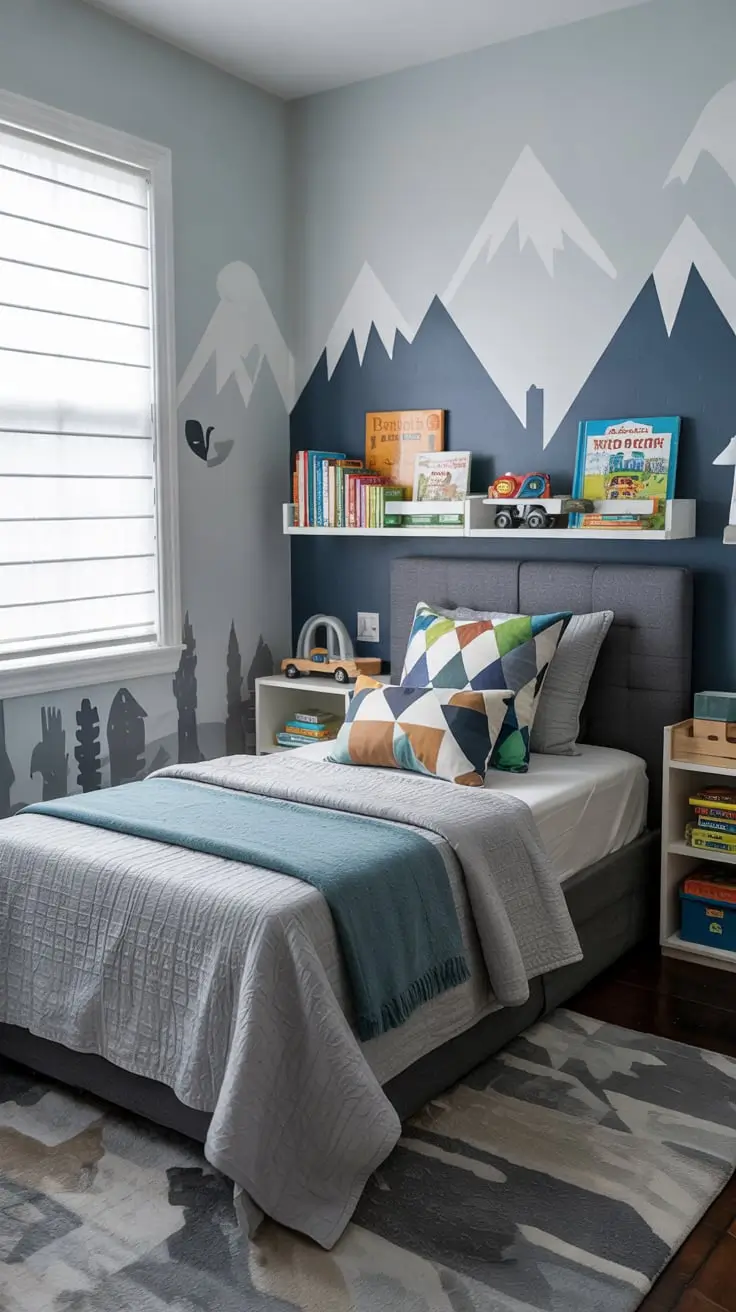
Budget-friendly designs often start with repainting the room. A modern shade of blue, warm beige, or gray can dramatically update the atmosphere. I replace bulky storage with lightweight shelving, incorporate multifunctional furniture, and repurpose existing pieces with new finishes. Swapping bedding, adding peel-and-stick wall art, or introducing low-cost textiles like curtains or cushions can refresh the room instantly. Lighting upgrades, even minor ones, significantly enhance the overall look.
Throughout my work, I’ve seen how accessible updates can transform a room completely. Experts at Real Simple often recommend focusing on “small, high-impact changes,” a principle I use frequently in budget-conscious projects. It allows families to maintain style and practicality even under tight constraints.
If I expanded this section further, I would highlight the value of DIY décor—custom shelving, hand-painted accents, or personalized wall displays that add character at almost no cost.
20. Storage-Savvy Boys Bedroom Solutions
Efficient storage is essential for all boys’ bedroom designs, especially when considering boys bedroom ideas small space or layouts featuring boys bedroom ideas with bunk beds. When I design storage-savvy rooms, I focus on creating systems that encourage tidiness and make it easy for children to maintain organization. My approach blends built-in solutions with versatile, accessible elements.
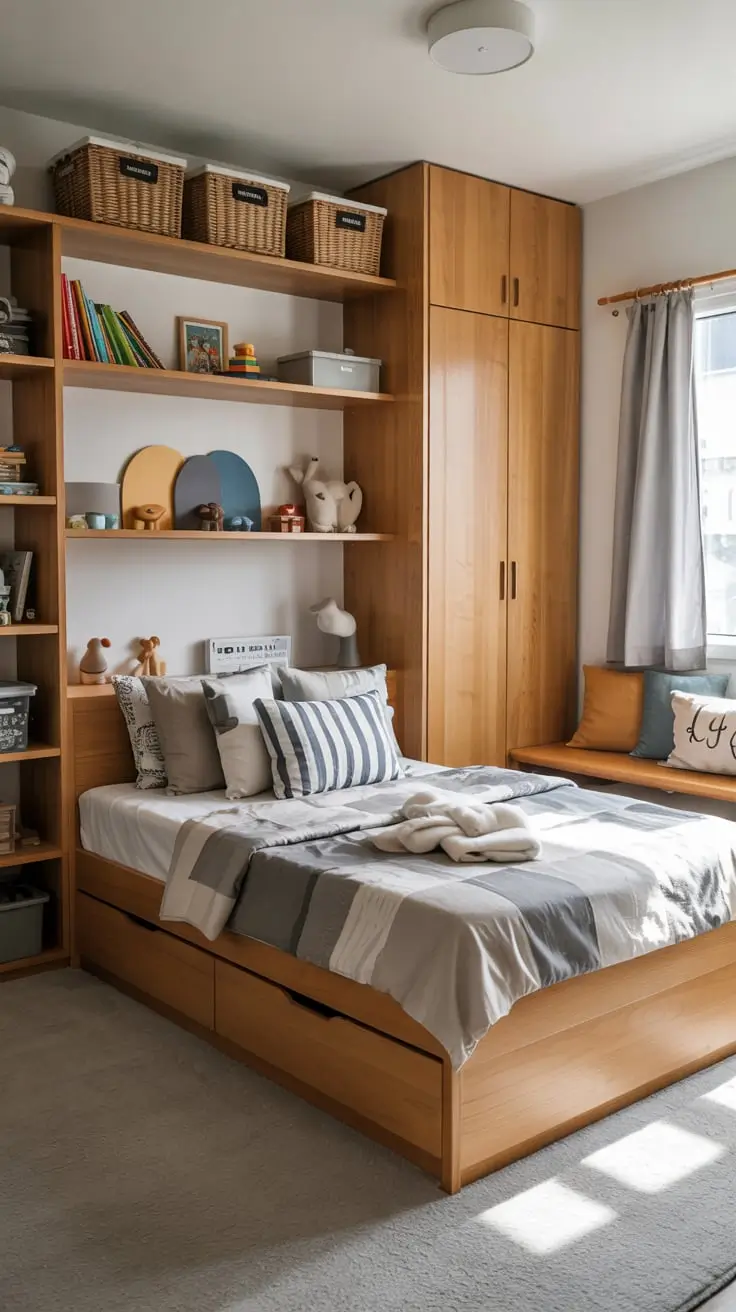
Furniture forms the backbone of smart storage. I often use beds with integrated drawers, tall wardrobes with sectioned interiors, and wall-mounted shelves that free up valuable floor area. Labelled bins, rolling under-bed containers, and modular cube organizers help children learn to categorize belongings. I like incorporating storage benches that double as seating, ensuring every piece serves multiple functions.
In practice, storage-savvy rooms significantly improve daily routines. American interior specialists at The Spruce emphasize that “kids’ rooms function best with storage that adapts to growth,” which reflects my own experience. By planning storage intentionally, the room becomes easier to maintain and more enjoyable for the child.
If I added anything else, it would be digital labeling or smart closet lights to help kids quickly find items, especially in shared spaces or small rooms.
21. Future-Ready Boys Bedroom Trends for 2026 and Beyond
Future-ready bedroom concepts allow me to envision what boys’ spaces will require in the coming years. These designs embrace adaptability, personalization, and long-term growth. I integrate elements that suit boys bedroom ideas teenagers, younger groups such as boys bedroom ideas toddler, and transitional ages like boys bedroom ideas 11-12. Forward-thinking rooms combine style with flexibility, making them ideal for families seeking longevity in their design choices.
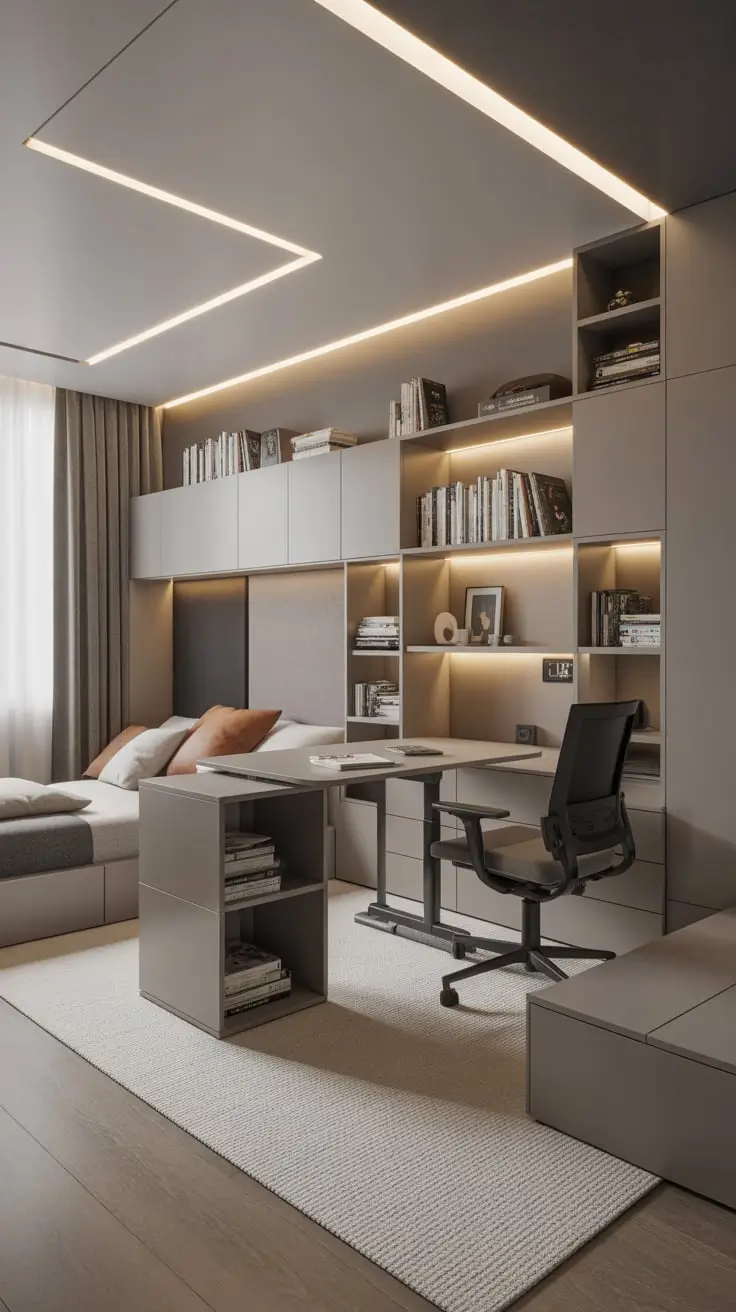
To support future-readiness, I select furniture that adapts to changing needs. Adjustable desks, modular shelving, and convertible beds become vital components. Neutral palettes paired with modern accents ensure the room remains timeless. Smart lighting, cork or magnetic walls, and multifunctional seating help support evolving hobbies, schoolwork, and relaxation. I often incorporate zones for study, sleep, and creativity to keep the space dynamic.
Professionally, I’ve learned that rooms designed with future adaptability require fewer updates over time. Experts at Architectural Digest highlight the value of “design paths that evolve with the child rather than static themes,” which aligns perfectly with this concept. It ensures the room remains functional and visually appealing for years.
If I developed this section further, I would include more discussion on sustainable materials—bamboo furniture, organic fabrics, and eco-friendly finishes—that support long-term durability and environmental responsibility.
22. Conclusion
Designing a boy’s bedroom in 2026 offers endless possibilities, whether you’re working with a small space, planning for teenagers, decorating for a toddler, or creating a fun setup with bunk beds or a bold aesthetic theme. With the right mix of function, creativity, and personalization, any room can become a space where a child feels inspired, supported, and comfortable as they grow. I hope these ideas help you visualize what’s possible and give you the confidence to start transforming your own space. If you’ve tried any of these trends or have unique ideas of your own, share them in the comments—I’d love to hear how you’re bringing these 2026 bedroom inspirations to life.
23.
 Save Pin