Designing functional and stylish shade structures has become an important part of modern architecture and outdoor living. Today many homeowners and designers search for canopy design ideas patio, canopy design ideas modern, and practical canopy tent design ideas that enhance both aesthetics and comfort. Whether it is a Terrace, Patio, Porch, Balcony, or even a Rooftop, the right canopy can transform an ordinary space into a comfortable environment protected from sun and weather.
But what makes a canopy truly effective in modern homes and outdoor areas? How do house canopy design ideas, canopy bedroom design ideas, and gate canopy design ideas influence both architecture and usability? And which small canopy design ideas work best for compact urban homes while larger structures like car canopy design ideas or gas station canopy design ideas require a more structural approach?
In this article I will explore 30 creative canopy concepts for 2026. I will analyze materials such as Glass, Metal, and Concrete, modern solutions like Retractable roofs, and design ideas for Outdoor, Entrance, Carport, Building, and even Wedding spaces. These ideas combine architecture, furniture, and outdoor comfort to create functional and visually appealing environments.
1. Modern Patio Canopy Design Ideas For Stylish Outdoor Living Spaces In 2026
When I design a modern patio canopy, I focus on creating a comfortable Outdoor space that blends architecture with nature. One of the most popular canopy design ideas patio solutions in 2026 is a sleek Metal frame with a minimalist Roof structure that provides shade without overwhelming the surrounding landscape. A well designed Patio canopy often extends from the House or Building, forming a seamless transition between indoor and outdoor living areas. I often combine natural materials and neutral colors to ensure the canopy complements the surrounding garden, terrace furniture, and landscaping. In many projects, I also integrate lighting into the canopy frame to make the area usable in the evening.
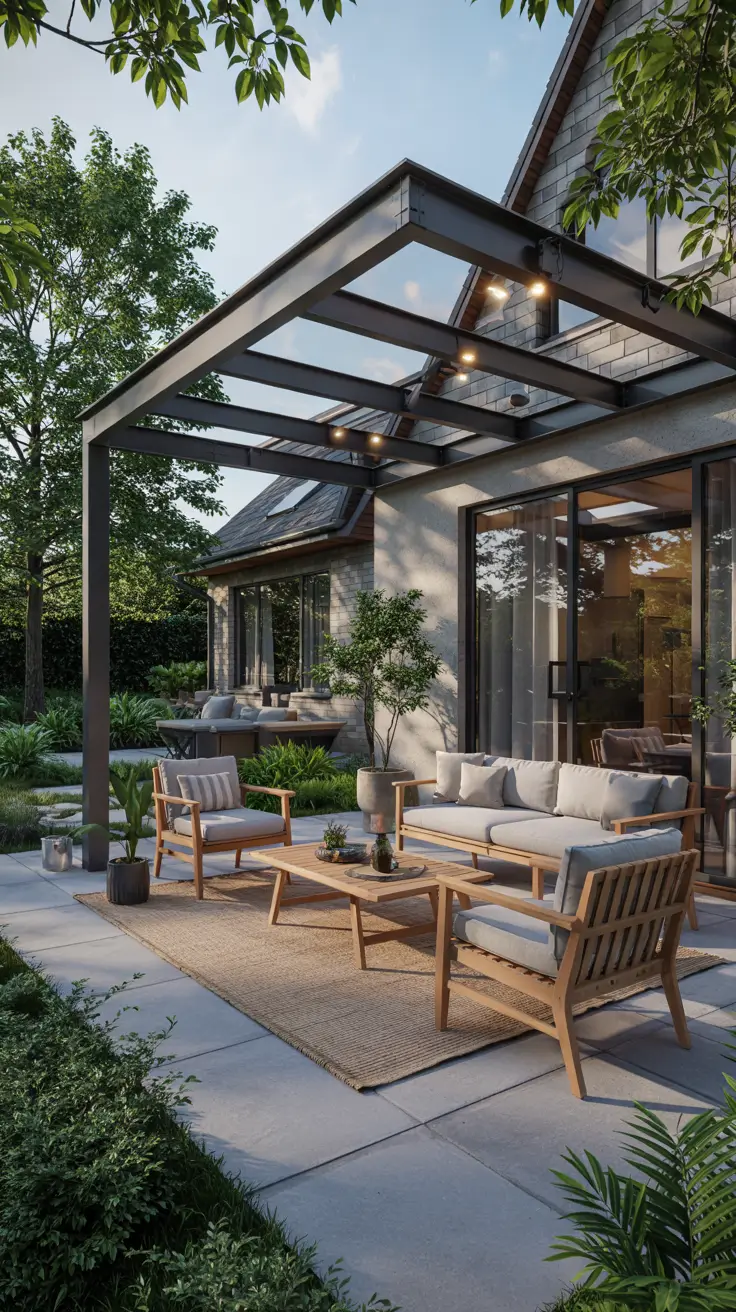
The furniture under the canopy plays a crucial role in creating a functional space. I usually recommend modular outdoor sofas, weather resistant dining tables, and comfortable lounge chairs that suit both relaxing and entertaining. Materials like teak wood, powder coated metal, and outdoor fabrics are ideal for durability. Decorative elements such as outdoor rugs, planters, and subtle wall lighting help make the patio feel like an extension of the interior living room. When designing the canopy, I also consider airflow and sunlight direction to make sure the shade works throughout the day.
From my experience, a modern patio canopy should never feel like an afterthought. Many design experts from Architectural Digest emphasize that outdoor living spaces should be treated with the same design attention as indoor rooms. I fully agree with this approach because a well designed patio canopy can increase comfort, extend seasonal usability, and visually connect the garden with the architecture of the home.
Another aspect I often add to patio canopy projects is integrated climate comfort. Ceiling fans, subtle heating elements, or retractable side screens can significantly improve usability in different seasons. I find that combining shade, airflow, and flexible enclosure options creates a patio space that works well from early spring through late autumn.
2. Contemporary Retractable Patio Canopy Design Ideas For Flexible Outdoor Shade
In many modern homes, flexibility is one of the most valuable design features. This is why canopy design ideas modern often include Retractable shade systems that adapt to changing weather conditions. A retractable canopy allows the patio or terrace to receive sunlight when desired and provide protection during intense sun or light rain. I frequently use retractable systems on a Terrace, Balcony, or Rooftop, where sunlight exposure changes throughout the day. These solutions create a dynamic Outdoor environment that feels open yet protected.
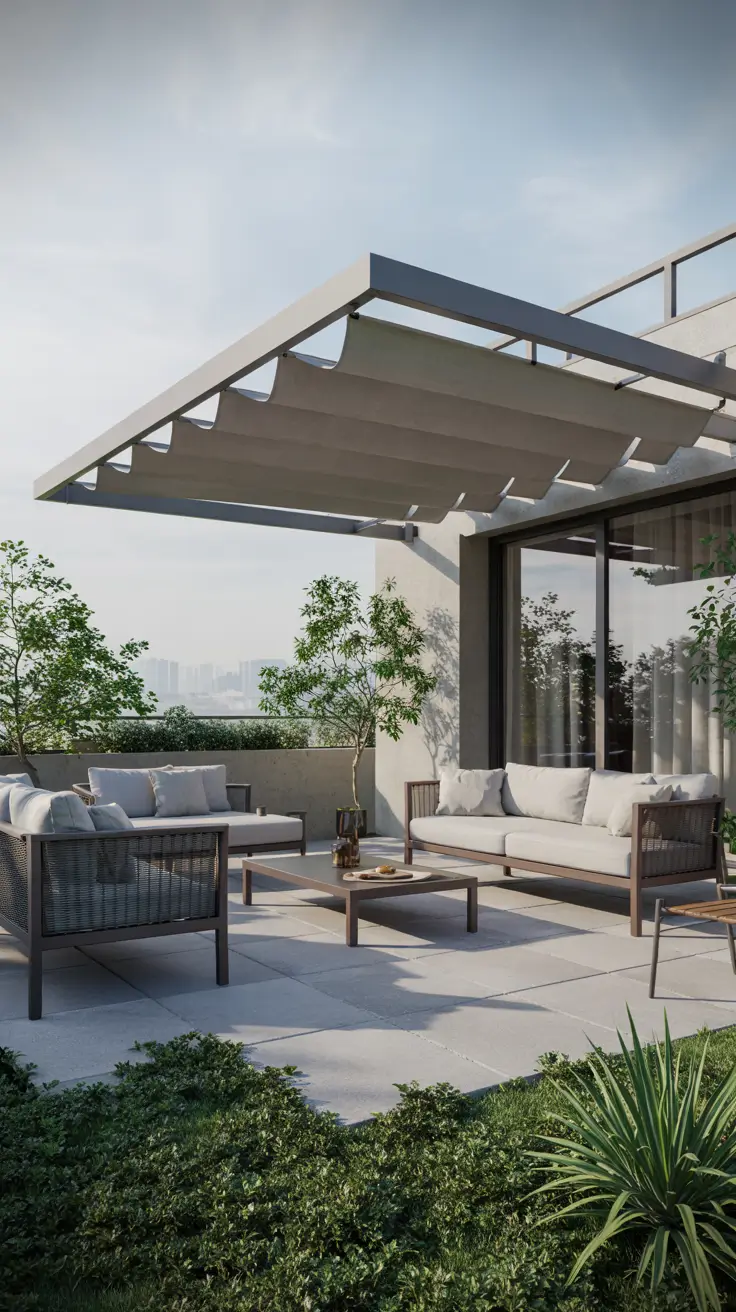
The structure usually consists of aluminum or steel frames combined with durable outdoor fabric. Many homeowners prefer neutral colors like beige, gray, or soft white to match the architecture of the House. I typically recommend installing motorized retractable systems because they provide convenience and precise control. Beneath the canopy, lounge seating, small coffee tables, and greenery help create a relaxed atmosphere. Lighting strips integrated into the frame also allow the space to function in the evening.
Personally, I appreciate retractable canopy designs because they combine engineering and aesthetics. Publications such as Dwell often highlight flexible outdoor architecture as a major trend in modern homes. I have noticed that homeowners appreciate the ability to quickly adjust shade levels while maintaining the clean look of contemporary design.
One improvement I often recommend is adding weather sensors that automatically retract the canopy during strong winds or heavy rain. This protects the structure and extends its lifespan. Small design decisions like this make retractable canopy systems more practical and reliable for everyday use.
3. Elegant Glass Canopy Design Ideas For Modern House Entrances
An elegant canopy entrance design ideas concept often begins with transparency and structural simplicity. One of the most refined solutions is a Glass canopy installed above the Entrance of a House or residential Building. Glass canopies provide shelter while allowing natural light to pass through, which keeps the entrance visually open and welcoming. In modern architecture, these canopies are typically supported by stainless steel rods or slim metal brackets. I often use them in homes with large Window surfaces or minimalist facades.
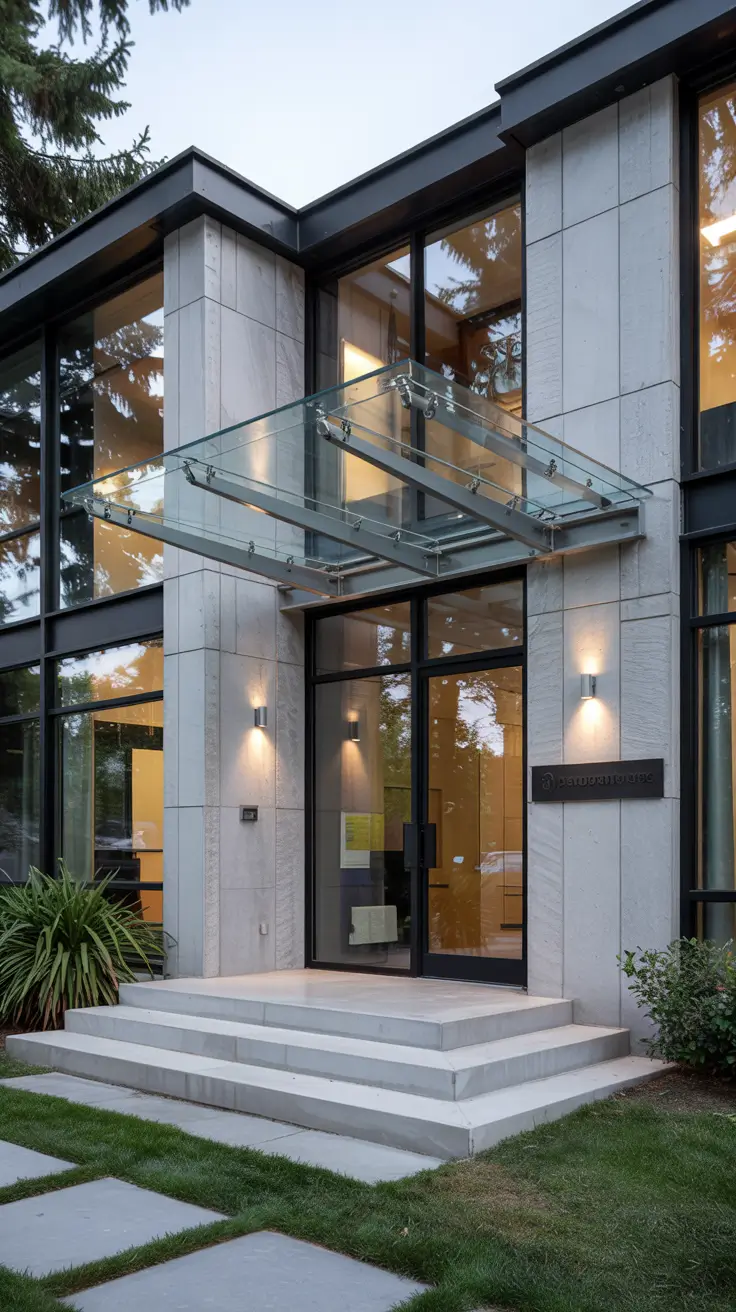
The materials used for glass canopies are carefully selected for safety and durability. Laminated safety glass panels are mounted on stainless steel hardware that resists corrosion and weather exposure. The canopy often extends over a small porch area, creating a sheltered transition between exterior and interior spaces. I also recommend adding subtle lighting near the doorway to highlight the structure at night. When combined with stone or concrete entry steps, the glass canopy becomes an elegant architectural detail.
In my experience, glass entrance canopies are one of the most timeless design solutions. Architectural designers frequently note that transparency helps maintain the visual balance of modern homes. I appreciate how a glass canopy protects the entry while preserving the clean lines of contemporary architecture.
Sometimes I also suggest extending the canopy slightly further to create a small covered Porch. This provides additional protection during rain and creates a comfortable waiting space. Small adjustments like this can significantly improve both functionality and appearance.
4. Small Canopy Design Ideas For Compact Patios, Balconies, And Outdoor Areas
Urban homes and apartments often require creative small canopy design ideas to maximize limited outdoor areas. When I design shade solutions for a Balcony, small Patio, or rooftop terrace, I focus on lightweight structures that do not overwhelm the space. A compact metal frame with fabric shade panels is often ideal for small environments. These canopies create comfortable Outdoor seating zones without blocking views or natural light. In dense city environments, they also add privacy and shade.
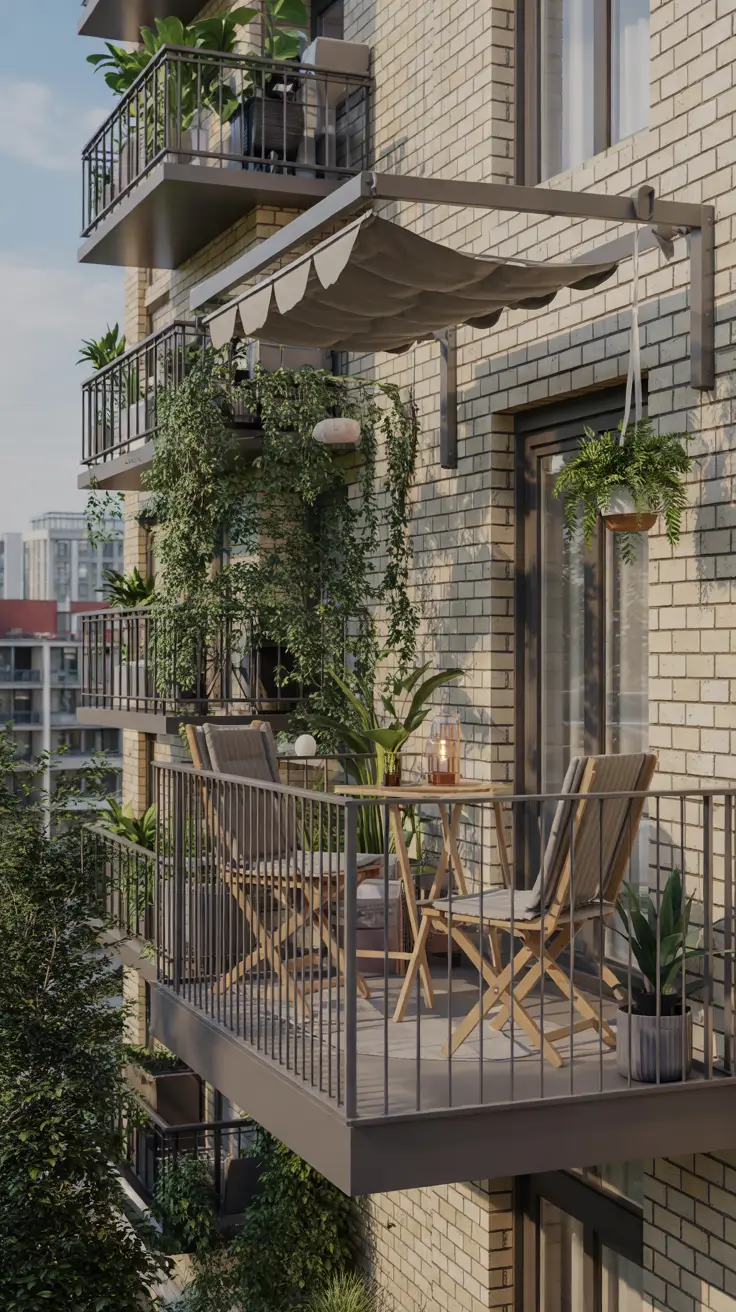
Furniture selection is particularly important in compact areas. I usually recommend foldable chairs, slim tables, and multifunctional seating with storage. Small potted plants, vertical gardens, or hanging planters can add greenery without taking up valuable floor space. A small canopy paired with minimal furniture can transform even a tiny balcony into a cozy retreat. Lighting such as wall sconces or small lanterns helps extend the usability of the space during evening hours.
Personally, I find small canopy solutions especially rewarding because they prove that design is not about size but about creativity. Many interior design experts from Elle Decor highlight the importance of layering textures and materials in small outdoor spaces. I often follow this principle by combining fabric, wood, and metal elements in balanced proportions.
Another improvement I recommend for compact spaces is adjustable shade angles. Tilting panels or movable fabric sections allow homeowners to control sunlight throughout the day. This makes the canopy more versatile while keeping the structure visually light.
5. Creative Porch Canopy Design Ideas To Enhance Front House Curb Appeal
The front Porch of a home is often the first architectural element people notice, which makes porch canopy design extremely important. I often explore house canopy design ideas that enhance curb appeal while protecting the entrance area. A well designed canopy above the porch can highlight architectural features such as columns, doors, and windows. In many modern homes, I use slim Metal frames combined with polycarbonate or glass panels. These materials create a clean and durable canopy that complements contemporary facades.
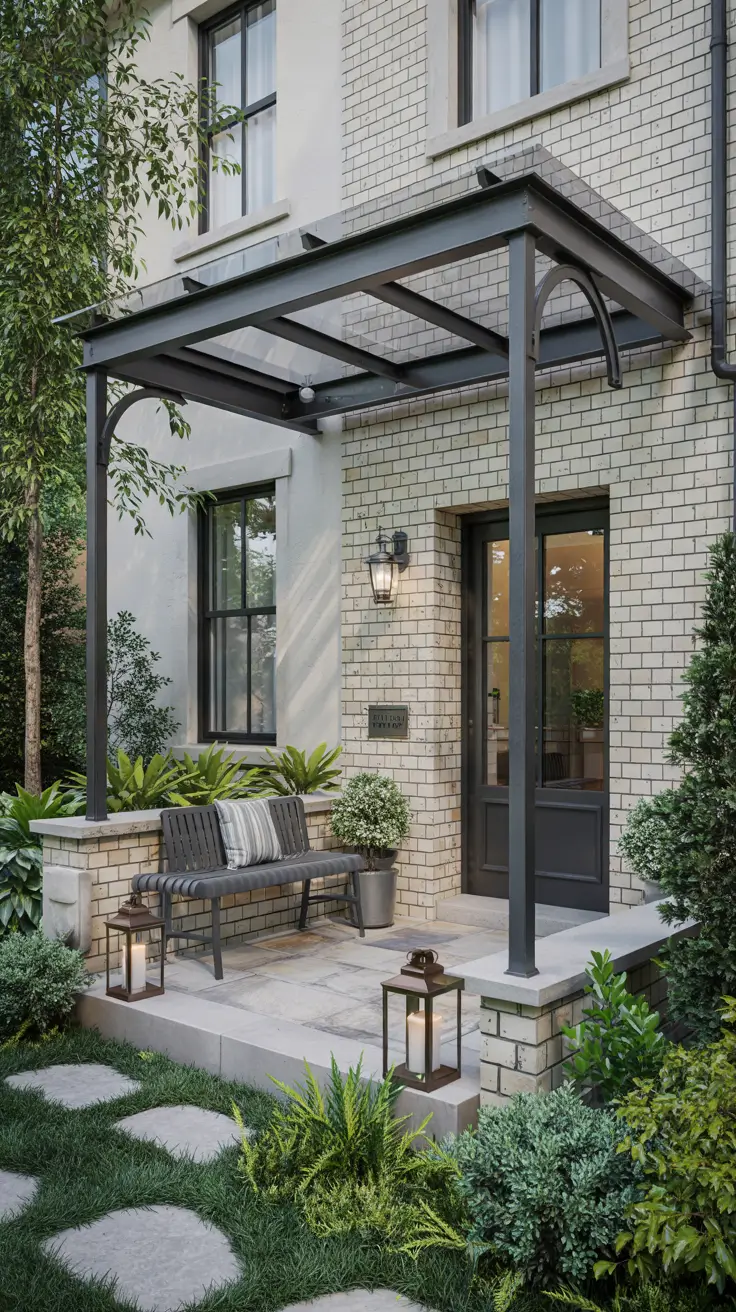
Furniture and decorative elements under the porch canopy should support the welcoming atmosphere. A small bench, decorative plants, and outdoor lanterns can create a comfortable entrance space. I also like incorporating textured materials like natural stone flooring or wooden accents to add warmth. These details help the porch feel more inviting and visually balanced with the rest of the home.
In my professional experience, curb appeal improves significantly when entrance design is treated as a focal point rather than a secondary element. Design publications like House Beautiful often emphasize the importance of entrance architecture in defining the identity of a home. I strongly agree with this approach because the porch canopy can visually frame the entrance and create a memorable first impression.
Sometimes I recommend adding integrated lighting along the canopy edges. This improves nighttime visibility and highlights the architectural shape of the porch. Thoughtful lighting design can make a simple canopy feel more sophisticated and welcoming.
6. Modern Entrance Canopy Design Ideas For Residential And Commercial Buildings
When I design a welcoming entrance, I often start with strong canopy entrance design ideas that balance protection and visual appeal. A carefully planned canopy above the Entrance protects visitors from rain and sunlight while highlighting the architectural style of the House or Building. In canopy design ideas modern, the canopy becomes a design statement rather than just a functional structure. Materials such as Glass, Metal, and Concrete are commonly used to create sleek and durable entrance canopies. I usually recommend designs that complement the façade while maintaining a clean and contemporary aesthetic.
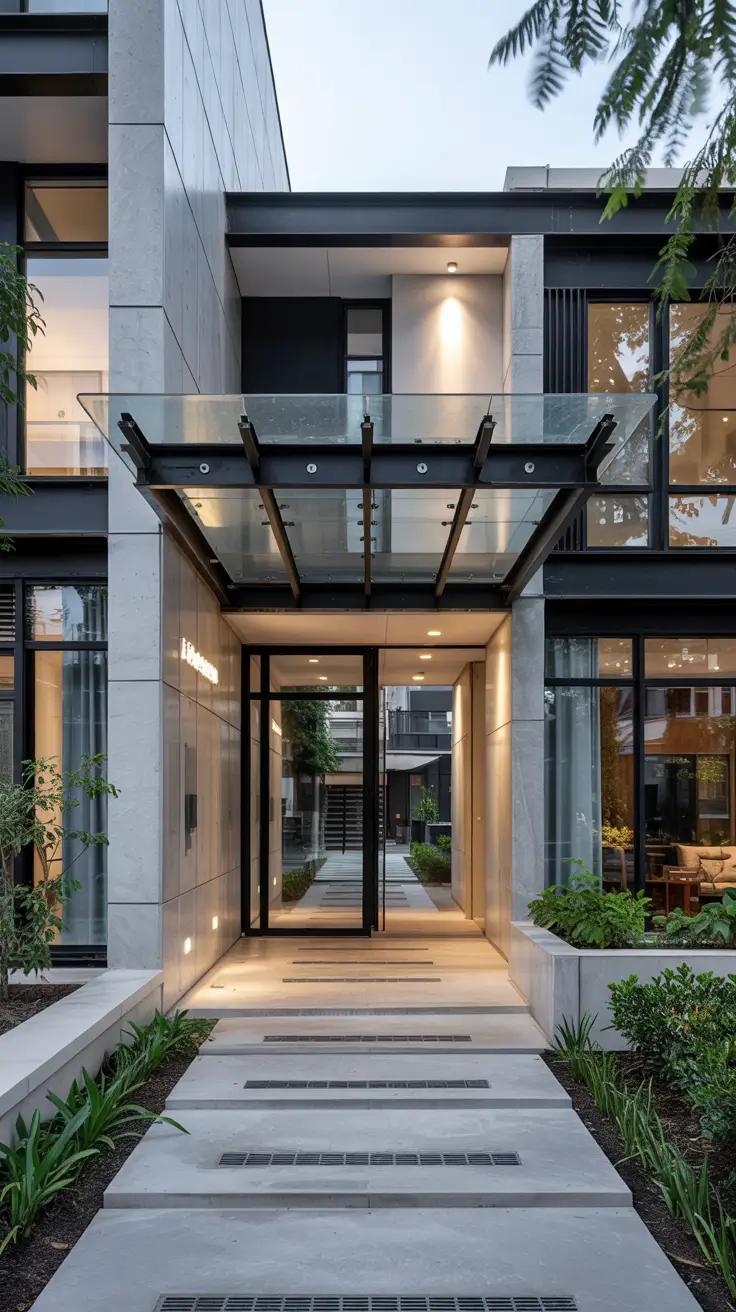
In my experience, the structure should be supported by discreet steel frames or minimal columns that allow the canopy to appear lightweight and elegant. I often combine Glass Roof panels with brushed Metal frames because this pairing allows natural light to reach the entrance area while still offering weather protection. Wall-mounted lighting fixtures, recessed LED strips, and subtle Window framing can enhance the architectural details around the doorway. A small seating bench, planters, or a decorative pathway also helps connect the canopy visually to the surrounding landscape. These elements create a welcoming transition between outdoor and indoor environments.
From a design perspective, I believe entrance canopies should always reinforce the architectural identity of the home. Designers featured in Architectural Digest frequently emphasize that the entryway is one of the most important visual moments in a home’s exterior. I often follow that advice by keeping the design simple yet refined, avoiding overly decorative structures that distract from the façade. Clean lines and balanced proportions usually produce the most timeless results. In my projects, modern canopy designs often become a subtle yet powerful feature that elevates the overall exterior appearance.
I also recommend considering drainage systems, hidden gutters, and weather resistant materials during the design process. These technical details ensure the canopy remains functional for many years. I often advise adding integrated lighting or motion sensors so the Entrance remains safe and visible at night. A carefully planned canopy does not only improve comfort but also increases the architectural value of the property. When executed well, the canopy becomes an essential extension of the building.
7. Stylish Gate Canopy Design Ideas For Beautiful And Functional Home Entryways
When I work on exterior entry zones, I often focus on practical and elegant gate canopy design ideas that protect the gate area and enhance curb appeal. A canopy over a Gate creates a sense of arrival while shielding visitors from rain or intense sun. Many house canopy design ideas today integrate the gate canopy with the fence and façade so that the entire entry sequence feels cohesive. Materials such as Metal, Glass, and wood accents are often used to create visually balanced structures. I find that even small canopy additions can significantly elevate the overall appearance of the entrance.
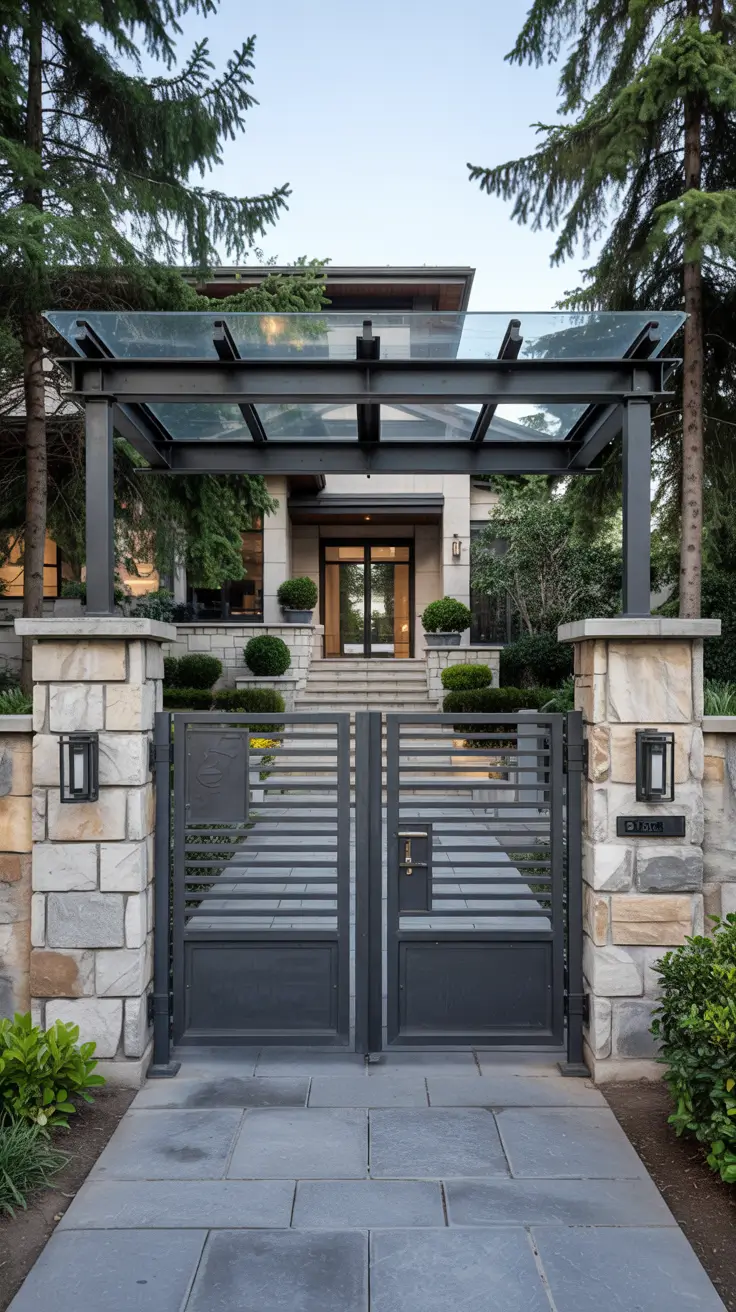
In terms of design elements, I often combine a slim Metal Roof frame with tempered Glass panels to maintain transparency and lightness. Stone or Concrete pillars can support the gate while also anchoring the canopy visually. Integrated lighting under the canopy helps illuminate the pathway and highlights architectural textures around the Gate. I also recommend incorporating landscaping such as low shrubs or climbing plants that soften the structural materials. These elements make the gate area feel inviting rather than purely functional.
Personally, I always approach gate canopy designs with the idea that the entrance should create the first positive impression of the home. According to design advice often shared in Better Homes and Gardens, a well designed entryway establishes the tone for the entire property. I agree with that principle and usually prioritize proportion and symmetry when designing gate canopies. A balanced canopy structure can create visual harmony between the gate, fencing, and surrounding architecture. In my opinion, simplicity and thoughtful materials always produce the most elegant results.
Another detail I always consider is weather durability and maintenance. Powder coated Metal frames and laminated Glass panels provide long term resistance against wind and rain. Drainage slopes should be integrated into the roof structure so water flows away from the gate area. If space allows, I sometimes recommend adding a small covered waiting area or bench near the Entrance gate. These small improvements make the canopy not only decorative but also highly practical.
8. Unique Balcony Canopy Design Ideas For Comfortable Outdoor Relaxation
One of my favorite exterior upgrades involves creating functional Balcony shelters using modern small canopy design ideas. A well-designed balcony canopy allows people to enjoy fresh air and outdoor views while remaining protected from harsh sunlight or rain. In many canopy design ideas modern, the balcony canopy becomes a continuation of the building’s architectural style. I often see successful designs using slim Metal Roof frames combined with fabric or Glass panels. These structures create a cozy and shaded outdoor retreat without blocking natural light.
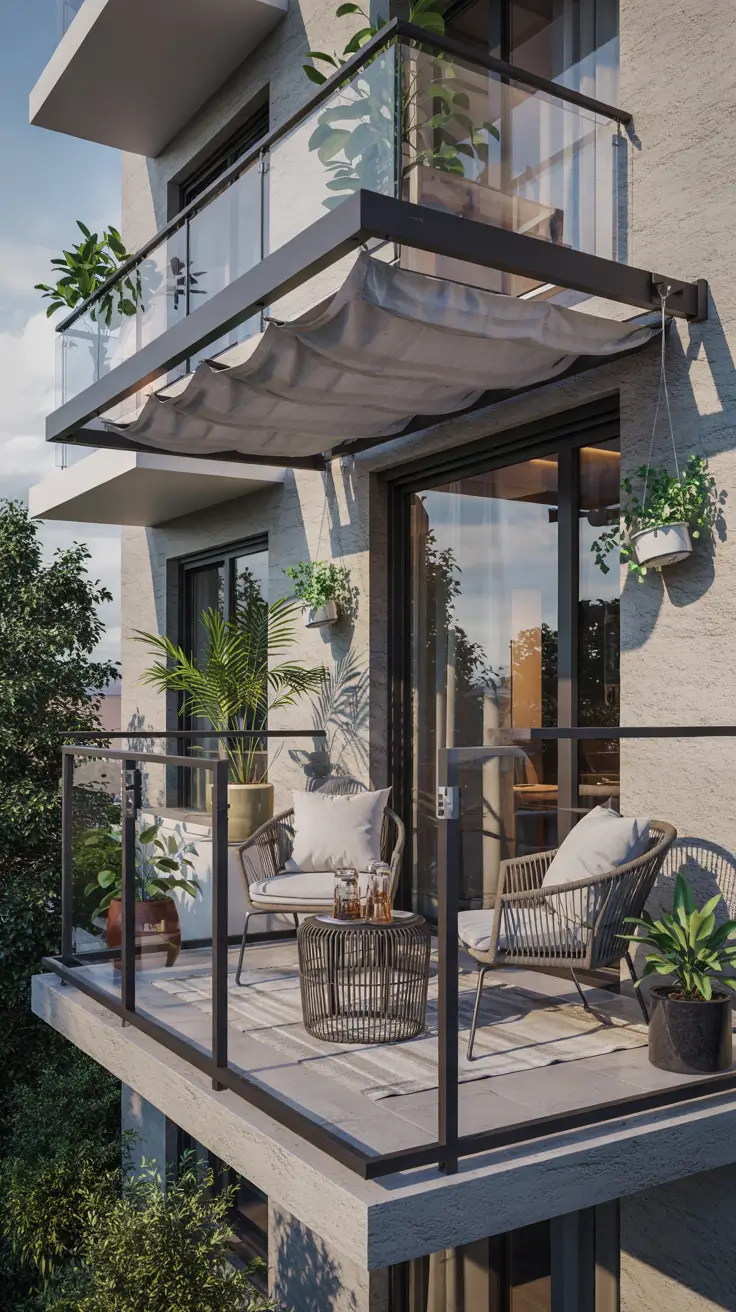
When designing balcony canopies, I focus on furniture layout and comfort elements that transform the space into a relaxing outdoor extension of the home. I usually recommend compact lounge chairs, woven seating, and small coffee tables that fit proportionally within the balcony area. Decorative features such as potted plants, hanging planters, and outdoor rugs add warmth and personality to the space. Retractable fabric canopies or Retractable pergola systems are also very popular because they allow flexible sun control. These additions help create a versatile outdoor living environment.
From my experience, a balcony canopy works best when it supports everyday lifestyle habits such as reading, relaxing, or enjoying morning coffee. Many designers highlighted in Elle Decor suggest treating a balcony like a miniature living room. I often follow that idea by layering textures and adding soft lighting such as lanterns or string lights. The canopy structure frames the outdoor seating area and provides a sense of enclosure. In my opinion, this approach makes even a small balcony feel like a true retreat.
If I were expanding this concept further, I would also incorporate privacy panels or vertical screens along the sides of the canopy. These elements protect against wind and add additional shade during summer months. Built in lighting and discreet electrical outlets can also improve usability for evening relaxation. These details transform a simple balcony canopy into a functional outdoor living space.
9. Rooftop Canopy Design Ideas For Modern Outdoor Lounges And Entertaining Spaces
A well designed Rooftop canopy can transform an unused roof into a comfortable and stylish outdoor lounge. Many canopy design ideas patio and canopy design ideas modern focus on creating shaded rooftop spaces where people can relax, dine, or entertain. I often design rooftop canopies with open frameworks that allow air circulation while protecting the seating area from direct sunlight. Materials like Metal, Glass, and tensile fabric are commonly used because they are durable and visually lightweight. These structures create a luxurious atmosphere while maintaining a clean architectural profile.
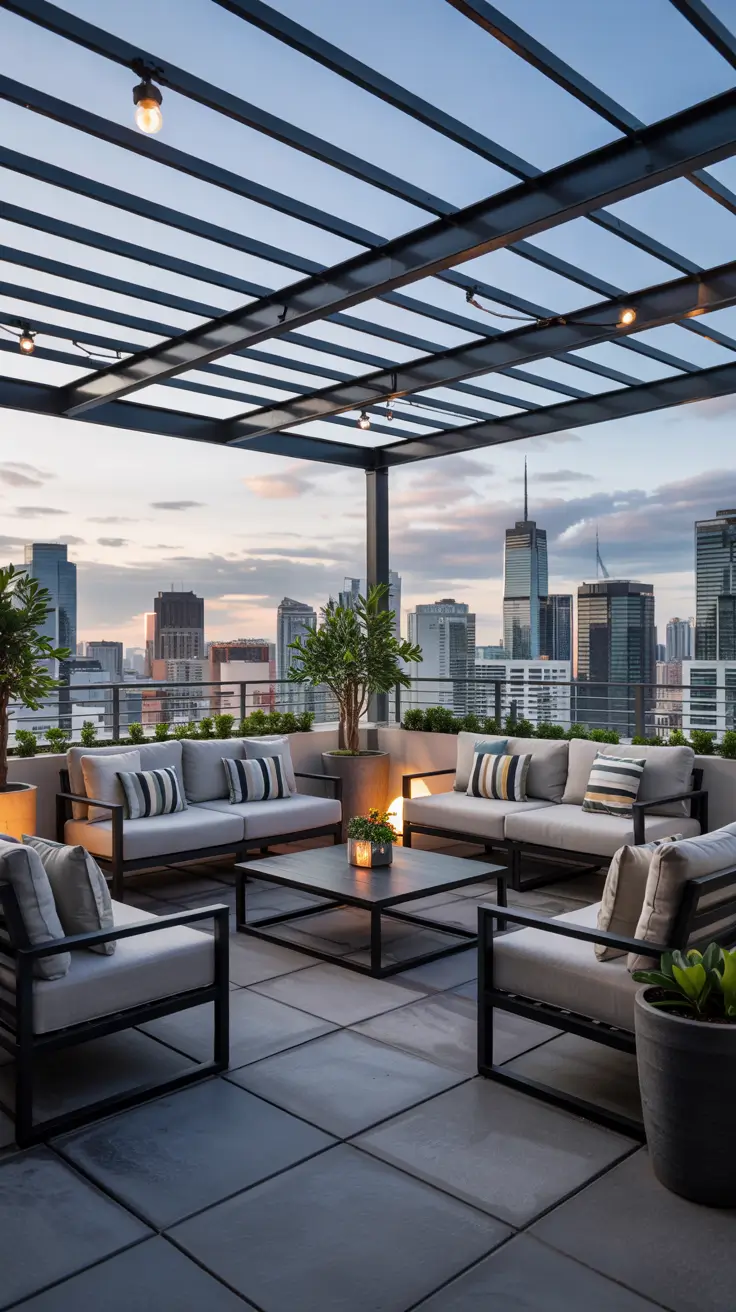
Furniture selection is essential when planning rooftop canopy spaces. I typically recommend modular outdoor sofas, weather resistant cushions, and low coffee tables that encourage social interaction. Planters with tall grasses or shrubs can define the lounge area and introduce natural textures. I also like incorporating outdoor kitchens or small bar counters under the canopy when the space allows it. These elements turn the rooftop into a multifunctional Outdoor living area.
From a professional perspective, I always emphasize the importance of structural safety and weather resistance. Rooftop installations must be carefully engineered so that the canopy frame can withstand wind loads and seasonal conditions. Many design experts featured in Dwell highlight the importance of combining comfort with durability in outdoor rooftop spaces. I strongly agree with this approach and usually prioritize materials that require minimal maintenance. A well built rooftop canopy can significantly increase the usability of a property.
If additional improvements are needed, I recommend installing integrated lighting and adjustable shading systems. Retractable fabric panels allow users to control sunlight throughout the day. Outdoor heaters or fire features can also extend the usability of the rooftop during cooler evenings. These additions make the rooftop canopy a year round destination for relaxation and gatherings.
10. Outdoor Canopy Tent Design Ideas For Backyard Dining And Gatherings
Backyard gatherings often benefit from creative outdoor canopy tent design ideas for food and dining areas. When I design backyard entertaining spaces, I often incorporate canopy tent design ideas that provide shade and weather protection for outdoor meals. A stylish canopy tent creates a comfortable Patio or garden dining zone that feels both relaxed and elegant. These structures are especially useful for summer celebrations, casual dinners, or even Wedding receptions in outdoor settings. With the right design, a simple tent canopy can transform an ordinary backyard into a memorable gathering space.
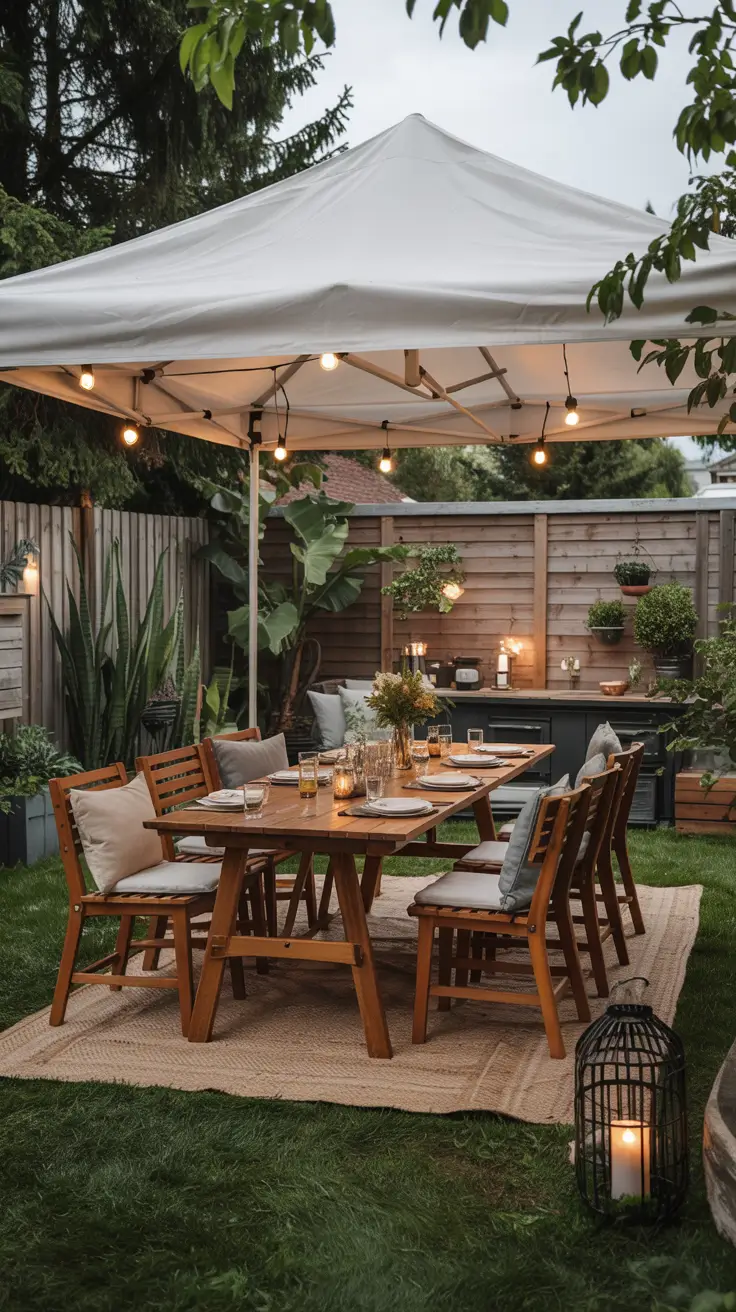
Furniture and layout are key elements in making an outdoor canopy tent functional. I usually recommend long wooden dining tables, comfortable chairs, and layered table décor that creates a welcoming atmosphere. String lights, lanterns, and hanging greenery can enhance the canopy structure while adding warmth to the environment. For larger gatherings, buffet tables or outdoor food stations can be arranged under the canopy to keep everything protected. These details help organize the space while maintaining visual harmony.
In my experience, outdoor canopy tents work best when they blend with the surrounding landscape. Designers featured in House Beautiful often emphasize that outdoor dining areas should feel like a natural extension of the garden. I usually follow that advice by choosing neutral fabrics and natural materials that complement plants and outdoor textures. The result is a relaxed yet elegant atmosphere that encourages people to gather and enjoy the space. A well styled canopy tent can easily become the focal point of the backyard.
To enhance the practicality of this setup, I recommend adding side curtains or adjustable panels to protect against wind or evening chill. Portable lighting and outdoor heaters can also improve comfort during nighttime events. If the canopy will be used frequently, choosing weather resistant fabrics and strong frames is essential. These thoughtful upgrades ensure that the canopy tent remains both beautiful and functional.
11. Outdoor Canopy Tent Design Ideas For Food Stalls And Street Vendors
When I design outdoor canopy tent design ideas for food stalls, I always focus on durability, visibility, and practicality. A well-designed canopy provides reliable Outdoor protection from sun and rain while also creating a welcoming place for visitors. In busy urban environments or local markets, a canopy tent becomes a functional workspace that protects both cooking equipment and customers waiting for their meals. Modern materials like waterproof fabric and powder coated Metal frames make these structures sturdy yet lightweight. I also like designs that allow airflow, which helps keep cooking areas comfortable during warm weather.
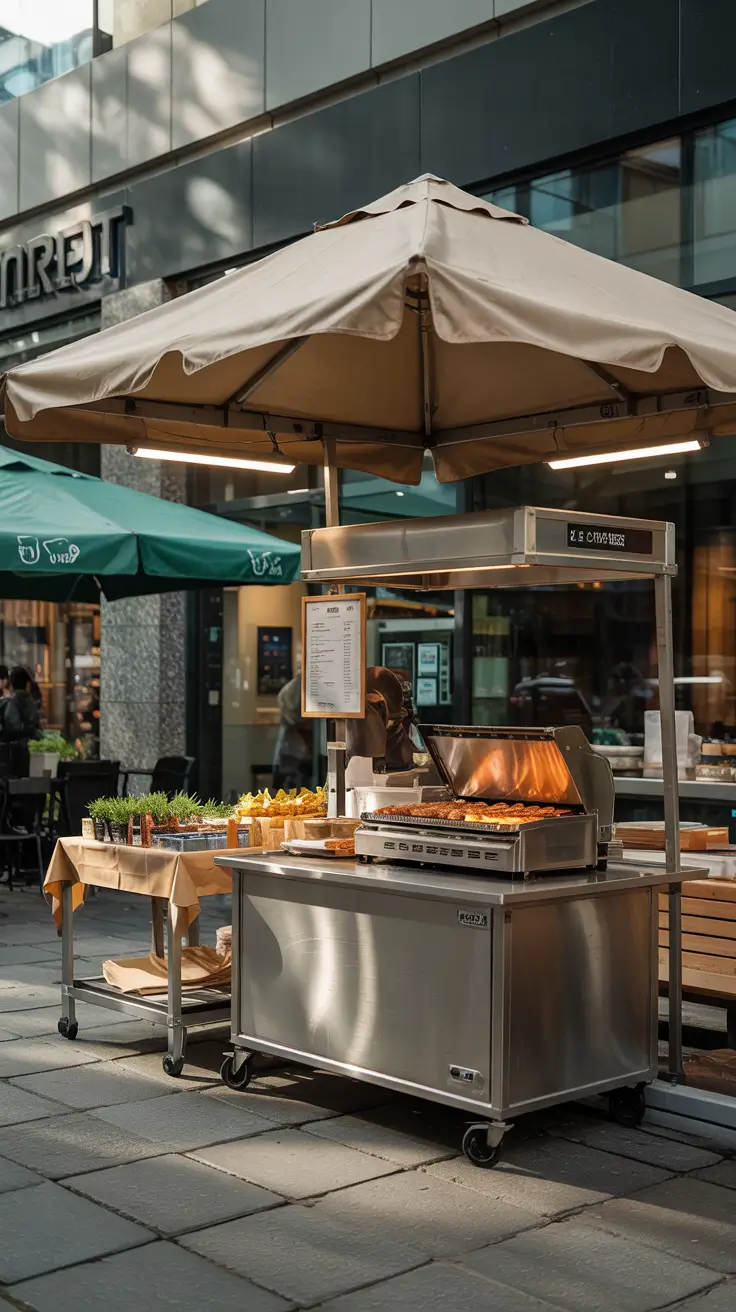
In my experience, the layout of the canopy structure matters just as much as the materials. I usually recommend a rectangular canopy with open sides so customers can approach easily from different directions. Stainless steel cooking counters, foldable prep tables, and portable refrigeration units fit perfectly under a compact canopy tent. Lighting is another important detail – LED strip lights under the canopy frame allow vendors to operate even after sunset. Bright signage and menu boards mounted to the canopy frame help attract attention and create a recognizable street food identity.
I often look to industry recommendations from organizations like the National Restaurant Association, which highlights the importance of functional layout and hygiene in outdoor food setups. I always make sure the canopy structure leaves enough space for safe cooking zones and customer movement. From my perspective, the most successful food stall canopy designs combine mobility with professional presentation. A vendor should be able to assemble the canopy quickly while still presenting a polished and inviting environment.
In many cases, what improves these setups even further is thoughtful weather management. I recommend adding removable side panels for wind protection and a slightly sloped Roof structure so rainwater drains easily. Small storage shelves for ingredients and utensils can also be integrated into the canopy frame. These small improvements help transform a simple canopy tent into a practical outdoor kitchen workspace.
12. Wedding Canopy Tent Design Ideas For Elegant Outdoor Celebrations
Elegant Wedding celebrations often rely on beautifully designed canopy structures to create a romantic outdoor atmosphere. When I plan wedding canopy layouts, I focus on creating a soft and visually balanced space that blends with nature while still providing comfortable shade. A large canopy tent placed on a garden Patio, Terrace, or grassy outdoor setting becomes the centerpiece of the celebration. Light fabric drapes flowing from the canopy frame create a dreamy environment that feels intimate and open at the same time.
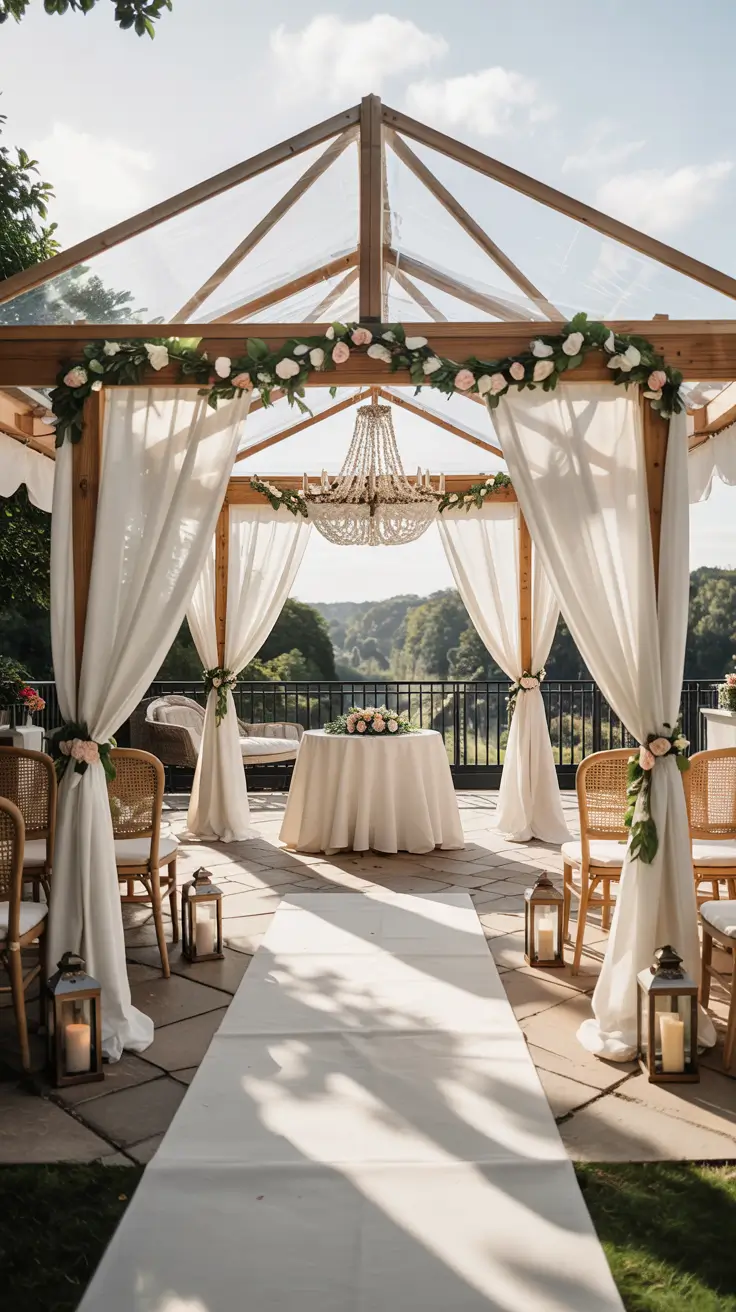
I like to design wedding canopy tents with neutral fabrics such as ivory, beige, or soft white. Under the canopy, carefully selected furniture completes the setting – wooden ceremony chairs, floral decorated arches, and elegant aisle runners create a cohesive design. Crystal chandeliers or hanging lanterns suspended from the canopy frame add warmth and evening ambiance. Tables with soft linens and floral arrangements transform the space from a ceremony area into a reception lounge.
Personally, I believe the success of a wedding canopy comes from subtle details rather than dramatic decorations. Designers frequently mentioned in publications like Architectural Digest emphasize the value of natural textures and soft lighting in outdoor wedding spaces. I often recommend combining fabric canopies with floral installations or greenery garlands to create an organic and timeless design. This approach ensures the canopy enhances the landscape instead of competing with it.
One element that many designs overlook is weather adaptability. I always suggest adding removable transparent panels that protect guests from wind without blocking the view of the surroundings. A carefully positioned canopy entrance also helps organize guest movement while keeping the ceremony space visually clean. These additions improve both comfort and functionality.
13. Car Canopy Design Ideas For Stylish And Practical Vehicle Protection
A modern Car canopy is more than just a protective structure. In many homes, it becomes an architectural extension of the property. When I explore car canopy design ideas, I try to combine structural protection with a design that complements the overall House style. Whether the home is contemporary or minimalist, the canopy should visually connect with the Building through matching materials or colors. Metal frames with sleek lines are especially popular in canopy design ideas modern.
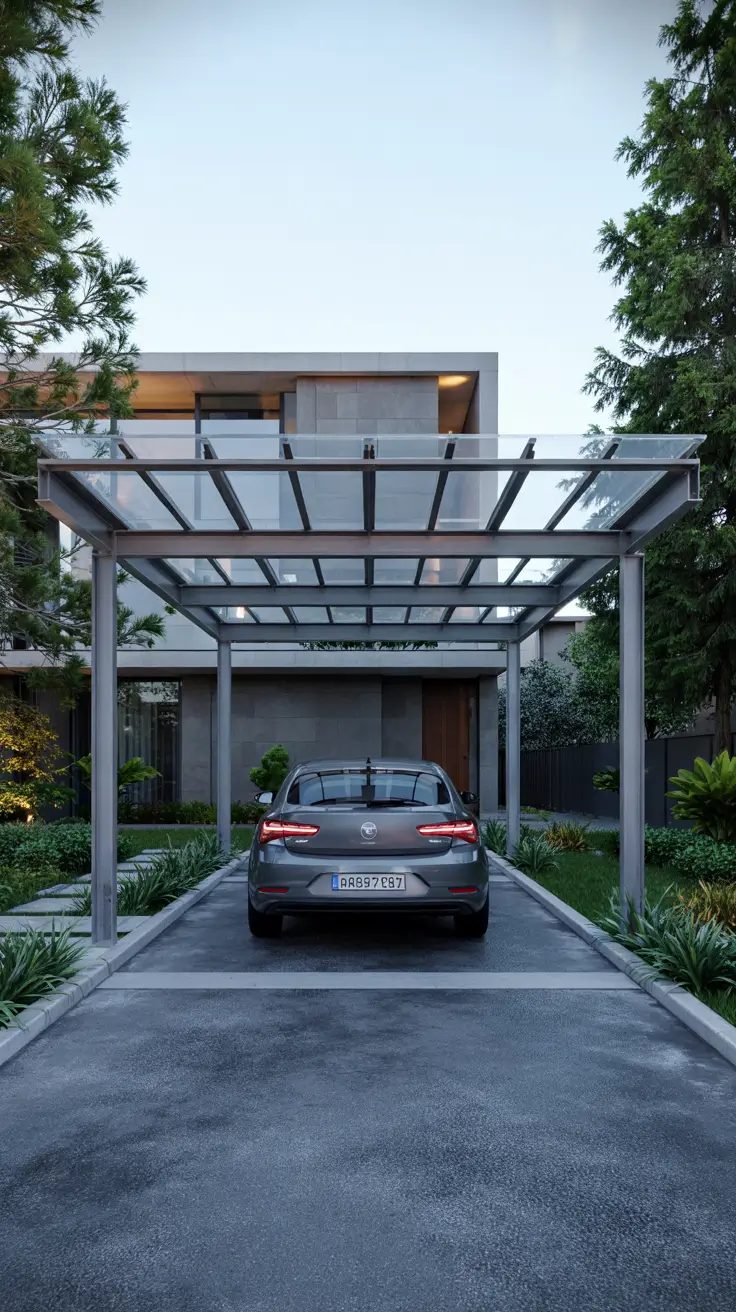
In my designs, I often use powder coated Metal structures combined with translucent polycarbonate panels. These panels protect vehicles from rain, snow, and UV exposure while still allowing natural light to pass through. The canopy typically sits adjacent to the driveway or connects seamlessly with a Carport area. I also consider the surrounding environment such as landscaping, pavement materials, and Window alignment so the canopy does not appear detached from the home.
From my perspective, functionality must remain the priority. I always ensure the canopy provides enough clearance for larger vehicles like SUVs. Architects frequently point out that proper drainage and airflow prevent long term moisture damage to both the vehicle and canopy materials. I often incorporate slight roof slopes or hidden drainage channels so water flows away naturally.
Many homeowners also benefit from adding lighting and storage elements to the canopy space. Motion sensor lights mounted on the canopy frame improve nighttime safety. A small tool cabinet or charging station for electric vehicles can also be integrated beneath the canopy structure. These additions transform a simple shelter into a multifunctional exterior feature.
14. Carport Canopy Design Ideas For Modern Homes And Driveways
A well designed Carport canopy is one of the most practical exterior structures for modern homes. When I work on house canopy design ideas for driveways, I aim to create a structure that feels integrated with the architecture rather than attached as an afterthought. The canopy often extends directly from the main Roof or connects to the Building facade. This approach creates a seamless transition between the house and the parking area.
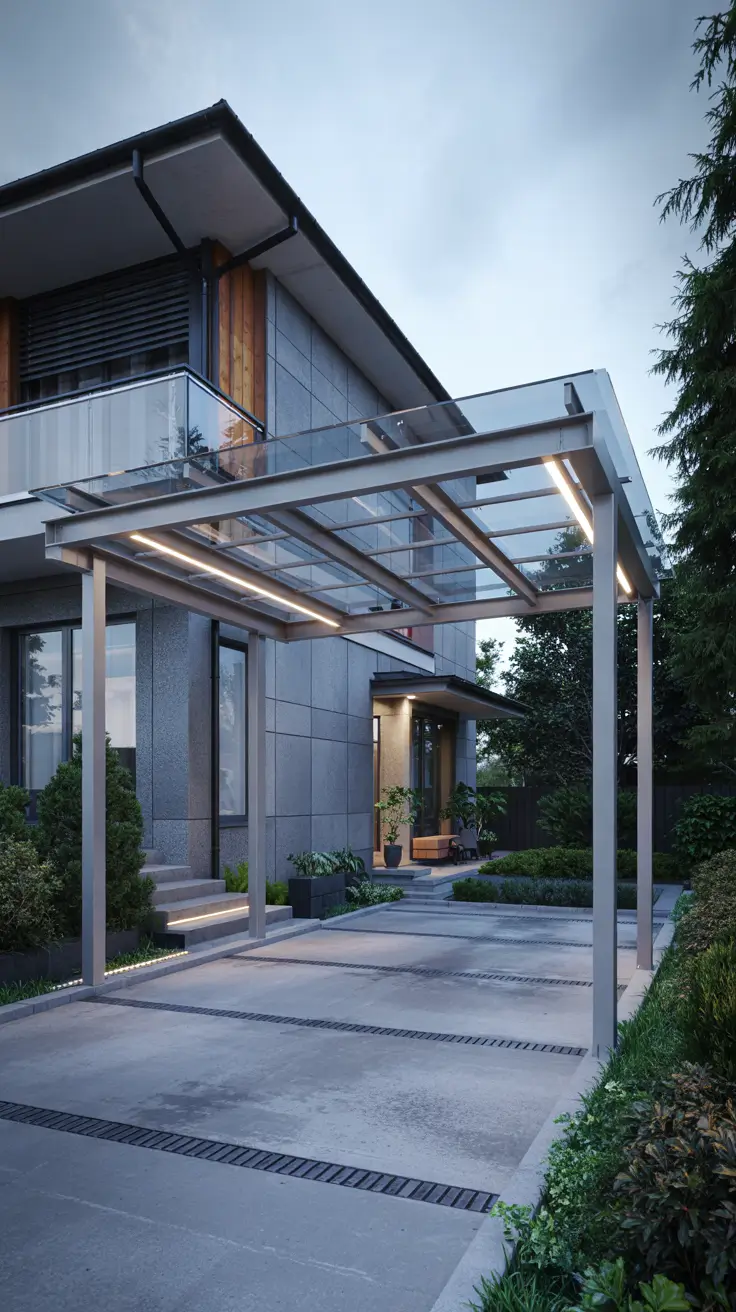
I frequently recommend materials such as aluminum or steel frames combined with transparent or frosted panels. These materials create a lightweight appearance while still providing excellent protection from weather. The canopy roof can also incorporate Glass or polycarbonate surfaces to allow sunlight to reach the driveway. For smaller homes or tight spaces, small canopy design ideas with slim support columns keep the area visually open.
I have noticed that the most successful carport designs also consider the surrounding landscape. For example, placing the canopy beside a Porch, Gate, or Balcony helps unify different parts of the property. Landscape lighting, decorative paving, and greenery around the driveway soften the structural look of the canopy. Many modern designers recommend combining architectural metal frames with natural materials like wood or stone.
Another detail I often include is integrated lighting and smart technology. LED strips along the canopy beams improve nighttime visibility while maintaining a minimalist appearance. Rainwater collection systems or solar panels can also be incorporated into the canopy roof. These additions enhance both sustainability and long term functionality.
15. Contemporary Metal Canopy Design Ideas For Durable Outdoor Structures
Among all modern canopy structures, Metal canopies are some of the most durable and versatile. When I work with canopy design ideas modern, metal structures allow me to create bold architectural shapes while maintaining structural strength. These canopies are commonly used for Entrance, Porch, Balcony, or Commercial buildings where long term durability is essential. Steel or aluminum frames resist corrosion and require minimal maintenance.
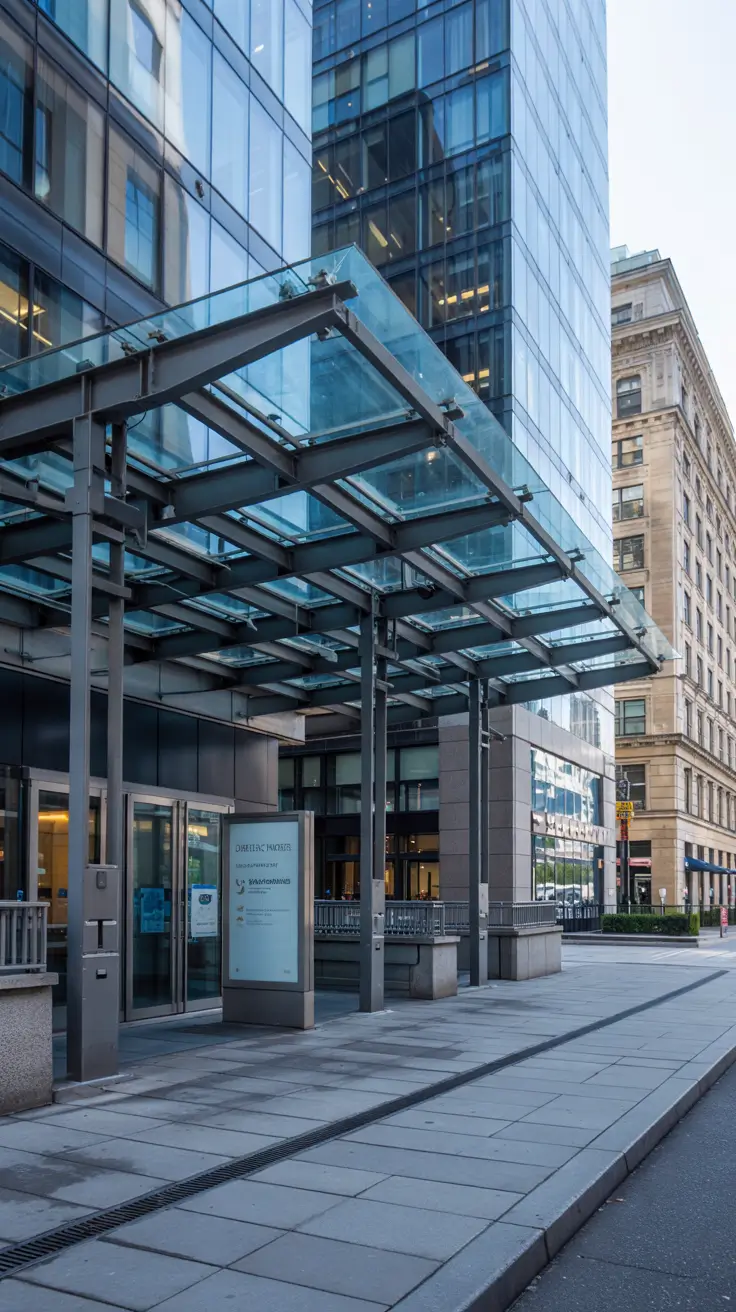
I often combine metal frames with materials such as glass panels, perforated metal sheets, or polycarbonate roofing. This combination creates a sleek canopy that protects an Outdoor entrance while still allowing natural light to reach the area. In residential architecture, metal canopies above doors or Window areas create a clean modern facade. In commercial settings, larger metal canopy systems often cover walkways, loading zones, or building entrances.
In my opinion, metal canopies also provide excellent design flexibility. For example, curved metal structures are often used in gas station canopy design ideas, especially for modern stations featuring a gas station with curved roof silhouette. Designers in publications like Dezeen frequently highlight how metal canopies can become architectural statements rather than simple shelters. With the right proportions and lighting, they dramatically improve a building exterior.
To make these canopies even more functional, I recommend integrating drainage systems and lighting directly into the frame. Hidden gutters prevent water accumulation while recessed lighting enhances visibility during nighttime. These features ensure that a metal canopy performs well both aesthetically and practically.
16. Concrete Canopy Design Ideas For Minimalist Architectural House Designs
When I work with modern architectural homes, I often recommend concrete canopy structures because they create a bold yet minimalist statement. These house canopy design ideas work especially well for modern Building facades where clean lines and geometric forms define the style. A Concrete Roof canopy above a Porch, Entrance, or Window provides durable protection from rain and sun while visually reinforcing the architecture of the House. I have seen this approach used effectively in contemporary homes where the canopy becomes part of the structure itself rather than an added element.
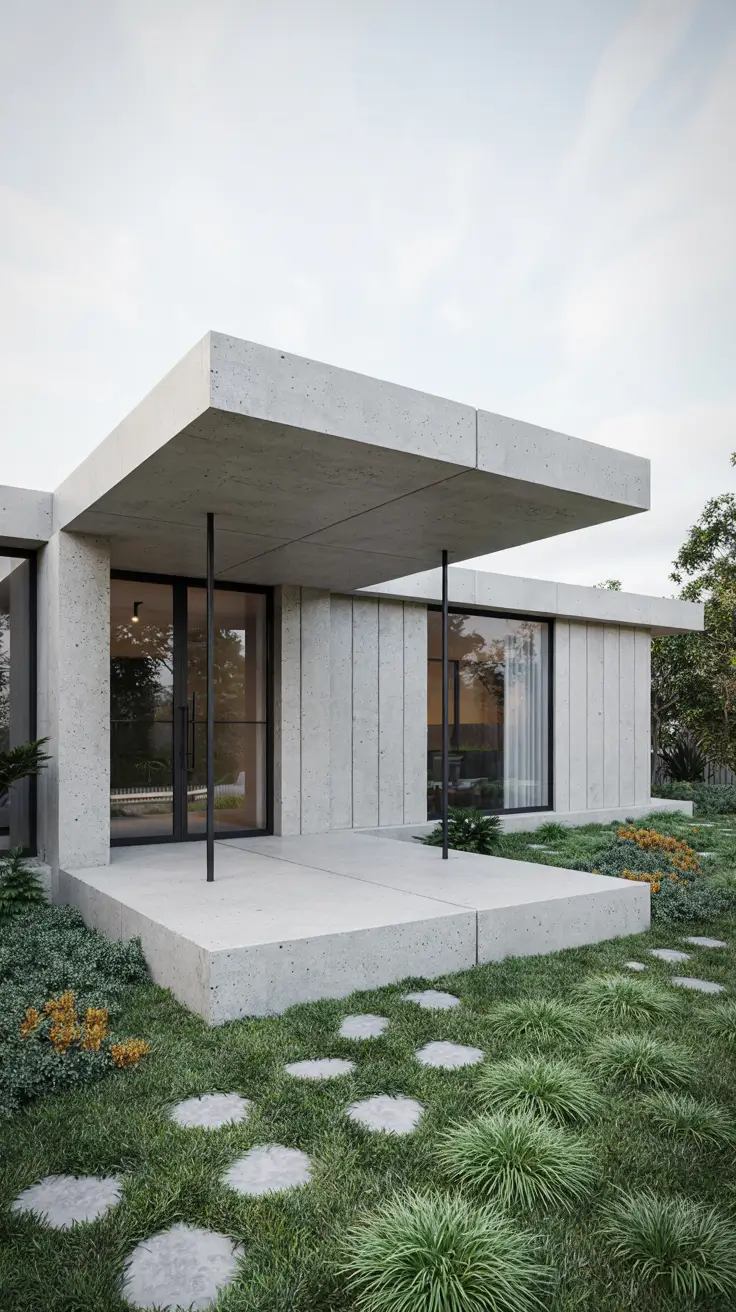
In my design approach, I typically combine smooth concrete slabs with subtle Metal supports or recessed lighting. This combination creates a refined look while maintaining structural stability. A minimalist canopy can extend above a Terrace, Balcony, or Carport, providing shade while preserving open views of the surrounding Outdoor environment. Concrete works particularly well with large glass doors, modern landscaping, and neutral exterior palettes such as white, charcoal, or natural stone.
From my experience, the key advantage of concrete canopy design is longevity. According to architectural discussions published in Architectural Digest and Dezeen, concrete structures continue to be favored in modern architecture because of their durability and sculptural potential. I often recommend pairing a concrete canopy with integrated lighting and subtle drainage systems so the design remains both beautiful and practical. This approach creates a modern entry area that feels intentional and architecturally balanced.
To enhance this design further, I would add minimalist outdoor furniture beneath the canopy such as stone benches or wooden seating. Simple landscaping like ornamental grasses or structured planters can soften the heavy material and add visual warmth to the House exterior.
17. Glass Roof Canopy Design Ideas For Bright And Airy Outdoor Spaces
In many modern homes, I often suggest Glass canopy structures because they allow natural light to pass through while still protecting the area from rain. These canopy design ideas patio are especially effective for a Terrace, Balcony, or Patio where homeowners want to enjoy the outdoor environment without sacrificing comfort. A transparent canopy roof visually expands the space and creates a light filled Outdoor environment that feels open and welcoming.
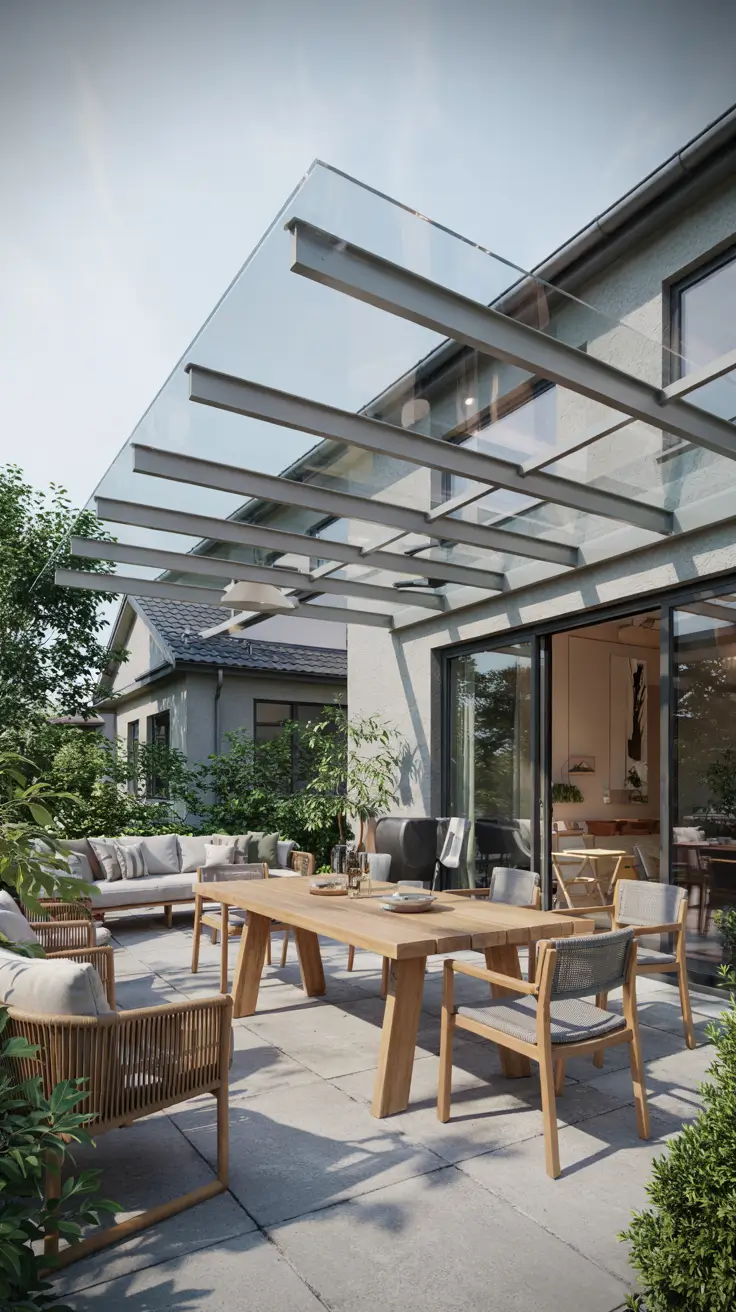
When designing a glass canopy, I usually combine tempered glass panels with slim Metal frames. This combination creates a sleek Modern look that works well for contemporary House designs. Beneath the canopy, I often place comfortable patio seating, a dining table, or even an outdoor lounge area. These elements transform the patio into a versatile space suitable for relaxing, entertaining, or even hosting a small Wedding celebration outdoors.
In my experience, glass canopy structures perform best when paired with proper shading and ventilation. Design experts from publications like Dwell frequently emphasize the importance of balancing transparency with comfort. I often recommend adding subtle retractable blinds or wooden slats to control sunlight while maintaining the airy aesthetic. This allows the patio to remain comfortable throughout different seasons.
To further improve this space, I would incorporate soft outdoor lighting, neutral cushions, and natural materials like wood or rattan furniture. These additions help the canopy area feel warm and inviting rather than overly architectural.
18. Modern Window Canopy Design Ideas For Stylish Shade And Weather Protection
One of the most practical exterior upgrades I often recommend is installing a canopy above key windows. These canopy design ideas modern provide shade while protecting window frames from rain and direct sunlight. A well designed Window Roof canopy can also enhance the exterior appearance of the House by adding depth and architectural interest to otherwise flat walls.
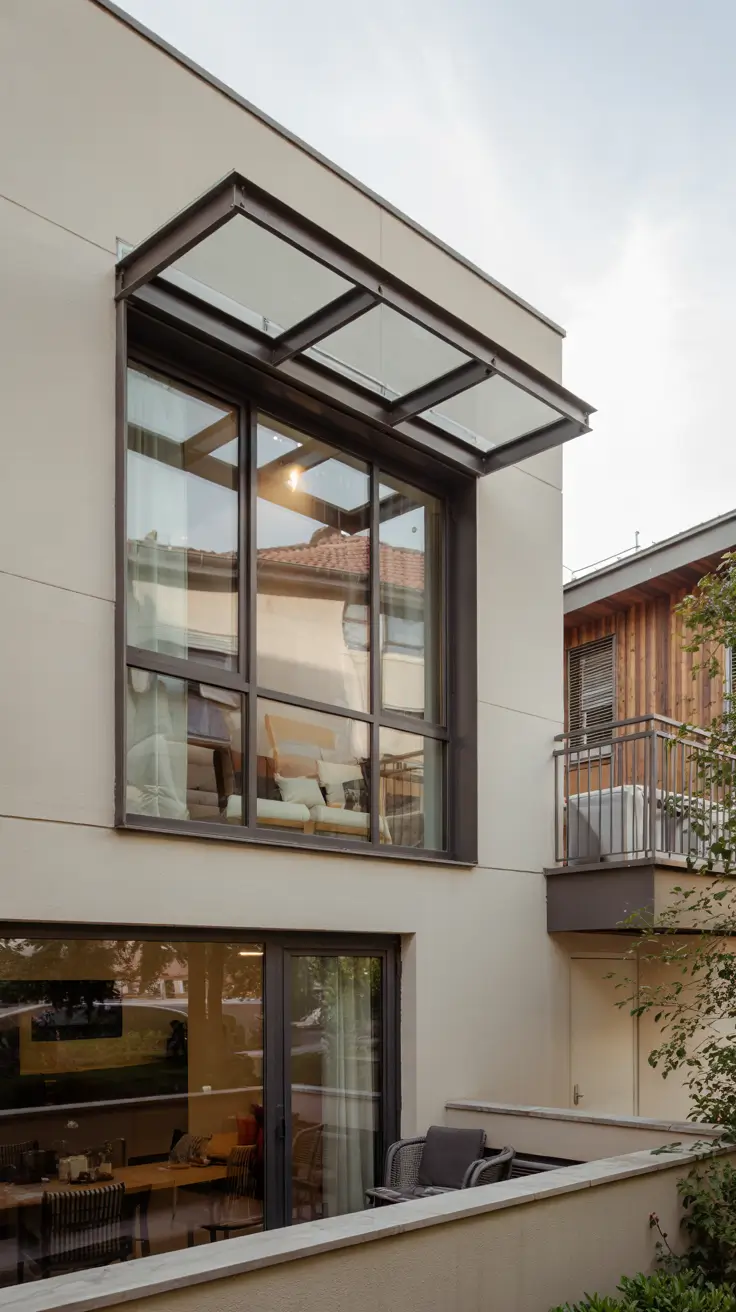
In my projects, I typically choose materials such as Metal, glass panels, or lightweight aluminum frames. These materials provide durability while maintaining a clean modern aesthetic. Window canopies are especially effective for homes with large glass panels or sliding doors that face a sunny Patio or Balcony. The canopy prevents overheating inside the house while still allowing natural light to enter the interior.
From a design perspective, I prefer simple shapes such as flat panels or slightly angled roofs. According to architectural recommendations shared by Dezeen and other design publications, minimalist shading structures tend to complement modern homes better than overly decorative solutions. When installed correctly, a window canopy becomes both a functional and aesthetic element.
To complete the design, I would add coordinated exterior finishes such as matching metal railings, subtle wall lighting, or planters below the window. These elements create a cohesive facade that visually connects the canopy to the rest of the architecture.
19. House Canopy Design Ideas That Blend Functionality With Modern Architecture
When planning canopy structures for an entire House, I focus on designs that integrate with the architecture rather than appearing as separate additions. These house canopy design ideas can cover an Entrance, Porch, Balcony, or even a Rooftop relaxation area. The goal is to create a cohesive design that enhances the structure while also improving comfort in outdoor spaces.
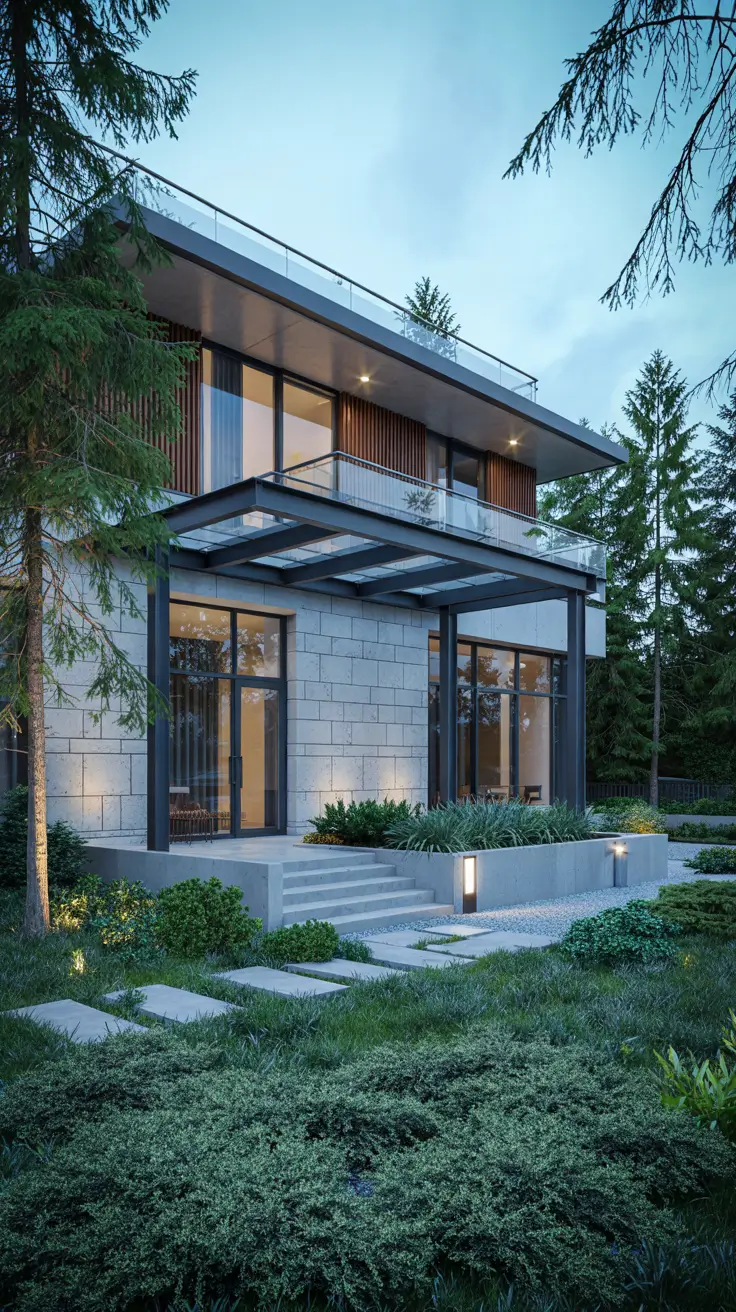
In many of my projects, I combine materials such as Metal, Glass, and wood to create layered architectural textures. For example, a modern canopy may extend from the main Roof and continue over the front Entrance walkway. This type of design creates visual continuity while protecting visitors from rain or sun. I also find that adding subtle lighting beneath the canopy dramatically improves nighttime aesthetics.
From my perspective, the most successful canopy designs are those that balance scale and proportion. Design experts frequently emphasize that exterior elements should align with the overall architectural rhythm of the building. When the canopy width and height match the structure’s geometry, the result feels elegant and intentional.
To elevate this design concept, I would add landscaping around the canopy area such as minimalist stone pathways, architectural plants, and subtle ground lighting. These additions help connect the canopy structure with the surrounding outdoor environment.
20. Commercial Building Canopy Design Ideas For Stylish Entrances And Walkways
Large scale canopy structures are essential for many Commercial and public spaces. These canopy entrance design ideas create welcoming Entrance areas while protecting pedestrians from rain and sun. I often see these canopies used in office Buildings, hotels, shopping centers, and transportation hubs where covered walkways improve the visitor experience.
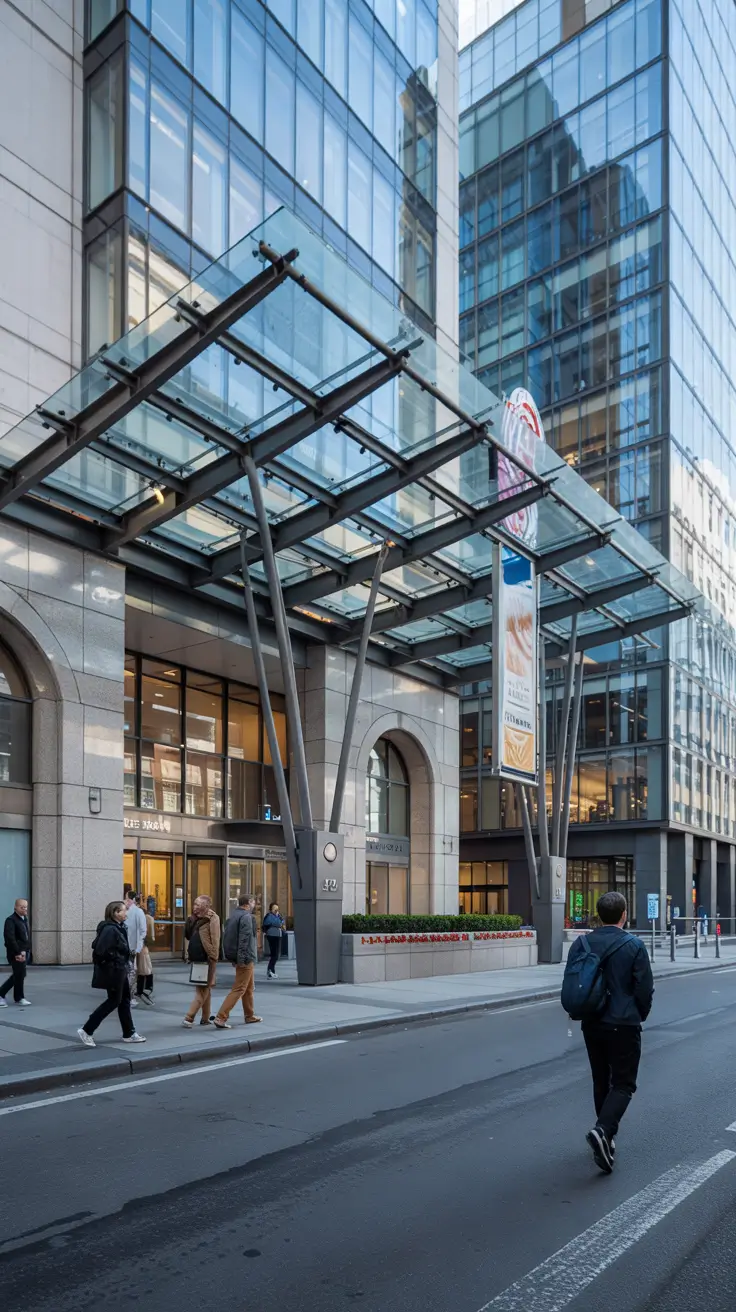
In these projects, designers typically use durable materials like structural Metal, reinforced Concrete, or laminated Glass. The canopy often extends outward from the building facade to cover drop off areas, sidewalks, or waiting zones. This type of structure not only provides shade but also creates a strong architectural identity for the building.
From my experience analyzing modern commercial architecture, the most successful entrance canopies are those that combine functionality with visual impact. Publications such as Architectural Record often highlight how large canopy structures can act as signature design elements. Curved metal frames, illuminated panels, and geometric roof forms are frequently used to create memorable entrances.
To make this design even more effective, I would incorporate integrated lighting, seating areas, and clear pedestrian pathways. These elements help guide visitors naturally toward the building entrance while improving safety and comfort.
21. Gas Station Canopy Design Ideas For Modern And Functional Fuel Stations
When I analyze modern gas station canopy design ideas, I always focus first on structure and visibility. A well designed canopy at a Gas station must protect vehicles and visitors from weather while remaining highly visible from the road. Large Roof spans supported by steel or Concrete columns allow vehicles and Car traffic to move easily through the fueling area. I often recommend wide Metal frames combined with integrated LED lighting because they improve safety and visibility at night. In many contemporary projects, architects also include subtle branding elements that complement the overall Building architecture.
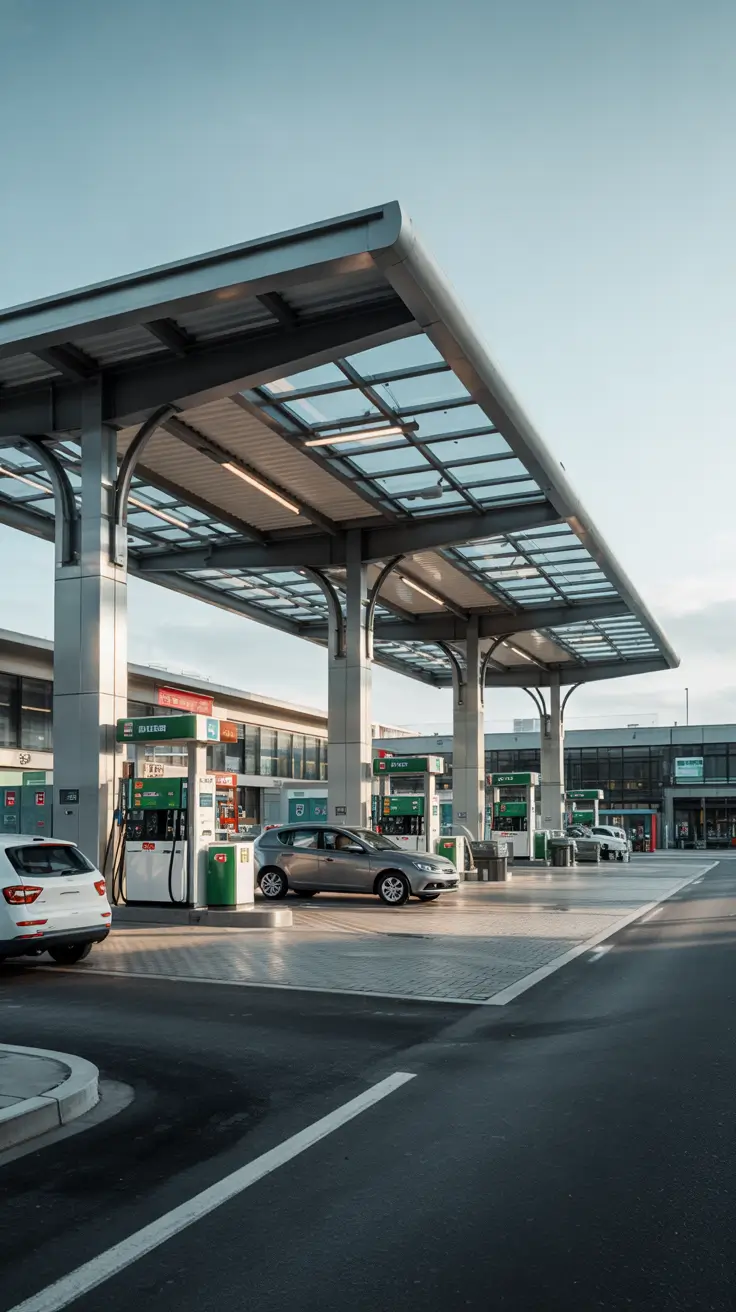
From a design perspective, materials and proportions play a critical role. I usually combine a lightweight Metal structure with panels made from translucent Glass or polycarbonate to create an open yet sheltered environment. These materials allow natural daylight to pass through while protecting visitors from rain and snow. The canopy should extend far enough to cover fueling areas while maintaining proper airflow around the structure. Thoughtful lighting design integrated into the Roof edge also ensures the space feels welcoming rather than purely utilitarian.
From my experience, the most successful canopy concepts balance durability with architectural identity. According to architectural discussions in outlets such as Dezeen, modern fuel stations increasingly adopt cleaner lines and simplified structural forms. I personally appreciate designs where the canopy becomes a defining feature of the entire Commercial structure rather than just a functional roof. A well designed canopy can make even a small service station appear modern, organized, and visually appealing.
Another aspect I always recommend including is environmental integration. Solar panels installed on the Roof surface can generate electricity for lighting and station equipment. I also suggest considering rainwater drainage systems and weather resistant coatings that prolong the life of the structure. These additions help ensure the canopy remains functional for many years while maintaining a clean architectural appearance.
22. Gas Station With Curved Canopy Design Ideas For Contemporary Fuel Station Architecture
Curved canopy structures create a dramatic architectural statement while still serving the functional needs of a modern Gas station with curved roof design. When I evaluate these designs, I often look for sweeping structural forms that guide vehicles naturally through the fueling area. A curved canopy softens the overall geometry of the Building and creates a dynamic silhouette visible from the road. This type of gas station canopy design ideas approach works especially well for stations located along busy highways or urban corridors.
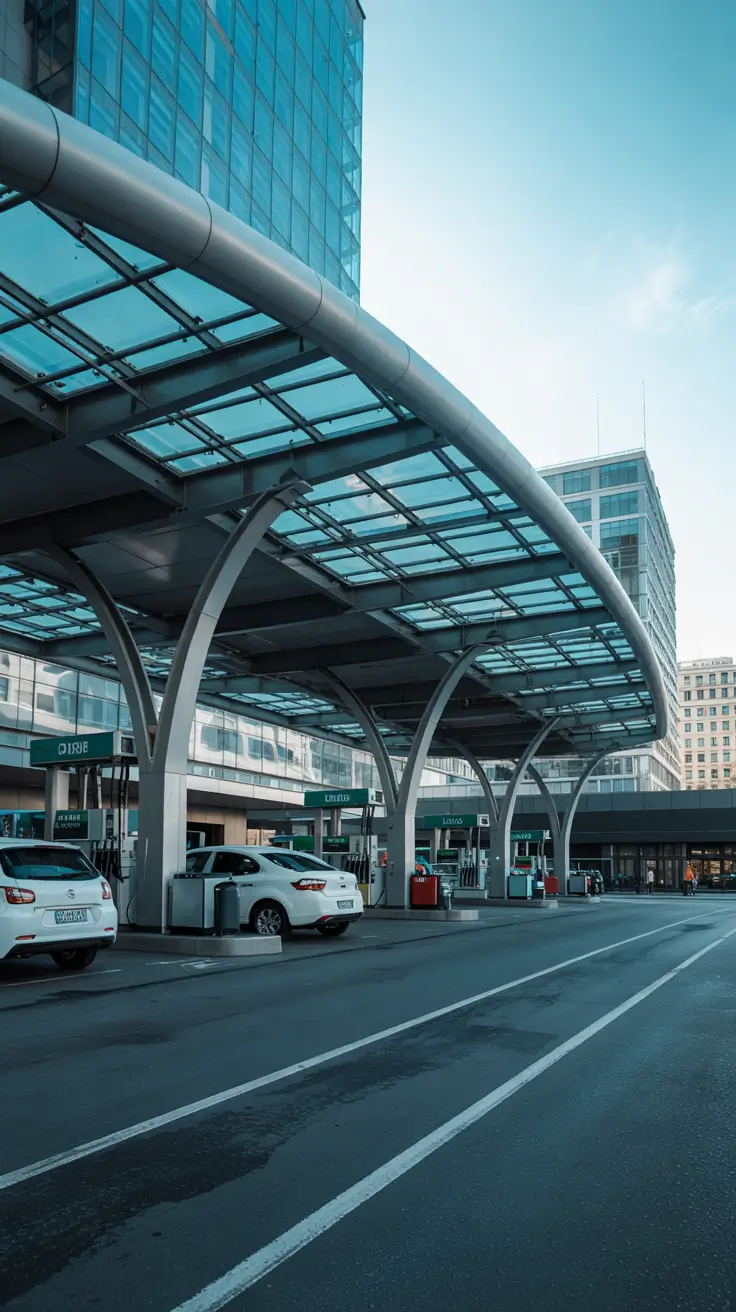
The structural frame is usually composed of engineered Metal beams that allow the canopy to achieve wide spans without excessive support columns. In many cases, architects integrate translucent panels or laminated Glass surfaces that reflect daylight and reduce the need for artificial lighting during daytime hours. I often recommend designing the curvature so that rainwater flows naturally toward concealed drainage channels within the Roof structure.
Personally, I find curved canopy forms particularly successful when combined with minimalist architectural surroundings. Architectural media such as ArchDaily often highlight how fluid rooflines can transform otherwise ordinary infrastructure into recognizable landmarks. In my own observations, curved canopies give fuel stations a forward looking and innovative character while maintaining practicality.
To strengthen the overall design, I suggest including illuminated edges or subtle LED strips that trace the curve of the canopy at night. Landscaping around the perimeter of the Building can also soften the surrounding environment and create a welcoming arrival experience. These small additions help ensure the curved canopy feels integrated into the entire site design rather than appearing as an isolated architectural element.
23. Unique Canopy Bed Design Ideas For Cozy And Luxurious Bedrooms
Among interior spaces, the Bed canopy remains one of the most recognizable design features for creating comfort and elegance. When exploring unique canopy bed design ideas, I usually start with proportion and placement. A canopy bed can become the focal point of the bedroom while still maintaining a calm and balanced atmosphere. Modern bedroom interiors often combine warm wood frames with light fabric drapes that gently frame the sleeping area.
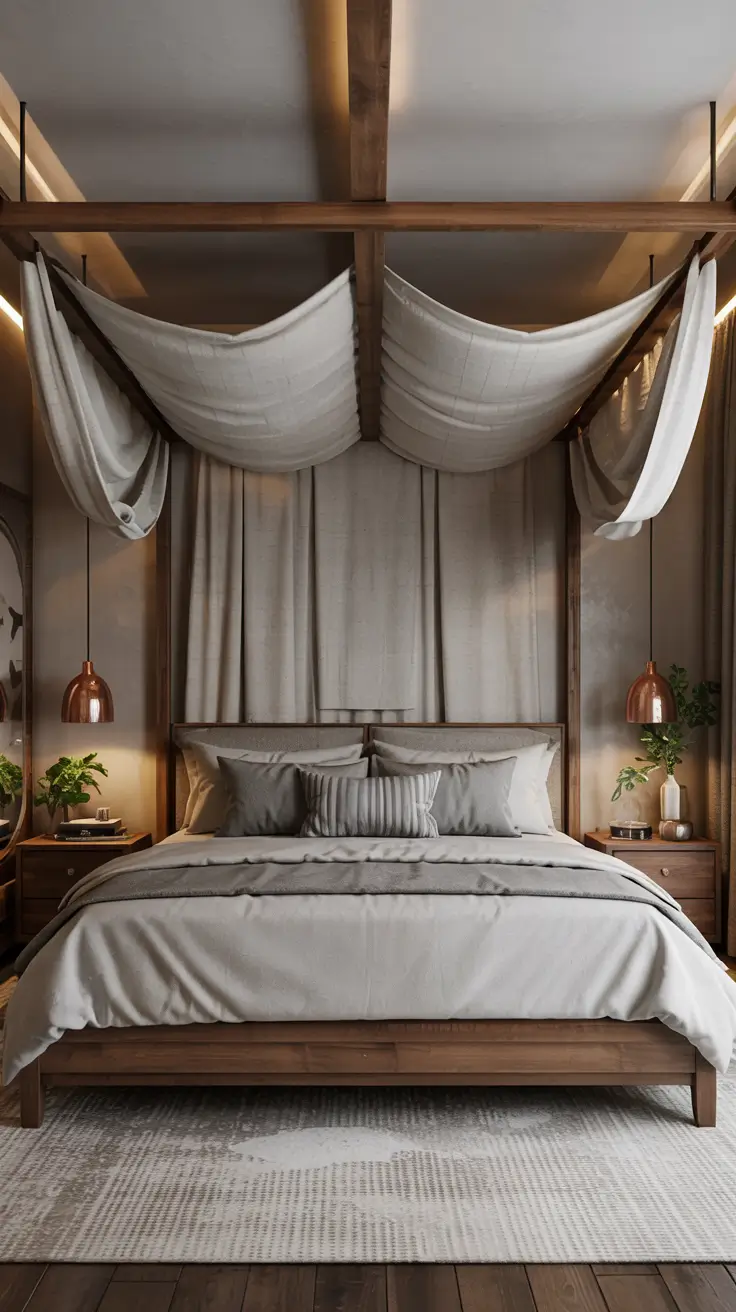
In many canopy bedroom design ideas, I prefer using neutral fabrics such as linen or cotton because they soften the structure without overwhelming the room. The canopy frame itself can be made from wood or Metal, depending on the overall design style. I also recommend pairing the canopy bed with layered bedding, soft lighting, and textured rugs to create a cohesive environment that feels inviting and comfortable.
From my perspective, canopy beds work best when the surrounding space remains visually uncluttered. Interior designers frequently emphasize that large furniture pieces should have breathing room to maintain balance in a bedroom layout. When done correctly, a canopy bed can bring a sense of luxury and calm while still supporting practical daily living.
To elevate the design further, I often add subtle decorative elements such as bedside lamps, soft wall textures, or a minimal headboard integrated into the canopy frame. These details help reinforce the cozy atmosphere while ensuring the bedroom remains functional. The result is a refined sleeping environment that blends comfort, elegance, and thoughtful design.
24. Elegant Canopy Bedroom Design Ideas For Modern And Romantic Interiors
Elegant canopy bedroom design ideas often focus on creating a sense of intimacy while maintaining a modern aesthetic. When designing these spaces, I usually begin by positioning the canopy Bed so it aligns with architectural features such as a Window or feature wall. This arrangement allows natural light to filter through soft fabrics and create a calm, romantic atmosphere. The canopy structure itself often uses slender frames that keep the room feeling open and airy.
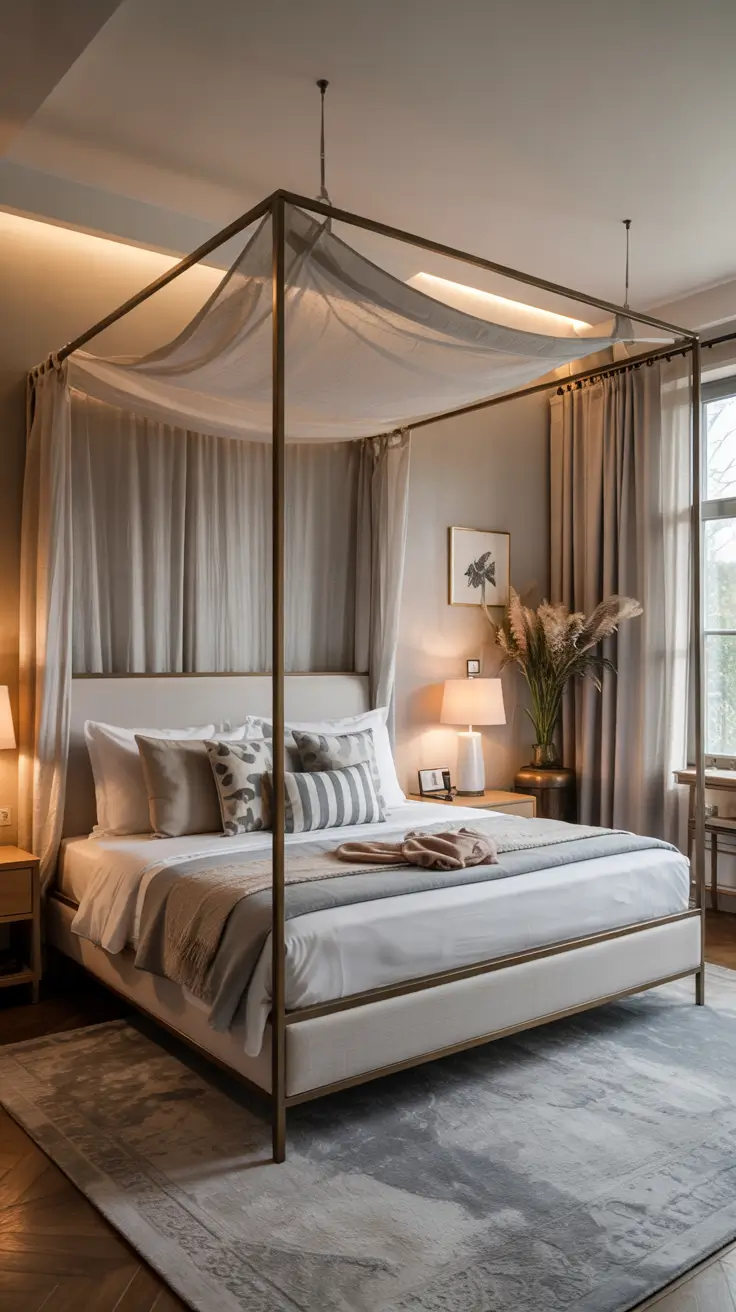
Furniture selection is equally important in achieving this refined atmosphere. I recommend pairing the canopy bed with low profile nightstands, warm ambient lighting, and soft upholstered seating. Materials such as natural wood, brushed Metal, and neutral fabrics help maintain a balanced palette that supports relaxation. Layered textiles and decorative pillows also add texture without overwhelming the design.
In my experience, subtle lighting makes a significant difference in these interiors. Designers frequently recommend combining bedside lamps with gentle overhead lighting to create layered illumination. I personally prefer warm light tones that enhance the softness of fabrics and highlight the canopy structure itself.
Another improvement I often suggest is incorporating decorative wall elements such as textured panels or minimalist artwork behind the bed. These additions help anchor the canopy visually within the room. Together with thoughtful furniture placement, they ensure the bedroom feels cohesive, calm, and elegant.
25. Retractable Terrace Canopy Design Ideas For Versatile Outdoor Living
A well designed Terrace canopy can dramatically improve how an Outdoor space functions throughout the year. In my experience, retractable canopy systems are among the most practical canopy design ideas patio homeowners can adopt. They allow users to control sunlight, shade, and ventilation depending on weather conditions. When extended, the canopy provides protection from sun or light rain while maintaining an open and airy environment.
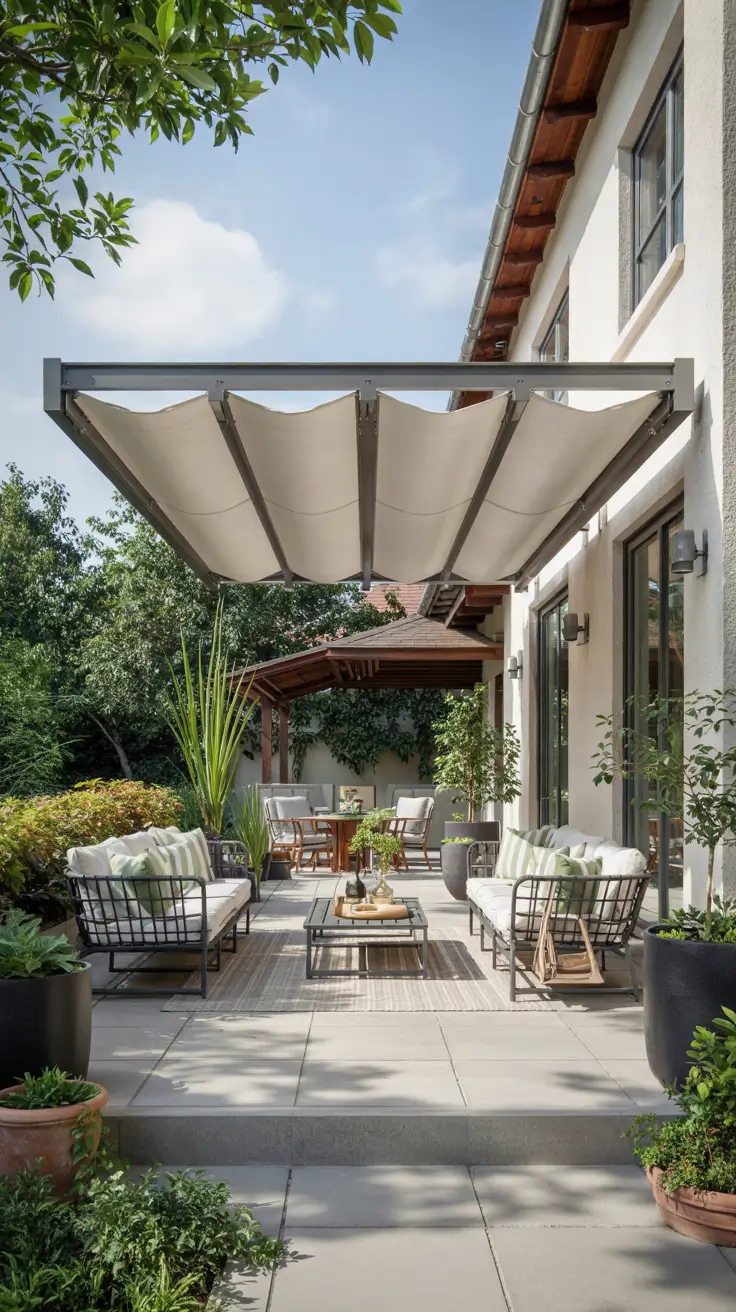
The structure typically consists of a lightweight Metal frame attached to the House wall or integrated into a freestanding pergola style structure. Durable fabric panels slide along tracks or folding arms, allowing the canopy to extend or retract easily. I often recommend neutral colored fabrics that complement the surrounding architecture and blend naturally with the Patio furniture layout.
From my perspective, retractable canopies are especially effective when paired with comfortable outdoor furniture and soft lighting. Outdoor seating, small tables, and decorative planters transform the terrace into a welcoming gathering space. Architectural publications frequently highlight retractable shade systems as one of the most adaptable solutions for modern outdoor living.
To complete the design, I suggest adding weather resistant flooring, integrated lighting, and possibly sliding glass doors connecting the House interior with the terrace. These additions strengthen the relationship between indoor and outdoor areas. The result is a flexible environment that supports relaxation, dining, and entertaining throughout multiple seasons.
26. Outdoor Terrace Canopy Design Ideas For Stylish Relaxation Spaces
When I design a comfortable Terrace relaxation space, I often begin with practical canopy design ideas patio that balance shade, airflow, and aesthetics. A well-designed canopy transforms an ordinary terrace into a structured outdoor room while maintaining openness to the surrounding landscape. In many house canopy design ideas, I combine lightweight structural frames with Retractable fabric systems that allow sunlight control throughout the day. This approach works especially well for modern homes where outdoor living areas serve as extensions of indoor spaces. I find that a properly scaled canopy helps define the seating area while protecting surfaces and furniture from harsh sunlight. The result is a welcoming outdoor retreat that feels both functional and visually integrated with the architecture.
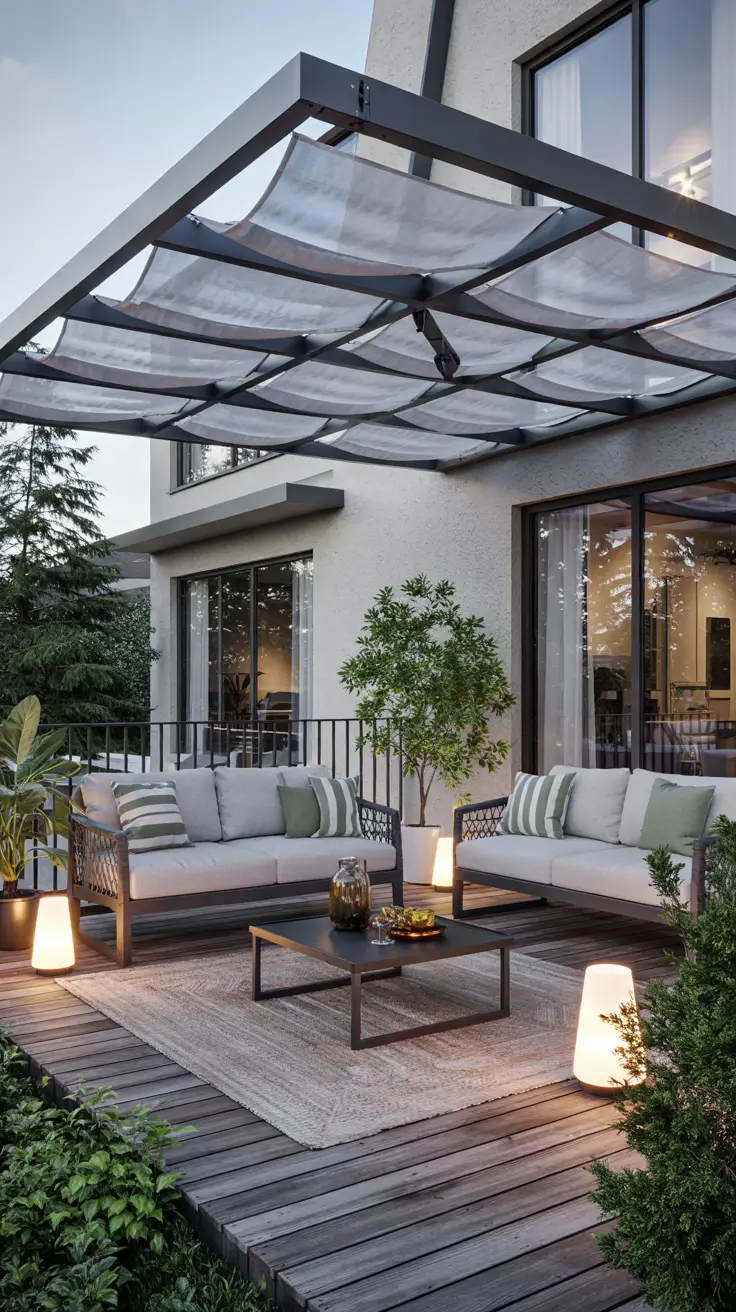
For terrace spaces, I usually select durable materials such as powder-coated Metal frames paired with neutral outdoor fabrics. Comfortable seating arrangements with weather-resistant sofas, low coffee tables, and textured rugs help create a cohesive environment beneath the canopy. I also recommend incorporating greenery such as potted olive trees or climbing vines along the canopy supports to soften the structure. Integrated lighting mounted to the canopy frame can transform the terrace into an inviting evening lounge. These details ensure that the canopy works not only as shade protection but also as a central design element of the Patio or Balcony area.
In my experience, outdoor designers frequently emphasize flexibility when planning terrace canopies. Publications like Architectural Digest often highlight adjustable shade systems as one of the most practical investments for outdoor living areas. I agree with this perspective because adaptable shade solutions allow homeowners to adjust sunlight exposure depending on the season. A canopy that supports both sunny mornings and shaded afternoon gatherings adds long-term usability to the terrace. In my projects, I always prioritize both aesthetics and adaptability.
One detail I believe is often overlooked is the integration of flooring and canopy structure. Coordinating the canopy frame with the terrace flooring materials such as natural stone, wood decking, or textured Concrete helps create a unified outdoor environment. I usually suggest adding subtle architectural elements like built-in benches or planter boxes beneath the canopy. These additions enhance the functionality of the space while strengthening the visual identity of the terrace lounge area.
27. Modern Building Canopy Design Ideas For Architectural Statement Structures
In contemporary architecture, canopy design ideas modern structures often serve as bold visual statements rather than simple shade solutions. A carefully designed canopy can highlight the Entrance of a Building, define circulation zones, and enhance the overall architectural composition. I frequently see striking Glass and Metal Roof canopy systems used in residential and Commercial buildings to create dramatic entry points. These architectural canopies also provide practical shelter while reinforcing the design language of the structure. When thoughtfully designed, the canopy becomes an extension of the building’s identity.
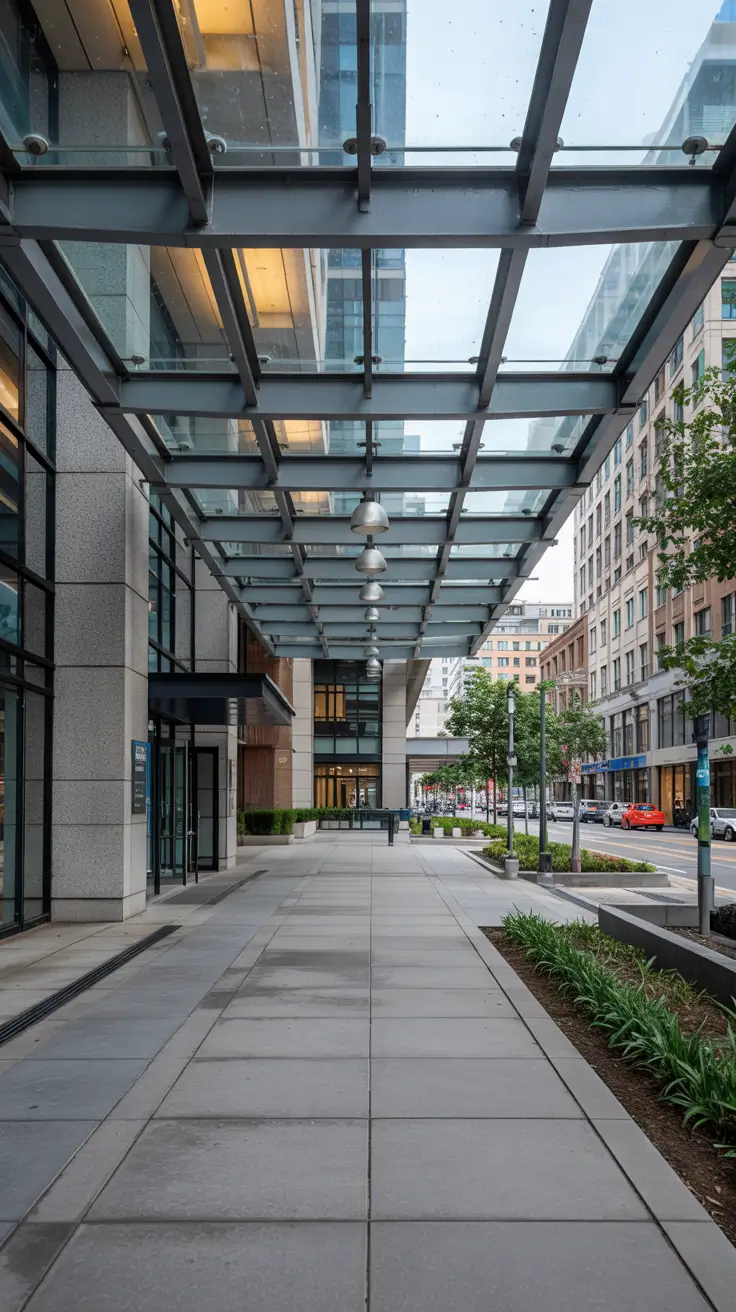
I usually recommend minimalist structural systems that emphasize clean lines and geometric precision. Materials such as laminated Glass panels supported by brushed Metal beams create a sophisticated appearance that complements modern architecture. Lighting integrated into the canopy structure enhances visibility while highlighting architectural details during evening hours. Landscaping elements like linear planters or sculptural trees placed beneath the canopy can further emphasize the entrance zone. These elements help create a welcoming transition between the exterior environment and the building interior.
From my perspective, architectural canopies work best when they maintain proportional balance with the building façade. Many architects featured in publications like Dezeen emphasize that canopy scale should reinforce the rhythm of the surrounding structure. I agree with this principle because oversized or poorly proportioned canopies can disrupt architectural harmony. Instead, a well-proportioned canopy adds depth, shading, and visual structure to the façade. This careful integration ensures that the canopy complements rather than competes with the building design.
One improvement I often suggest is incorporating smart drainage and water management into canopy design. Sloped Roof surfaces, concealed gutters, and discreet drainage channels help maintain a clean architectural appearance. Without proper drainage planning, even the most visually appealing canopy can become impractical over time. Addressing these technical aspects early ensures both durability and long-term performance.
28. Stylish Roof Canopy Design Ideas For Contemporary Homes And Outdoor Spaces
In many modern homes, I use Roof canopy structures to extend living areas beyond the interior walls. These house canopy design ideas often transform a Patio, Porch, or Rooftop into a protected outdoor lounge or dining space. By combining strong structural elements with elegant design, roof canopies create comfortable environments that remain usable throughout changing weather conditions. I find that homeowners appreciate the ability to enjoy outdoor spaces without direct exposure to sun or rain. This design approach helps outdoor areas feel like natural extensions of the home’s interior.
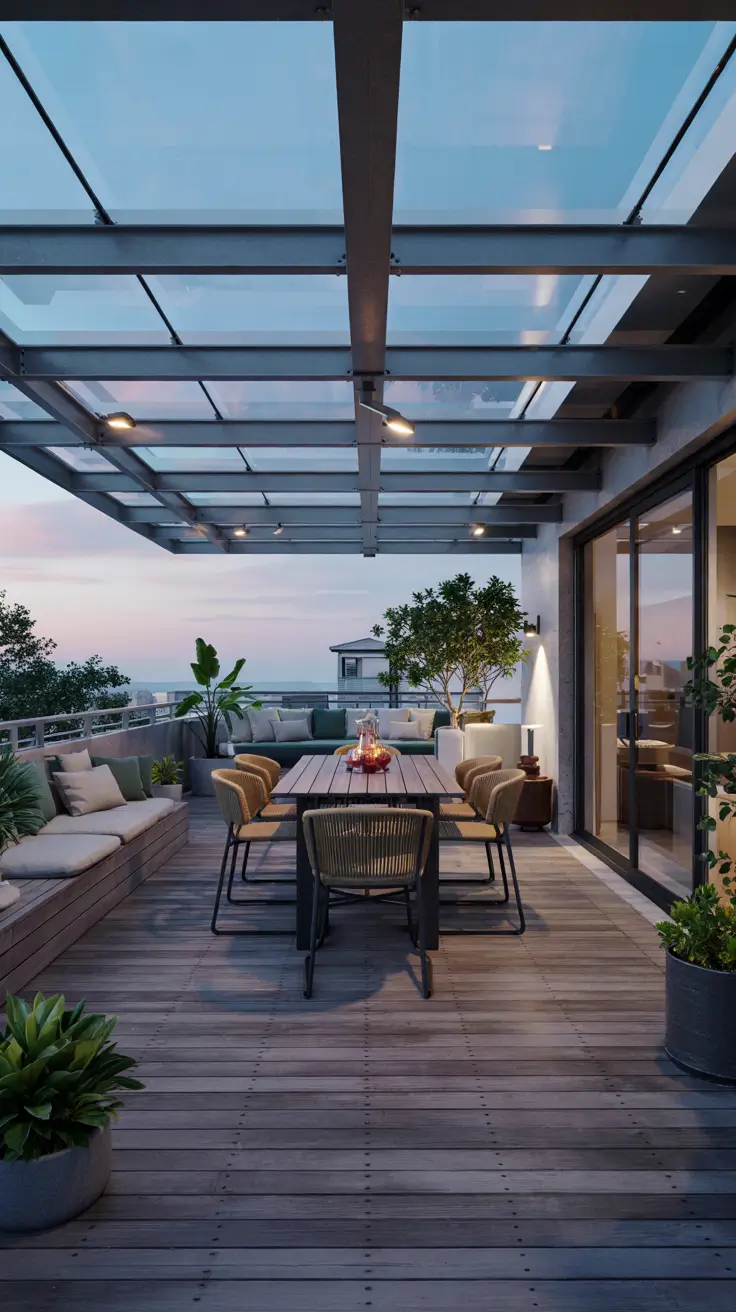
For materials, I typically choose a combination of steel frames and tempered Glass or polycarbonate roof panels. These materials provide weather protection while still allowing natural daylight to reach the space below. Under the canopy, I often arrange comfortable outdoor furniture such as sectional seating, dining tables, and lounge chairs that support relaxation and entertaining. Accent elements such as pendant lights, ceiling fans, and soft textiles help make the covered space feel warm and inviting. The canopy itself becomes the architectural centerpiece that ties the entire outdoor setting together.
In my own work, I have found that roof canopies function best when they complement the architectural style of the home. For minimalist homes, I prefer slim steel structures with transparent roof panels that maintain visual lightness. For more rustic or farmhouse-inspired houses, wood beams combined with metal roofing panels create a more textured appearance. Designers featured in publications like Dwell frequently emphasize blending outdoor structures with the home’s primary materials. I follow this principle because it creates a cohesive and timeless design.
Another feature I often recommend adding is integrated climate control for the outdoor area. Ceiling fans, infrared heaters, or retractable shade panels can significantly increase comfort beneath the canopy. These additions allow the space to remain usable during hot summers and cooler evenings. Thoughtful climate planning ensures that the canopy-covered area becomes a year-round gathering space.
29. Creative Metal Entrance Canopy Design Ideas For Durable And Modern Homes
One of the most practical architectural elements I work with is the Metal entrance canopy. These canopy entrance design ideas provide shelter for the Entrance of a House or Building while also serving as a visual focal point. A well-designed entrance canopy protects visitors from rain and snow while reinforcing the architectural character of the façade. I often recommend metal canopy structures for modern homes because they offer exceptional durability and structural strength. Their clean lines and industrial elegance complement contemporary architecture.
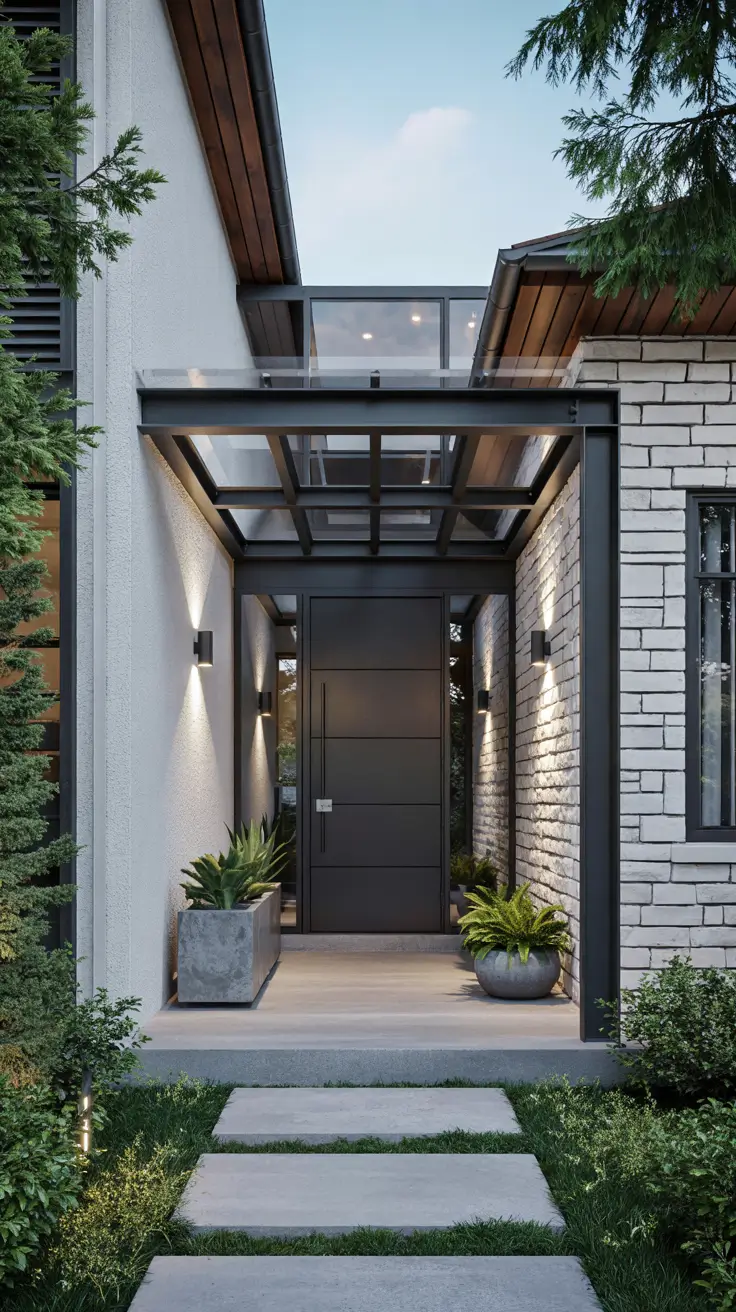
In my projects, I typically use powder-coated steel frames paired with metal roof panels or translucent polycarbonate sheets. These materials offer excellent weather resistance and require minimal maintenance over time. Lighting fixtures integrated beneath the canopy help illuminate the entrance pathway and highlight the front door area. Decorative elements such as vertical wood slats, stone cladding, or minimalist planters can enhance the visual appeal of the entrance zone. Together, these details create a welcoming yet architecturally refined entry experience.
From my perspective, entrance canopy design should always prioritize proportion and placement. Many architects emphasize that the canopy should visually frame the entrance rather than overwhelm it. I follow this approach by designing structures that align with the geometry of windows, doors, and façade elements. When done correctly, the canopy becomes a natural extension of the building rather than an added accessory.
A detail that I often suggest adding is integrated drainage and weather protection for the surrounding walkway. Subtle design elements such as recessed lighting, textured flooring, or sheltered package drop areas can significantly improve everyday functionality. These small additions help transform a simple canopy into a thoughtfully designed architectural feature.
30. Unique Modern Canopy Design Ideas For Outdoor, Patio, And Architectural Spaces In 2026
Looking toward design trends for 2026, I see a strong movement toward innovative and unique canopy bed design ideas, architectural structures, and adaptable outdoor shading systems. Modern designers are exploring creative combinations of Glass, Metal, and Retractable Roof technologies to create versatile canopy solutions. These canopy design ideas modern environments often combine aesthetics with advanced engineering. Whether used on a Patio, Balcony, Rooftop, or garden lounge area, the canopy becomes a defining architectural element. The goal is to create flexible spaces that adapt to changing weather and lifestyle needs.
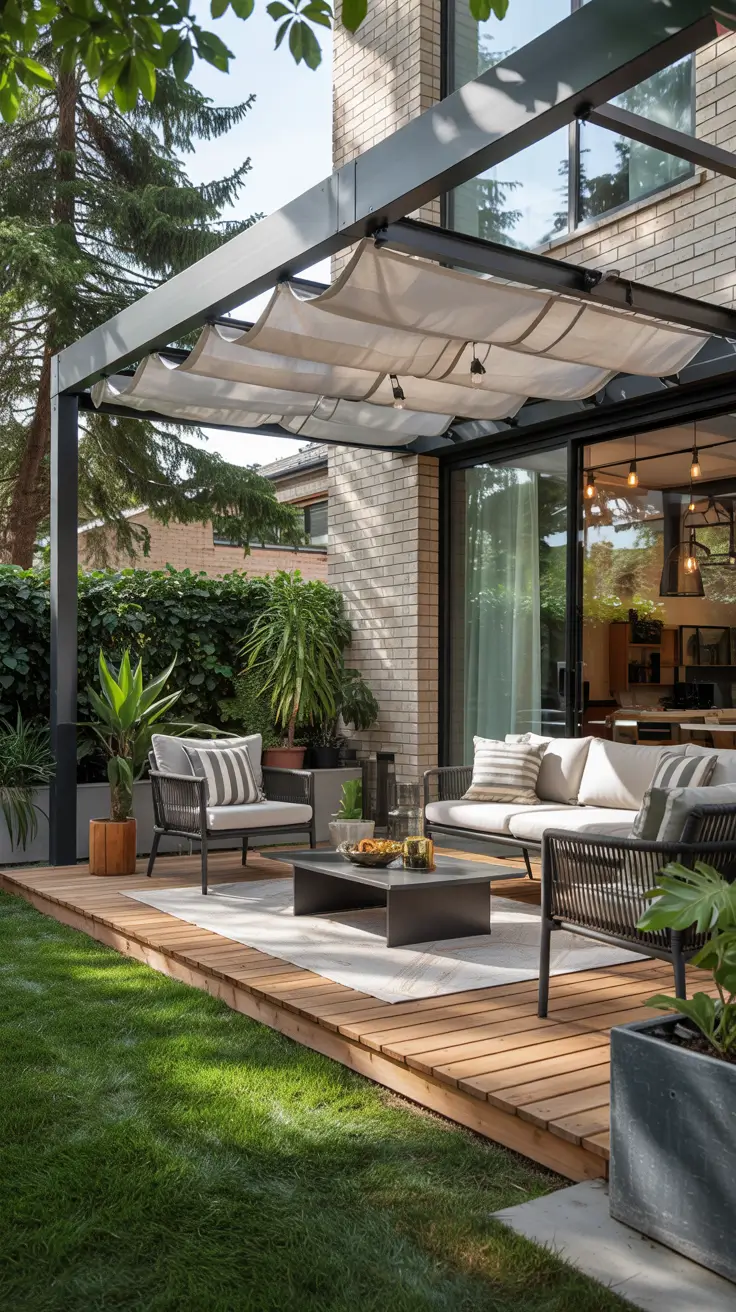
I often see modular canopy systems that can expand or retract depending on the desired level of shade. For example, adjustable fabric panels supported by sleek metal frames allow homeowners to control sunlight throughout the day. Beneath these canopies, comfortable outdoor furniture such as lounge chairs, dining tables, and decorative lighting create inviting gathering spaces. These setups also work well for seasonal events such as a Wedding reception or garden celebration. The versatility of modern canopy systems makes them suitable for both everyday living and special occasions.
In my own projects, I have found that personalization is becoming increasingly important. Designers are experimenting with curved structural forms, layered roof panels, and integrated smart lighting systems. Architectural platforms often highlight how customized canopy structures can reflect the personality of the home or outdoor environment. I believe this trend will continue as homeowners seek unique outdoor experiences. A canopy is no longer just protection from weather but an essential architectural feature.
I also recommend considering sustainability when planning canopy structures. Materials such as recycled metal, solar-integrated glass panels, and energy-efficient lighting can enhance both environmental performance and long-term value. These thoughtful choices allow canopy systems to contribute to modern sustainable architecture while maintaining visual elegance.