Interior spaces are changing quickly, but not in the cold and overly polished way many people expected a few years ago. When I look at interior design trends for 2026, I see a stronger balance between comfort, function, and visual identity, which is why so many homeowners are revisiting ideas that connect 2025, 2026, and even 2026 2027 style forecasts. What will actually feel fresh in everyday living, and which ideas are only temporary noise? How are interior design trends 2025/2026 influencing kitchens, living rooms, and workspaces at the same time? In this article, I answer those questions by breaking down the most important shifts shaping the latest interiors. I focus on practical ideas that make modern homes feel warmer, more personal, and easier to live in.
1. Interior Design Trends 2026 That Will Redefine Modern Homes
When I study interior design trends 2026, I notice that the biggest shift is not toward one strict style, but toward homes that feel layered, human, and adaptable. The clean but impersonal look that dominated many spaces around 2020 and 2021 is giving way to interiors with more warmth, more texture, and more individuality. In 2026, I expect homeowners to combine modern planning with softer finishes, richer materials, and layouts that support everyday routines instead of only visual impact. This is one of the reasons interior design trends for 2026 feel more grounded than many trend cycles from 2016 or 2010. People want rooms that look elevated but still support reading, working, hosting, and resting. I see this redefinition happening across apartments, family homes, and renovated older properties alike.
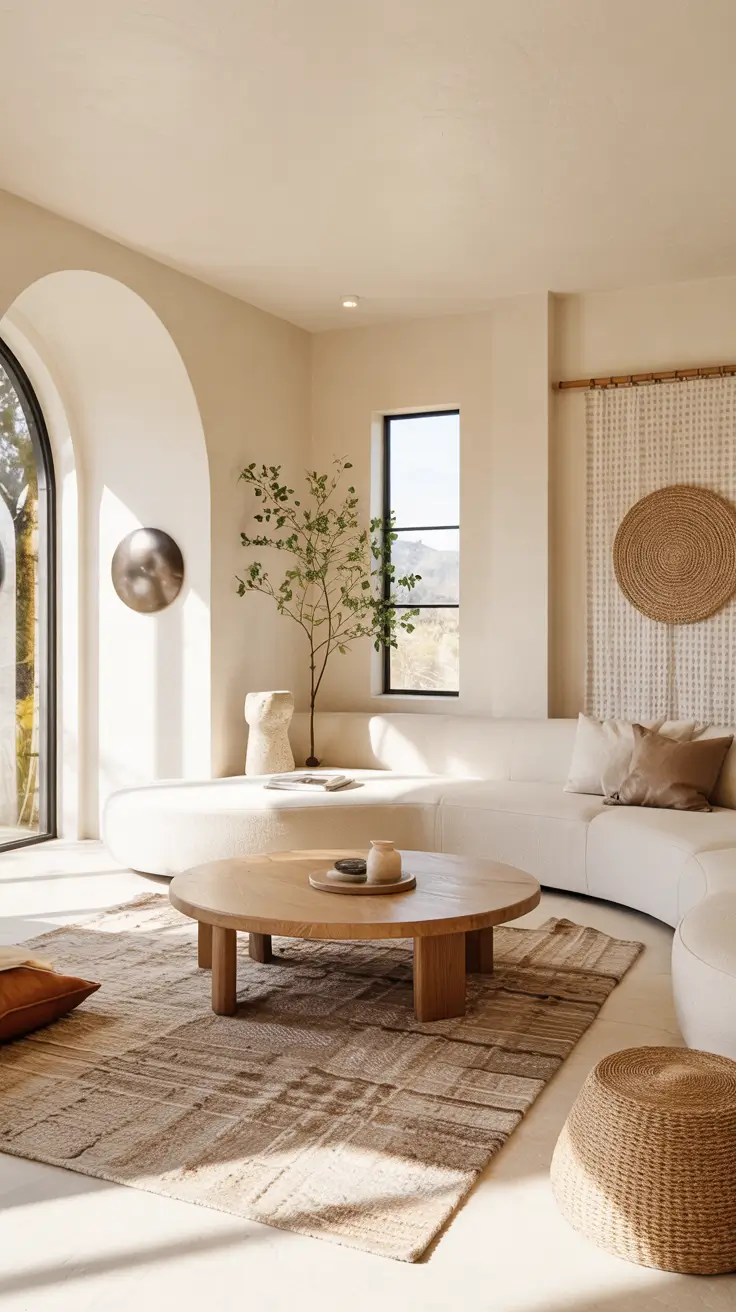
The furniture choices that support this direction are practical and expressive at the same time. I would include a generously scaled sofa with tactile upholstery, a solid wood coffee table, sculptural lighting, and storage pieces that feel architectural rather than purely utilitarian. I also see a strong return of natural stone, limewash finishes, warm oak, walnut, matte metals, and woven details that soften hard edges. In modern interiors, these elements create depth without making the room feel crowded. I prefer furniture with rounded lines because it helps large rooms feel calmer and smaller rooms feel less rigid. When these pieces are combined carefully, the result reflects the newest phase of interior design trends 2025/2026 without making the home feel temporary.
From my perspective, the most successful modern homes in 2026 will be the ones that avoid extremes. I agree with the long-running advice from designers and editorial voices in publications such as Architectural Digest and House Beautiful that a home should evolve around how people actually live, not around a single dramatic moment. I have seen that when a room includes contrast in texture, thoughtful lighting, and furniture scaled to the architecture, it tends to age much better than trend-heavy spaces. That is especially important now, as interior design trends 2026 2027 are moving toward a more collected and less formulaic approach. I think this makes homes feel more personal and less dependent on what was popular in 2024 or 2025. For me, that is the strongest sign that current interiors are maturing in a very useful way.
What I would add to this kind of space depends on the architecture, but I often find that homes are still missing one grounding element. In many cases, that missing piece is a large area rug with subtle pattern, a pair of layered curtains, or a vintage accent chair that gives the room a sense of history. I also like to add one oversized ceramic object, a framed textile, or a low bookshelf to keep the design from feeling too showroom-like. If the room is very new, I would intentionally introduce something aged or handmade to create balance. If the room already has strong materials, I would instead add softer ambient lighting and one organic plant form. These additions help the home reflect the most livable side of interior design trends for 2026.
2. What Makes Interior Design Trends For 2026 Feel Fresh And Current
What makes these spaces feel fresh is not novelty alone, but the way familiar materials are being used more intelligently. I see current homes mixing timeless structure with small updates that make them feel relevant to 2026 without looking overdesigned. Color palettes are warmer, but not heavy, and rooms are becoming more comfortable without losing clarity. This is why interior design trends for 2026 feel different from the sharper, more restrained visual language that was common in 2021. There is more emphasis on mood, softness, and natural variation in surfaces. To me, that is what makes a room feel current in a meaningful way rather than simply new.
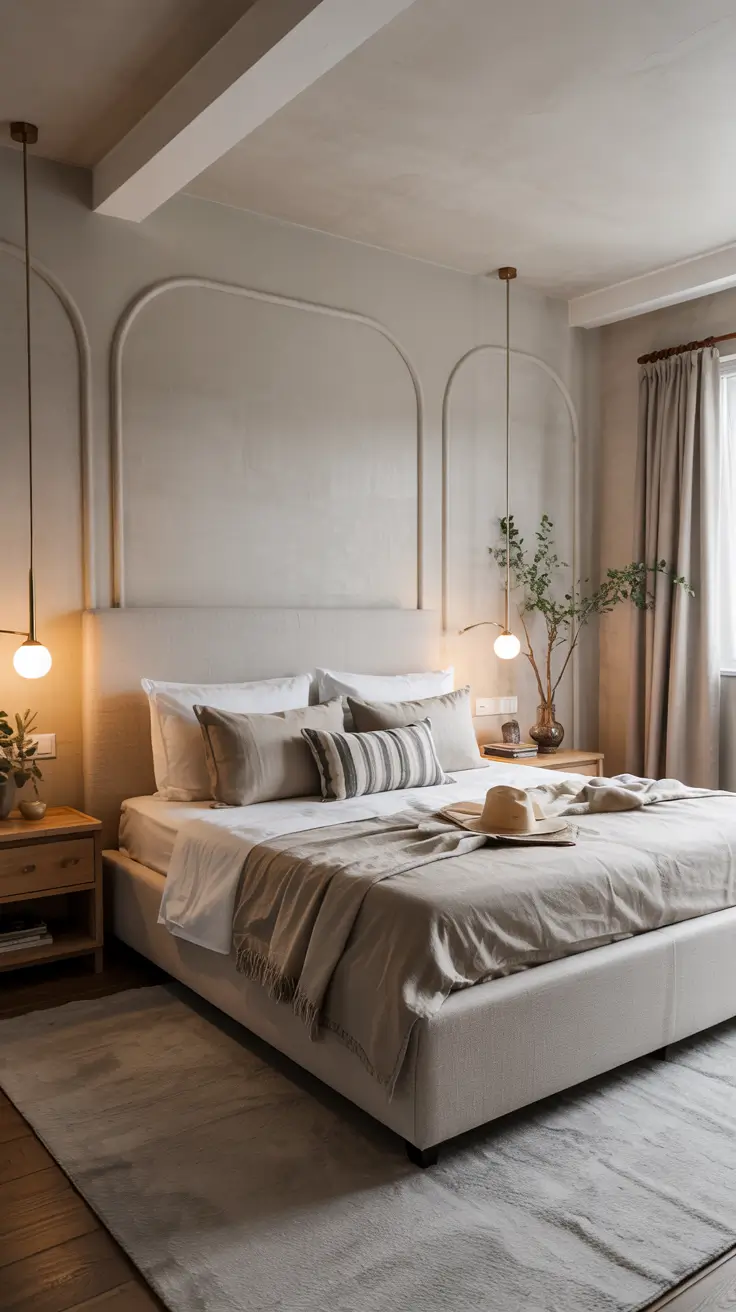
To create that feeling, I would use furnishings and finishes that work together quietly instead of competing for attention. A curved armchair, a softly textured plaster wall, a linen-upholstered bed, and mixed lighting at different heights all contribute to that lived-in but refined effect. I also think the choice of side tables, rugs, and accent lighting matters more than many people assume, because these smaller layers make the space feel intentional. In a living room, for example, I would combine a grounded sofa silhouette with a visually lighter coffee table and a warm-toned lamp to keep the balance right. In a bedroom, I would bring in upholstered panels, natural bedding, and wood nightstands to avoid the space feeling flat. These details are what keep interior design trends 2026 living room ideas feeling current without looking forced.
In my experience, freshness comes from restraint as much as from creativity. I have seen rooms fail when every object tries to announce itself, while quieter rooms often feel more memorable because the composition is more thoughtful. Many respected designers in the US have consistently emphasized the importance of editing, and I agree with that approach because it gives materials and craftsmanship room to stand out. I think the freshest interiors in 2026 are the ones that feel confident enough not to overexplain themselves. They are modern, but they are also calm, tactile, and connected to real life. That balance is what makes the newest interiors feel relevant across different home types.
What is often missing from spaces that aim to feel current is a stronger sensory layer. I would add dimmable lighting, fuller window treatments, textured upholstery, and surfaces with visible grain or variation to make the room feel more complete. Scent, acoustics, and softness underfoot also matter more than people expect, especially in open-plan homes. If a room feels visually correct but emotionally flat, it usually needs one more layer of touch and atmosphere. I also like to include one piece that feels handmade, because it introduces imperfection in a very useful way. That is often the final step that turns a nice interior into a memorable one.
3. The Latest Interior Design Trends 2026 Bringing Warmth Back Into Interiors
One of the strongest movements I see in the latest interior design trends 2026 is the return of warmth as a design priority. After years of cooler neutrals and highly streamlined rooms, many people now want spaces that feel restorative and welcoming from the moment they enter. Warmth does not mean visual heaviness or traditional decor in an old-fashioned sense. In 2026, it usually appears through richer neutrals, soft brown undertones, muted terracotta, creamy whites, warm metals, and materials with visible depth. This change is especially noticeable when comparing homes designed around 2024 ideas with spaces shaped by 2025 and 2026 preferences. For me, this is one of the most important reasons interiors feel more emotionally satisfying now.
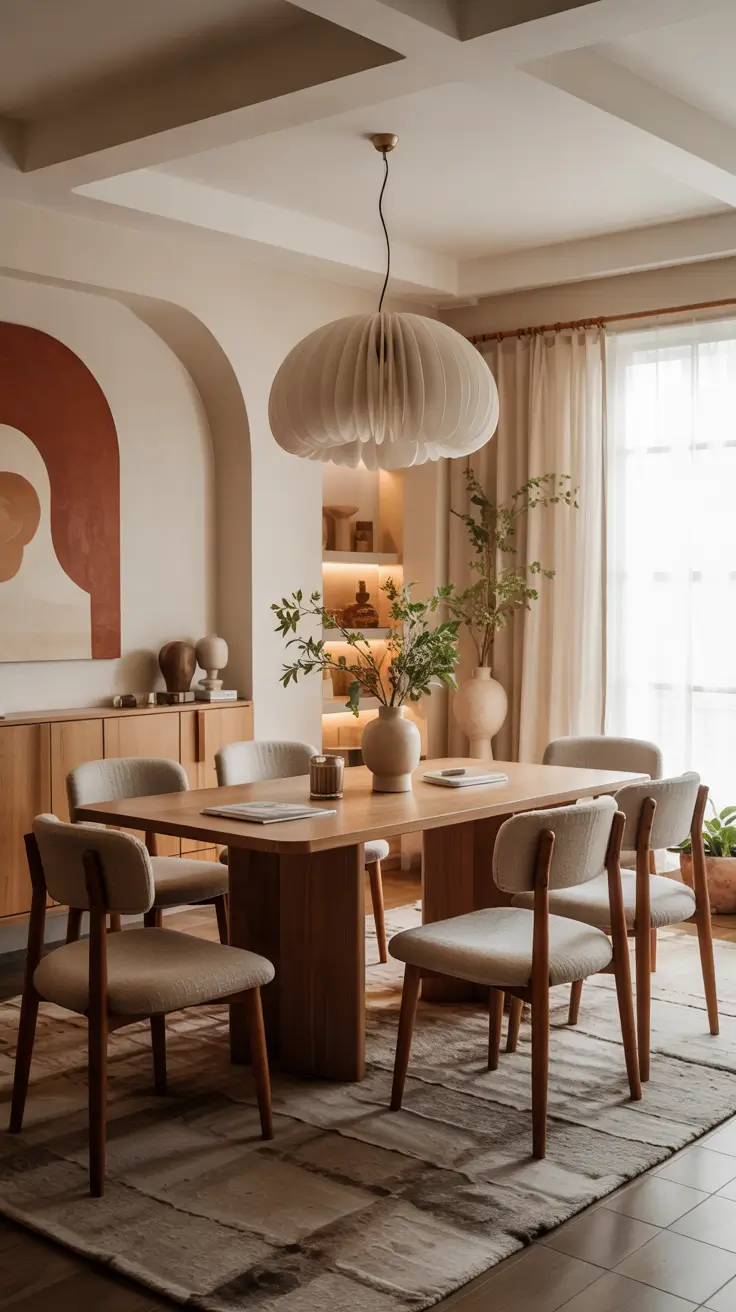
To bring that warmth into a room, I would focus on wood tones, upholstery, lighting temperature, and layered textiles before doing anything overly decorative. A warm oak dining table, boucle or brushed cotton seating, antique brass lighting, and wool or flatweave rugs immediately make a room feel more inviting. I also think wall color matters more than many people realize, especially when daylight changes throughout the day. In kitchens influenced by interior design trends 2025/2026 kitchen ideas, I am seeing less stark white and more creamy cabinetry, natural stone with movement, and wood accents that soften the overall composition. In living spaces, deeper neutral palettes help large rooms feel intimate without sacrificing brightness. These are practical changes, but they have a powerful effect on daily comfort.
I personally like this direction because it gives modern interiors more emotional intelligence. I have always believed that a home should lower visual stress, and warmer materials tend to do that more effectively than highly contrast-driven palettes. Editorial guidance from design publications often points to natural materials and layered lighting as long-term solutions for making spaces feel better, and I think that advice is especially relevant now. In my own assessments of interiors, rooms with warmth built into their finishes usually feel more complete even before accessories are added. They also tend to photograph well while still feeling good in person, which is not always the case with colder minimal spaces. For that reason, I see warmth as one of the most durable upcoming directions.
What I would add to a warm interior depends on how much natural light the room receives. In bright spaces, I would deepen the palette with clay, caramel, mushroom, or olive accents so the room gains character. In darker rooms, I would keep the base light but add warmth through fabric, wood, and soft lighting rather than relying on dark paint. I also think many rooms need better window framing, because bare windows often make even a beautiful room feel unfinished. A textured curtain, a Roman shade, or a woven blind can solve that quickly. These additions support the warmer side of interior design trends 2026 without making the design feel overly styled.
4. Upcoming Interior Design Trends 2026-2027 To Watch Early
Looking ahead, I see interior design trends 2026 2027 moving toward more expressive but still practical spaces. The next phase is not about returning fully to the past, but about using historical references, craftsmanship, and softer silhouettes in a smarter way. I expect homes to become more layered, with stronger personality and less dependence on one-note minimalism. That means pattern will be used more carefully, color will feel more nuanced, and furniture will often look more sculptural. I also think people will keep moving away from rooms that feel as though they were copied directly from a catalog. For anyone planning ahead, these upcoming changes are worth watching now.
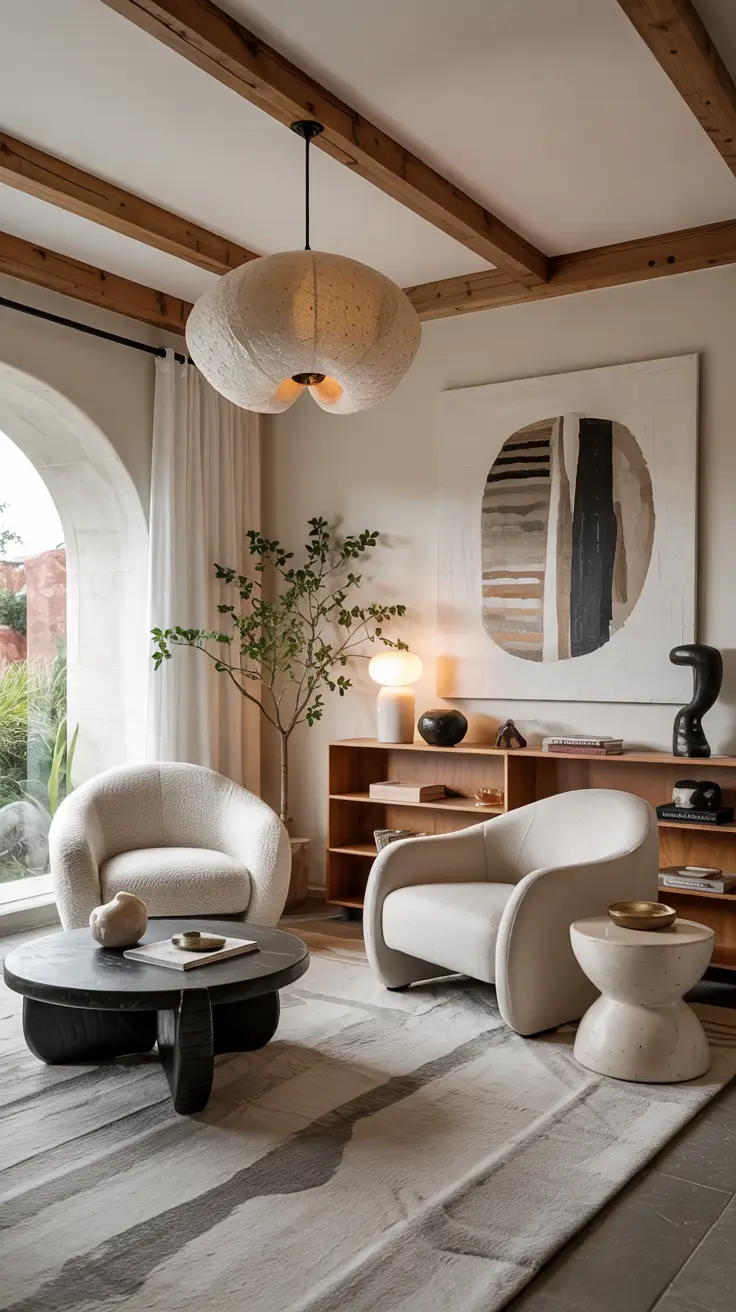
The pieces I would consider early are curved case goods, tailored upholstered beds, statement stone side tables, and artisan lighting that feels like functional art. I also expect to see more decorative trim, more mixed woods, and more use of vintage or vintage-inspired furniture in otherwise modern homes. In living areas, the 2026 2027 transition may bring lower seating profiles, deeper lounge furniture, and rooms arranged around conversation rather than television alone. In dining spaces, I would watch for pedestal tables, textured ceramics, and upholstered dining chairs becoming even more common. In kitchens, the influence of interior design trends 2025/2026 kitchen concepts will likely continue through concealed storage, warmer colors, and material combinations that feel less clinical. These choices help a home feel future-aware without needing a total redesign.
I find this upcoming shift interesting because it allows personality to return without sacrificing discipline. I have seen many homeowners hesitate between timeless design and expressive design, but I think the next cycle will make those two ideas easier to combine. Designers and editors have long emphasized that a room should contain tension between old and new, smooth and rough, quiet and bold, and I believe that principle will shape many of the strongest interiors in 2027. My own view is that the most compelling homes will not chase every new detail. Instead, they will choose a few forward-looking elements and pair them with pieces that already have longevity. That is the smartest way to prepare for the next style era.
What is often missing when people try to anticipate future trends is patience. I would not rush to replace every major furniture piece, but I would start adding smaller directional elements such as sculptural lamps, patterned textiles, or a distinctive accent chair. I also think walls are often underused as a design tool, whether through paneling, plaster texture, mural-like paint treatment, or oversized art. If the architecture is plain, that is usually the first place I would make an update. If the furniture is too uniform, I would add one item with visible character or age. Those changes allow a home to begin reflecting upcoming design directions in a measured and believable way.
5. How Interior Design Trends 2025-2026 Are Shaping The Next Style Era
The bridge between interior design trends 2025 and interior design trends 2026 is more important than it may seem. I do not view 2026 as a complete reset, but as a refinement of ideas that began gaining strength in 2025. During that period, many interiors started moving away from overly white, highly simplified environments and toward homes with more comfort, more material presence, and more personal expression. In 2025/2026, that evolution became clearer in the living room, the kitchen, and especially the home office. Even 2025 office thinking began to shift toward spaces that support concentration while still feeling visually integrated with the rest of the home. To me, this transition is what defines the next style era most clearly.
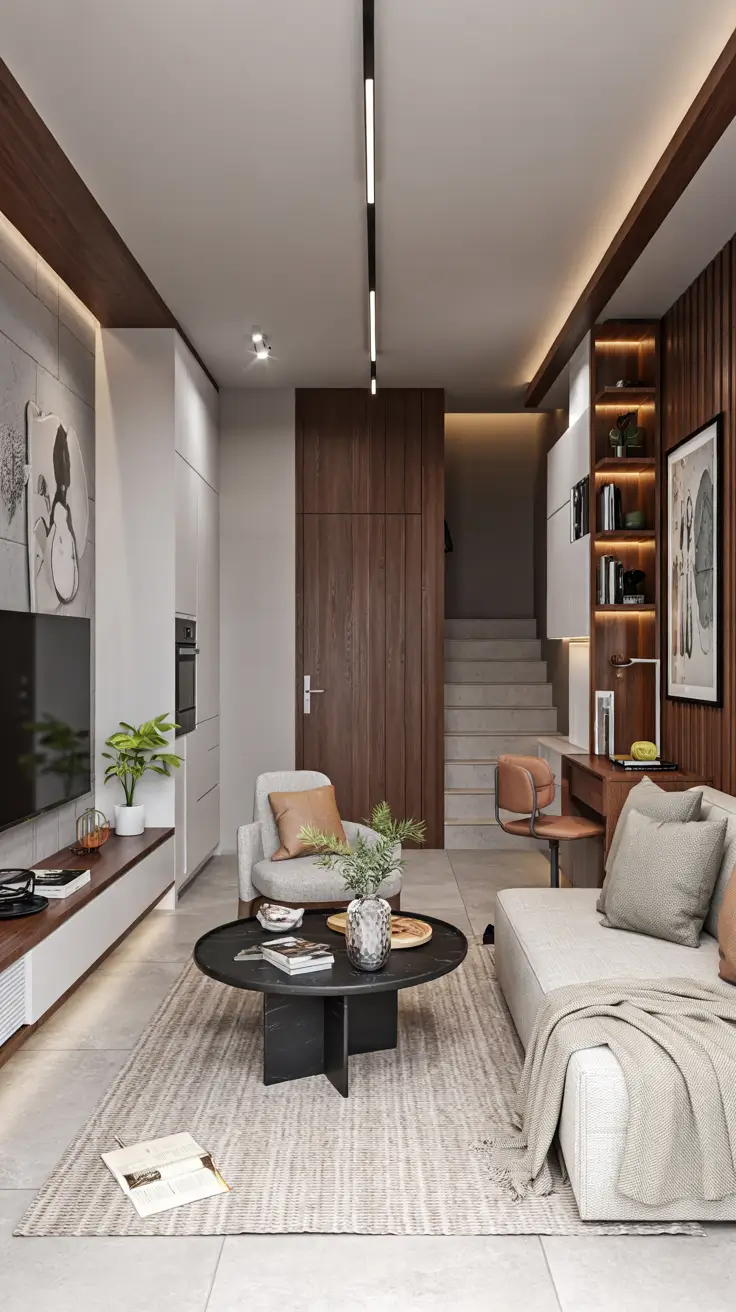
In practical terms, this means more thoughtful zoning, better furniture proportions, and a stronger relationship between utility and atmosphere. I would design a 2025/2026 living room with layered seating, a substantial rug, mixed lighting, and storage that blends into the architecture rather than dominating it. In the kitchen, I would combine warm cabinetry, stone with natural movement, integrated appliances, and open shelving used selectively rather than excessively. For a workspace, I would include a real desk chair, directional task lighting, a table or desk with visible material quality, and shelves that support both storage and display. These are not dramatic trend gestures, but they shape how the home feels every day. That is why interior design trends 2025/2026 are having such a strong effect on what comes next.
From my point of view, the most valuable change in this period is the return of design decisions based on lifestyle rather than image alone. I have seen homeowners become more interested in how a room supports routines, transitions, sound control, and emotional comfort. That change may sound subtle, but it influences every design choice from layout to fabric selection. I think this is why the current and newest trends feel more mature than many earlier cycles. Instead of chasing a single modern look, people are creating homes that can adapt over time while still feeling distinctive. That approach is what will make the next era more lasting than many short-lived trends from the past.
If I were expanding this section, I would add more attention to transitional spaces such as entryways, breakfast areas, and small reading corners. These zones are increasingly important because they help larger homes feel cohesive and smaller homes feel more efficient. I also think many interiors still need better lighting planning, especially in spaces that serve multiple purposes from morning to evening. A room can have excellent furniture and still underperform if the lighting is flat or too limited. I would also introduce more discussion of how Gen z preferences are influencing color, flexibility, and personalization without making homes feel chaotic. That is one of the quieter but very real forces shaping the next design era.
6. New Color Directions Inspired By Interior Design Trends 2026
I see one of the strongest changes in interior design trends 2026 in the way color is being used with more intention and emotional depth. Instead of relying on cold neutrals alone, I notice a move toward earthy clay, mushroom taupe, muted olive, smoky blue, chalky peach, and deep mineral tones that feel grounded and livable. These palettes reflect the newest direction in residential design because they bring warmth without making a room feel heavy. In many homes, this shift also connects to broader interior design trends 2026 2027, where softness and realism matter more than polished perfection. To me, these new color directions feel especially relevant because they respond to the desire for interiors that look calm, layered, and human rather than overly styled.
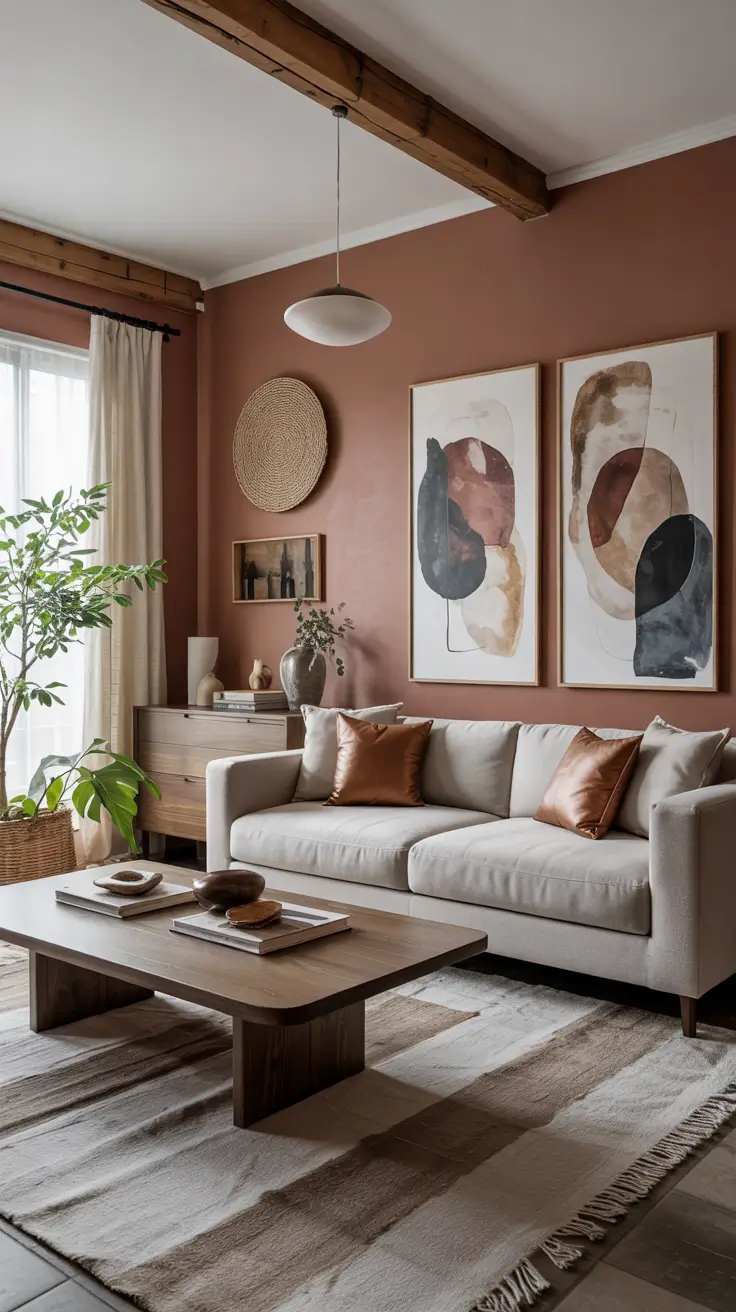
When I build a room around one of these palettes, I usually start with the largest surfaces first and then support them through furniture and finishes. I find that warm plaster walls, textured upholstery, matte wood finishes, and natural fiber rugs help color feel integrated rather than decorative. A sofa in mushroom beige or muted rust works beautifully with walnut side tables, off-white drapery, and ceramic lighting in sand or stone tones. I also think painted cabinetry, especially in olive or desaturated blue, is a strong answer to interior design trends 2025/2026 kitchen ideas because it feels fresh without being loud. In my experience, color works best when it is repeated across two or three surfaces in different textures, which gives the room rhythm and depth.
I personally prefer palettes that age well, and that is why I think this movement is stronger than many trend cycles from 2025, 2024, or even 2021. Publications such as Architectural Digest and House Beautiful have continued highlighting warm neutrals and grounded earthy hues because they support both modern and traditional interiors with ease. I agree with that direction because these colors are easier to live with long term and they photograph beautifully in daylight and evening light alike. When I advise someone on updating a room, I usually suggest choosing one anchor tone, one supportive neutral, and one darker accent rather than trying to use too many statement shades at once. That method keeps the design balanced and prevents the palette from feeling disconnected.
What I would still add to this section is a careful approach to lighting, because color never exists on its own. I always test paint and textiles in morning, afternoon, and lamplight before making final decisions. A shade that looks elegant in a showroom can turn flat or too yellow once it is placed in a real room. I also recommend including tactile materials like bouclé, linen, brushed wood, and matte ceramic because they help reveal the richness of softer color palettes. In my view, the missing element in many color-based interiors is not another shade, but a better mix of texture, shadow, and finish.
7. Modern Furniture Silhouettes Leading Interior Design Trends 2026
When I look at the furniture shaping interior design trends for 2026, I see a clear move toward softer silhouettes that still feel structured and functional. Sharp edges are not disappearing completely, but they are being balanced by curved backs, rounded corners, low profiles, and sculptural forms that make a room feel more relaxed. This is one of the most noticeable developments in modern interiors because furniture is now expected to create atmosphere as much as utility. I think this direction reflects a broader change in how people want their homes to feel – less formal, less rigid, and more supportive of everyday life. For that reason, these silhouettes are becoming central to both interior design trends 2026 living room concepts and more flexible open-plan spaces.
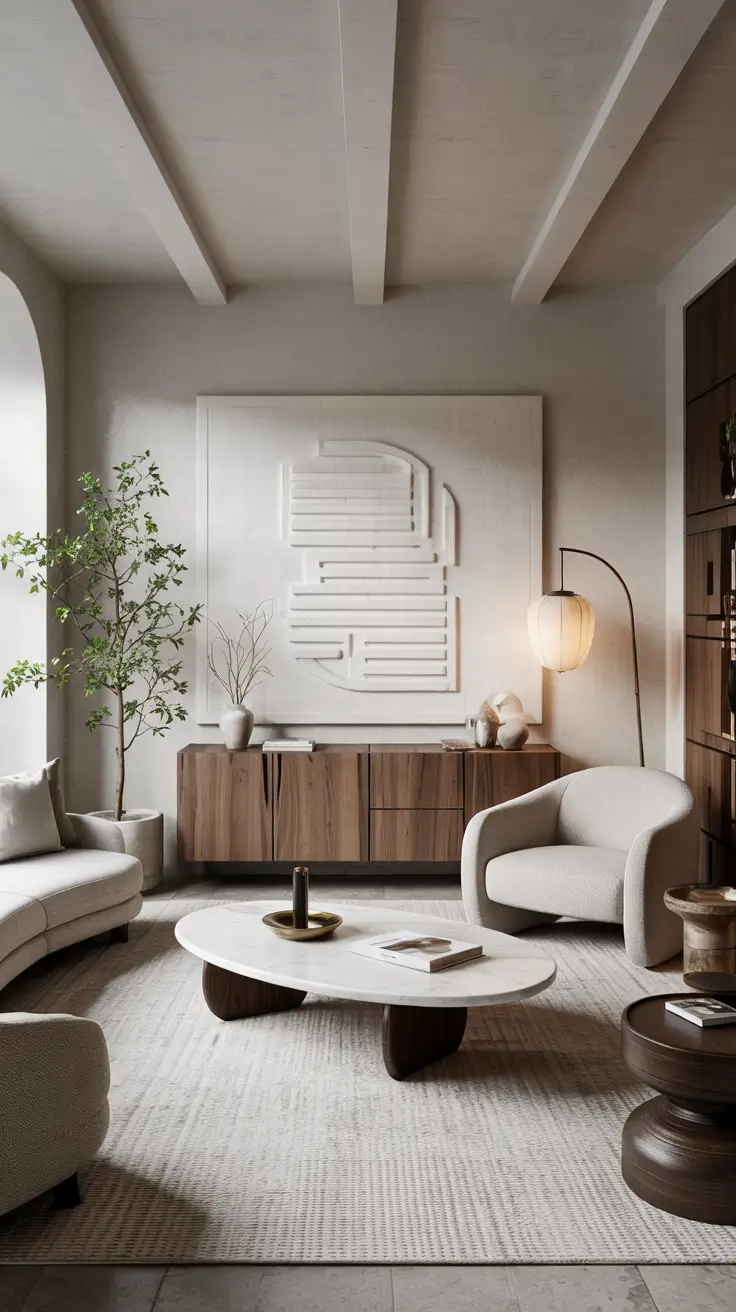
In practical terms, I see more crescent sofas, oval coffee tables, softly framed lounge chairs, and dining pieces with subtly shaped backs and legs. These forms work well because they improve movement through the room and reduce visual harshness, especially in spaces with a lot of hard surfaces. I often pair a low, curved sofa with a solid wood table, a textured rug, and one statement floor lamp to keep the room calm but not flat. Storage furniture is also changing, with sideboards and consoles taking on cleaner, more architectural lines that still hide clutter effectively. In my opinion, the reason these pieces are important is that they combine comfort, simplicity, and a more refined sense of proportion.
I have found that modern furniture silhouettes work best when they are not competing for attention. Elle Decor and other design publications often emphasize the importance of scale and editing, and I agree with that completely. A room does not need many sculptural objects if the main seating already has a strong presence. I usually recommend investing in one or two pieces with memorable shapes and keeping the rest supportive through texture and tone. That approach helps the room stay aligned with the latest design language while still feeling personal and usable over time.
What is often missing from conversations about furniture trends is the connection between silhouette and lifestyle. I always ask whether a low sofa is comfortable for daily use, whether a sculptural chair is actually supportive, and whether rounded tables suit the household layout. A beautiful room fails quickly if the pieces only look good in photos. I also think it is important to balance soft furniture forms with something grounded, such as a substantial table, a heavy woven rug, or paneled walls, so the room does not drift into visual softness everywhere. The best interiors, in my experience, let modern shapes feel intentional rather than fashionable for a single season.
8. Interior Design Trends 2026 Living Room Ideas With Soft Luxury Appeal
The phrase soft luxury describes one of the clearest interior design trends 2026 living room ideas I am seeing right now. To me, it means creating a space that feels elevated without obvious excess, using subtle materials, graceful shapes, and quiet layering instead of dramatic display. This look is not about filling a room with expensive objects, but about giving it a sense of calm refinement through proportion and restraint. It fits especially well into 2026 living room planning because people increasingly want spaces that feel restorative, elegant, and comfortable at the same time. I believe soft luxury is becoming so influential because it brings together the comfort people wanted in 2020 and 2021 with the more polished detailing that returned in 2025.
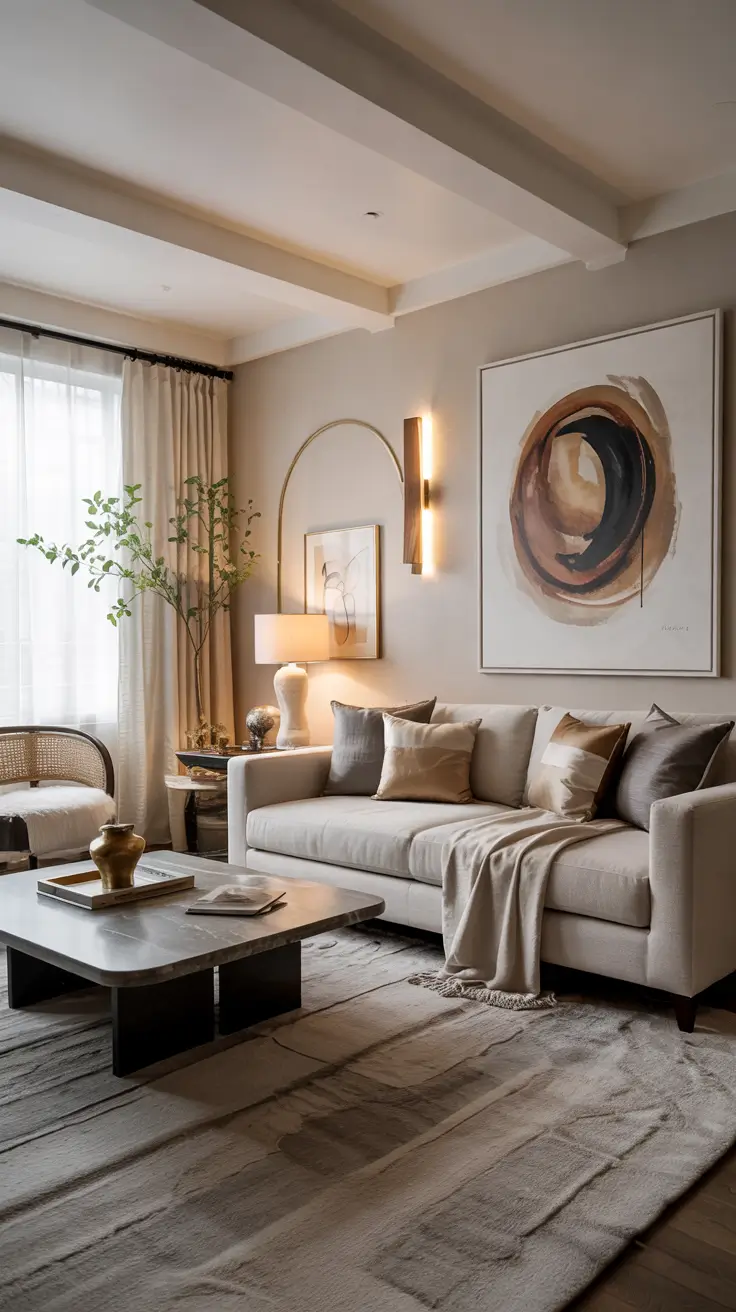
When I design around this idea, I focus on a few key elements that create the effect without overwhelming the room. A generously sized sofa in linen or velvet, a layered rug combination, a stone or wood coffee table, tailored curtains, and warm metallic accents usually form the core. I also like adding a large-scale artwork piece, a bench or accent chair with subtle curves, and lighting that includes both ambient and task sources. These pieces matter because soft luxury depends on mood, and mood comes from how materials reflect light, how fabrics absorb sound, and how furniture shapes guide the eye. In my view, a living room like this succeeds when every element looks intentional yet easy to live with.
I personally think this approach is more enduring than the heavily glam interiors that were popular in some earlier years. Designers frequently mentioned in US shelter media often stress the value of quality materials and layered simplicity, and I have seen that advice hold up in real homes. I also notice that Gen z and younger homeowners are drawn to interiors that feel polished but not distant, and soft luxury answers that preference very well. It allows a room to look current and newest without losing comfort or authenticity. When I work with this style, I try to keep the palette quiet and let craftsmanship, texture, and spacing carry the design.
One thing I would add to strengthen this kind of living room is a deeper attention to contrast. Soft luxury can become too pale or too gentle if everything stays in the same tonal family. I usually bring in one darker wood, one deeper textile, or a grounded stone accent to prevent the room from feeling visually washed out. I also find that scent, books, and a few meaningful decorative objects help humanize the space so it does not feel staged. The most successful rooms in this category are the ones that combine beauty with evidence of real life.
9. Interior Design Trends 2025-2026 Living Room Concepts For Layered Comfort
One of the most practical ideas connecting interior design trends 2025/2026 and interior design trends 2026 living room planning is layered comfort. I define this concept as building a room through multiple levels of softness, function, and visual warmth rather than depending on one feature alone. It moves beyond simply adding pillows or blankets and instead considers how seating, lighting, materials, and layout work together to support daily use. I think this became more important after 2020, when living rooms had to serve more than one purpose, and it continues as a current design priority in 2026 2027. In my experience, layered comfort is one of the most realistic ways to create a room that feels both designed and welcoming.
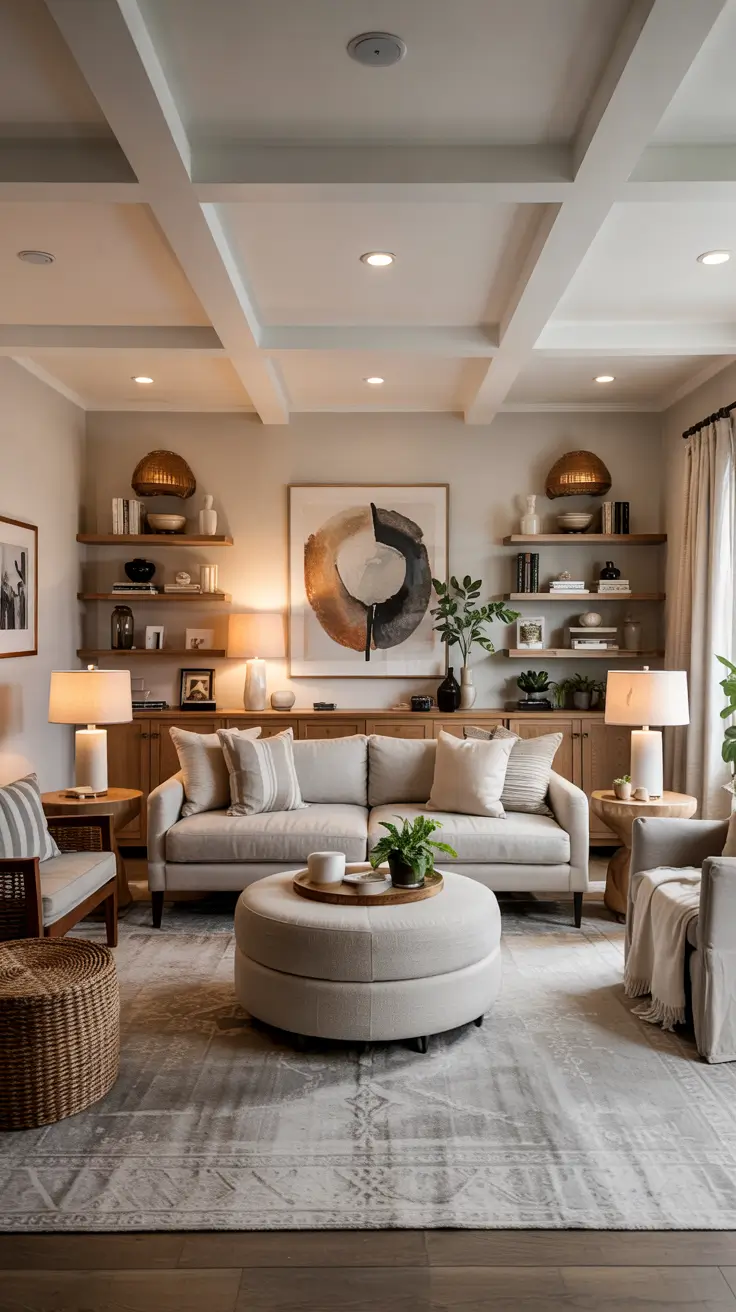
To create this effect, I begin with a generous base layer such as a well-sized rug, a comfortable sofa, and supporting chairs that encourage conversation. Then I build with secondary layers like accent lighting, side tables, mixed textiles, ottomans, shelving, and soft window treatments. I often include boucle, washed linen, wool, ribbed wood, and matte ceramics because these materials create richness without clutter. Furniture placement is equally important, and I usually avoid pushing every piece against the wall because a more connected arrangement makes the room feel intimate. These decisions matter because comfort is not only physical – it is also visual and spatial.
I have always believed that a living room should feel complete from morning to evening, and layered comfort helps achieve that better than almost any single trend. Better Homes & Gardens and other mainstream design outlets have long emphasized the role of texture, scale, and flexible seating, and I think that guidance remains very useful. I also see this concept working across many styles, whether the room leans modern, transitional, rustic, or even updated 2000s minimalism. What matters most is the balance between softness and structure. A room becomes memorable when it offers comfort at several levels without slipping into excess.
What I would add here is the importance of editing. Many people understand layering as adding more items, but I see it as adding the right items with a clear purpose. I usually remove anything that does not contribute to comfort, storage, light, or visual depth. I also think a layered room needs at least one element that gives it definition, such as a fireplace wall, a strong bookshelf composition, or a distinctive coffee table. Without that anchor, the space can feel pleasant but forgettable.
10. Interior Design Trends 2025-2026 Kitchen Styles With Sleek Practicality
Among the most useful developments in interior design trends 2025/2026 kitchen design, I see a strong movement toward sleek practicality. Kitchens are becoming cleaner in appearance, but they are not losing warmth or usability. Instead of glossy minimalism for its own sake, the new direction favors integrated storage, refined finishes, thoughtful lighting, and layouts that support real daily routines. I think this is one of the best examples of how interior design trends 2025/2026 kitchen ideas are maturing, because beauty is now expected to work with function rather than compete with it. In many homes, the kitchen is also becoming visually linked to the 2025/2026 living room, which means continuity in materials and color matters more than ever.
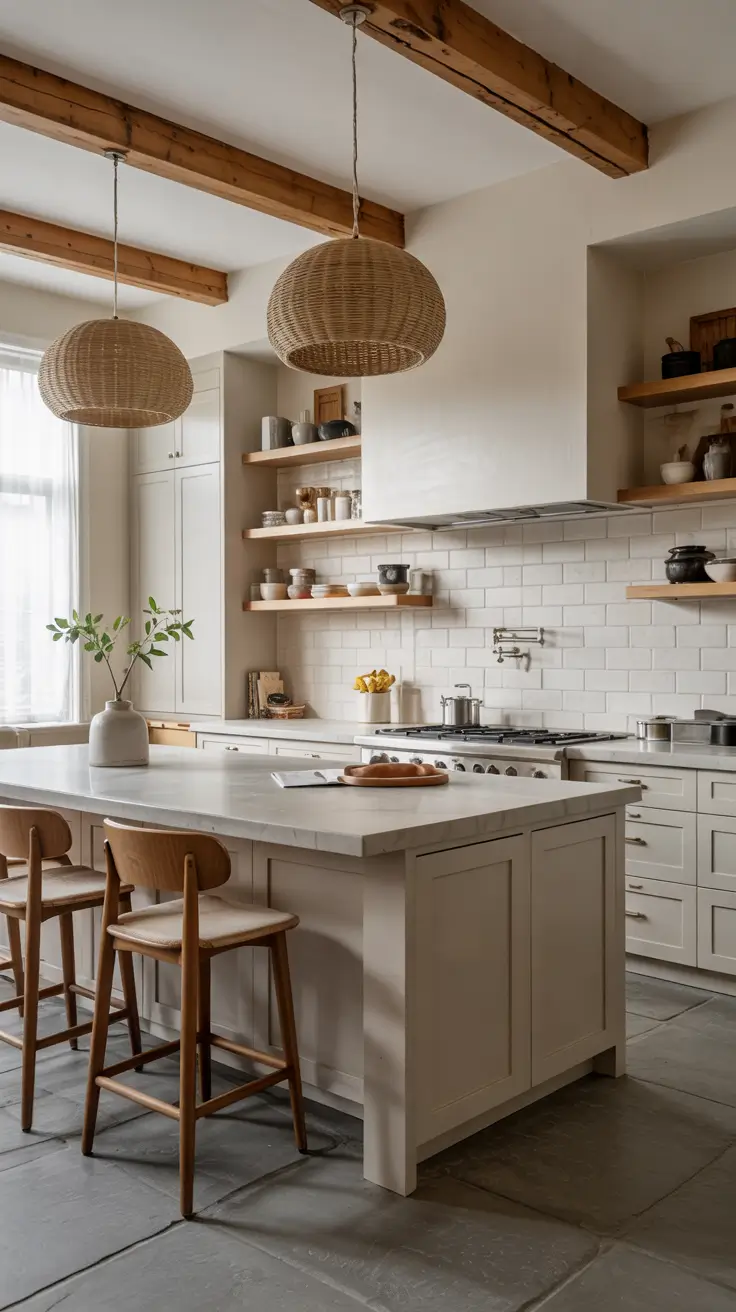
When I plan a kitchen in this style, I focus on cabinetry with clean lines, handle-light or integrated hardware, durable countertops, layered lighting, and smart storage solutions that reduce surface clutter. I often see warm wood, painted cabinets in muted tones, stone-inspired surfaces, and understated backsplashes replacing colder and more sterile schemes. Seating also plays a major role, especially where islands act as social hubs, so I like stools that feel comfortable and visually light. Open shelving is used more selectively now, and I think that is a good change because it allows display without sacrificing order. Every element in a sleek practical kitchen should earn its place through function, proportion, or material quality.
Personally, I think the most successful kitchens are the ones that look calm even when they are being used heavily. Design media in the US has increasingly highlighted concealed storage, mixed natural finishes, and reduced visual noise, and I agree with that direction because it supports long-term satisfaction. A kitchen does not need to feel empty to feel modern. In fact, I find that the best modern kitchens include tactile woods, soft-edged fixtures, and subtle contrast so they feel connected to the rest of the home. This makes them more adaptable as design preferences continue moving from 2025 into 2026 and toward 2027.
What I would add to this section is a stronger discussion of workflow. A beautiful kitchen fails if movement between sink, cooktop, storage, and prep space feels awkward. I always recommend planning around the daily habits of the household rather than copying a layout from a showroom. I also believe that sleek practicality should include acoustic comfort, which can come from wood finishes, upholstered stools, runners, or better ceiling treatment. That extra layer often makes the kitchen feel more settled, especially in open-plan homes.
11. Interior Design Trends 2025-2026 Kitchen Layouts That Feel More Social
I see one of the most important interior design trends 2025/2026 kitchen ideas moving toward layouts that make conversation easier and daily routines less isolated. In many homes, the kitchen is no longer treated as a closed work zone that only serves cooking. Instead, it becomes a shared space where people prepare food, sit together, work briefly, and move naturally between tasks. This is why interior design trends 2026 increasingly favor open circulation, wider walkways, and seating that supports both short and long stays. In my experience, the most successful kitchen layouts are the ones that feel welcoming even when nothing special is happening.
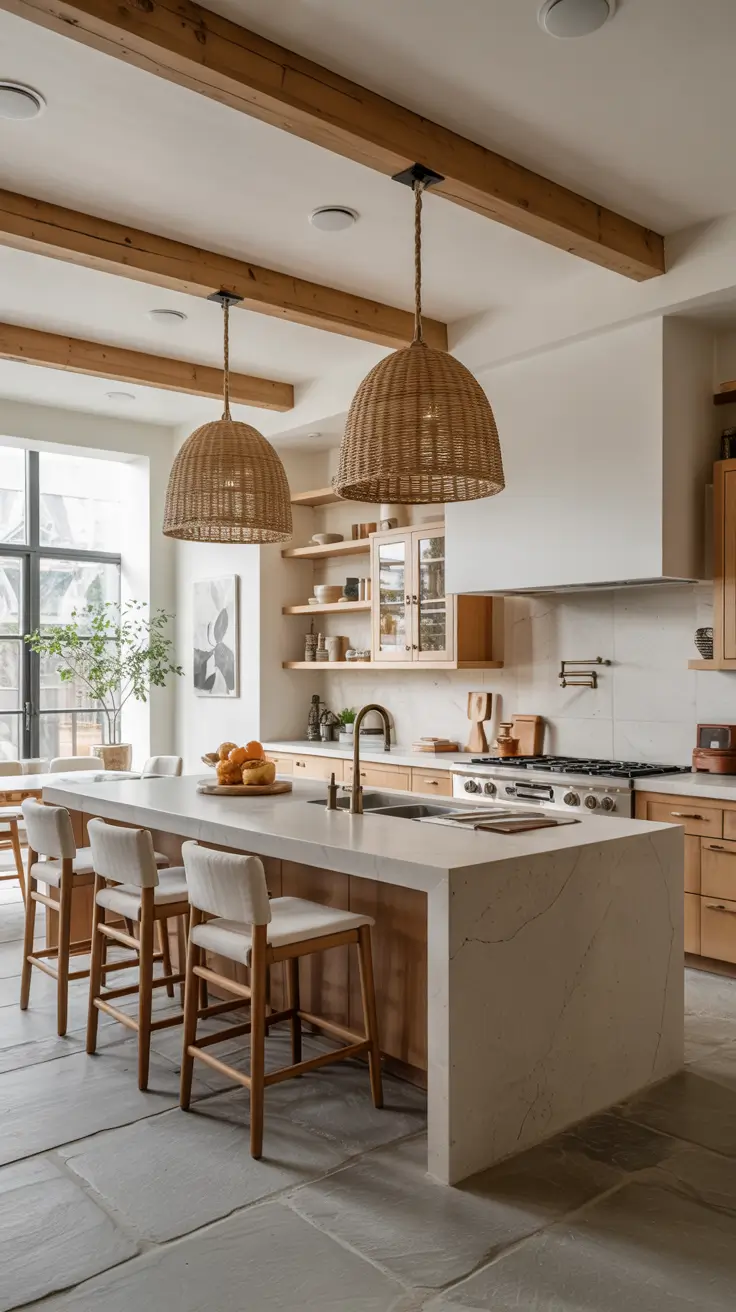
I would usually include a large island or peninsula, comfortable counter stools, layered lighting, and enough surface area for both meal prep and casual gathering. I also find that integrated storage matters more than ever because social kitchens still need to stay visually calm when multiple zones are active at once. A built-in banquette, a small breakfast corner, or a round dining table nearby can soften the room and make it feel more human. I prefer natural wood finishes, matte stone, and warmer paint tones because they reduce the cold effect that many 2020 and 2021 kitchens had. These choices help a kitchen feel current while still practical for real daily use.
From my point of view, this shift is one of the clearest signs that interior design trends for 2026 care more about lifestyle than strict visual rules. Designers in major US publications such as Architectural Digest and House Beautiful have continued highlighting kitchens that support connection, flexibility, and personality rather than sterile perfection. I agree with that direction because a kitchen should not feel like a showroom that discourages living. When I compare many 2025/2026 kitchen concepts with older layouts from 2016 or 2010, I notice that the newer ones are much better at blending function and atmosphere. That balance is what makes them more lasting.
To complete this kind of section in a real home, I would add thoughtful details that keep the space comfortable over time. I would include dimmable lighting, a mix of closed and open storage, and at least one softening element such as upholstered seating, curtains, or textured ceramics. I also think it is worth adding a visual link to nearby rooms through repeated finishes or colors so the kitchen does not feel disconnected from the rest of the interior. If space allows, I would make room for a landing zone for bags, mail, or laptops because social kitchens often serve several purposes at once. That final layer is what turns a layout trend into a truly useful room.
12. The Rise Of Gen Z Influence In Interior Design Trends For 2026
I believe Gen Z is having a visible impact on interior design trends 2026 because this generation tends to value self-expression, flexibility, and emotional comfort over rigid design formulas. Instead of chasing one perfect style, many younger homeowners and renters mix references, textures, and colors in a way that feels more individual. That is one reason current interiors often look more playful and less controlled than they did in 2024 or earlier minimalist phases. I see more willingness to combine vintage pieces, modern shapes, handmade decor, and bold accents without worrying about strict design rules. This approach is shaping some of the most upcoming ideas for 2026 and even 2027.
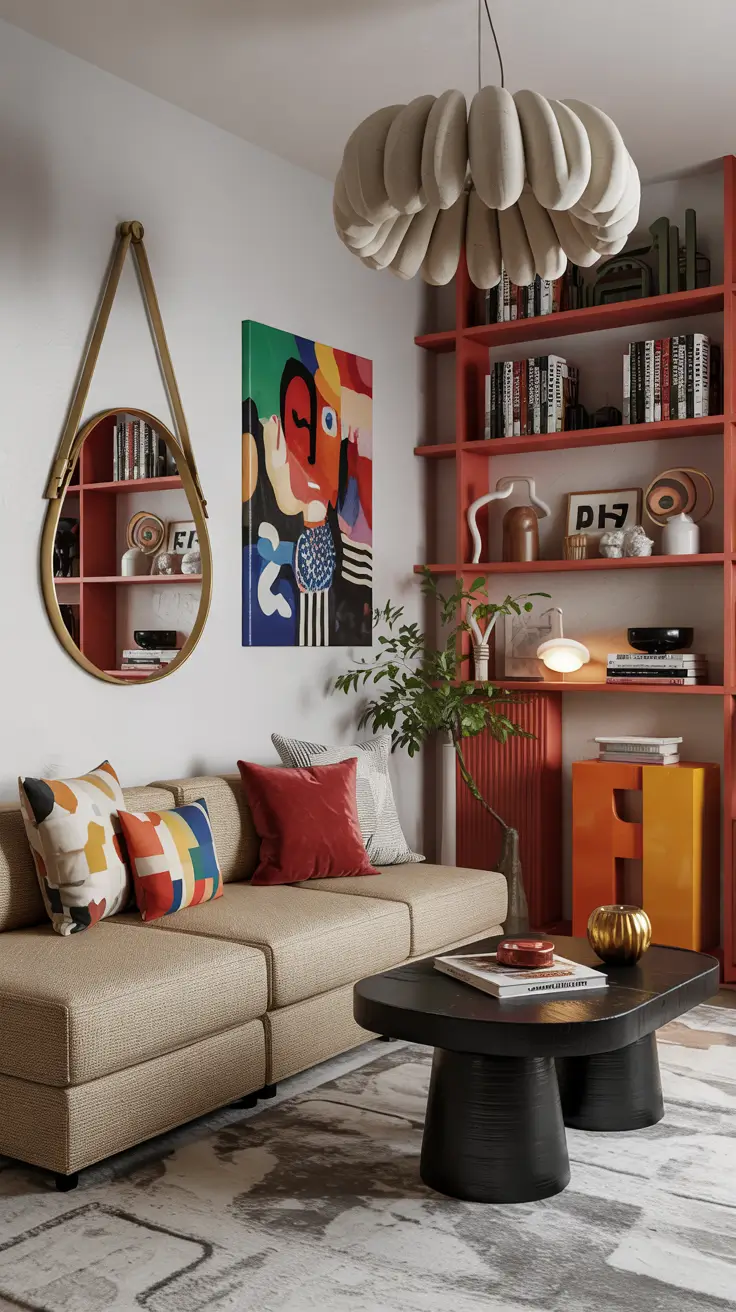
When I design around this influence, I focus on furniture and decor that can adapt easily over time. Modular sofas, movable side tables, sculptural lamps, open shelving, and multifunctional desks fit naturally into this direction because they support changing routines. I also notice a preference for statement rugs, curved mirrors, colorful art, and smaller accent pieces that can refresh a room without a full renovation. In many cases, I would choose furniture with character rather than perfectly matching sets because that feels closer to how Gen Z builds a personal interior. The room becomes more layered, and that layered quality is a major part of the new mood.
In my opinion, the Gen z effect is helping interior design trends 2026 living room ideas become less generic and more emotionally engaging. I appreciate that this influence encourages people to create homes that reflect memory, identity, and comfort instead of copying a single polished aesthetic. Many younger design enthusiasts are also more open to secondhand finds and reused materials, which adds depth and makes a room feel less disposable. I think this is one of the healthiest changes in modern interiors because it gives people permission to build spaces gradually. That feels more realistic and more sustainable than chasing a fully finished image all at once.
What I would add here is a stronger emphasis on editing and restraint, because personality works best when it still has structure. I would recommend choosing one or two anchor colors, a consistent material thread, and a clear furniture layout before adding trend-driven accents. That keeps the room from feeling visually scattered while still allowing freedom and experimentation. I would also include storage that protects the relaxed look from turning into clutter, especially in smaller apartments or mixed-use rooms. This missing layer is essential if the style is meant to feel lived-in rather than chaotic.
13. Why Interior Design Trends 2026 Are Moving Away From Cold Minimalism
I have noticed that many people are no longer drawn to the severe, cold look that defined parts of modern interior design in previous years. Interior design trends 2026 are moving toward spaces that still feel clean and intentional, but also warmer, softer, and more comfortable. The minimalist rooms that dominated around 2020 and 2021 often looked impressive in photos, yet many of them did not support daily life in a satisfying way. I think people now want interiors that help them relax, host, work, and spend time at home without feeling emotionally distant. That is why the newest direction is less about reduction for its own sake and more about thoughtful comfort.
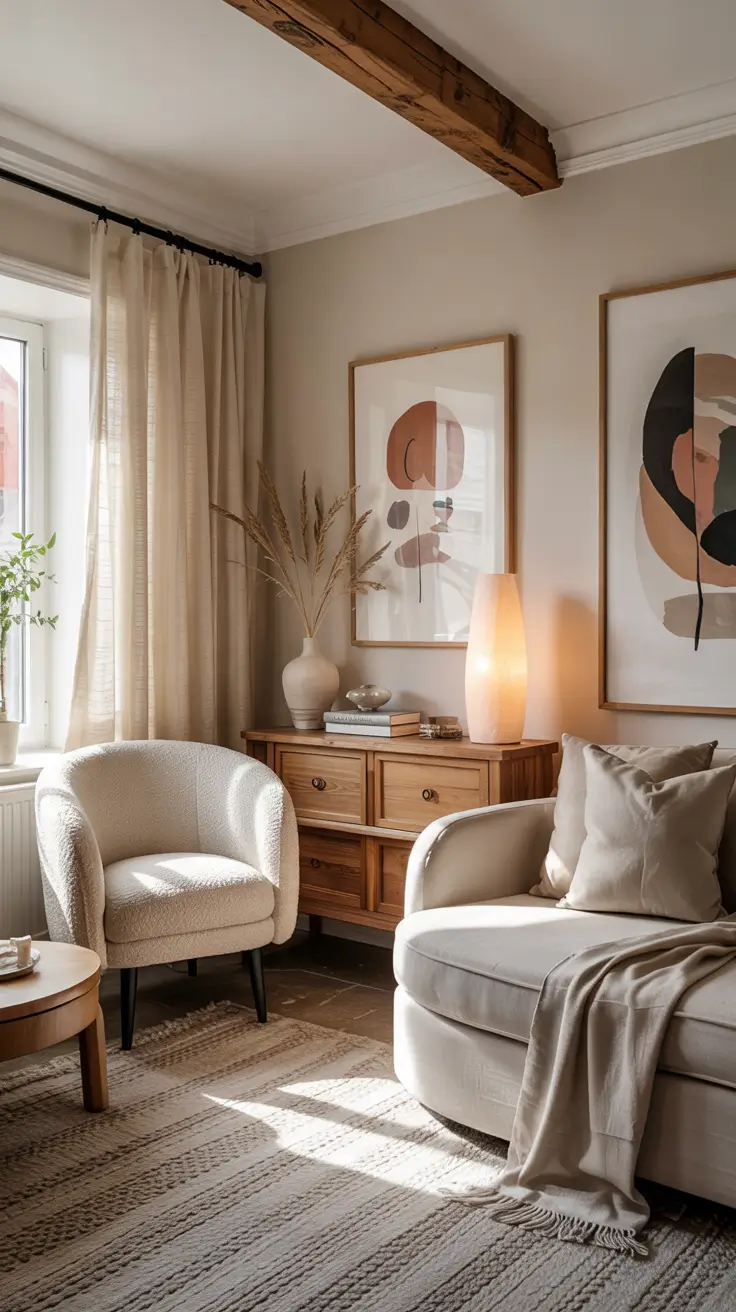
In practical terms, I would replace harsh contrasts and empty surfaces with tactile materials, subtle pattern, and furniture that invites use. Boucle chairs, linen curtains, wood case goods, soft wall colors, and rounded upholstered pieces all help a room feel more grounded. I also think layered lighting is crucial because overhead-only lighting tends to make minimal spaces feel flat and cold. Instead, I would combine ceiling fixtures with table lamps, sconces, and floor lamps to create depth and warmth. Even one or two of these changes can completely shift the emotional temperature of a room.
Personally, I do not think minimalism disappears in 2026 2027, but I do think it becomes more human. I still value clarity, order, and simplicity, yet I believe those qualities need to coexist with comfort and visual softness. Interior publications in the US have increasingly shown homes that blend restraint with texture, and I think that reflects what many people now want from their living spaces. The goal is not to fill a room with unnecessary objects but to avoid making it feel empty and impersonal. That distinction matters a lot in today’s interiors.
To make this section more complete, I would add the role of scent, textiles, and acoustic comfort because warmth is not only visual. Rugs, upholstered seating, curtains, and even wall treatments can help a room feel quieter and more settled. I would also include a few meaningful objects such as books, ceramics, or framed art because emotional warmth often comes from personal presence, not just from furniture selection. If someone is updating an existing minimalist room, I would recommend starting with textiles and lighting before buying larger pieces. That method is more affordable and often more effective.
14. How The 2000s Are Inspiring The Newest Interior Design Trends 2026
I find it very interesting that the 2000s are returning as a reference point in the newest interior design trends 2026, but in a more refined and selective way. Designers are not simply repeating the decade exactly as it was. Instead, they are taking recognizable elements such as curved silhouettes, glossy finishes, statement lighting, and playful contrast, then combining them with more balanced proportions and better materials. This makes the influence feel fresh rather than nostalgic in a heavy-handed way. In my view, it is one of the clearest examples of how past trends can be reworked for current living standards.
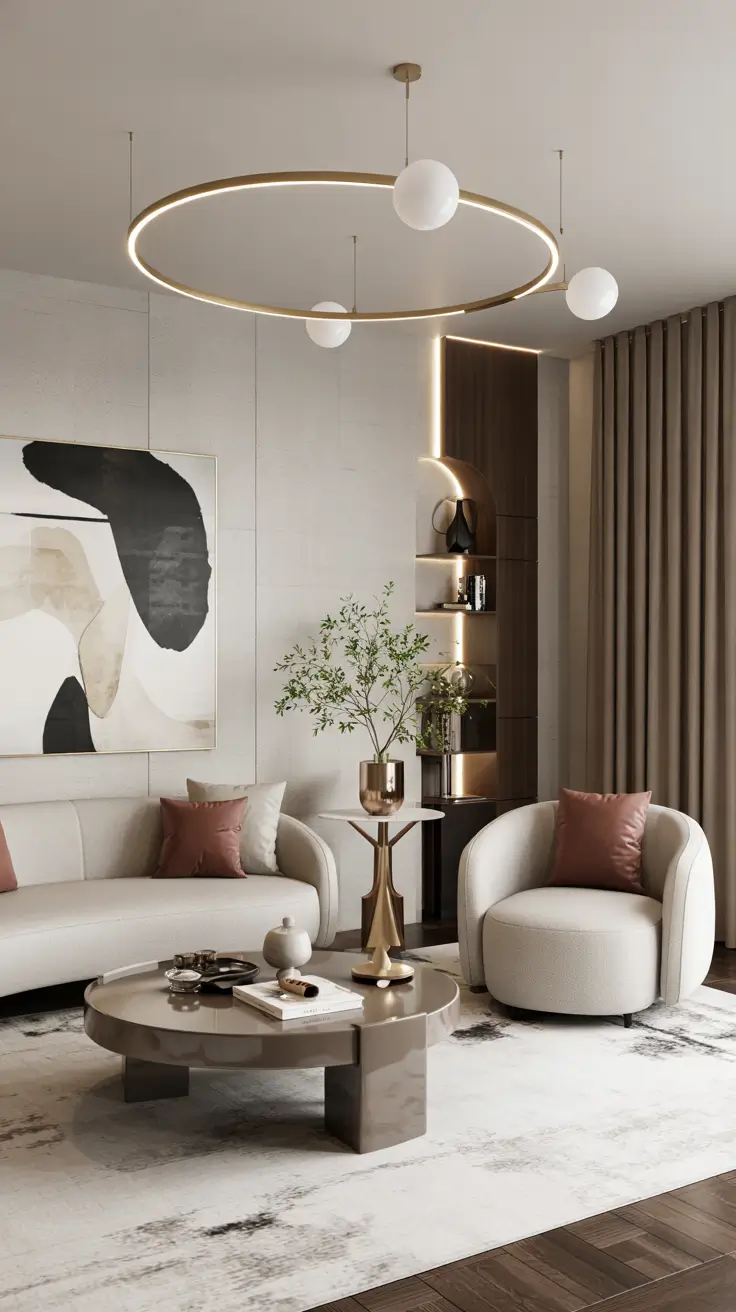
In a room shaped by this influence, I would consider lacquered accents, low-profile seating, sculptural coffee tables, chrome or glass details, and bold but controlled decor pieces. I also see renewed interest in expressive forms that were popular in the 2000s, especially in living rooms and dining areas. However, I would avoid making every element dramatic because that can quickly turn a space into a theme rather than a home. I prefer mixing one or two strong references with grounded materials like oak, wool, stone, or textured plaster. That combination helps the room feel modern instead of dated.
From my perspective, this revival works best when it is filtered through today’s expectations of comfort and longevity. A direct copy of 2000s interiors can feel too glossy, too hard, or too trend-specific for everyday use. But when I borrow the confidence and energy of that period, I can create a room that feels lively and recognizable without losing sophistication. I think this is why 2026 living room ideas often look more expressive than what we saw in 2024, yet still calmer than the original source decade. The past is present, but it is edited.
What I would add to strengthen this approach is a clearer link between statement pieces and the overall architecture of the room. If someone wants to bring in a 2000s-inspired chair, lamp, or mirrored finish, I would make sure the wall color, flooring, and textile palette keep the space grounded. I would also pay attention to scale because oversized pieces were common in that era and do not always translate well into today’s homes. A controlled palette with one reflective or sculptural focal point is usually enough. That missing discipline is what keeps a revival from becoming overwhelming.
15. Interior Design Trends 2025 Office Ideas That Balance Focus And Style
I see interior design trends 2025 office spaces moving in a very practical direction, where productivity and visual comfort are treated as equal priorities. The home office is no longer designed as an afterthought with only a desk and chair placed against a blank wall. Instead, it is becoming a fully considered room or zone that supports concentration, video calls, storage, and long-term comfort. This change matters because people now expect a workspace to function well and still feel connected to the style of the rest of the home. In my experience, the best office interiors make focused work easier without feeling sterile or disconnected.
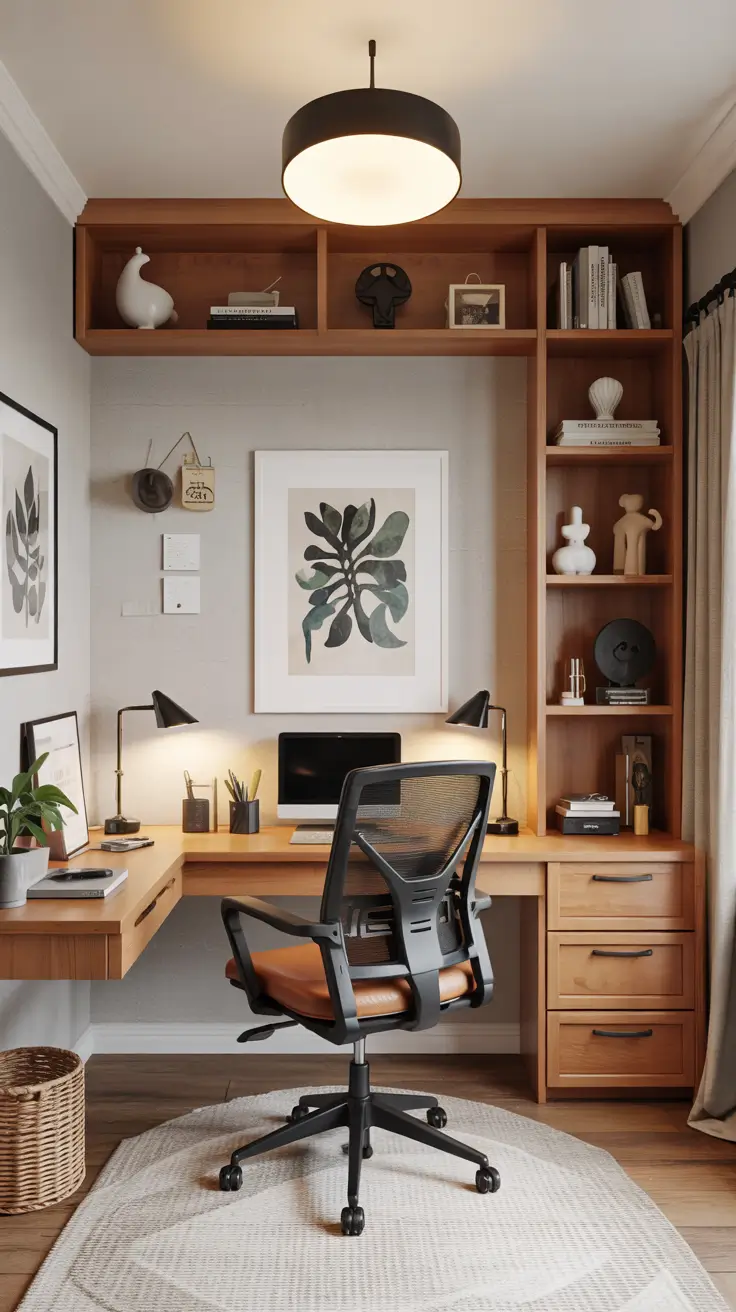
I would begin with an ergonomic chair, a desk sized for real tasks, proper task lighting, and storage that keeps the work surface clear. After that, I would add softer design elements such as a rug, framed art, a table lamp, closed cabinetry, and a shelf with a few personal objects. These details matter because they reduce the institutional look that many early home offices had in 2020 or 2021. I also think color plays a major role, and I often lean toward muted greens, warm neutrals, clay tones, or deeper blues because they help a room feel calm but not dull. A balanced office should support the mind without draining visual energy.
Personally, I think one of the most useful developments in interior design trends 2025 is the understanding that style can improve focus when used correctly. A well-designed office encourages people to spend time there, maintain order, and feel better throughout the workday. I have seen that even simple upgrades such as better lighting, a more comfortable chair, and visually quieter storage can noticeably improve how a space functions. Media outlets and designers often stress ergonomics first, and I agree, but I also believe beauty has a practical role because it affects mood and consistency. That is why the strongest office designs do not choose between performance and atmosphere.
To complete this idea, I would add background planning for sound control and visual framing, especially for people who work remotely. Curtains, acoustic panels, upholstered seating, and strategic bookshelf placement can improve both comfort and online meeting quality. I would also suggest creating a small secondary function in the room, such as a reading corner or display shelf, so the space feels integrated into the home when work ends. If the office is part of a living area, I would use furniture and finishes that blend naturally with the surrounding interior. That final step helps the workspace feel intentional rather than temporary.
16. Current Texture Trends Defining The Look Of 2026 Interiors
I see texture as one of the strongest foundations of interior design trends 2026 because it changes the feel of a room before color or furniture placement even comes into focus. In 2026, interiors are becoming softer, more layered, and far more inviting through material contrast rather than visual clutter. I notice a clear shift toward plaster finishes, brushed wood, slub linen, boucle upholstery, honed stone, handmade ceramics, and woven natural fibers. These materials help a room feel calm while still giving it depth and identity. This is one of the most practical updates in interior design trends for 2026 because texture works in both large homes and smaller rooms without demanding a full renovation. It also connects naturally to interior design trends 2026 living room ideas where comfort and visual warmth matter more than polished perfection.
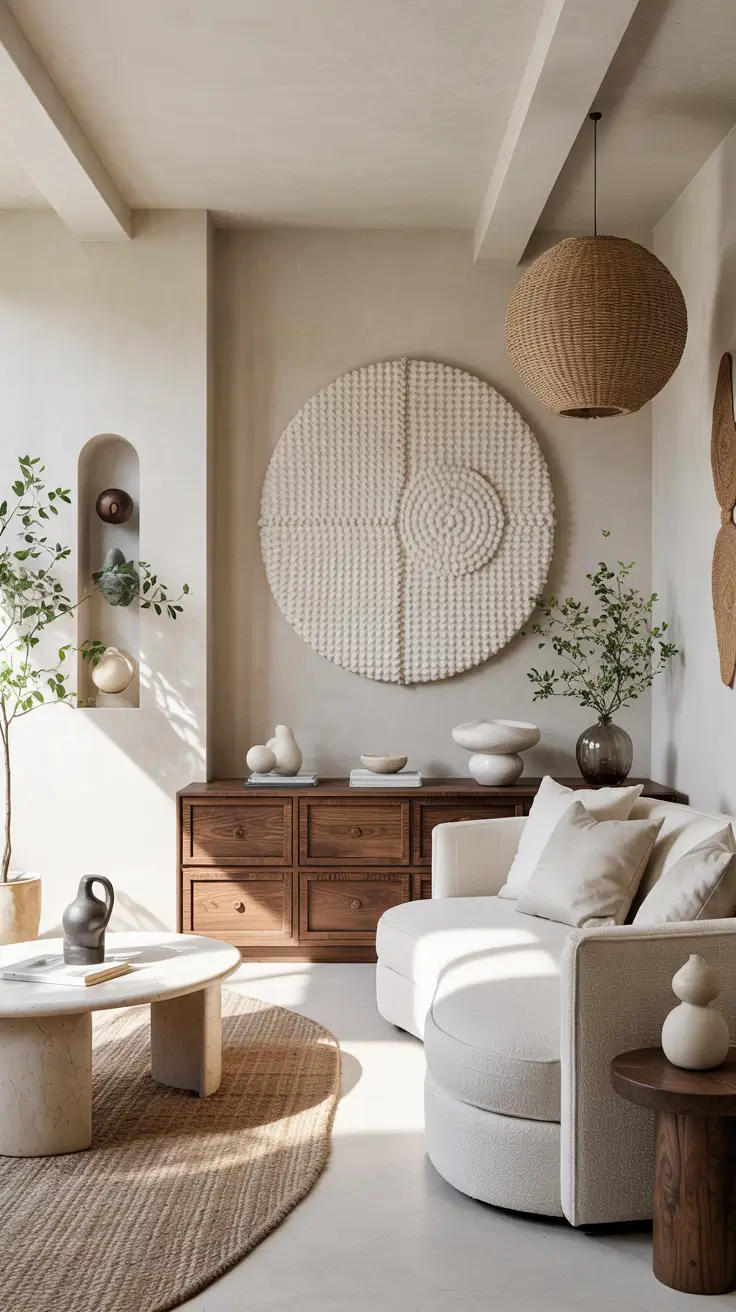
When I build a textured room, I start with the main surfaces because they shape everything else that follows. I like to combine limewash or matte painted walls with oak or walnut furniture, then add a low pile wool rug, a textured sofa, and accent chairs in a contrasting fabric. I also find that ribbed glass, patinated metal, and ceramic lighting bases bring a subtle handcrafted quality that feels current without trying too hard. In the dining area, textured upholstery and raw or lightly finished wood keep the room grounded and balanced. In kitchens, this direction works especially well for interior design trends 2025/2026 kitchen concepts because fluted island panels, stone countertops with movement, and natural wood cabinetry make the space feel more lived in. The result is modern, but it is a gentler version of modern that fits how people actually want to live.
From my perspective, the reason texture matters so much now is that many people are tired of rooms that look flat or overly controlled. I have noticed that when a space includes meaningful variation in material, it immediately feels more human and more complete. This idea aligns with the broader move away from the slick, uniform look that dominated many interiors in 2020 and 2021. Instead of chasing a single perfect finish, I now prefer a room that mixes refined and imperfect surfaces in a careful way. That balance is what makes many of the latest interiors feel timeless rather than temporary. It is also one of the clearest signs that interior design trends 2026 2027 are heading toward authenticity.
To make this section more complete, I would add texture in places that are often ignored, especially window treatments, lampshades, and decorative storage. I find that a woven shade, a linen curtain, or even a textured bench can connect the whole room more effectively than another decorative object. I would also pay attention to how texture changes in daylight versus evening light because some finishes can look flat at one hour and rich at another. If the room already has strong texture, I would keep the color palette quieter so the materials can do the work. That helps the space stay cohesive and prevents it from feeling busy. In my experience, the strongest textured interiors always feel considered, not crowded.
17. How Fall 2025 Style Signals The Mood Of Interior Design Trends 2026
When I look at Fall 2025 style, I see the emotional setup for many interior design trends 2026. The seasonal mood leaned warmer, deeper, and more grounded, and those qualities are now carrying into full year design decisions rather than staying limited to autumn styling. Earthy neutrals, cinnamon tones, muted olive, softened burgundy, and creamy browns started to replace the colder grays that had defined many interiors for years. This shift matters because it shows that people are using color to create atmosphere, not just contrast. I believe this is one of the most important bridges between interior design trends 2025 and the newer direction of 2026 2027. The home is becoming less about display and more about emotional ease.
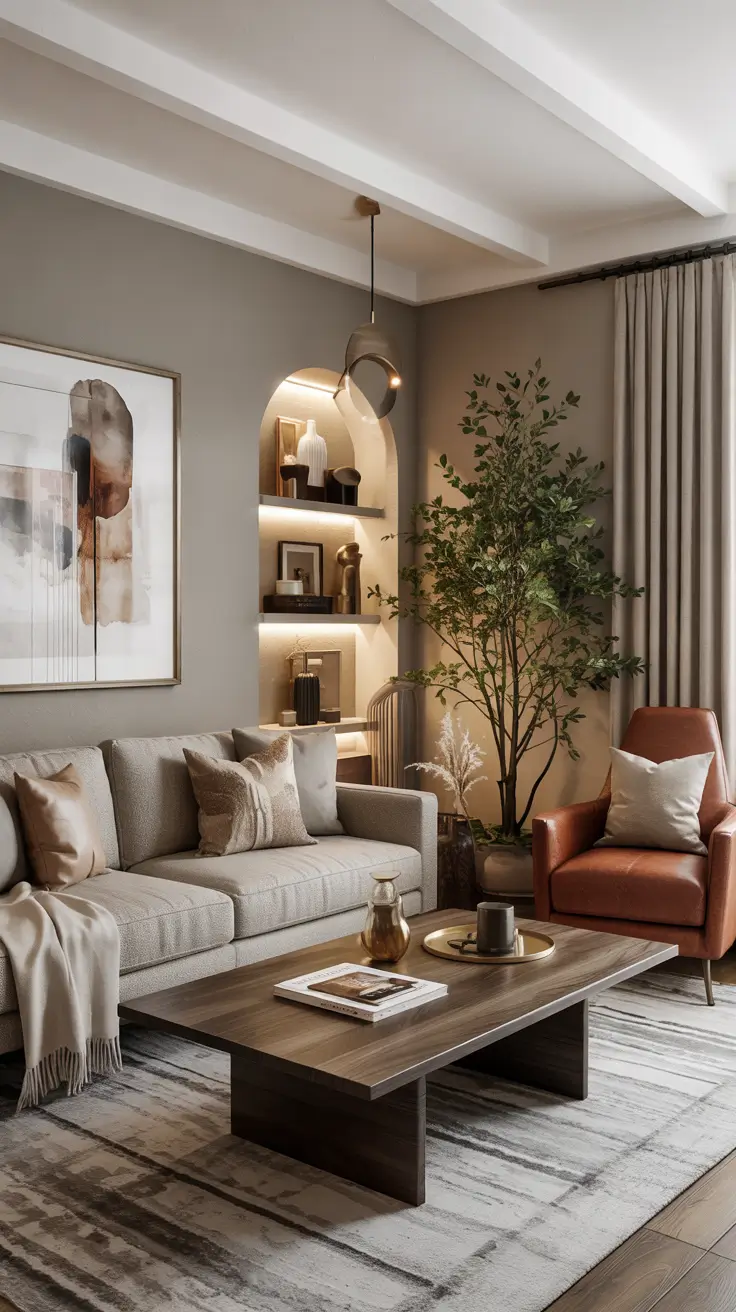
In practical terms, I see this Fall 2025 influence in upholstered seating, wall colors, area rugs, accent pillows, and even cabinet finishes. A living room built around a warm taupe sofa, a walnut coffee table, a rust toned chair, and layered beige textiles feels current without relying on anything too dramatic. I also notice more rooms using darker wood stains and softer metals like aged brass instead of cooler chrome. In bedrooms, the mood becomes even stronger through padded headboards, dimmable lighting, and heavier natural fabrics. This same warmth is now reaching the interior design trends 2025/2026 living room and even the interior design trends 2025/2026 kitchen, where painted cabinetry in clay, mushroom, and olive tones feels far more welcoming than stark white. The overall effect is comforting and polished at the same time.
I think what makes this direction successful is that it responds to how people want to feel at home after years of very visual trend cycles. I do not see these colors as seasonal in a narrow sense anymore. Instead, I see them as part of a broader design reset that values intimacy, rest, and visual softness. This is especially important for Gen z and younger homeowners or renters who often want spaces that feel expressive but not overdesigned. The mood of Fall 2025 also proves that the newest interiors are not always about something completely new. Sometimes the most current thing is a better emotional reading of what the room needs.
If I were refining this section, I would add advice about controlling warm tones so the room does not become too heavy. I usually recommend mixing warm shades with chalky neutrals, soft black accents, or pale natural wood to keep the composition balanced. I would also add layered lighting because no autumn inspired palette looks complete under harsh overhead light. Table lamps, floor lamps, and wall sconces make these tones feel richer and more sophisticated. For anyone adapting this idea in a small room, I would suggest using warmth through textiles and decor before repainting all major surfaces. That approach keeps the update flexible and easier to live with over time.
18. From 2024 To 2026 How Interior Trends Are Evolving More Naturally
From 2024 to 2026, I can clearly see a transition from trend driven rooms to more natural and adaptive spaces. In 2024, many interiors were still heavily influenced by highly curated aesthetics that worked well online but often felt too fixed in real life. By 2025, that started to soften, and by 2026 the direction became much more balanced, with comfort, individuality, and material honesty moving to the center. This evolution is one of the clearest ways to understand interior design trends 2026 because it explains why so many rooms now feel quieter yet more complete. I see less pressure to match every piece and more willingness to let a home develop gradually. That is a healthy design shift because it supports longevity instead of quick replacement.
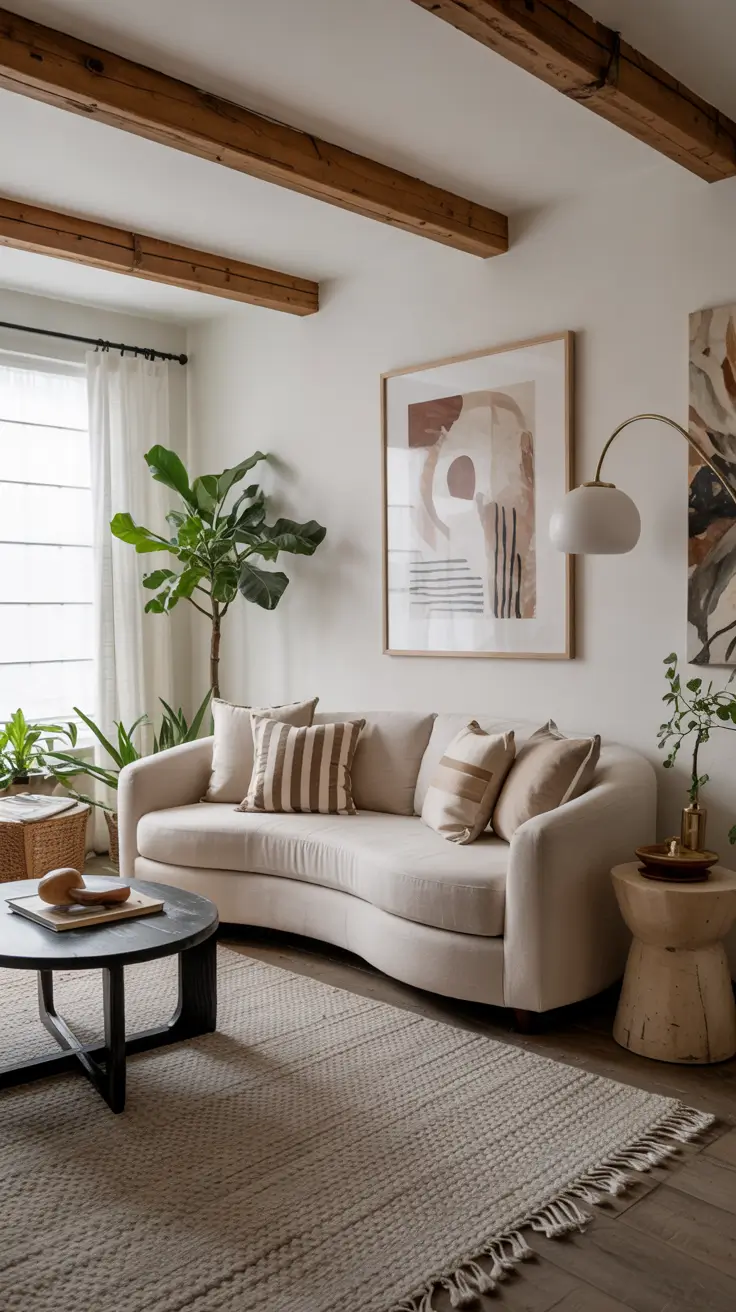
In furniture and layout, this change shows up through looser arrangements, mixed materials, and pieces that feel collected rather than purchased as a set. I now see more curved sofas paired with vintage side tables, modern lighting mixed with traditional storage pieces, and neutral foundations combined with stronger personal accents. Rooms are also becoming more practical, especially for people who need their homes to support work, rest, and social time in the same footprint. That is why I think the 2025 office influence matters here, because home spaces increasingly need flexibility without looking purely functional. In the 2026 living room, I often recommend a layout that allows conversation, movement, and quiet relaxation instead of centering every decision around a television wall. This natural evolution makes the room feel more useful and more personal.
My own view is that the best part of this 2024 to 2026 progression is its refusal to chase one single look. It leaves room for traditional details, modern furniture, vintage finds, and softer minimalism to exist together. That feels far more realistic than the rigid design phases I remember from earlier years like 2016 or 2021, when many interiors leaned harder into one dominant aesthetic. I also think this shift is why so many homeowners are revisiting older pieces instead of replacing everything at once. A home with some age, variation, and memory often feels better than a room that is too new in every corner. For me, that is where the current design conversation becomes much more intelligent.
To strengthen this section, I would add more attention to transitions between rooms because natural evolution should be visible across the whole home, not only in one decorated space. I usually suggest repeating one or two finishes, colors, or materials from room to room so the interior feels connected. I would also include practical editing advice, such as removing items that no longer support the way the home functions now. That step is often overlooked, but it is essential if the goal is a more intentional interior. When old and new elements are balanced carefully, the space feels layered rather than inconsistent. That is exactly the kind of progress I associate with interior design trends for 2026.
19. What Interior Design Trends 2026-2027 Say About Future Home Living
When I study interior design trends 2026 2027, I do not just see decorative changes. I see a broader picture of future home living that prioritizes flexibility, emotional comfort, and a stronger connection between lifestyle and design. Homes are being shaped less by formal expectations and more by how people actually move through their day. This means spaces need to support work, rest, hobbies, family time, privacy, and recovery without feeling fragmented. I think that is why the upcoming design direction feels more thoughtful than many previous trend cycles. It is not just about what looks new, but about what makes daily life feel more manageable and more meaningful.
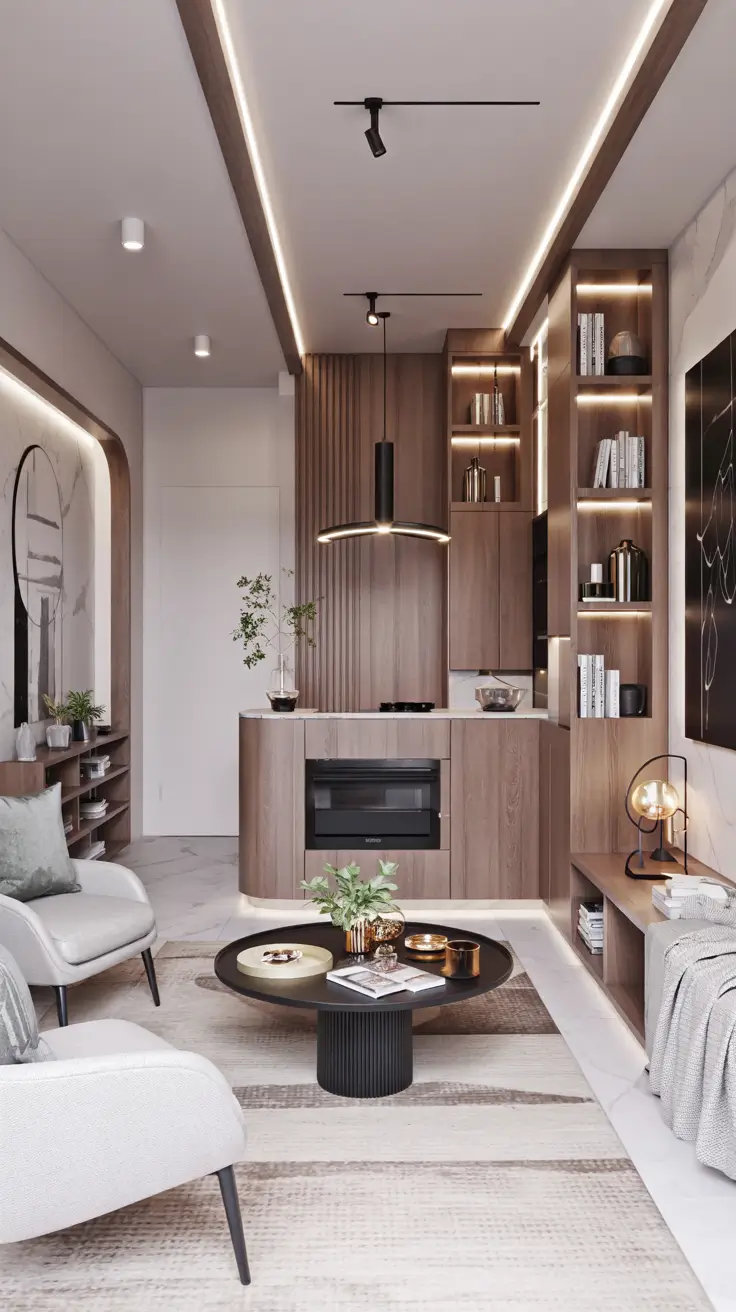
In practical interiors, this future focused approach appears through multifunctional rooms, adaptable furniture, better storage, softer zoning, and a stronger relationship between natural light and layout. I see more dining areas that also work for quiet work sessions, more bedrooms with reading corners, and more living rooms arranged for conversation rather than display. Furniture choices are becoming deeper, lower, and more comfortable, while built in or concealed storage is helping rooms stay calm. In kitchens, especially in interior design trends 2025/2026 kitchen planning, I expect continued interest in warm cabinetry, layered lighting, and islands that support both preparation and gathering. This future also includes better acoustics, more tactile finishes, and layouts that allow people to step away from constant stimulation. These are quiet upgrades, but they change how the home performs.
I believe one of the most revealing parts of 2026 2027 design is its emphasis on emotional sustainability. People want rooms they can stay with, grow with, and adjust over time instead of redesigning every few years. That does not mean interiors become boring. It means the foundation becomes stronger, and the decorative layer becomes more flexible. I personally think this is a more mature way of approaching design because it respects both aesthetics and daily life. It also helps explain why so many current interiors feel calmer even when they include bold form or statement pieces. The focus is shifting from novelty to long term usefulness.
What I would add here is a stronger reminder that future living also depends on editing distractions out of the home. I often recommend looking at circulation, surface clutter, and lighting stress before buying anything new. In many cases, the room improves more from subtraction than from addition. I would also make space for sensory comfort, including softer fabrics, better task lighting, and materials that age well rather than degrade quickly. These details may seem small, but they shape how the home feels every day. In my opinion, future home living starts with these subtle but intelligent decisions.
20. The Return Of Curves Craft And Character In 2026 Interiors
One of the most visible and memorable parts of interior design trends 2026 is the return of curves, craft, and character. I see this as a response to years of interiors that felt too sharp, too standardized, or too dependent on clean lines alone. Curved silhouettes soften a room immediately, while crafted details make it feel specific rather than generic. This combination is becoming central to modern interiors because it creates a more welcoming and expressive environment. I notice it in sofas, coffee tables, mirrors, arch shaped cabinetry details, sculptural chairs, and hand finished decor. It is a strong example of how modern does not have to mean cold.
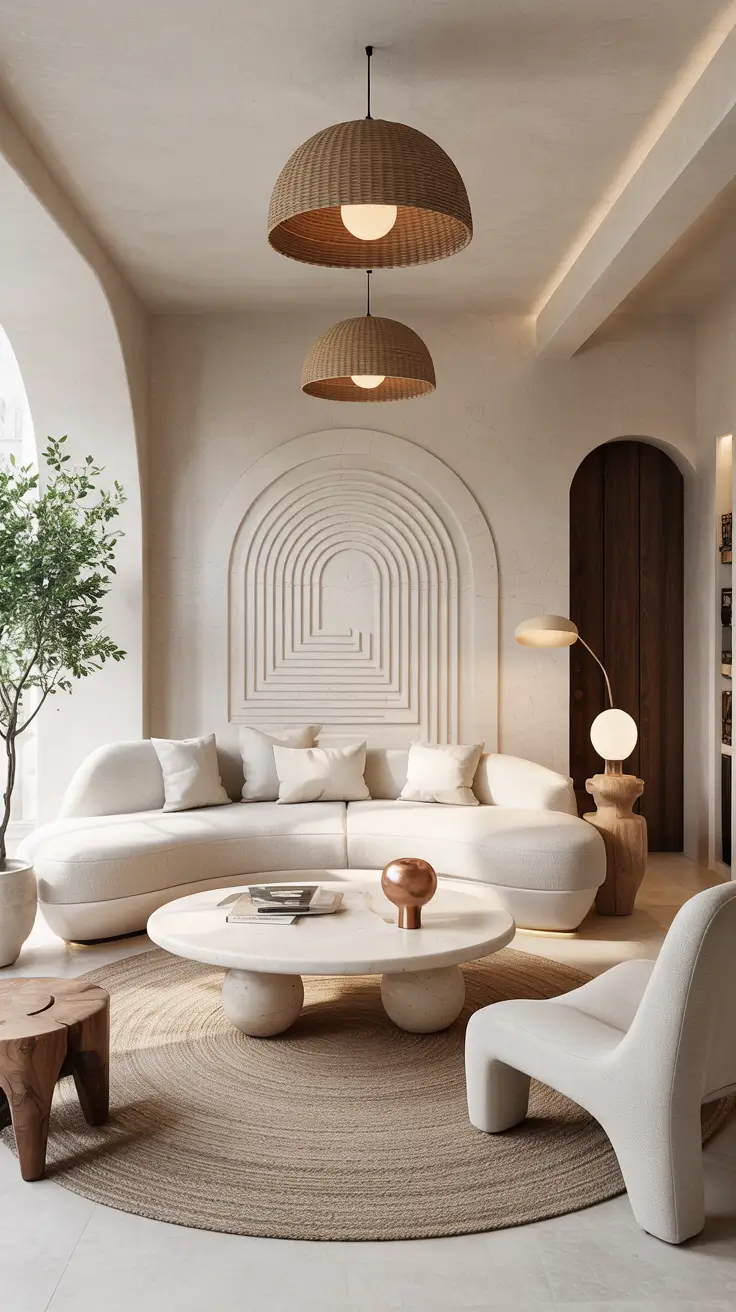
When I use curves in a room, I focus on one or two anchor pieces first so the effect feels intentional. A rounded sofa, an oval dining table, or a curved lounge chair can change the movement of the room and reduce visual tension. I then support those larger forms with crafted elements such as ceramic lamps, carved wood stools, handwoven baskets, or artisanal wall decor. These additions matter because they bring depth and individuality without overwhelming the space. In a 2026 living room, this mix of soft form and crafted detail can make the room feel both elevated and easy to use. I think that is one reason the style is growing so quickly across both current and upcoming interiors.
From my perspective, craft is especially important right now because it brings back evidence of the human hand. After many years of mass sameness, people are paying more attention to objects that show texture, slight variation, and material integrity. I do not think every room needs to be filled with handmade pieces, but I do think at least a few crafted elements can completely shift the atmosphere. They make the space feel remembered and personal. This return also connects with the broader appreciation for older forms and softer lines that we are seeing across interior design trends 2025/2026. In that sense, curves and craft are not just decorative choices but cultural signals.
To make this section more useful, I would add a note about balance because too many curved or heavily crafted pieces can make a room feel overly styled. I usually recommend pairing sculptural items with simpler backgrounds such as plain walls, restrained textiles, and furniture with clean proportions. That lets the special pieces stand out without competing with one another. I would also pay close attention to scale, especially in smaller homes, because oversized rounded furniture can reduce movement if it is not measured carefully. When applied well, curves, craft, and character make a room feel warmer, richer, and far more memorable. For me, this is one of the clearest signatures of the newest interiors heading into 2027.
21. How 2025 Living Room Ideas Are Transitioning Into 2026 Style
When I compare 2025 living room ideas with what I now see in interior design trends 2026, the biggest shift is toward softness, flexibility, and a more lived-in sense of order. In 2025/2026 living room styling, layouts are becoming less rigid, which allows rooms to support both quiet routines and social use without looking overdesigned. I see fewer sharp contrasts and more warm neutrals, muted earth tones, and tactile finishes that make the room feel settled. This transition also reflects a larger change in interior design trends for 2026, where comfort is no longer treated as the opposite of sophistication. Instead, the most current spaces balance visual calm with enough personality to avoid looking generic. That is why the latest living rooms feel curated, but not stiff.
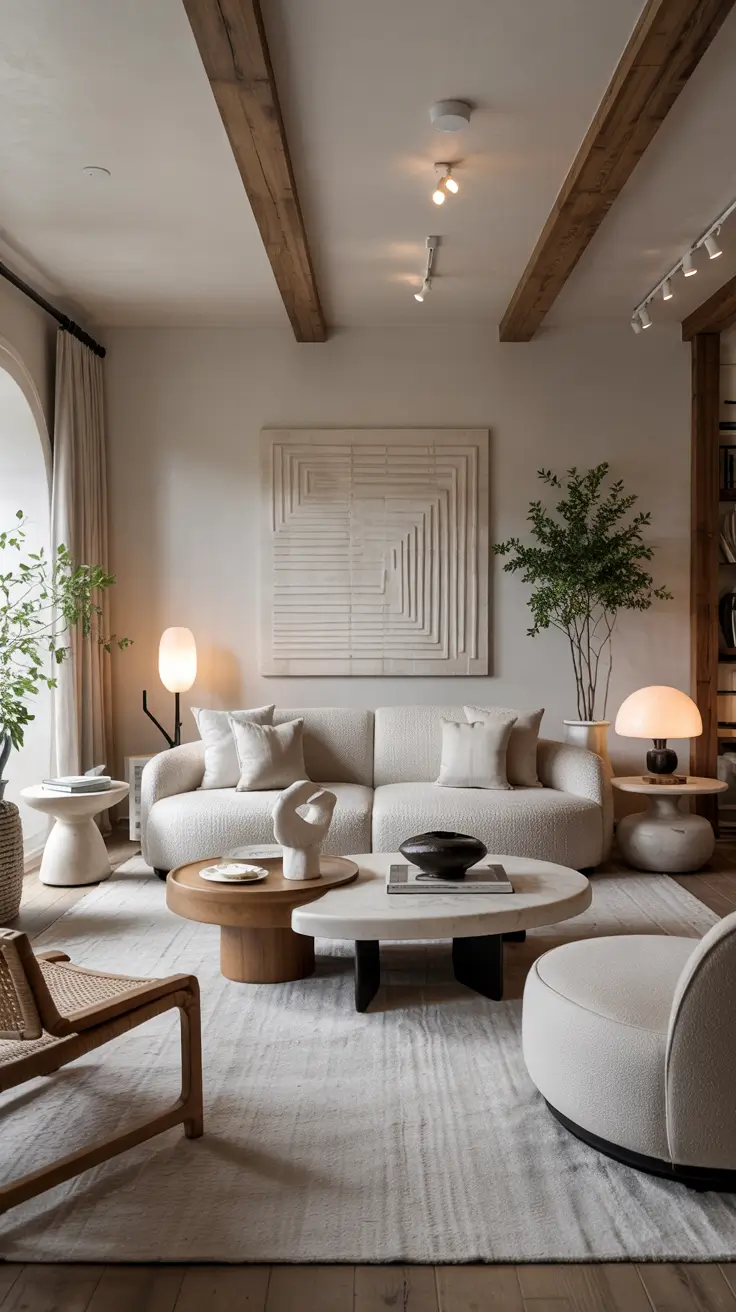
When I build this kind of room, I start with a low, comfortable sofa in a textured fabric, because it anchors the space without feeling heavy. I then add a pair of lounge chairs with softer silhouettes, a wood or stone coffee table, and layered lighting with a floor lamp and smaller accent lamps to create depth. In my experience, a large rug is essential because it connects furniture pieces and helps the room feel intentional rather than scattered. I also see more designers choosing open shelving, sculptural side tables, and natural materials like oak, walnut, linen, and clay to support the modern but welcoming tone people want in 2026 living room spaces. Window treatments are becoming more refined too, with long drapery panels that soften architecture and improve proportion. Each piece matters because the room needs to feel adaptable from morning to evening.
I think this shift from 2025 into 2026 works so well because it reflects how people actually want to live now. I have noticed that rooms designed only for appearance age quickly, while spaces built around comfort, storage, flow, and layered texture remain appealing much longer. Publications such as Architectural Digest and House Beautiful have continued to emphasize the value of natural materiality, softer forms, and rooms that feel collected over time, and I agree with that direction. In my own view, the strongest interior design trends 2025 and 2026 are not about replacing everything. They are about editing the room more carefully so that every piece adds comfort, use, or visual rhythm. That approach makes the transition into 2027 feel more natural as well.
To complete this type of section in a real home, I would also add one strong focal layer that keeps the room from becoming too quiet. This could be oversized art, a vintage cabinet, a dark wood console, or a statement lamp with a sculptural base. I would also make sure there is hidden storage, because clutter quickly weakens the calm quality that defines so many interior design trends 2026 living room ideas. A small mix of old and new pieces helps the room avoid the flatness that sometimes appears in trend-driven interiors. I believe this final layer is what turns a pleasant room into one that feels memorable and personal. It also makes the design more timeless than a fully matched set of new furniture.
22. Interior Design Trends 2026 Inspired By The Best Ideas From 2021 And 2020
Some of the most interesting interior design trends 2026 are not entirely new, because many of them refine ideas that became popular in 2020 and 2021. During those years, people paid much more attention to comfort, multifunctional layouts, and the emotional effect of home design, and that influence is still visible now. What I see in 2026 is a more polished version of those priorities, with better material choices, stronger editing, and less visual excess. The practical lessons from 2020 and 2021 helped shape current thinking about flexible rooms, calming palettes, and furniture that supports daily life instead of just filling space. This is especially clear in living areas, work corners, and open-plan rooms that need to serve more than one purpose. In that way, the past few years continue to guide the newest design decisions.
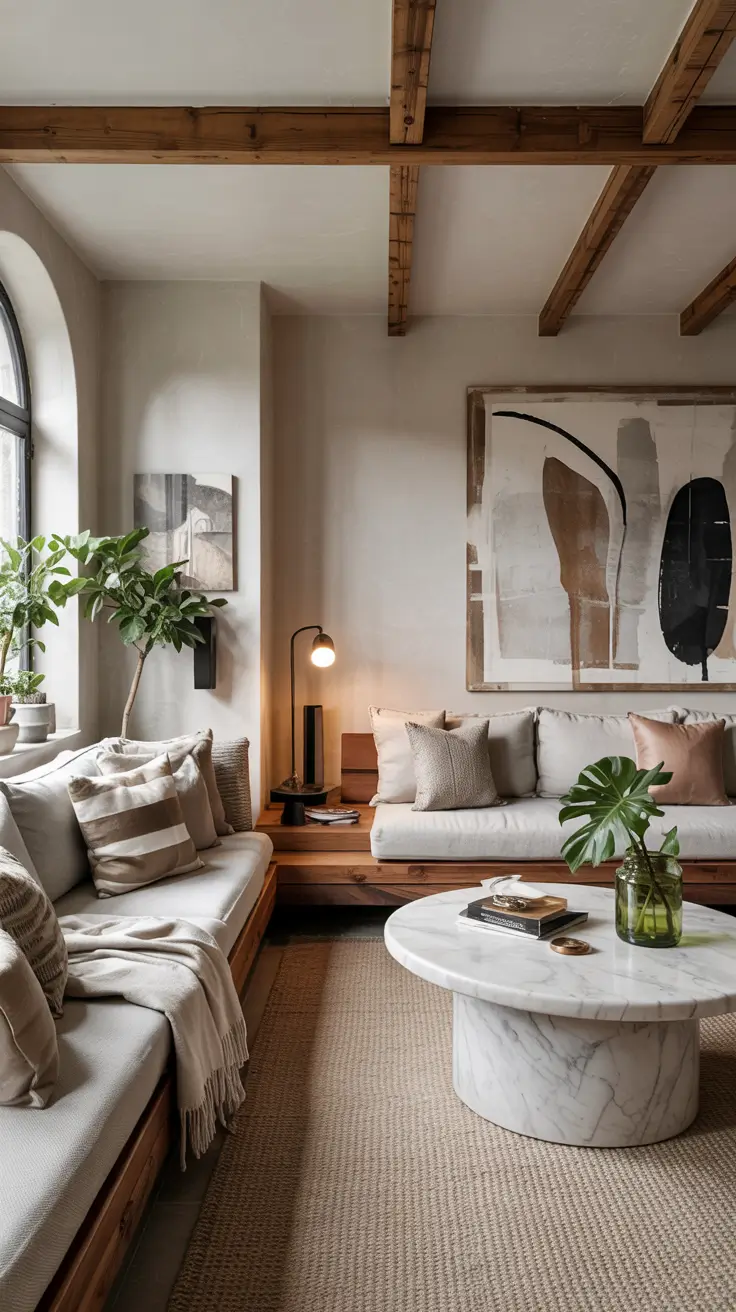
When I draw from those earlier ideas, I usually keep the best elements and remove what felt temporary. For example, I still value deep seating, cozy textiles, layered rugs, and flexible storage, but I now pair them with more refined finishes such as brushed metal, stained wood, limewash walls, and tailored upholstery. I also think the home office influence remains important, because the 2025 office mindset has carried forward into spaces that need discreet work zones without sacrificing style. In interior design trends 2025/2026 kitchen spaces, I see a similar evolution, where practical islands, better pantry storage, and warm material palettes continue to matter. What changes in 2026 is that these features are integrated more elegantly into the architecture of the room. That makes the home feel more cohesive and less reactive.
I personally appreciate how 2026 improves on 2021 rather than copying it. In my experience, the early push toward comfort sometimes created rooms that felt too soft, too neutral, or visually unfinished. Now, the best designers are restoring balance by bringing in contrast through darker woods, mixed metals, tailored furniture lines, and more expressive lighting. This aligns with the broader movement in interior design trends 2025/2026, where comfort remains essential but is now supported by stronger shape, proportion, and detail. I think that is why these rooms feel both modern and mature. They respond to the past without getting stuck in it.
What I would add to this design direction is a more intentional use of color and finish variation. Many interiors inspired by 2020 and 2021 still lean too heavily on safe beige schemes, so I would introduce olive, rust, muted blue, or deep brown through textiles, art, or painted millwork. I would also include at least one handcrafted element, such as ceramic lighting, woven decor, or a vintage table, to keep the room from feeling overly smooth. In my view, 2026 needs that human layer because it helps soften modern surfaces and makes the space feel more grounded. This is where the latest interiors improve most clearly on earlier versions. They retain the practicality of recent years but gain more identity.
23. Why Certain Looks From 2016 And 2010 Are Reappearing In New Ways
I often find that styles do not disappear completely – they return after being reworked to suit new expectations. That is exactly what is happening with selected looks from 2016 and 2010, which are quietly influencing interior design trends for 2026. From 2010, I see renewed interest in cleaner architectural lines, statement lighting, and symmetrical room planning, but now these ideas are softened with warmer colors and more organic finishes. From 2016, I notice the return of bolder contrast, richer textures, and a more confident use of pattern, though the newer version is less formulaic. In 2026, these earlier references no longer feel dated because they are being filtered through a more relaxed and thoughtful design language. The result is familiar, but much more refined.
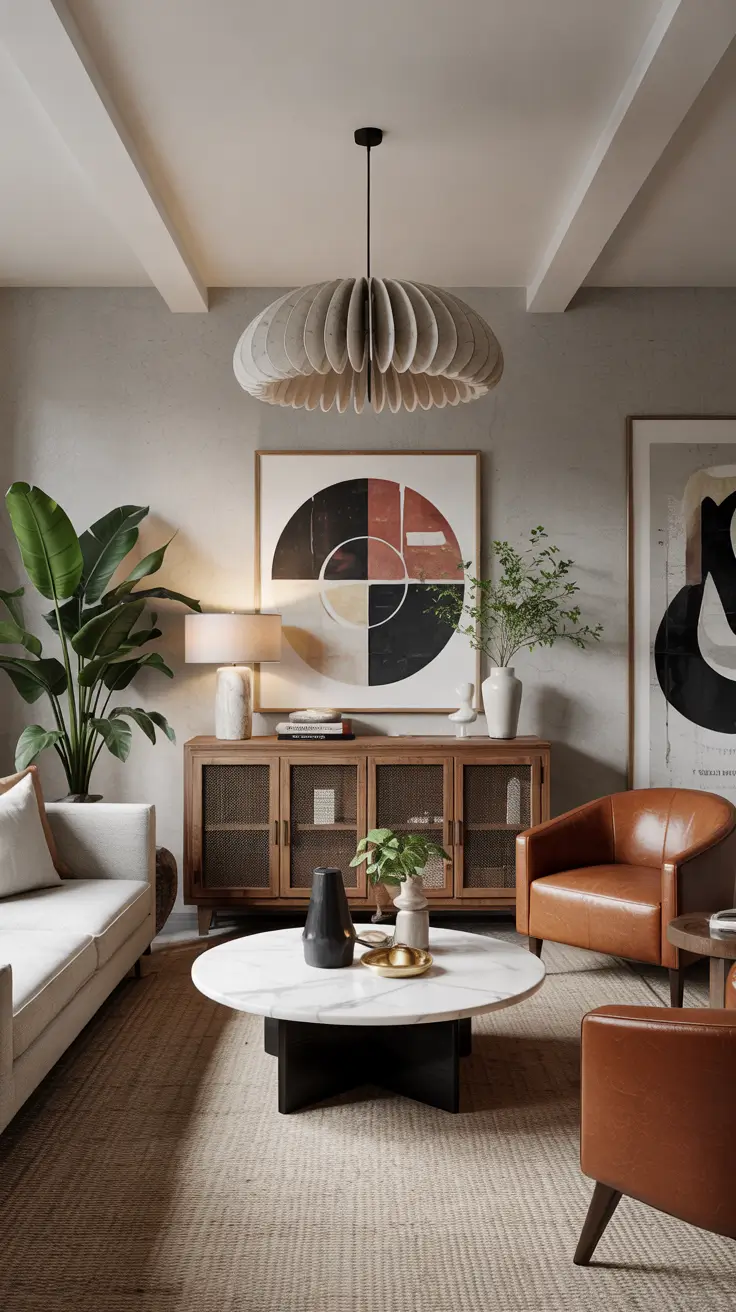
When I bring these influences into a room, I do it selectively. I might use a dramatic pendant light that recalls 2010 interiors, but place it over a softer, rounded dining table with upholstered chairs that feel more current. I may also use stronger black accents, brass details, or geometric forms inspired by 2016, but I balance them with plaster finishes, natural woods, and understated textiles. In living rooms, I see this combination working especially well when a structured sofa is paired with curved accent chairs, layered drapery, and a vintage-inspired rug. In kitchens, interior design trends 2025/2026 kitchen ideas often revisit cleaner slab cabinetry and streamlined layouts, but with warmer wood grains and less glossy finishes than older versions used. That balance is what makes the revival feel new rather than nostalgic.
I think the reason these looks are returning is simple – they still contain useful design principles. Strong silhouettes, clear layout planning, and defined focal points never really go out of style, even if the finishes around them change. I have found that many people now want homes with more character, but they also want structure and visual clarity, and older eras can offer that. Media coverage in recent years has increasingly pointed to the return of vintage influence, traditional shapes, and statement pieces, and I see that as part of a wider correction after several years of overly uniform interiors. Personally, I welcome that change because it gives rooms more depth and memory. It also prevents current design from feeling too interchangeable.
To strengthen this type of interior, I would add one or two bridging elements that connect the older reference to the present moment. For example, I would pair a more classic light fixture with contemporary art, or place a vintage wood cabinet beside a clean-lined modern sofa. I would also be careful with surface finishes, because this is where revived styles can quickly feel too literal if handled poorly. Matte finishes, tactile fabrics, and restrained color palettes help keep the room grounded in 2026 rather than 2016 or 2010. In my opinion, reinterpretation works best when the past is visible but not dominant. That is what makes the design feel intelligent instead of themed.
24. Smart Styling Choices That Make Interior Design Trends For 2026 Timeless
Not every new look deserves a long life, so I always pay attention to the styling choices that help interior design trends 2026 stay relevant beyond a single season. The most timeless rooms are not the ones with the most trend references. They are the ones built on proportion, function, material quality, and visual balance. In interior design trends for 2026, I see more attention being given to those foundations, which is why many of the newest rooms already feel capable of lasting into 2027. This matters because people increasingly want a modern interior that can evolve without requiring a full redesign every year. Timelessness in 2026 is less about playing safe and more about making better choices.
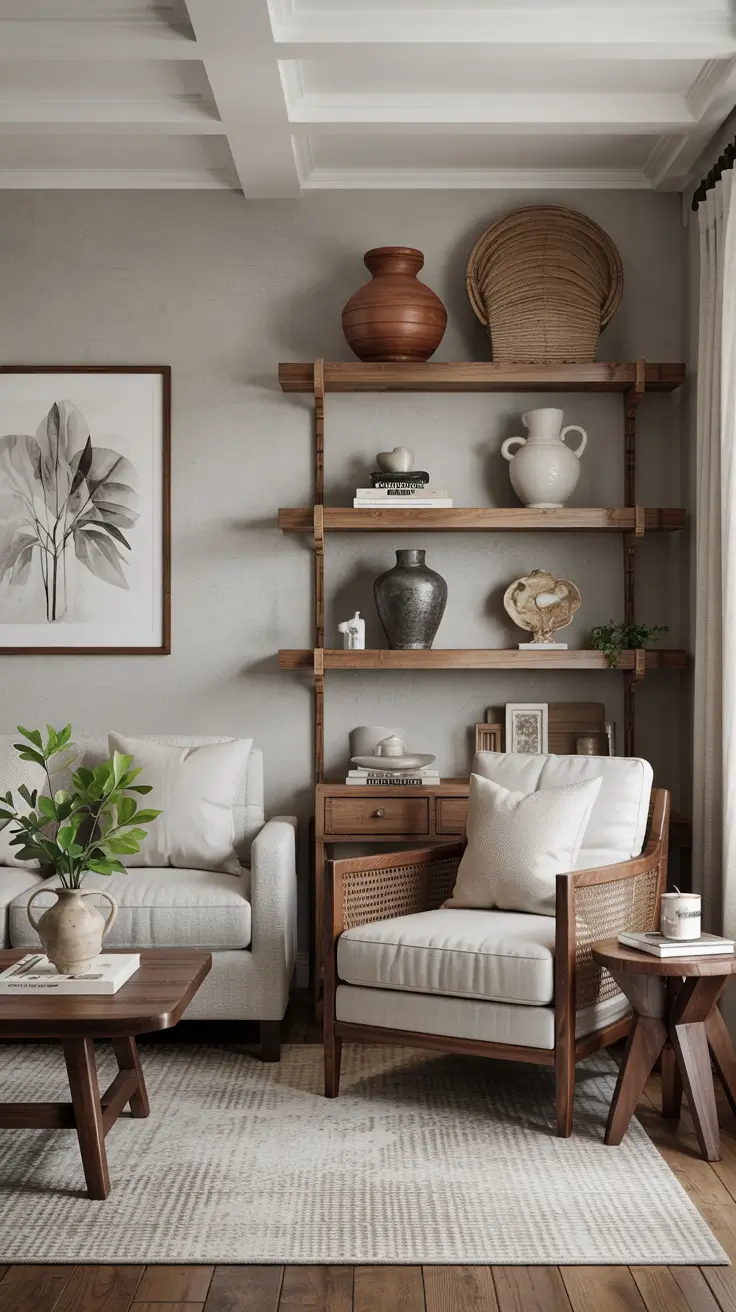
When I style for longevity, I begin with durable anchor pieces such as a well-proportioned sofa, a solid wood table, classic dining chairs, and storage that fits the room rather than overwhelms it. I then layer in trend-sensitive elements through art, textiles, lighting, and smaller decor, because these can be updated more easily over time. I believe natural stone, oak, walnut, linen, boucle used carefully, ceramic accents, and warm neutral paint tones all support a timeless base. In a 2026 living room, that might mean a grounded seating plan with sculptural but not extreme furniture, while in a 2025/2026 kitchen it could mean panel-ready storage, understated hardware, and a durable countertop with subtle movement. Good styling is not just visual. It also improves how a room works day after day.
I personally avoid designing around a single viral idea because it usually weakens the long-term quality of the space. Instead, I focus on layered contrast, which means mixing smooth and textured surfaces, light and dark finishes, old and new pieces, and practical elements with a few expressive ones. This is also where I see Gen z influence becoming useful rather than superficial, because younger design preferences often favor individuality, sustainability, and rooms that feel less formal. I think those values can contribute to timelessness when they are translated thoughtfully. A room should reflect current taste, but it should not depend on current taste to survive. That is the standard I use when judging whether a trend is worth adopting.
What I would add here is the importance of restraint. Even the best interior design trends 2026 can lose their strength when too many are combined in one room without a hierarchy. I always recommend choosing one dominant idea, one supporting texture or finish story, and one accent layer that adds personality. This keeps the space coherent while still allowing it to feel dynamic and current. I also think lighting deserves more attention in timeless design because it shapes mood, highlights materials, and makes every other decision read better. In many cases, great lighting is the difference between a room that feels temporary and one that feels complete.
25. The Best Interior Design Trends 2026 Ideas To Carry Into 2027
When I look at which interior design trends 2026 ideas are most likely to carry into 2027, I focus on the ones that combine emotional warmth with practical value. Trends that improve comfort, storage, flexibility, and visual depth usually last longer than ideas built only around novelty. That is why I expect layered natural materials, soft architectural curves, warm neutrals, moody accent colors, and quietly expressive furniture to remain strong through 2026 2027. I also think the move away from sterile minimalism will continue, because people now want homes with more feeling, texture, and evidence of personal taste. The best upcoming interiors are not louder. They are more intentional. That is a very different kind of modern.
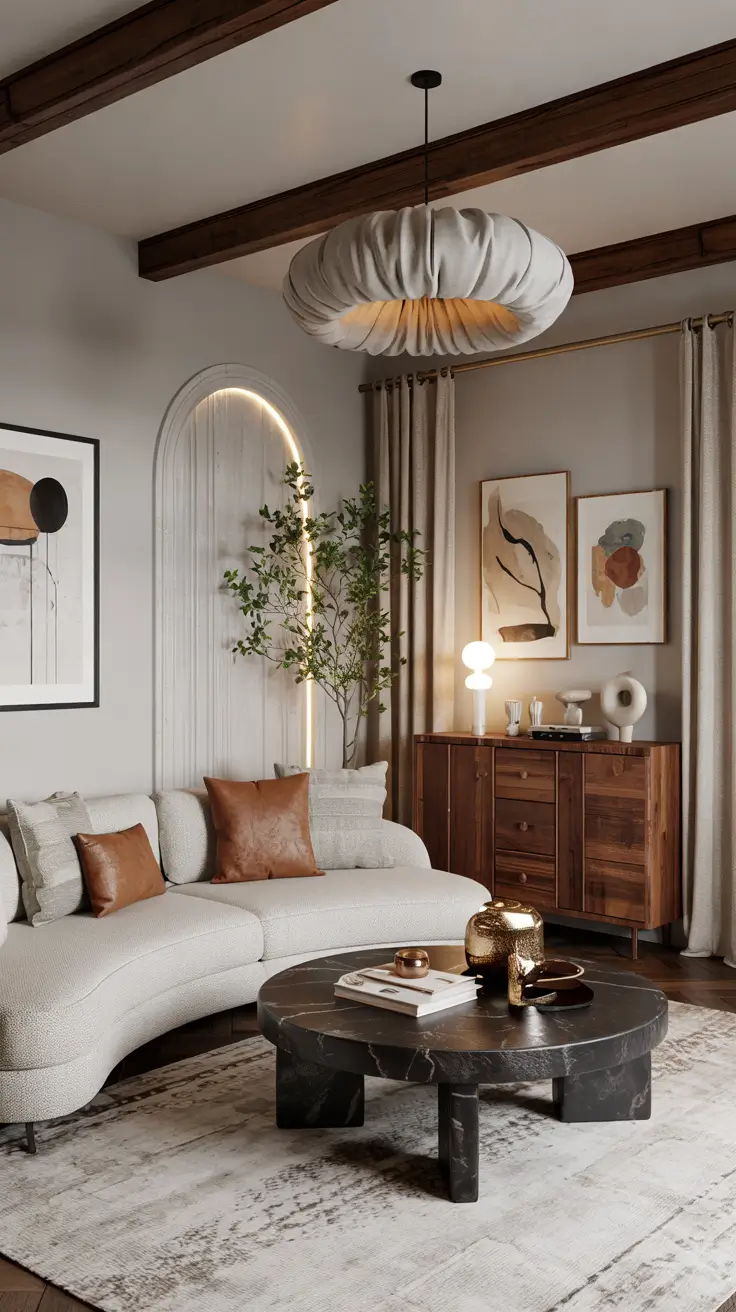
In real rooms, I see the strongest carry-forward ideas appearing through material combinations and spatial planning. A living room may include a curved sofa, a vintage wood cabinet, dimmable layered lighting, and textured drapery, while a kitchen may pair warm cabinetry with stone surfaces, integrated storage, and open display used sparingly. Bedrooms are also moving toward softer upholstered forms, earthy colors, and fewer but better pieces, which helps support rest without sacrificing style. For people adapting 2025 office habits, I think discreet built-in desks, reading corners, and compact multifunctional furniture will remain relevant in 2027. These are not trend effects. They are useful design responses that happen to look current. That is why they have staying power.
I believe the best way to predict what lasts is to ask whether the idea supports real life as well as aesthetics. In my experience, trends survive when they solve a problem, improve mood, or make a room easier to use. This is why I place more trust in material warmth, adaptable layouts, and thoughtful lighting than in highly specific motifs that may feel dated quickly. I also think the influence of interior design trends 2025/2026 and even fall 2025 will continue to matter, because that period helped define the move toward richer textures and more grounded palettes. Looking ahead, 2027 seems likely to develop these themes rather than abandon them. That continuity is a good sign for anyone decorating now.
To make these ideas even more durable, I would add a stronger emphasis on personalization through art, vintage finds, books, and collected objects with visual meaning. I would also avoid overfilling rooms, because spaciousness helps every trend look more refined. In my opinion, the most successful 2026 2027 interiors will be the ones that feel edited, tactile, and emotionally believable. They will not erase the influence of 2024, 2025, or earlier years, but they will combine those influences more intelligently. That is what gives a home continuity instead of trend fatigue. It is also what makes design feel genuinely livable.