Home decor trends for 2026 are already showing a clear shift toward warmer spaces, more personal styling, and practical comfort that still looks fresh. If you are wondering which home decor trends 2026 will feel current, which home decor trends to avoid, and how home decor trends in 2026 may influence everything from a relaxed bedroom to home decor trends living room ideas, this article will walk through it clearly. I want to explore what feels new, what already looks outdated, and which ideas from Spring 2026, Fall 2026, and even Spring summer 2026 may carry into Spring 2027 and 2027. I also want to show how these trends can work in real homes without making rooms feel overdesigned or difficult to live in. In my view, the most lasting design shifts are the ones that make everyday spaces easier to use, softer to look at, and more connected to the people who live in them.
1. Home Decor Trends For 2026 That Will Define Stylish Homes
When I look at the strongest home decor trends for 2026, I see a move away from cold perfection and toward rooms that feel collected, calm, and highly livable. Stylish homes in 2026 are not only about visual impact, but also about comfort, texture, and thoughtful layering that supports daily life. I notice that the most appealing spaces combine soft forms, natural finishes, and a balanced mix of old and new elements. This makes a room feel relevant without becoming tied too tightly to one passing look. In my experience, the most successful interiors are the ones that feel intentional from the first glance but still relaxed enough to live in every day. That is why the current direction feels more human and less staged.
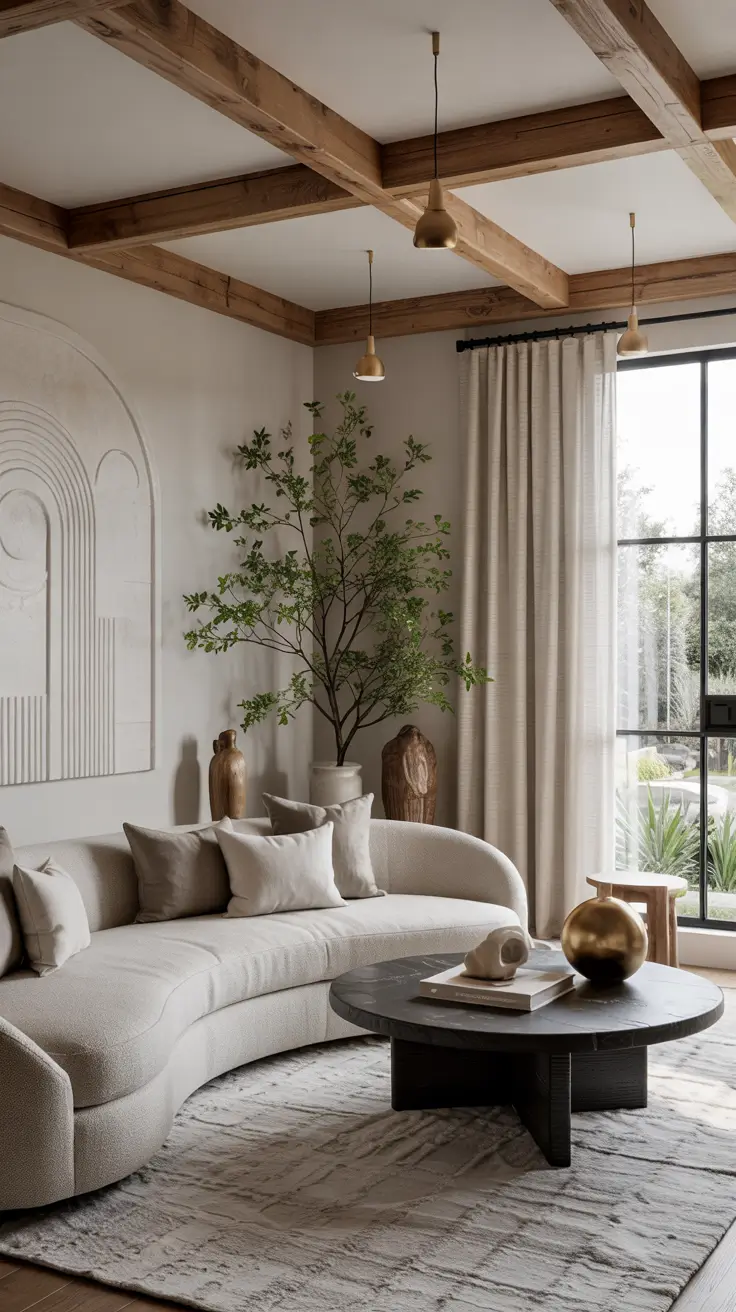
I would include curved sofas, textured rugs, warm wood tones, matte lighting, stone-inspired surfaces, and large-scale fabric details in a room shaped by these new trends. Each of these pieces adds softness and depth, which is essential when the goal is to create a stylish home that does not feel too sharp or overly minimal. I also think mixed materials matter a lot, such as combining oak with plaster, linen with metal, or boucle with darker wood accents. These pairings help a room feel layered instead of flat, which is one of the biggest differences between timeless interiors and short-lived trend cycles. I usually recommend keeping large furniture shapes simple and adding personality through textiles, accent chairs, side tables, and art. That balance keeps the room flexible as styles continue to evolve.
I personally like this direction because it gives more freedom to decorate with taste instead of pressure. Many well-known interior publications in the US have recently emphasized warmth, individuality, and tactile finishes, and I agree with that approach because it reflects how people actually want to live now. I have found that homes look more polished when every item does not match perfectly, but the overall mood still feels cohesive. A stylish room in 2026 is not about copying a showroom. It is about editing the space so that comfort and beauty support each other naturally. That is the type of design I would choose again and again.
To make this section feel complete, I would add one important design principle – visual rhythm. In my opinion, a room becomes more refined when the eye can move naturally from one element to another through repeated tones, textures, or shapes. I would also make sure every stylish space has a grounding feature, such as a large rug, a sculptural coffee table, or a statement light fixture. Without that anchor, even beautiful furniture can feel disconnected. I see this often in rooms that have many trendy pieces but no strong center. A clear focal point helps the whole design feel more finished and more useful.
2. Why Home Decor Trends In 2026 Feel Softer, Warmer, And More Personal
One reason home decor trends in 2026 feel different is that they are moving toward emotional comfort as much as visual style. I see a clear preference for warmer palettes, rounded silhouettes, handmade details, and rooms that reflect personal routines rather than formal decorating rules. Spaces feel softer because hard contrasts and overly glossy finishes are being replaced with muted surfaces and materials that age well. I also notice that people want homes to feel settled, not temporary, and that changes the way furniture and decor are chosen. A warmer room usually feels more welcoming at every hour of the day, especially when light, color, and texture work together. That emotional quality is becoming just as important as trend awareness.
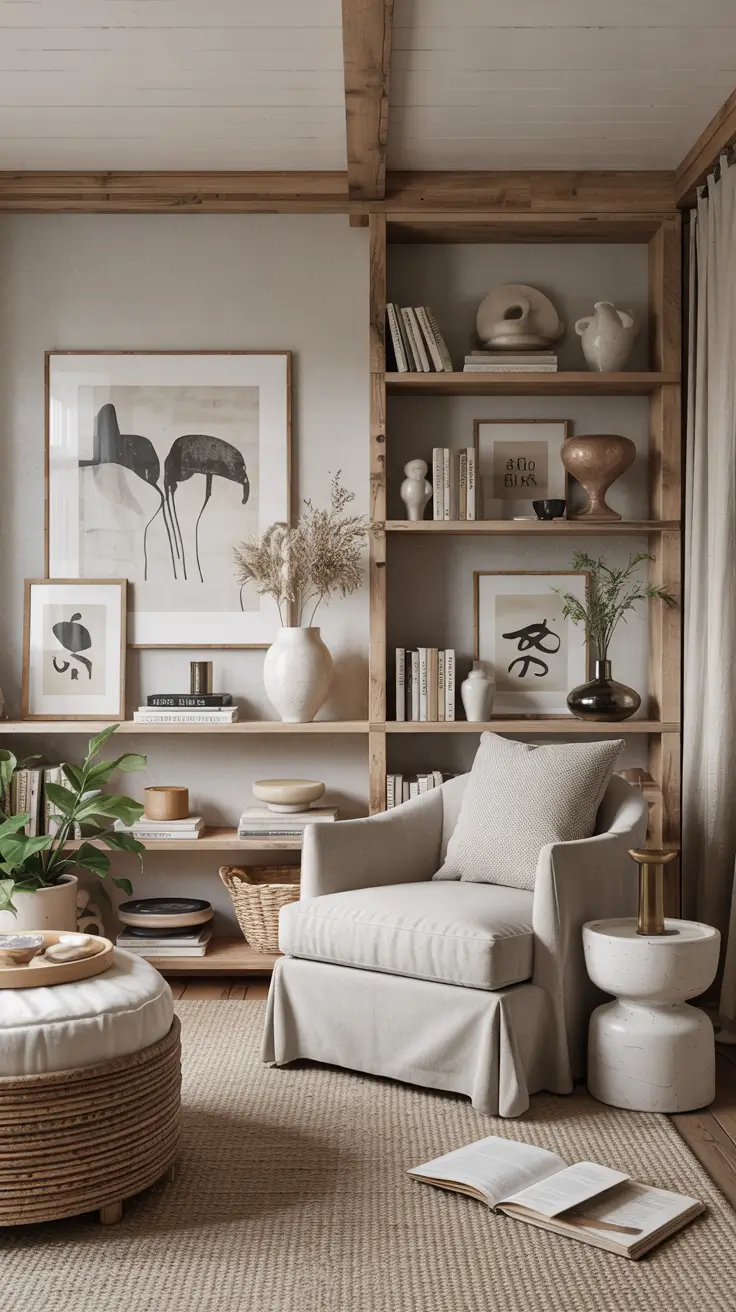
To create that softer and more personal mood, I would use linen curtains, warm neutrals, low-sheen paint, upholstered headboards, textured ceramics, and comfortable lounge seating. These details matter because they absorb light in a gentler way and help the room feel less rigid. I also think personal style shows up best through books, framed art, vintage finds, and decor collected over time instead of bought all at once. When I design a room around comfort, I pay close attention to how every surface feels, not just how it looks in a photo. Soft wool, washed cotton, brushed wood, and slightly irregular handmade finishes all contribute to a home that feels lived in and meaningful. That tactile quality is a major reason these new interiors feel richer.
I like this trend because it allows people to create beautiful rooms without chasing a perfect formula. Advice from respected design editors and interior professionals often points to authenticity, layering, and comfort as the qualities that make a home memorable, and I think that is exactly right. I have seen rooms become much more inviting when homeowners stop trying to erase every sign of personality. A home should reflect habits, memories, and preferences, not just popular visuals. In my opinion, that is why this softer direction feels more mature than many previous trend cycles. It gives people permission to build interiors slowly and thoughtfully.
What I would add here is the importance of scent, lighting temperature, and acoustic softness. These are often overlooked, but they shape how warm and personal a room actually feels. I would include table lamps with fabric shades, soft ambient bulbs, and more upholstered surfaces to reduce visual and physical harshness. I also think a room feels more personal when it supports real routines, such as reading, resting, hosting, or quiet work. Decor should not only fill space – it should support the way the space is used. That practical layer is what turns a soft look into a truly comfortable home.
3. Latest Home Decor Trends 2026 Bringing A Fresh Update To Everyday Interiors
The latest home decor trends 2026 are refreshing everyday interiors by making them feel more flexible, more textured, and less dependent on one fixed style. I see fresh updates coming from subtle changes rather than complete redesigns, which is useful for people who want a room to feel new without replacing everything. This includes better lighting, more inviting seating, richer textiles, and small architectural touches that give a space more character. Even simple changes like swapping cool whites for creamy tones or replacing sharp-edged tables with rounded ones can shift the whole atmosphere. In my view, the latest ideas are successful because they improve the daily experience of the room. A home should feel updated in a way that supports real life, not just trend reporting.
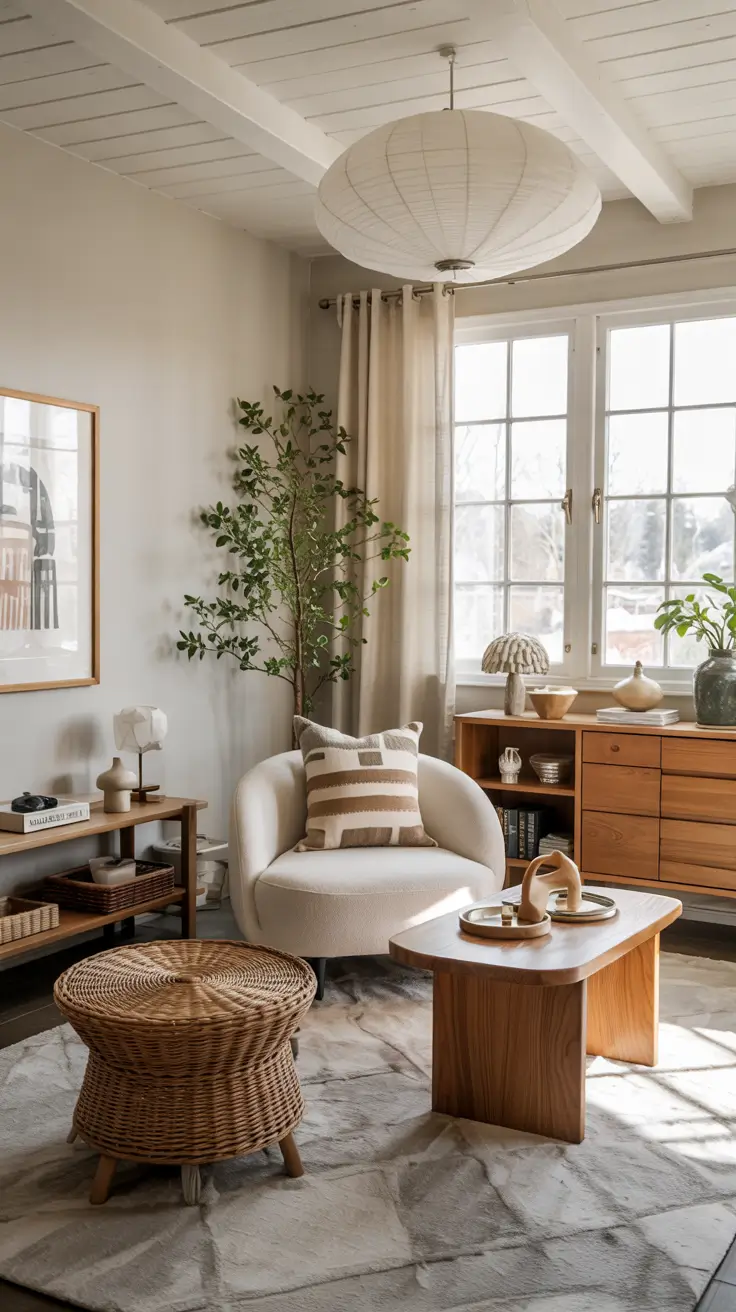
For an everyday interior, I would start with a softer color base, then add sculptural lamps, mixed wood finishes, layered throw pillows, tactile window treatments, and more thoughtful storage pieces. I think storage is especially important because clutter makes even the newest decor feel tired. I would also bring in furniture that does more than one job, like a bench with hidden storage, a slim console behind a sofa, or a sideboard that adds both function and shape. These types of pieces help the room feel current because they respond to how people live now. I also like adding one statement element, such as an oversized pendant or an artistic chair, so the room has a memorable feature without becoming crowded. That single focal point often does more than many smaller decorative items.
Personally, I find these fresh updates more useful than highly dramatic redesign trends. Many design professionals now recommend prioritizing comfort, adaptability, and timeless foundations, and I strongly agree with that because it prevents a room from feeling outdated too quickly. I have seen everyday spaces improve significantly through edited changes rather than constant replacement. When the layout works, the lighting feels balanced, and textures are layered well, the room already looks more current. I do not think every new trend deserves a place in a home. The best ones are the ideas that make ordinary spaces look better and work better at the same time.
To strengthen this kind of interior, I would add more contrast through scale and silhouette. For example, I might combine a low sofa with a tall floor lamp, or pair a simple dining table with more expressive chairs. I also think plants, branches, and organic arrangements are missing from many updated rooms, even though they add movement and softness very easily. Art placement is another important finishing detail that should not be ignored. A room can have beautiful furniture and still feel unfinished if the walls are empty or the artwork is too small. That last layer is often what makes an updated interior feel complete.
4. New Color Directions Shaping Home Decor Trends For Spring 2026
The new color directions shaping home decor trends for spring 2026 are moving away from extremes and toward tones that feel nuanced, earthy, and easy to live with. I see more softened greens, clay tones, sand, muted peach, creamy white, pale blue-gray, and warmer beige replacing colder neutrals and stark contrasts. These colors work especially well because they brighten a room without making it feel flat or overly sweet. In Spring 2026, I expect color to be used in a more layered way, with walls, textiles, and decor all contributing subtle variation instead of one dominant bold shade. This gives the room depth while still keeping the mood light. That balance is one of the most appealing parts of the new seasonal palette.
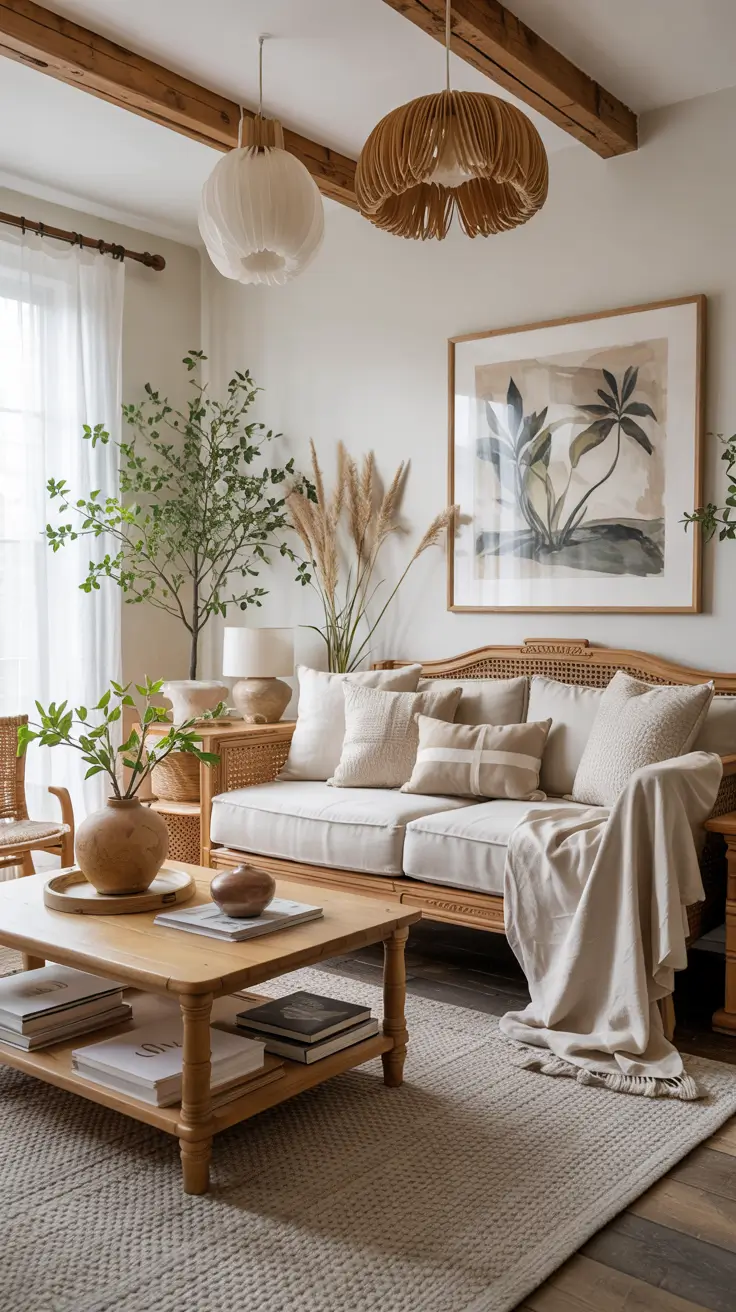
I would use these colors through paint, drapery, upholstery, rugs, ceramics, and accent furniture rather than relying only on accessories. In my experience, a color direction feels more convincing when it appears in several parts of the room at different strengths. For example, I might pair pale olive walls with cream seating, natural oak tables, and clay-toned cushions to create a space that feels fresh but grounded. I also like using warmer whites because they make natural light feel softer and help other colors look richer. If I want a room to feel current for spring, I usually introduce one botanical or mineral-inspired tone and then support it with tactile neutrals. That method keeps the palette calm and flexible.
I enjoy this trend because it feels optimistic without being loud. Well-known design media often highlight the return of nature-based tones and warmer palettes when discussing seasonal interiors, and I think that advice works especially well for homes that need a gentle refresh. I have found that these kinds of colors are easier to live with long term than trendy bright shades that dominate a room too quickly. They also transition well from Spring summer 2026 into Fall 2026, which makes them more practical. In my opinion, the smartest seasonal updates are the ones that still feel relevant after the season changes. That is why these softer color families stand out to me.
What I would add to this section is the role of finish and undertone. A beautiful spring color can still fail if the paint sheen is too harsh or if the undertone clashes with the flooring and furniture. I would always test tones in natural morning light and evening light before making a final choice. I also think spring palettes need at least one deeper note, such as walnut, aged bronze, or muted charcoal, to keep the room from feeling washed out. Without that depth, the result can look unfinished. A good palette should feel light, but it should also feel stable.
5. Spring 2026 Decor Ideas That Make Rooms Feel Light And Inviting
The best home decor trends for spring 2026 are the ones that make a room feel brighter, easier, and more open without stripping away comfort. I think inviting spring interiors depend on better flow, lighter materials, and decor that reflects the season in a restrained way. Rooms should feel refreshed, but not empty, and that means using seasonal updates with intention. I usually focus on visual lightness first, which can come from better window treatments, lighter textiles, and more breathable layouts. A room that feels inviting in spring often has fewer heavy visual blocks and more soft transitions between furniture and decor. That sense of ease is what gives spring interiors their appeal.
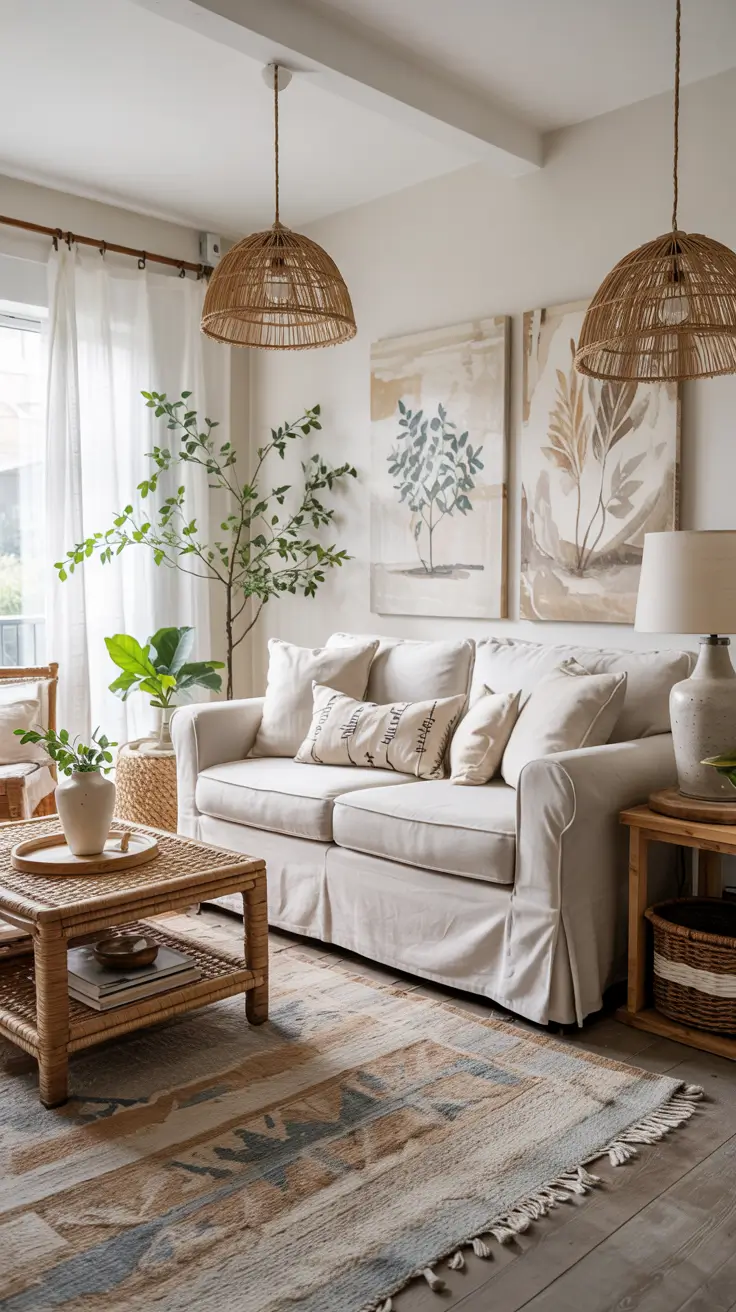
To create that atmosphere, I would add airy curtains, lighter slipcovers, woven accents, glass or ceramic lamps, botanical branches, soft patterned pillows, and a rug with a low-contrast design. I also like replacing dark winter styling with lighter wood trays, fresh table arrangements, and edited shelving that leaves more breathing room. In a home decor trends living room update, I would pay special attention to the coffee table, sofa textiles, and lighting because these elements shift the room fastest. I would also consider swapping heavier accent chairs for ones with a more open frame if the room feels crowded. These changes do not require a full redesign, but they make the whole home feel more aligned with Spring 2026. Small seasonal edits can have a surprisingly strong effect when the foundation is already good.
I personally think spring decorating works best when it stays close to the home’s existing style instead of competing with it. Some of the most useful professional advice I have seen emphasizes editing, natural light, and subtle seasonal layering, and I find that approach far more effective than filling a room with obvious themed decor. I prefer to refresh a space by improving its mood rather than changing its identity. That usually means fewer accessories, softer fabrics, and one or two natural accents that bring life into the room. I do not believe a room needs many new items to feel seasonal. It just needs the right adjustments in the right places.
To complete this kind of spring update, I would add a stronger focus on scent, entry views, and the first surface the eye lands on in the room. These details are often missing even though they shape the experience immediately. I would style an entry console, a coffee table, or a dining centerpiece with a lighter hand so the room feels intentional from the first glance. I also think spring rooms benefit from one reflective element, such as a mirror or glazed ceramic finish, because it helps spread natural light. That extra brightness supports the inviting effect people usually want at this time of year. A spring room should feel clear, fresh, and easy to be in.
6. Spring Summer 2026 Styling Details That Add Effortless Beauty
When I look at home decor trends spring 2026, I see a strong move toward lightness, softness, and visual ease. The rooms that feel most appealing are not empty or cold, but edited with intention so every detail has a purpose. In spring summer 2026, I notice interiors using breezy textiles, pale woods, soft mineral tones, and gentle curves to create spaces that feel calm from the moment you enter. This approach works especially well in homes that need more brightness without a full renovation. I think one reason this direction feels so relevant is because it combines comfort with restraint. It is one of the latest ways to make a room feel new while still keeping it livable.
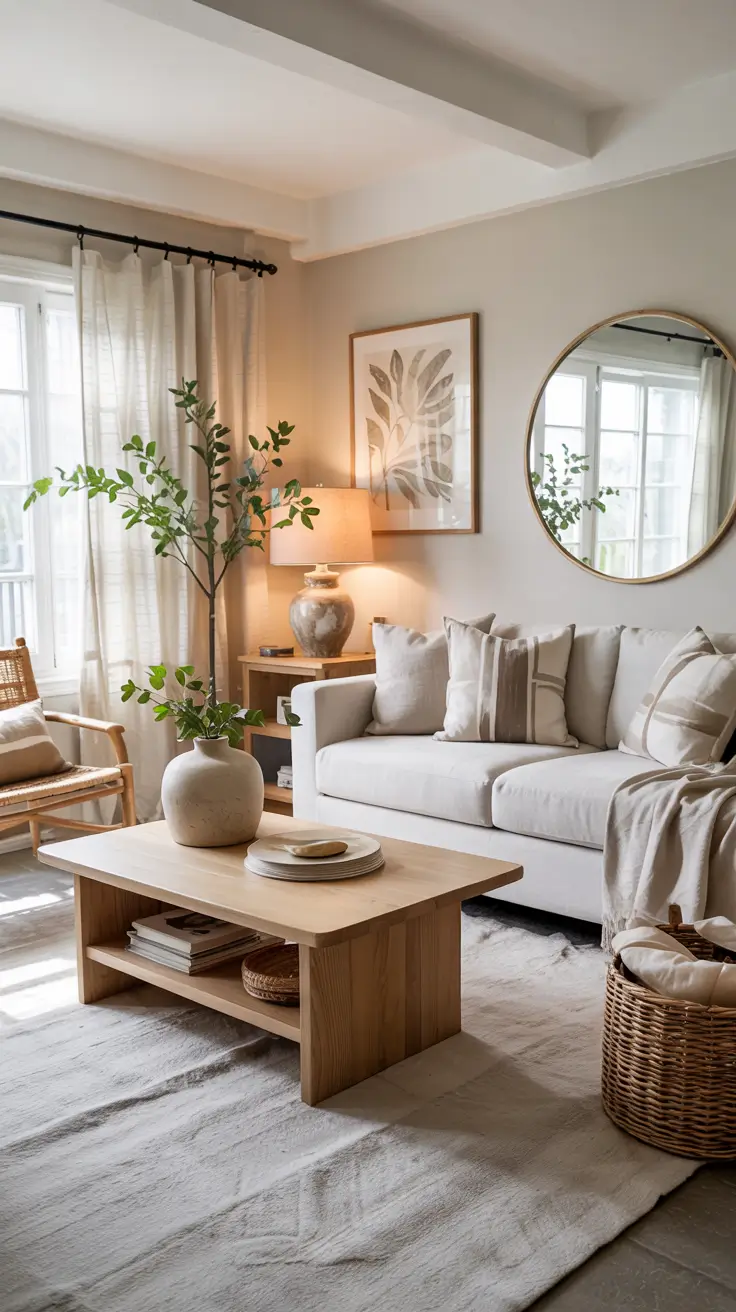
In these spaces, I would include linen curtains, a low-profile sofa, a light-toned rug, and accent pieces in muted clay, sand, or soft sage. I also find that a slim wood coffee table, woven baskets, and ceramic lighting help introduce warmth without making the room feel heavy. Upholstered dining chairs in textured neutrals work beautifully if the space is open-plan and connected to the living area. I like adding a large mirror or glass-front cabinet because reflective surfaces help amplify natural light in a subtle way. Decorative objects should stay selective, with books, handmade pottery, and branches or seasonal greenery doing most of the work. These choices support the feeling of effortless beauty instead of creating visual clutter.
From my perspective, this is one of the strongest home decor trends for spring 2026 because it gives a room a relaxed elegance that does not depend on bold statements. I have found that interiors like this feel easier to maintain because the beauty comes from proportion, texture, and light rather than constant styling. Designers and major interior magazines in the US have continued to emphasize natural light, tactile materials, and layered neutrals, and I think that advice remains useful here. In my own experience, the most successful spring rooms are the ones that feel open but not unfinished. I would much rather see a space with three beautiful textures than ten decorative accents competing for attention. That balance is what keeps this trend feeling current rather than staged.
What I would add to complete this section is a stronger connection to seasonal transitions. A room styled for spring 2026 should also be flexible enough to move into late summer with only a few changes, such as switching in deeper cushions, adding a warmer throw, or introducing smoked glass accessories. I also think scent and greenery matter more than many people realize in this kind of design story. Olive branches, simple floral stems, or even a single oversized plant can make the room feel more alive. If the space allows it, I would include a bench, ottoman, or reading chair near a window to reinforce the airy mood. These finishing details help the design feel complete instead of just visually pleasing.
7. Home Decor Trends Living Room Designers Are Loving In 2026
The home decor trends living room designers are responding to in 2026 feel more grounded and human than many trend cycles from the past. I see a clear preference for rooms that support conversation, relaxation, and real daily use rather than strictly decorative layouts. The current living room is becoming softer in shape, richer in texture, and more flexible in how furniture is arranged. In many homes, the center of attention is no longer just the television wall, but the overall atmosphere and flow of the room. I think this is one of the most important shifts in home decor trends in 2026 because it changes the way people actually experience their space. Instead of designing around one focal point, the room becomes layered and welcoming from several angles.
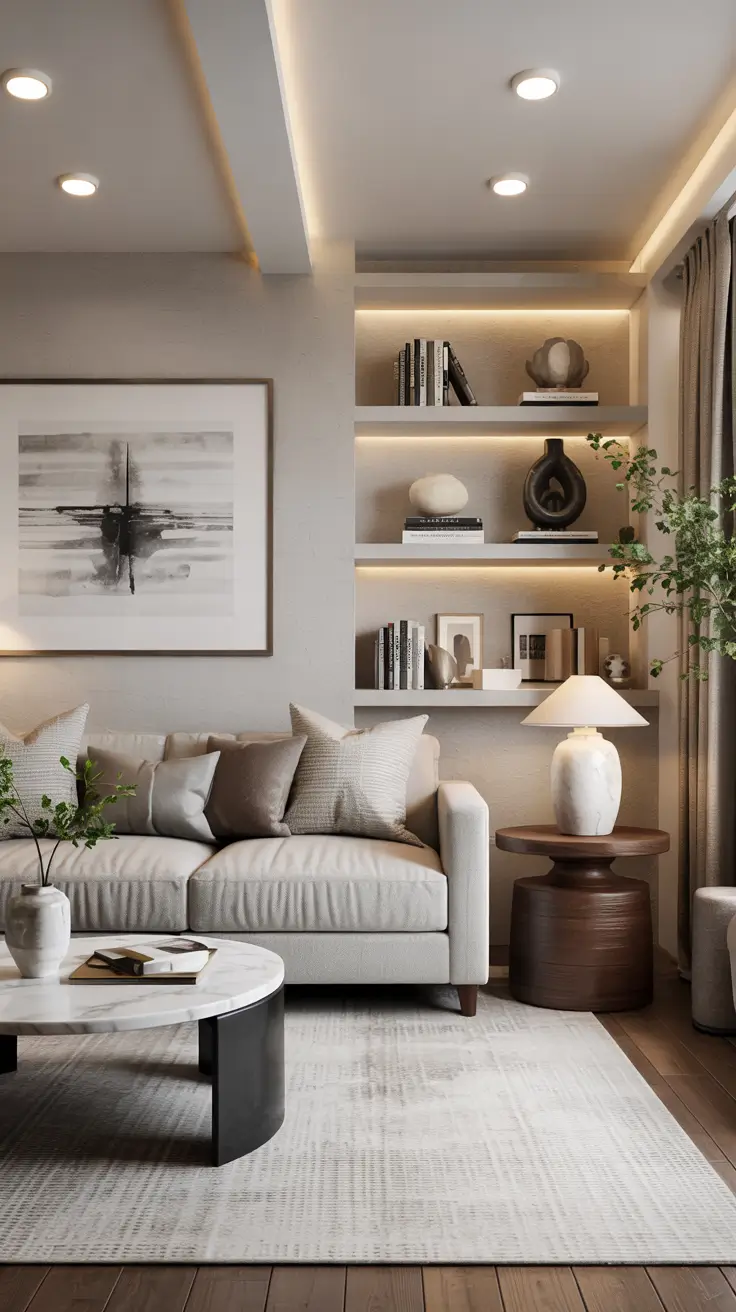
To build this kind of living room, I would start with a comfortable sofa that has depth and clean lines, then add chairs that bring shape and contrast without overwhelming the plan. A large area rug is essential because it helps anchor the arrangement and makes the room feel intentional. I also like using side tables in mixed materials, such as wood with stone or glass with metal, because they add variety without disrupting harmony. Lighting should come from several sources, including a floor lamp, table lamp, and ceiling fixture, so the room works well throughout the day. I would also bring in shelves, a console, or closed storage to keep the room practical while still preserving the visual calm designers are leaning into. Art, books, and a few personal pieces make the space feel lived-in rather than overly polished.
I personally think the best living rooms in 2026 are the ones that feel composed but not formal. I have noticed that once seating becomes more conversational and layered lighting is added, the room immediately feels more inviting. Many respected US design publications have been highlighting comfort, flexibility, and quiet luxury, and I believe those ideas are especially relevant in the living room because this is where daily life happens most visibly. When I style a room like this, I avoid relying on one dramatic item to carry the design. I prefer several thoughtful pieces that build atmosphere gradually. That is usually what gives a living room its staying power.
To strengthen this section, I would add more emphasis on scale and spacing. Even beautiful furniture can fail if it is too large, too small, or placed without enough breathing room. I always recommend leaving space between major pieces so the room feels open and easy to move through. Window treatments, wall color, and ceiling tone should also be considered because they shape the mood just as much as furniture does. If the room is large, I would consider dividing it into smaller zones with a chair, console, or secondary rug. Those extra decisions are often what turn a nice room into a truly cohesive one.
8. Statement Sofas, Accent Chairs, And Layout Shifts For Current Living Rooms
Among the most noticeable home decor trends for 2026, I see a major change in how seating is used to shape the room. The idea of one standard sofa pushed against the wall is giving way to more dynamic layouts that feel balanced from the middle outward. In current living rooms, statement sofas are becoming softer, deeper, and more sculptural, while accent chairs add personality through shape, fabric, or silhouette. This change is not only visual but practical because it improves how people gather, rest, and move through the space. I think this is one of the new directions that will continue into 2027 because it solves both comfort and design at once. It also helps a room feel custom even when the furniture selection is fairly simple.
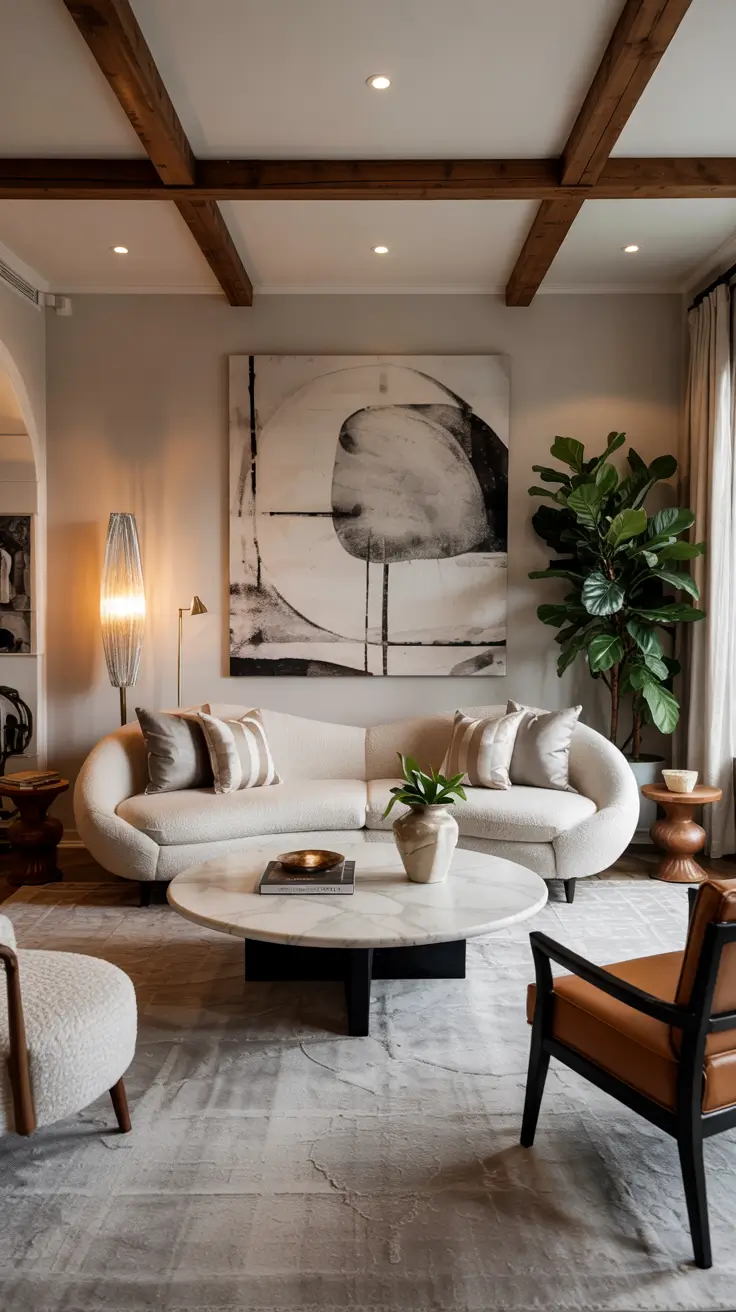
If I were planning a room around this idea, I would choose a sofa with generous proportions, rounded edges, or an interesting profile that gives the space a focal point without looking too formal. I would then pair it with one or two accent chairs that contrast slightly in material or color, such as boucle with wood, leather with linen, or velvet with oak. A curved sofa works well in larger rooms, while an extra-deep straight sofa is often better for smaller or more traditional spaces. I also think the layout should allow seating to float away from the walls when possible, because that creates a more intentional conversation area. An ottoman or upholstered bench can add flexibility and make the arrangement feel layered. The supporting pieces, like side tables and lamps, should follow the same balance between softness and structure.
In my opinion, statement seating works best when it is supported by proportion rather than too much decoration. I have seen rooms where the sofa was beautiful but the entire layout still felt wrong because the surrounding furniture was either too small or too scattered. Editors and designers in the US often talk about investing in foundational pieces first, and I agree with that approach here. If the sofa and chairs are right, the rest of the room usually becomes easier to style. I also think people are becoming more aware that layout affects mood just as much as color or material. A room that allows natural conversation and movement will always feel more successful to me.
What I would add here is the importance of testing the layout visually before committing. I like to imagine the room from the entry point, the main seated view, and the path between zones to make sure the arrangement feels natural from every angle. It also helps to consider how the room will function in different seasons, especially between spring summer 2026 and fall 2026, when textile weight and lighting mood often change. I would include a rug large enough to unify the seating group and avoid the common mistake of using pieces that float separately. Art placement and floor lamp height should also be planned with the seating arrangement, not as an afterthought. Those details help the entire composition feel resolved.
9. Texture Layering Trends Making Home Decor In 2026 Feel Richer
One of the most compelling home decor trends 2026 is the move toward rooms that feel richer through texture rather than brighter through color alone. I see more interiors relying on material contrast to create depth, warmth, and sophistication in a very quiet way. This is especially useful in homes that use neutral palettes, because texture keeps the design from feeling flat or unfinished. Boucle, linen, wool, brushed wood, matte ceramics, plaster-like finishes, and natural stone are all helping rooms feel more complete. I think this direction is a smarter alternative to trend-heavy decorating because it gives the room character without making it feel temporary. It is also one of the easiest ways to update a space without replacing everything.
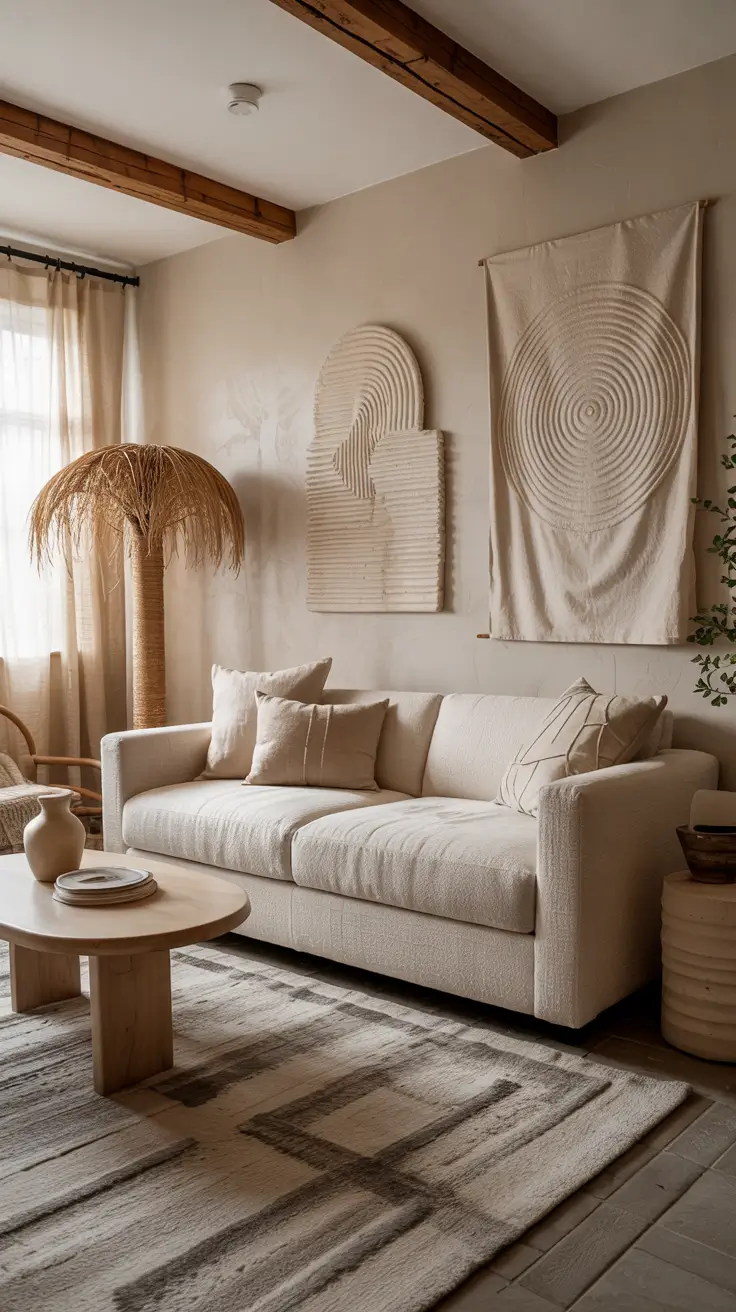
When I layer texture, I usually start with foundational surfaces like rugs, upholstery, and window treatments. Then I bring in smaller elements, such as textured cushions, wood-framed mirrors, ceramic vases, ribbed glass, or a stone tray on a coffee table. I find that this works best when each finish has a slightly different visual weight. For example, a soft sofa, a woven rug, a smooth table, and a matte lamp can create a room that feels balanced but not repetitive. In home decor trends living room spaces especially, this mix helps the room feel more thoughtful and welcoming. Even a small space becomes more dimensional when fabrics and finishes are chosen carefully.
I personally think texture is often what separates a room that looks decorated from a room that feels designed. I have seen many interiors with good furniture and attractive color palettes still fall short because the surfaces all looked too similar. Interior designers and shelter magazines in the US regularly highlight tactile layering as a way to achieve depth, and I think that advice applies perfectly to everyday homes. I like this trend because it works quietly in the background while improving the entire atmosphere. It also allows seasonal change without major expense. A few material shifts can make a room feel more appropriate for spring 2026 or deeper and more grounded for fall 2026.
To make this section more complete, I would add a note about restraint. Not every surface needs a strong texture, and too many competing finishes can make the room feel busy instead of refined. I prefer choosing one dominant texture, one supporting texture, and a few cleaner surfaces to give the eye a place to rest. It is also helpful to think about maintenance, because some heavily textured materials require more care than others. In family homes or high-use rooms, I would balance soft tactile elements with practical finishes that age well. That combination is usually what makes the room feel both beautiful and functional over time.
10. Natural Materials Leading The Best Home Decor Trends For 2026
Natural materials are leading some of the best home decor trends for 2026 because they make interiors feel grounded, warm, and more connected to everyday life. I see this trend showing up in flooring, furniture, lighting, and decorative details, but also in the general preference for surfaces that feel honest and tactile. Wood with visible grain, stone with movement, rattan, jute, clay, linen, and handmade ceramics are all becoming more central in current interiors. These materials help a room feel established rather than overly polished. I think their popularity also reflects a larger desire for spaces that age gracefully and do not feel outdated after one season. That is why I expect this direction to remain strong into 2027 as well.
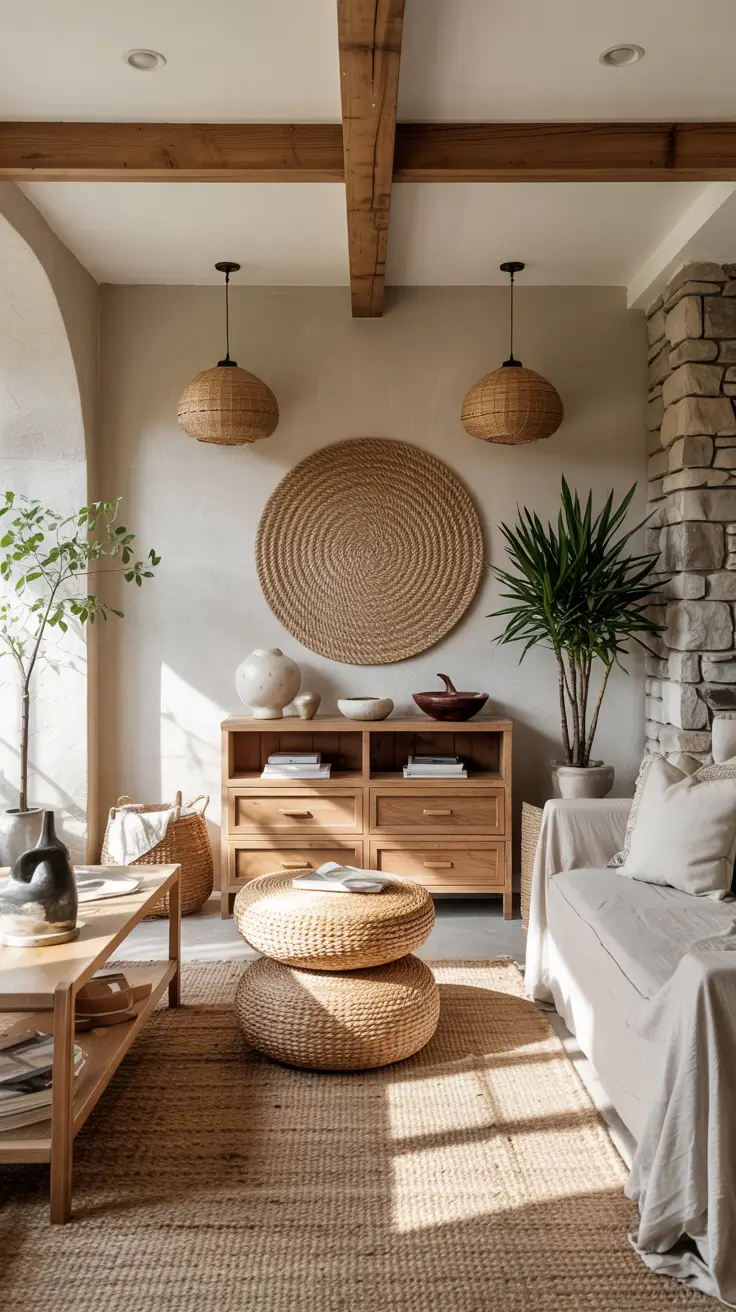
If I were shaping a room around natural materials, I would start with a wood table, woven or linen seating, and a rug made from wool or natural fiber. Then I would bring in smaller accents like ceramic lamps, stone accessories, or baskets that support the same language without making the room feel themed. I also like mixing tones of wood rather than matching everything exactly, because that makes the room feel collected and more realistic. In kitchens or living rooms, natural stone can add visual depth, while in bedrooms and quieter spaces, linen and light oak often create a softer effect. These choices work across many styles, from rustic minimalism to contemporary organic interiors. That flexibility is one reason this trend feels so strong.
From my point of view, natural materials offer a very reliable answer to the question of what is actually lasting in home decor trends in 2026. I have found that rooms built around real texture and organic surfaces tend to stay appealing even when smaller trends come and go. Well-known design voices in the US often recommend investing in timeless materials before trend-driven accessories, and I think that principle is especially useful here. It helps prevent the room from becoming too dependent on any one moment or seasonal look. I also feel that these materials make a home more emotionally comfortable. They bring softness and authenticity that many synthetic finishes cannot replicate.
What I would add to this section is the reminder that natural does not have to mean rustic or unfinished. The most successful spaces combine organic materials with clean silhouettes, edited styling, and thoughtful lighting. I would also consider what materials are missing in the room and add contrast carefully, such as pairing wood with a smoother lacquered finish or woven pieces with glass. A room fully built from one texture family can feel flat, so some variation is important. I would also pay attention to tone, because warm woods, cool stone, and earthy textiles need to feel balanced together. These final adjustments help natural materials look elevated rather than predictable.
11. How Curved Furniture And Soft Shapes Are Defining New Interiors
When I look at the strongest home decor trends for 2026, I keep seeing curved furniture and softened silhouettes leading the conversation. These shapes make a room feel calmer because they reduce the hard visual stops that come from overly angular layouts. I find that rounded forms also help a space feel more welcoming, especially in open-plan interiors where furniture needs to guide the eye naturally. In many homes, this approach works well because it balances comfort with a modern look instead of choosing one over the other. It is one of the most noticeable signs of how home decor trends 2026 are shifting toward softness and ease. That is why I see curved pieces as more than a passing style detail.
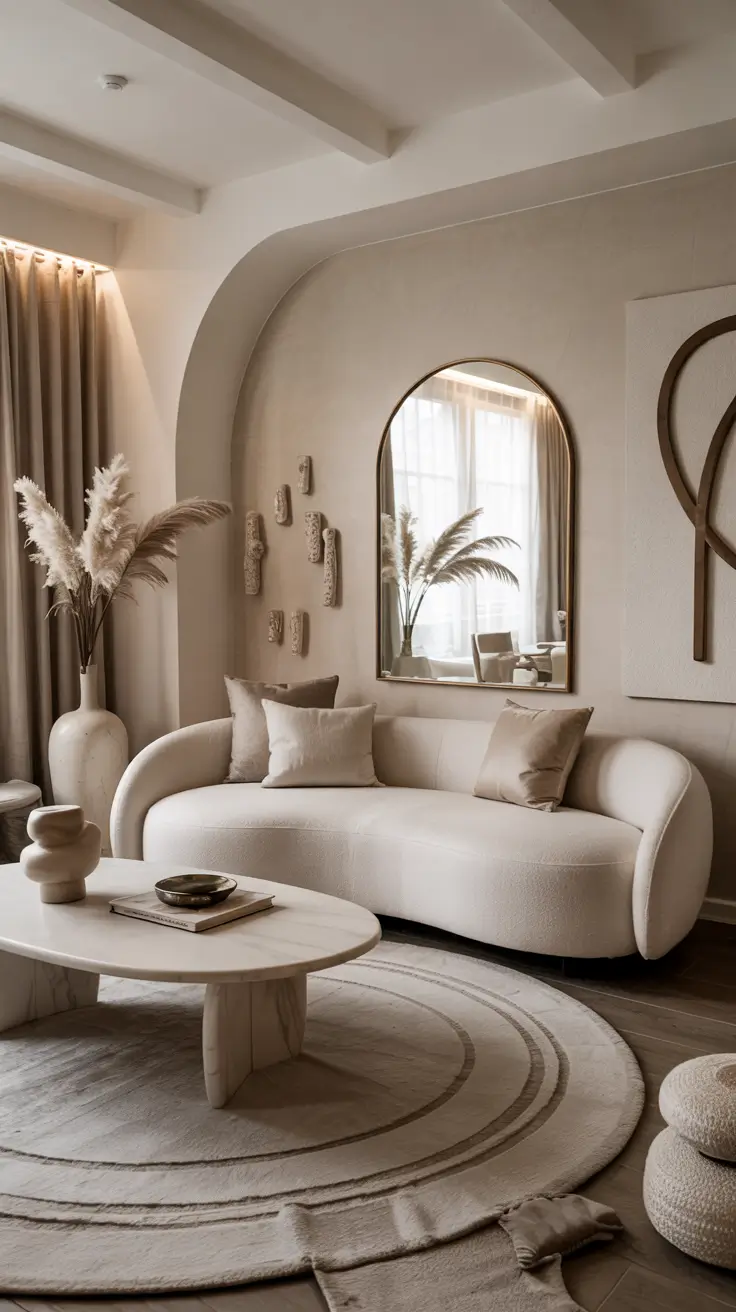
In practical terms, I would build this look with a rounded sofa, a curved accent chair, an oval coffee table, and a softly edged console. I also think arched mirrors, circular rugs, and gently sculpted table lamps help support the shape language of the room. These pieces matter because they keep the design feeling cohesive rather than making one statement item do all the work. I prefer upholstery with texture, such as bouclé, velvet, or woven linen, because soft fabrics make curved furniture feel even more intentional. In a living room, this direction connects naturally with home decor trends living room ideas that prioritize conversation, comfort, and better flow. Even a small curved side table can shift the mood of a room in a noticeable way.
From my perspective, curved furniture works best when it is mixed with restraint rather than used in every single element. I have noticed that rooms feel more mature when one or two rounded hero pieces are paired with simpler supporting items. Designers and shelter magazines often highlight the value of visual balance, and I agree with that approach because it prevents softness from becoming too theme-driven. I would not fill a room with only rounded pieces, since that can make the space feel repetitive instead of elevated. For me, the goal is to create a room that feels current and relaxed without losing structure. That balance is what makes this trend feel lasting rather than temporary.
To complete this section of the home, I would add layered lighting, a textured neutral rug, and one grounding element with a straighter line, such as a bookcase or streamlined cabinet. I also think the color palette matters because curved forms look especially strong in warm whites, sand, taupe, muted olive, or clay. Artwork with organic lines can help echo the furniture without making the room feel staged. If the space allows, I would include one oversized ceramic vase or a pedestal object to reinforce the sculptural mood. These additions keep the room from feeling empty while still preserving the softness that defines this idea. That is usually the difference between a room that simply follows a trend and one that feels thoughtfully finished.
12. Decor Accents That Instantly Make A Home Look Current In 2026
I think one of the easiest ways to update a room in 2026 is through decor accents that feel edited, tactile, and intentional. Small details now do more work than they did in older trend cycles because people want homes to feel personal instead of overly decorated. I see the current direction moving away from random fillers and toward pieces that add shape, texture, or atmosphere. That makes accents especially powerful for anyone who wants a visible update without replacing major furniture. Among the latest ideas in home decor trends in 2026, this is one of the most practical because it can be applied to nearly any budget or room size. It also works well across both modern and more traditional interiors.
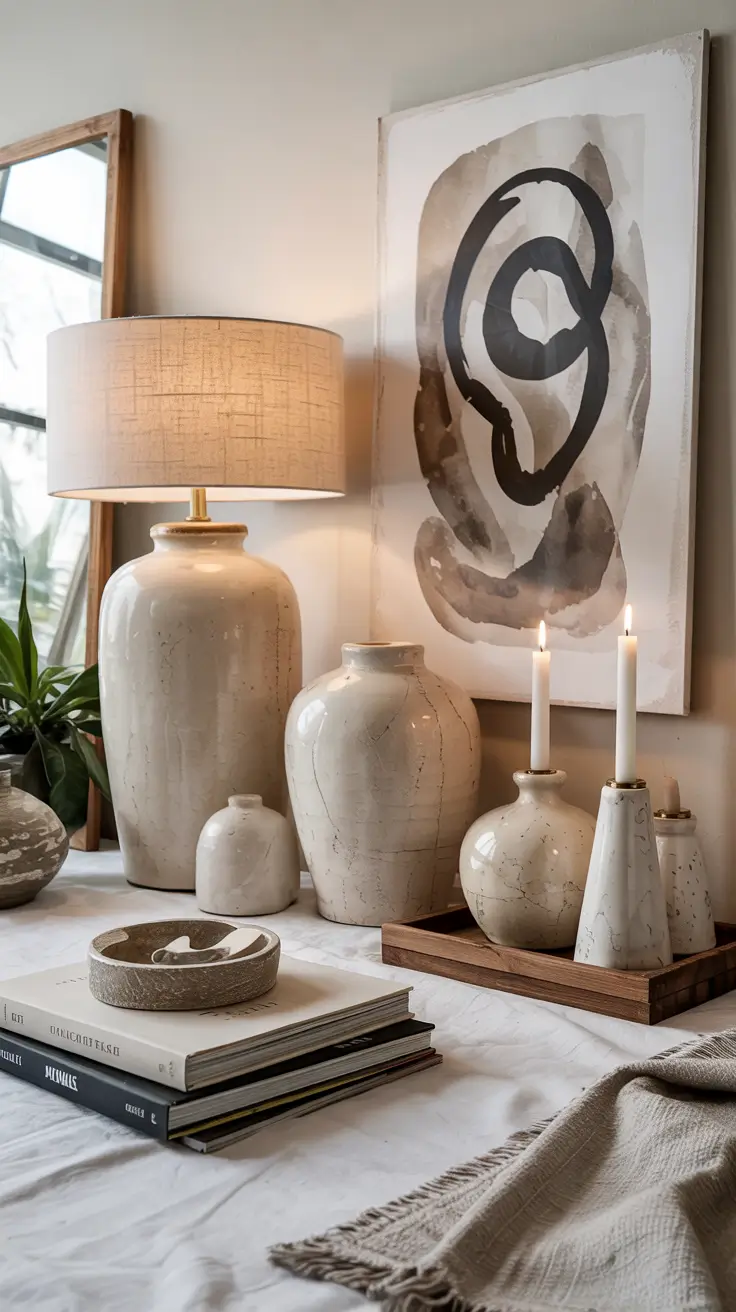
The accents I would choose include oversized ceramic vases, stacked art books, linen lampshades, framed abstract art, stone trays, candleholders, and handmade bowls. I also like decorative stools, sculptural table lamps, and textured throws because they offer both function and visual interest. These items should be selected with care, since too many unrelated accents can make a room feel cluttered very quickly. I usually recommend repeating one or two materials, such as wood and ceramic or brass and linen, so the styling feels connected. In many homes, this approach supports home decor trends for spring 2026 because it brightens the room without requiring a full redesign. A few thoughtful pieces often do more than a shelf full of decorative objects.
Personally, I think the best accents are the ones that look collected rather than perfectly matched. I have found that a room feels more sophisticated when every object has a clear visual purpose instead of being added just to fill empty space. Many respected design publications emphasize layered simplicity, and that advice makes sense to me because it creates interest without visual overload. I also believe scale matters more than people expect, since one larger vase or one bold lamp often looks stronger than several tiny accessories. When I style a room, I try to create moments that catch the eye without making the room feel busy. That is what makes a home feel fresh and current instead of simply decorated.
To strengthen this look, I would add one natural branch arrangement, a textured wall finish or framed textile, and a more thoughtful mix of heights on shelves and tables. I also think scent can be part of the experience, so candles or diffusers with subtle earthy notes can support the mood of the room. A well-placed mirror is another strong addition because it reflects light and helps the accents feel more integrated. If the room still feels flat, I would introduce one darker or deeper tone through a lamp base, object, or artwork. These finishing details help the styling feel complete while still staying relaxed. In my experience, this is one of the easiest ways to make a home feel new without making it feel temporary.
13. Home Decor Trends To Avoid If You Want A More Timeless Space
When I think about home decor trends to avoid, I focus less on what is fashionable for a moment and more on what tends to date a room too quickly. A timeless space usually has contrast, texture, and personality, but it avoids leaning too heavily on one hyper-specific look. I find that problems begin when every item in a room follows the same viral aesthetic or relies on exaggerated details that are hard to live with over time. This matters even more in 2026 because trend cycles move quickly and many rooms start to feel tired soon after they are finished. If someone wants a space that still feels strong beyond 2026 and even into 2027, restraint is often the smarter choice. For me, timelessness is not about playing it safe – it is about choosing elements with longer visual life.
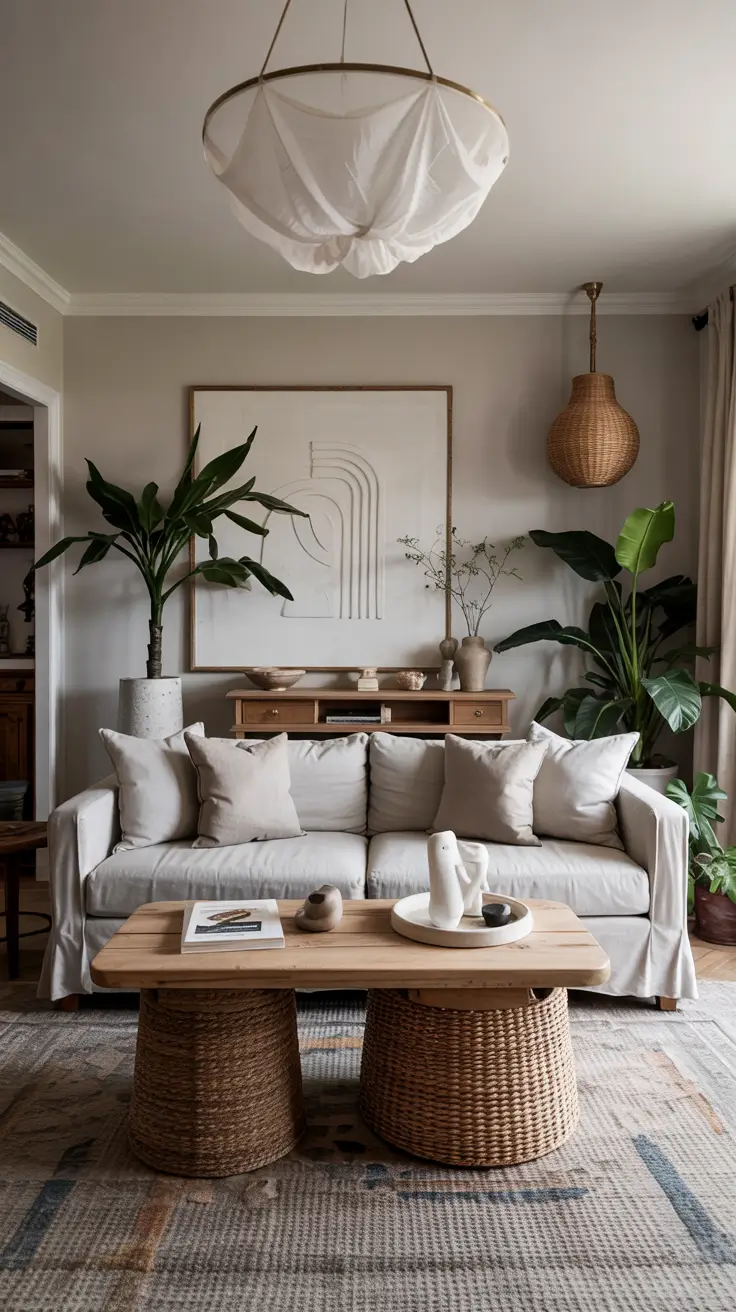
I would be careful with overly theme-based decor, furniture sets that match too perfectly, excessive neon lighting, and decorative objects that have no practical or emotional value. I would also avoid filling the room with trendy slogans, mass-produced statement pieces, or surfaces that feel too synthetic and flat. These choices can create a room that looks finished in photos but feels shallow in real life. I think it is much stronger to mix materials like wood, linen, stone, and metal in a quieter way. That mix gives the room depth and helps it age more gracefully. In a living room especially, a balanced base matters more than fast-moving statement trends.
In my own approach, I try to avoid making every decision based on what feels new at the moment. I have noticed that the most comfortable and convincing homes usually have a few trend-aware details layered onto a stable foundation. That foundation might include a well-shaped sofa, good lighting, neutral upholstery, and pieces with craftsmanship or texture. Designers often talk about investing in bones and editing the rest, and I think that advice remains relevant because it protects the room from quick visual fatigue. I do not believe timeless has to mean plain, but I do believe it should feel flexible enough to evolve. That flexibility is what keeps a room from becoming outdated too soon.
What I would add instead is a better sense of contrast, a more personal mix of old and new, and a stronger connection to how the room is actually used. I would also pay close attention to layout, because even beautiful pieces can feel wrong if the room flow is awkward. A timeless interior benefits from useful side tables, comfortable seating distances, layered textiles, and lighting at different heights. If a room already has trendy elements, I would keep them smaller and easier to change, such as pillows, objects, or art. That way the space can still reflect current taste without becoming locked into one specific moment. In my opinion, that is the most realistic way to create a home that feels lasting.
14. Outdated Looks That No Longer Feel Fresh Or Stylish In 2026
Some styles become outdated not because they are objectively bad, but because they stop responding to the way people want to live now. In 2026, I see many rooms moving away from overly rigid styling, harsh contrast without warmth, and interiors that feel designed more for display than daily comfort. Spaces that once looked polished can now feel cold or one-dimensional if they lack texture, softness, and variation. I think this shift explains why some once-popular looks no longer feel fresh. It is not just about visual change – it is about how the room performs emotionally and practically. That is why outdated choices stand out more clearly in the latest home decor trends.
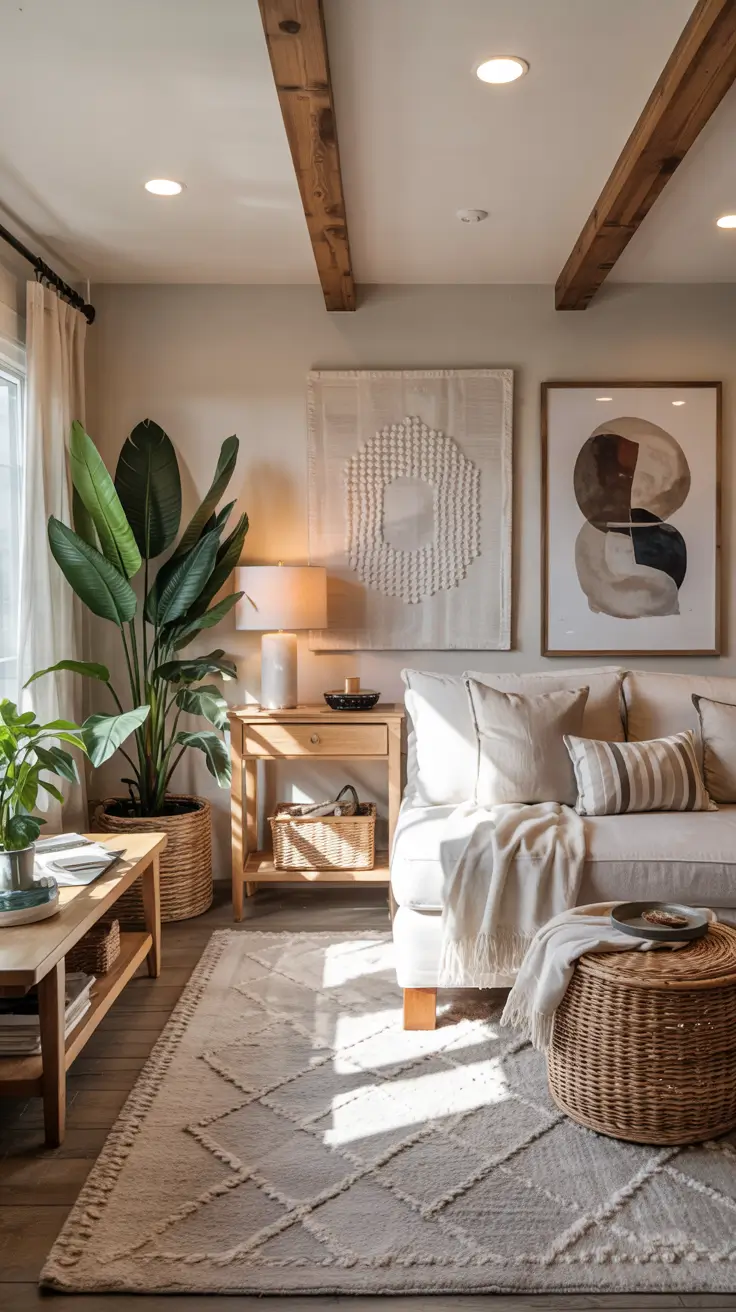
Among the looks I would move away from are overly gray interiors, all-white rooms with no texture, fast-furniture duplication, and decorative schemes built entirely around one internet aesthetic. I also think faux-luxury elements can make a room feel dated very quickly, especially when they rely on shine without substance. Heavy word art, identical matching decor sets, and lighting that feels too cold are other examples I would avoid. These choices often flatten the personality of a space instead of enriching it. In contrast, rooms feel more modern when they include tonal layering, softer lighting, natural materials, and better scale. Even swapping just a few outdated elements can change the mood of a room significantly.
I have found that the fastest way to refresh an outdated room is not always to replace everything. Often, I start by looking at what feels visually repetitive or emotionally flat, and then I change the most obvious pressure points. That might mean replacing a gray rug with a warmer textured one, removing generic wall decor, or introducing wood and fabric where the room feels too hard. I think this kind of editing is more useful than chasing a total reset. Many strong interiors evolve through subtraction just as much as through addition. That is a lesson I return to often when I want a room to feel more current without losing what already works.
To improve a space that feels stuck in an older look, I would add warmer neutrals, mixed materials, softer lamp light, and more varied silhouettes. I would also consider introducing one vintage or handmade piece because that often helps break the feeling of sameness. Window treatments, pillows, and artwork can also help shift the mood without requiring a major renovation. If the room still feels too flat, I would rethink the color temperature first, since cool gray tones are often part of the problem. These changes help a room move away from outdated styling and closer to the more lived-in, refined direction that feels new in 2026. In my experience, freshness usually comes from depth, not from excess.
15. What To Avoid When Updating Your Space With Modern Decor
When people start updating with modern decor, I think the biggest mistake is confusing modern with minimal to the point of discomfort. A room can be clean and contemporary without feeling empty, cold, or stripped of identity. I often see spaces lose their warmth because every choice is made in the name of simplicity rather than balance. In home decor trends spring 2026 and Spring summer 2026, the better modern rooms still feel light and fresh, but they also include softness and character. That is why I believe editing matters more than removing. A modern room should still support everyday living and not just visual clarity.
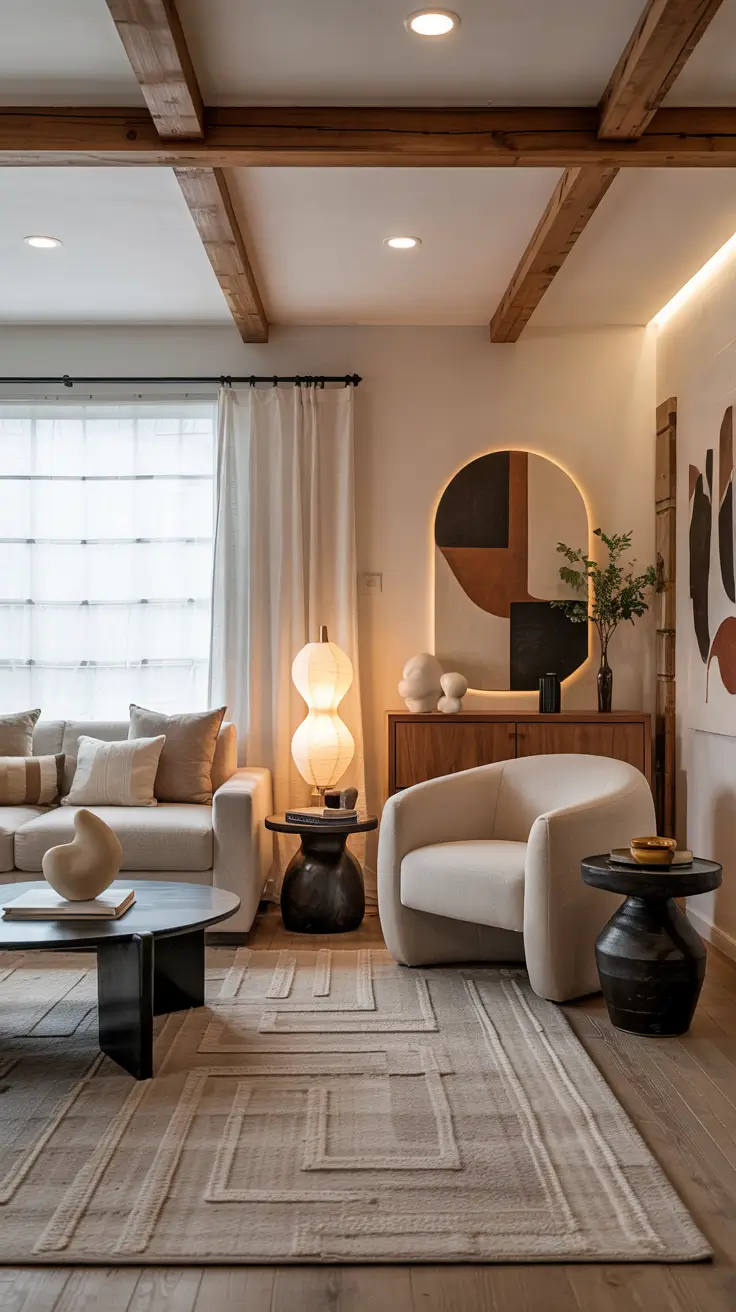
I would avoid furniture that is too low and impractical, lighting that is purely sculptural but ineffective, and decor that looks impressive but serves no purpose in daily life. I would also be careful with too much black-and-white contrast if the room does not have enough warmth from wood, textiles, or ambient lighting. In many cases, people update too fast and forget to think about storage, circulation, and comfort. A truly modern room still needs side tables in the right places, seating that feels supportive, and materials that soften the architecture. I think the most successful updates are the ones where style and use are working together. That is what keeps a room from feeling forced.
My own preference is to treat modern decor as a framework rather than a strict formula. I like cleaner lines, but I do not want the room to feel emotionally distant. Design guidance from respected interiors media often stresses warmth, layering, and livability, and I agree because those qualities keep modern rooms from becoming sterile. When I update a space, I usually leave room for one or two irregular or personal elements so the room still feels inhabited. That could be a textured vintage stool, handmade pottery, or a worn wooden bench. Those details give modern interiors the human quality they sometimes lack.
To make a modern update feel complete, I would add layered lighting, a mix of smooth and textured materials, and at least one softening element such as drapery, upholstery, or a large rug. I would also think carefully about color, because even a neutral modern room benefits from tonal warmth and depth. If the room feels too sharp, I would bring in rounded forms or a natural finish to calm it down. If it feels too plain, I would introduce one statement object with shape and presence instead of many small distractions. These finishing moves help modern decor feel grounded, useful, and visually strong. In my opinion, that is the difference between a room that is simply new and one that actually works.
16. Fall 2026 Home Decor Trends That Bring Depth And Cozy Elegance
In Fall 2026, I see a strong move toward interiors that feel grounded, layered, and emotionally warm rather than overly polished. Rooms are beginning to rely less on stark minimalism and more on depth created through color, material contrast, and soft visual weight. I notice that deeper neutrals, earthy browns, muted olive tones, clay accents, and smoky plum details give a home a richer atmosphere without making it feel dark or heavy. This direction works especially well for anyone who wants a space to feel elegant and relaxed at the same time. To me, this is one of the most practical home decor trends 2026 because it supports comfort while still looking refined.
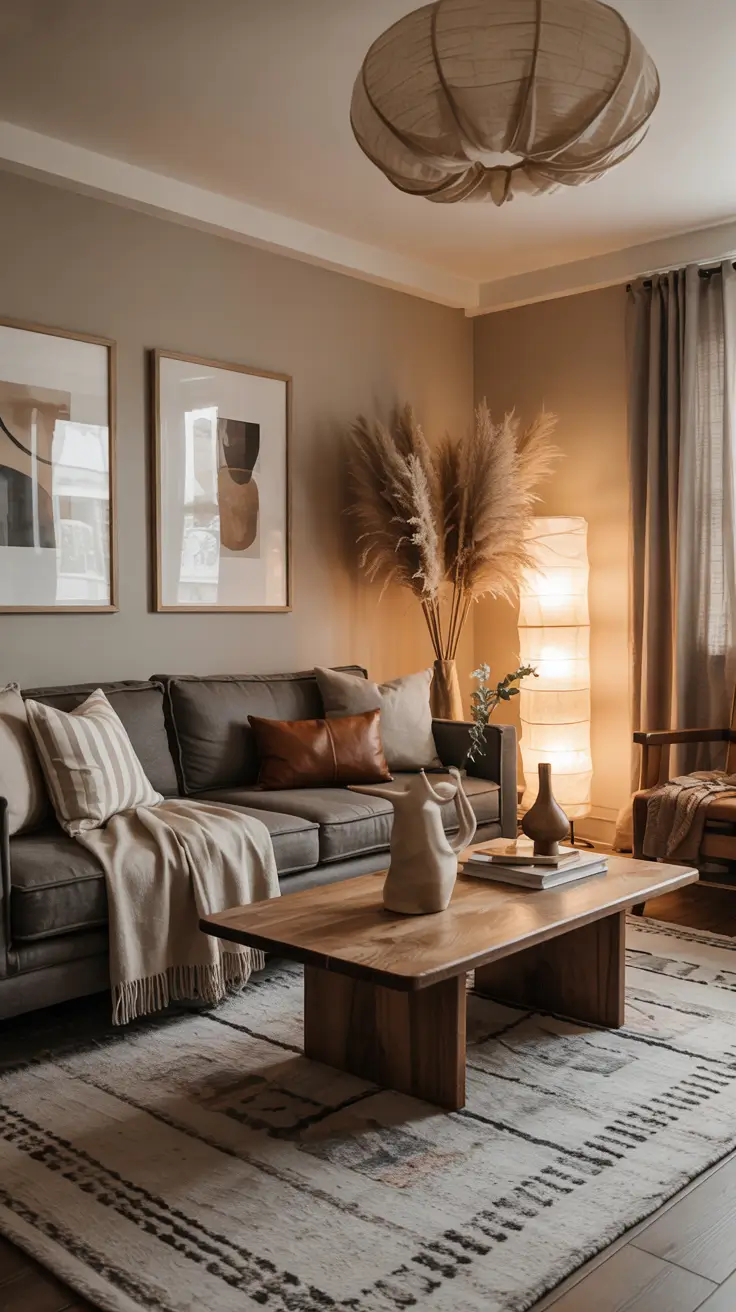
When I build this kind of room, I would start with a comfortable sofa in a textured fabric like boucle, brushed linen, or soft woven cotton in taupe, mushroom, or caramel. I would add a wood coffee table with a visible grain, a large rug with tonal variation, layered curtains, and upholstered accent chairs that soften the structure of the room. Lighting matters just as much, so I would include a table lamp with a ceramic base, a floor lamp with a fabric shade, and wall art that introduces subtle contrast rather than loud color. I also think decorative pillows, a wool throw, and handmade pottery help make the room feel complete without looking cluttered. These details create the cozy elegance people want from current interiors without relying on anything flashy.
From my perspective, the reason this look feels so strong is that it balances visual richness with everyday usability. I often find that rooms designed only for trend appeal start to feel impersonal very quickly, while layered rooms with natural materials tend to age better. Interior publications have repeatedly highlighted the return of warmer palettes and tactile finishes, and I agree with that direction because it makes a home feel more human. I personally prefer this approach over high contrast black-and-white styling, which can feel too sharp by comparison. For me, Fall 2026 looks best when elegance comes from restraint, texture, and warmth rather than obvious decoration.
To finish this section properly, I would add at least one vintage-inspired detail and one organic accent so the room does not feel too newly assembled. That could be an antique-look mirror, a weathered wood stool, a stone vase, or an aged brass tray placed in a natural way. I would also make sure there is enough soft lighting in the evening, because this trend depends heavily on how the room feels after sunset. If the space still looks flat, I would introduce another layer through a darker rug border, an extra textile, or fuller drapery. In my experience, the missing element in cozy elegant interiors is often not furniture but atmosphere. Once that atmosphere is present, the whole room feels more complete.
17. Seasonal Styling Ideas That Transition Beautifully From Spring 2026 To Fall 2026
One of the smartest ways I approach decorating is by choosing a base design that can move easily from Spring 2026 to Fall 2026 without a total reset. I think this idea is becoming more important as people want homes that feel refreshed seasonally but still consistent. Instead of decorating around very literal seasonal colors, I prefer a stable foundation made of light woods, neutral upholstery, soft wall tones, and versatile textiles. This creates a room that can feel airy in spring and layered in fall simply by changing accents. For me, this is one of the latest ideas that makes decorating feel easier and more intentional.
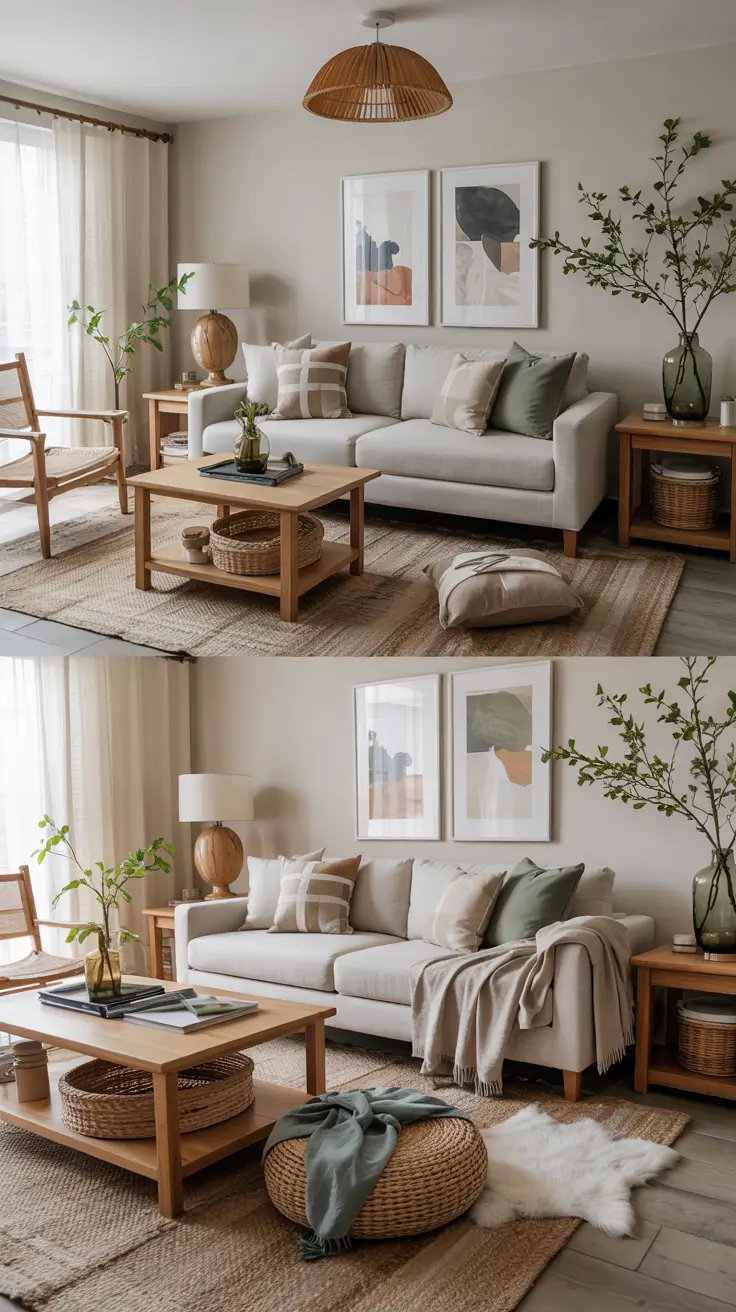
I would begin with foundational pieces that are seasonless, such as a cream or sand-colored sofa, a natural oak console, a woven rug, and simple linen curtains. In spring, I would bring in lighter accents like pale green, soft blue, muted peach, or botanical prints through pillows, vases, and table decor. As the year moves into fall, I would replace only the accent layer by adding rust, cinnamon, olive, deeper beige, and heavier fabrics like wool or brushed cotton. I also like to update coffee table styling, branch arrangements, and lamp shades to shift the mood without replacing major furniture. This method keeps the room visually current while avoiding waste and constant redecoration.
I have found that rooms transition best when the core pieces are selected with flexibility in mind from the beginning. Many people make the mistake of buying highly seasonal decor too early, and then the room feels mismatched only a few months later. I believe the better approach is to let the architecture and furniture stay calm while the accents carry the seasonal energy. That is also why I think some home decor trends to avoid are the ones that depend too much on novelty colors or themed accessories. A room should feel alive in different seasons, not locked into one short moment.
What I would add here is a stronger connection between textiles and natural elements so the seasonal transition feels even smoother. In spring, I would include lighter floral branches, woven baskets, and fresher scents, while in fall I would shift to dried stems, darker ceramics, and heavier throws. I would also pay attention to artwork because it can quietly anchor the seasonal mood without needing to be replaced. A room like this benefits from art with organic tones that work across multiple seasons. If something still feels unfinished, I would usually add one grounding element such as a darker side table or a slightly deeper rug tone. That single change can make a room feel settled from one season to the next.
18. Decor Pieces That Will Still Look Relevant Moving Into Spring 2027
When I choose decor for a home, I always ask whether it will still look right a year from now. That question matters even more now because so many fast trend cycles can make a room look outdated long before 2027 arrives. I think the decor pieces that will last into Spring 2027 are the ones with shape, texture, and craftsmanship rather than obvious trend coding. Sculptural ceramics, framed textile art, elegant lamps, timeless mirrors, and organic decorative objects all fit into this category. These pieces continue to feel relevant because they support the room instead of trying to dominate it.
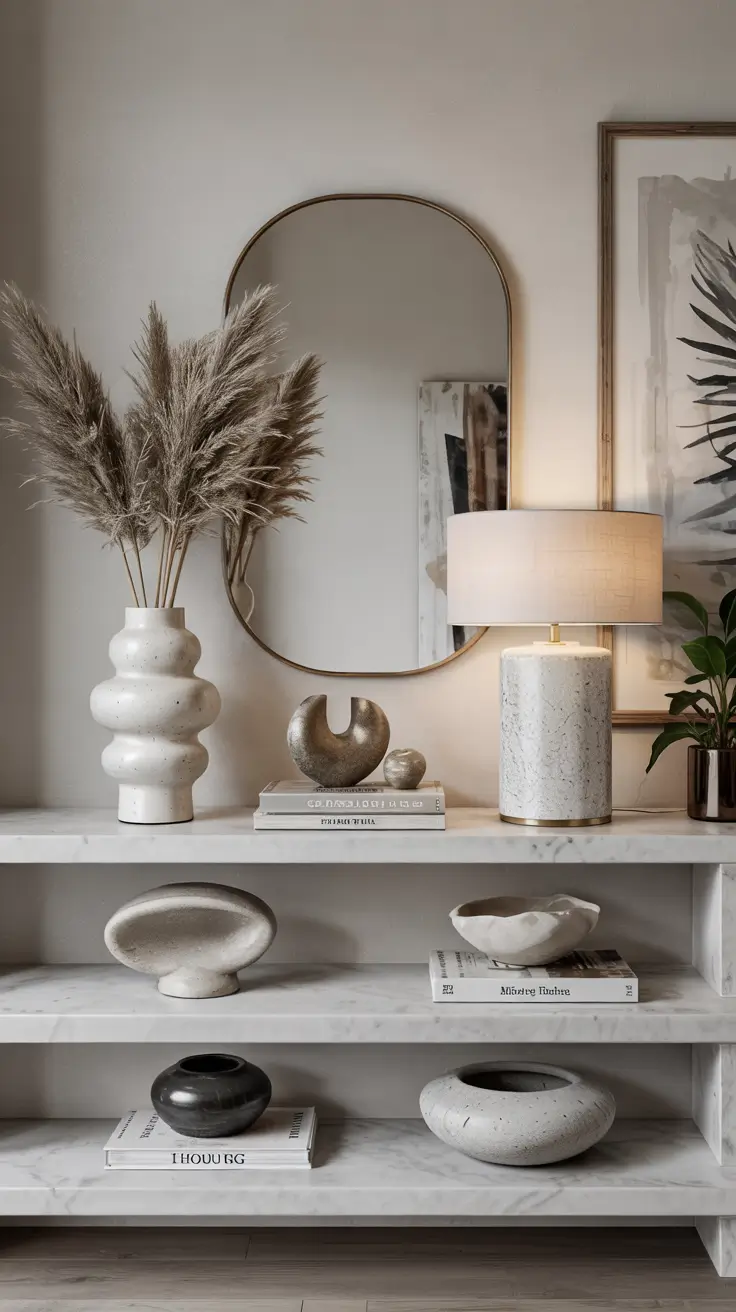
If I were styling a room for longevity, I would include a few larger-scale decor pieces rather than many small accessories. A tall ceramic vase, a sculptural table lamp, a textured wall panel, or a rounded mirror can give the room identity without creating visual noise. I would also choose trays, bowls, candleholders, and book stacks in finishes like stone, wood, glass, and brushed metal because these materials move easily across changing trends. For shelves and consoles, I prefer objects with variation in height and surface texture so the composition feels layered but calm. In my experience, fewer pieces with a stronger presence usually age better than lots of small decorative items.
I personally think relevance in 2027 will come from emotional durability as much as visual style. A piece stays in a room longer when it still feels satisfying to live with every day, not just impressive in a photo. That is why I prefer decor that feels tactile, balanced, and quietly distinctive. I have noticed that media coverage around interiors increasingly values authenticity, artisan influence, and natural imperfection, and I think that is a healthy direction. It encourages people to decorate with meaning instead of copying a look too literally.
To strengthen this type of space, I would add decor that supports how the room is actually used rather than only how it appears. That could include a beautiful storage box, a handmade bowl that holds daily items, or a bench that adds both style and function. I would also make sure the decor has enough empty space around it so each piece can be appreciated properly. When everything is crowded together, even good decor starts to lose impact. If the room still needs something, I would usually introduce one softening detail such as a linen runner, a textured shade, or a simple arrangement of branches. Those additions help the space feel complete without forcing a trend statement.
19. Early Home Decor Trends 2027 That Are Already Starting To Appear
Some of the most interesting design shifts begin quietly, and I think that is exactly what is happening with early home decor trends 2027. I am starting to see interiors move toward a more personal, collected, and expressive kind of refinement. Instead of spaces that look perfectly edited to match one style label, rooms are beginning to blend soft modern furniture with vintage accents, handmade pieces, and more individual color choices. This makes interiors feel more relaxed and lived in while still staying elegant. To me, that is one of the most promising new directions already appearing at the edge of 2026.
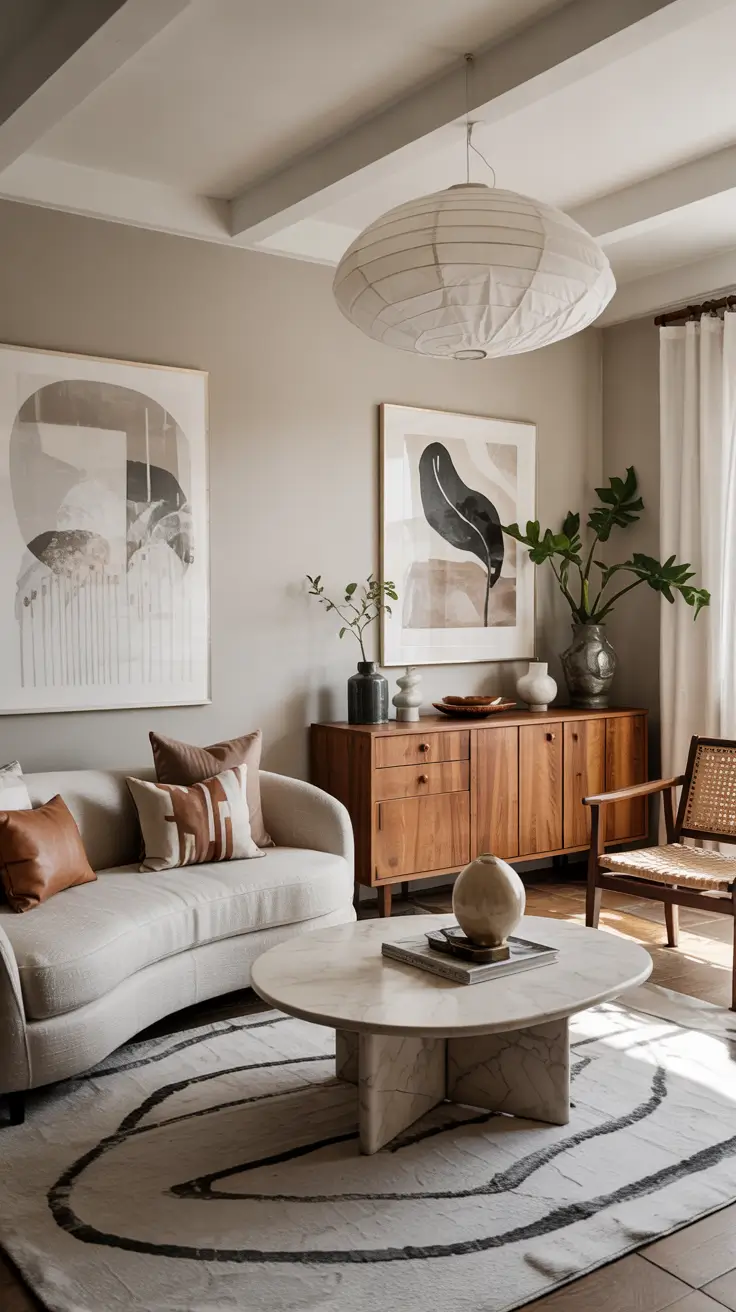
In furniture and styling, I see curved silhouettes continuing, but with less emphasis on novelty and more focus on comfort and permanence. I would expect to include rounded sofas, lower-profile lounge chairs, natural wood sideboards, warm metallic details, and statement lighting with a sculptural shape. I also think patterned textiles will return in a quieter way through stripes, subtle florals, and artisanal motifs rather than loud prints. Decorative layering is becoming more individual too, with books, collected objects, and art arranged in a way that feels personal rather than staged. This is how I would build a room that hints at 2027 without abandoning the current mood of the present.
What I like most about these early 2027 shifts is that they feel more forgiving and more human. For a while, many interiors seemed to aim for perfect visual control, but I think people now want rooms with more personality and warmth. I respond strongly to that change because a home should reflect taste and memory, not just trend awareness. Some of the outdated looks I would avoid are overly sterile rooms, furniture that feels too sculptural to use comfortably, and decor that exists only for visual effect. I believe the next stage of design will reward thoughtfulness more than perfection.
To make this trend work well, I would add contrast between old and new so the room does not become too soft or overly nostalgic. A contemporary sofa paired with a vintage-inspired chest, a modern lamp next to a traditional framed print, or new upholstery beside an older wood finish can create the right tension. I would also pay close attention to scale because collected rooms can easily feel crowded if every piece competes for attention. The missing ingredient is usually editing, not more decoration. Once the best pieces have space to stand out, the room starts to feel naturally sophisticated.
20. How Art, Lighting, And Accessories Are Changing In 2026 And 2027
Art, lighting, and accessories are changing in a way that feels more emotional and more architectural at the same time. In 2026 and moving toward 2027, I see less interest in generic wall filler and more emphasis on pieces that shape the tone of a room. Art is becoming softer, larger, and more atmospheric, while lighting is becoming more sculptural and layered. Accessories are also shifting away from mass sameness and toward pieces that feel handmade, textural, or personally selected. This combination has a strong influence on home decor trends living room design because these elements often determine whether a room feels flat or finished.
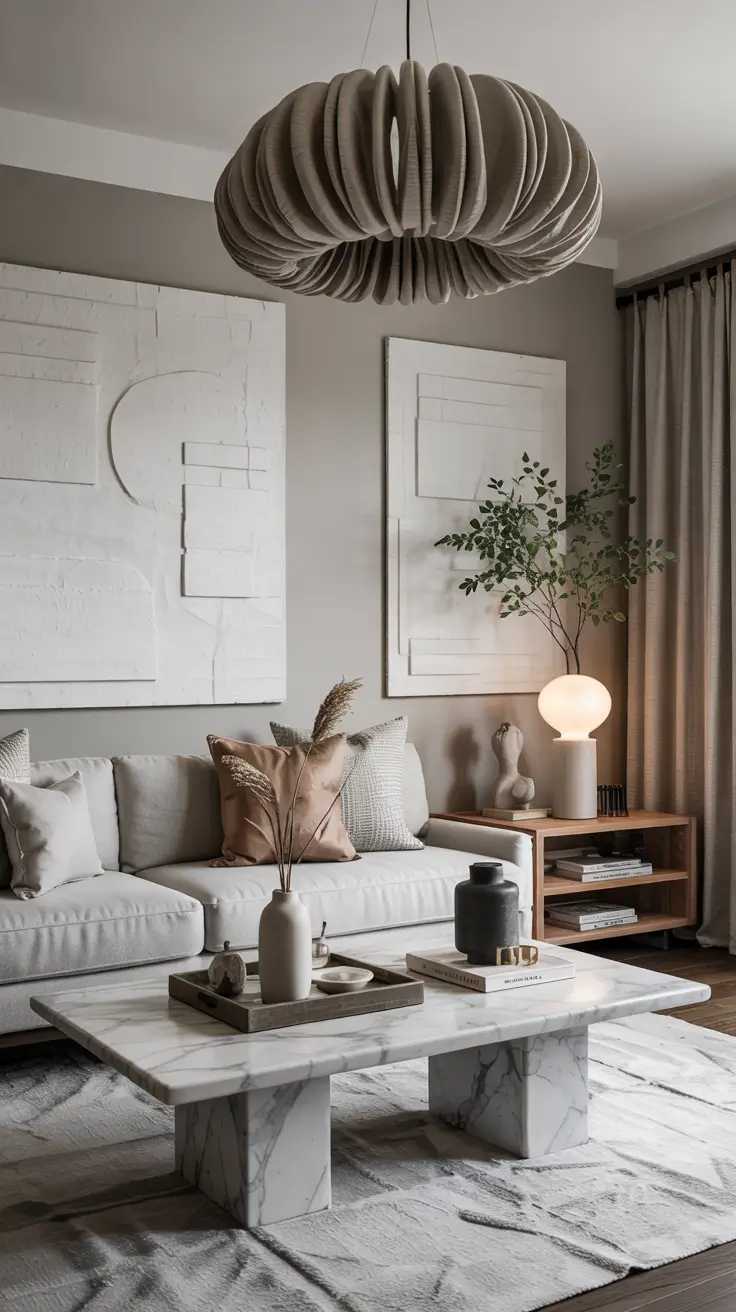
If I were styling a room with this shift in mind, I would start with one meaningful oversized artwork or a carefully arranged group of smaller pieces with a shared palette. For lighting, I would combine overhead light, task light, and ambient light through pendants, table lamps, sconces, and maybe a floor lamp with a soft fabric shade. I would also use accessories selectively, focusing on bowls, books, vessels, candleholders, and trays that bring material contrast to the room. I think stone, smoked glass, ceramic, linen, and aged metal are especially effective because they add depth without too much visual noise. Each object should help the room feel more complete, not simply more decorated.
I have always believed that these finishing elements are where a room becomes memorable. A good sofa or rug can create the base, but art and lighting are what give a space feeling, rhythm, and identity. I also think design advice from respected magazines often gets this right when they emphasize layered lighting and intentional styling over excessive accessorizing. In my own experience, rooms improve dramatically when I reduce random decor and replace it with fewer, stronger pieces. That change makes the space feel calmer and more sophisticated almost immediately.
What I would still add to this section is a reminder that scale and placement matter as much as the pieces themselves. Art hung too high, lamps that are too small, or accessories grouped without variation can weaken even a beautiful room. I would make sure every decorative element has a relationship to the furniture around it so the room feels connected. I would also leave some surfaces partly open because visual breathing room is part of modern styling now. When that balance is right, the whole space feels more current, more personal, and much more timeless.
21. Small Yet Powerful Updates That Make Home Decor Trends 2026 Easy To Try
I see one of the biggest shifts in home decor trends 2026 as a move toward small changes that have a strong visual effect without requiring a full renovation. In many homes, the easiest update starts with texture, scale, and color balance rather than replacing every major piece. I notice that even one new lamp, a softer rug, or a more sculptural side table can change how a room feels from the moment you enter it. This approach works especially well for anyone who wants to follow current design ideas without making the room feel temporary. It also helps a space stay flexible as trends continue to evolve through Spring 2026 and Fall 2026. I prefer this method because it lets the room develop gradually and still feel intentional.
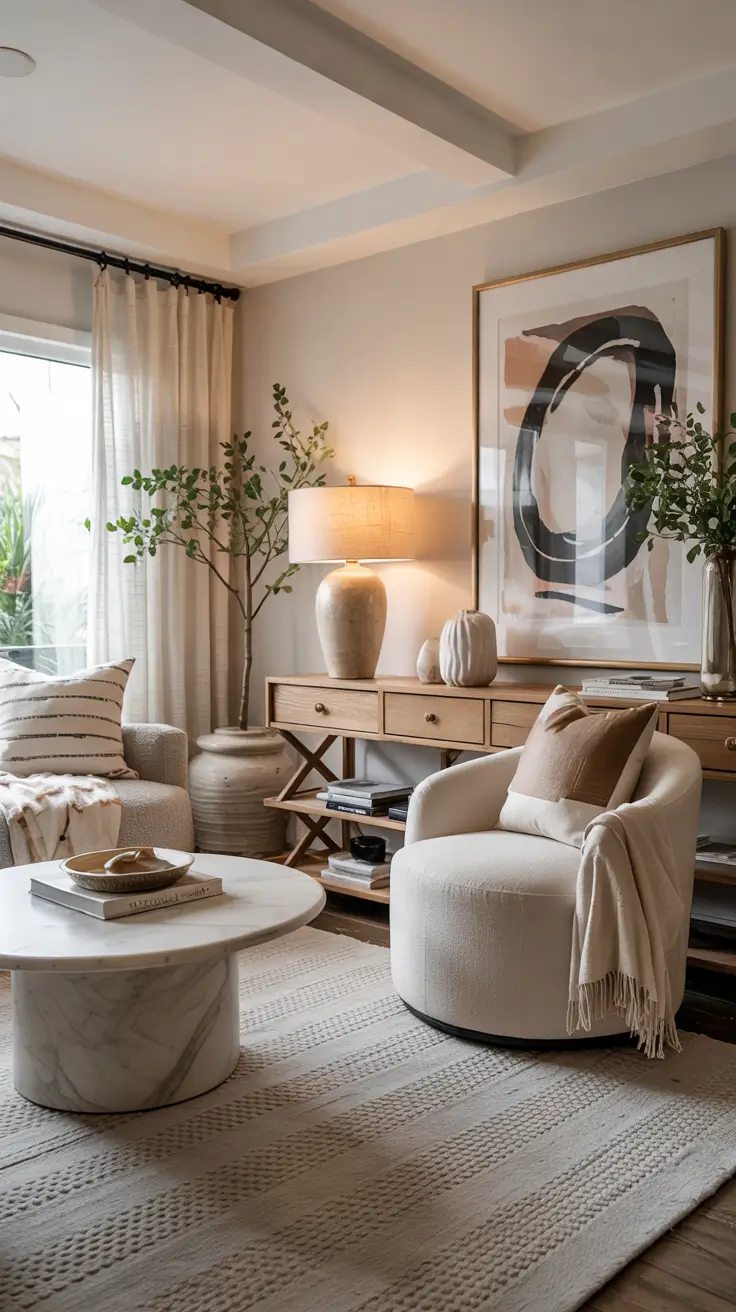
When I build this type of update, I usually focus on a few key elements that give the room a more modern and finished look. I would add a textured area rug, a table lamp with a ceramic or linen base, a curved accent chair, and layered neutral textiles because these pieces instantly soften the space. I also like to include a large framed artwork piece or an oversized mirror, since vertical styling can make the room feel more designed without adding clutter. Decorative objects should stay selective, so I would use a tray, a stack of books, and one organic-shaped vase rather than many tiny accessories. In a home decor trends living room setup, this kind of editing makes the room feel lighter and more curated. I find that these details are often what separate a room that feels current from one that feels unfinished.
In my experience, this is one of the safest ways to try the latest style directions while still respecting the home you already have. I often return to advice shared by major interior publications that emphasize layering, contrast, and comfort over strict trend copying, and I agree with that approach. A room usually looks better when it reflects a lifestyle first and a trend second. That is why I rarely recommend rushing into highly specific statement pieces unless they truly match the architecture and mood of the home. I think 2026 is rewarding people who know how to refine rather than overdecorate. The result feels more personal, more lived in, and much easier to maintain over time.
What I would still add to this space is one meaningful accent that creates a focal point and gives the room more identity. That could be a vintage stool, a bold cushion in a muted room, or a small side table with an unexpected finish. I would also check the lighting temperature, because even the best styling can fall flat under harsh or cool light. Window treatments are another detail I would not skip, since softer fabric panels immediately improve the atmosphere. If the room feels too plain, I would introduce one natural material such as wood, rattan, stone, or brushed linen. These small additions complete the look without making it feel forced. I find that this is exactly the kind of practical styling that makes new decor ideas feel usable in everyday life.
22. How To Mix Latest Trends With Personal Taste For A Balanced Home
I believe the most successful interiors in 2026 are the ones that mix trend awareness with a clear personal point of view. A balanced home does not need to follow every new direction, and I think that is an important idea to remember as people search for the latest decor inspiration. Many rooms start to feel confused when every surface tries to say something different at once. Instead, I like to choose one or two trend-driven updates and place them inside a room that already reflects the owner’s habits and preferences. This creates a calmer result that can grow with the seasons, from Spring summer 2026 into later updates. It also helps avoid the common mistake of creating a room that looks impressive online but uncomfortable in real life.
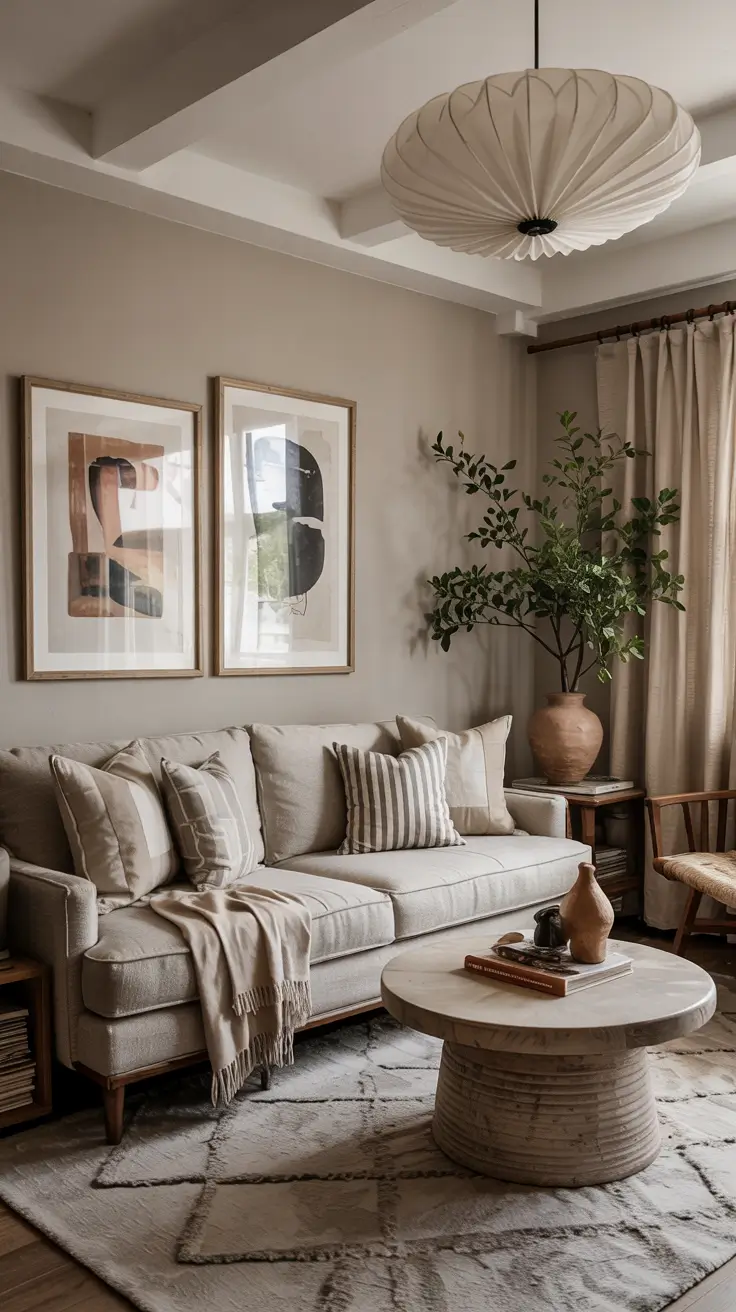
To make this work, I usually start with core furniture that feels timeless and then build around it with newer details. A comfortable sofa, a solid coffee table, practical storage, and well-scaled seating should come first because these pieces shape how the room actually functions. After that, I might bring in trending accents such as fluted wood, handmade pottery, earthy paint colors, mixed metals, or softly sculptural lighting. I find that these details are enough to connect the room to home decor trends for 2026 without making it look overly styled. If someone loves traditional pieces, I would keep them and simply update the textiles, wall color, or accessories around them. This kind of editing makes the room feel real, layered, and connected to the person living in it.
From my perspective, personal taste becomes even more important as trends move faster from one season to the next. I have seen many beautiful spaces lose their charm when they are designed only to match a moment instead of a person. Well-known interior editors often talk about building a home slowly, and I think that advice is especially useful now. A room should not feel like a showroom unless that is truly the intention. I prefer spaces that show memory, routine, and comfort, because they age better and remain interesting longer. In that sense, the most current decision is often to be selective instead of trying everything at once.
What I would add here is a stronger sense of editing through color and repetition. If the room includes too many materials or tones, I would narrow them down so the space feels more connected. I would repeat one wood tone, one metal finish, and one accent color in several places to keep the eye moving naturally through the room. Art is also something I would include more deliberately, because it often holds the personality that trend pieces cannot provide. Even one personal print or meaningful object can make the room feel grounded. To me, that is what turns a fashionable room into a balanced home.
23. The Best Home Decor Trends For 2026 To Try Now And Keep Later
When I look at the strongest design directions for 2026, I see a clear preference for trends that feel adaptable rather than disposable. The best ideas are the ones that can look fresh now and still work later with only minor updates. This is why I pay close attention to materials, shapes, and room mood instead of focusing only on novelty. In my view, warm minimalism, layered natural texture, softer silhouettes, and functional decor are some of the most reliable directions right now. These ideas fit comfortably into both modern and classic homes, which is one reason they feel less risky. They also connect well to home decor trends spring 2026 while still having enough depth to move into 2027.
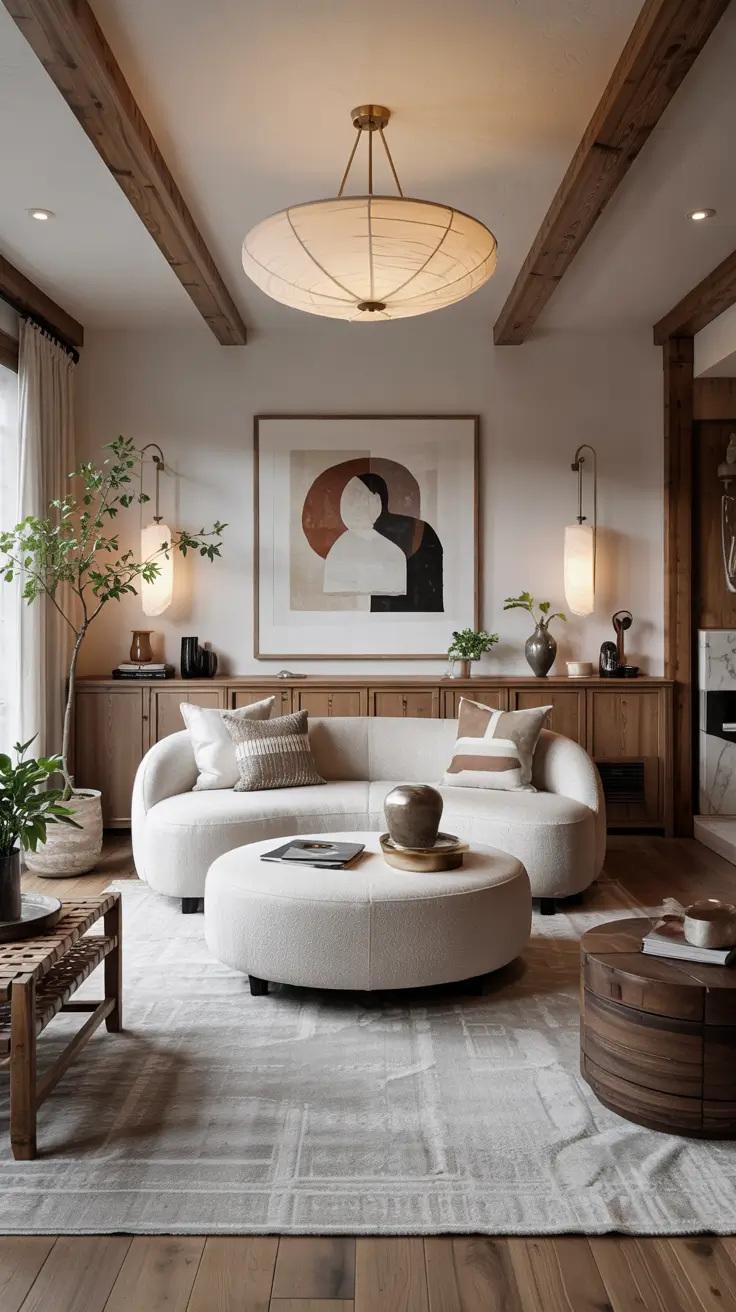
I would include low-contrast color palettes, natural wood finishes, textured upholstery, statement lighting, and practical decorative storage as the foundation of this look. These elements work because they are attractive without depending on one seasonal color story or one highly specific theme. In living rooms, I think curved sofas, deep lounge chairs, and larger rugs continue to matter because they help the room feel inviting and finished. In dining spaces, I would use simple but sculptural chairs, soft lighting, and a centerpiece with natural form rather than formal decoration. In bedrooms, I would apply the same idea through padded headboards, layered bedding, and warm wood nightstands. Altogether, these choices create the kind of home that feels current, useful, and easy to live in.
I also think this is where people should separate meaningful trends from outdated habits that no longer serve the space. One of the home decor trends to avoid is filling a room with purely decorative pieces that add no comfort, storage, or visual clarity. Another outdated approach is matching everything too perfectly, because that can make the room feel flat and less human. I prefer a little contrast, a little history, and a little softness, because those qualities help a home feel complete. Design media in the US has increasingly highlighted lived-in elegance over rigid perfection, and I agree with that shift. For me, the most successful rooms in 2026 feel polished but never stiff.
What I would still add to these rooms is something tactile and something unexpected. A room built on long-lasting trends still needs a moment of visual surprise, such as a bold lamp, an unusual vintage find, or a richer accent color in a quiet palette. I would also make sure there is enough softness through curtains, cushions, and fabric layering, because clean lines can feel cold without that balance. Scent, lighting, and how a room sounds also matter more than people expect, so I would think beyond furniture alone. If the space already looks good but does not feel relaxing, I would adjust those sensory details first. That is often what helps a home stay beautiful not only now, but later as styles continue to change.