Are you looking to refresh your outdoor space with stylish and functional outdoor furniture for summer? Do you want to understand how summer house outdoor furniture and modern trends can transform your patio into a relaxing retreat? In this article, I will explore how outdoor furniture summer design is evolving in 2026, including the influence of summer classics outdoor furniture and the growing importance of summer cushions outdoor furniture. I will guide you through practical ideas that combine comfort, durability, and aesthetic appeal while highlighting timeless Classics that elevate any House exterior.
1. Summer House Outdoor Furniture Ideas For Stylish 2026 Living
I approach summer outdoor design by focusing on how the entire space feels when viewed as one cohesive environment. A well-designed patio or terrace should feel like an extension of the interior, blending textures, materials, and colors. When working with summer house outdoor furniture, I prioritize layouts that encourage both relaxation and social interaction. Open seating arrangements paired with greenery and soft lighting create a welcoming and functional outdoor room. I find that neutral tones combined with natural materials help maintain a timeless and modern look.
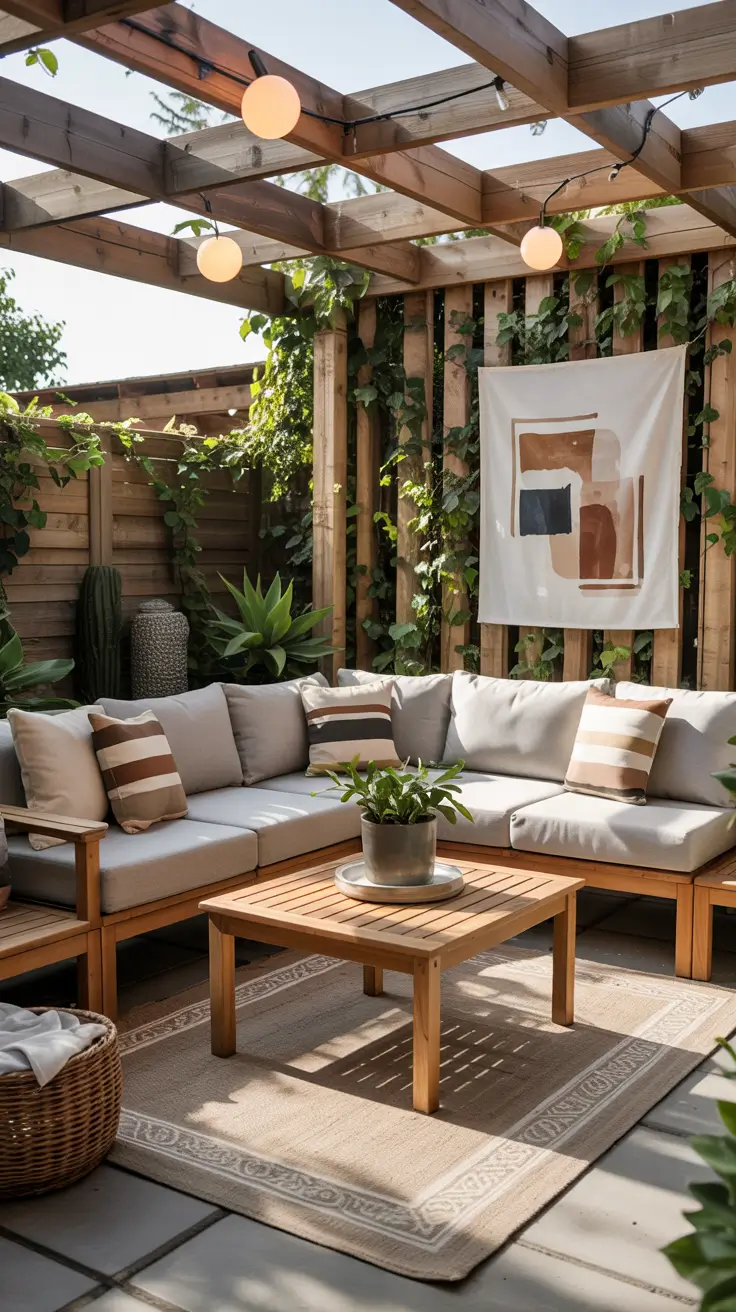
When selecting furniture, I recommend starting with a comfortable sectional or lounge set, ideally made from weather-resistant materials such as teak or powder-coated aluminum. I often add a central coffee table and complement it with accent chairs to create balance. Incorporating summer cushions outdoor furniture enhances comfort while allowing flexibility in color schemes. Outdoor rugs and layered lighting such as lanterns or string lights help define the space. Each piece should serve both a functional and aesthetic purpose.
In my experience, designers featured in publications like Architectural Digest often emphasize the importance of creating zones within outdoor spaces. I apply this principle by dividing areas for dining, lounging, and relaxation. This approach not only improves usability but also makes the space visually structured. I personally find that adding subtle decorative elements like planters or sculptural pieces elevates the overall design. It creates a curated look without overwhelming the environment.
To enhance this setup further, I would include shade solutions such as pergolas or large umbrellas. I also recommend integrating storage options to keep cushions protected when not in use. Adding outdoor heating elements can extend usability into cooler evenings. These additions ensure the space remains practical and enjoyable throughout the entire season.
2. Summer Classics Outdoor Furniture Trends You Need To Know
In 2026, I notice a strong shift toward timeless elegance inspired by summer classics outdoor furniture. These designs focus on durability, craftsmanship, and understated luxury. I often see a blend of traditional silhouettes with modern finishes, creating pieces that feel both familiar and fresh. The goal is to design spaces that remain relevant for years rather than following short-lived trends. This approach aligns perfectly with the concept of Classics in outdoor living.
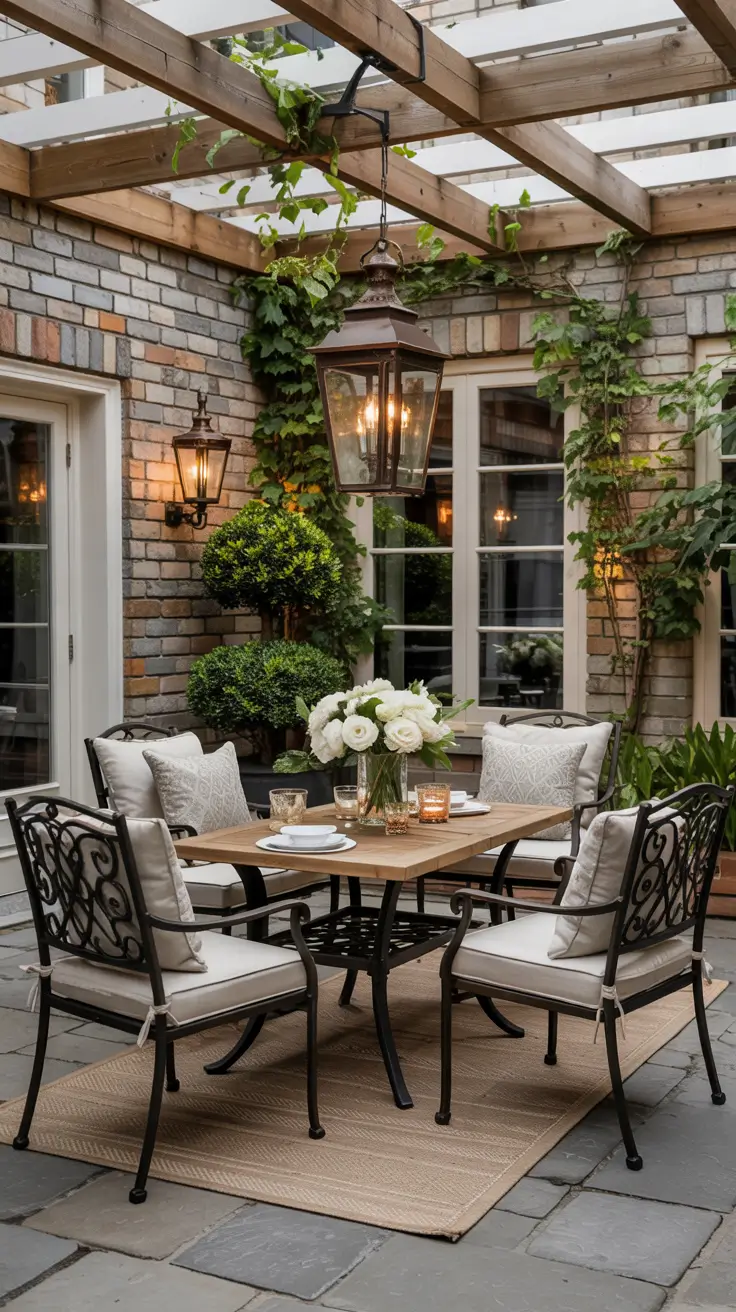
When choosing furniture in this category, I focus on high-quality materials such as wrought iron, teak, and premium wicker. These materials not only withstand weather conditions but also develop character over time. I like to pair classic frames with updated fabrics and Cushions in contemporary colors. This combination keeps the design current while preserving its timeless foundation. Accessories such as side tables and elegant lighting fixtures further enhance the look.
From my perspective, many well-known designers recommend investing in fewer but higher-quality pieces. I completely agree with this philosophy because it ensures longevity and reduces the need for frequent replacements. I have personally found that classic furniture styles adapt easily to changing decor trends. This flexibility makes them a smart long-term choice for any outdoor space.
To improve this section, I would add guidance on maintenance practices for classic materials. Including care tips helps readers protect their investment. I would also suggest incorporating seasonal styling ideas to keep the space fresh. These additions provide a more complete understanding of how to maintain and evolve the design.
3. Best Outdoor Furniture For Summer Comfort And Relaxation
Comfort is always my top priority when selecting outdoor furniture for summer. A well-designed outdoor space should invite you to relax for extended periods without discomfort. I focus on ergonomic seating, breathable materials, and thoughtful layouts. Soft textures combined with supportive structures create an ideal balance between style and usability. This approach ensures that the space feels inviting throughout the day.
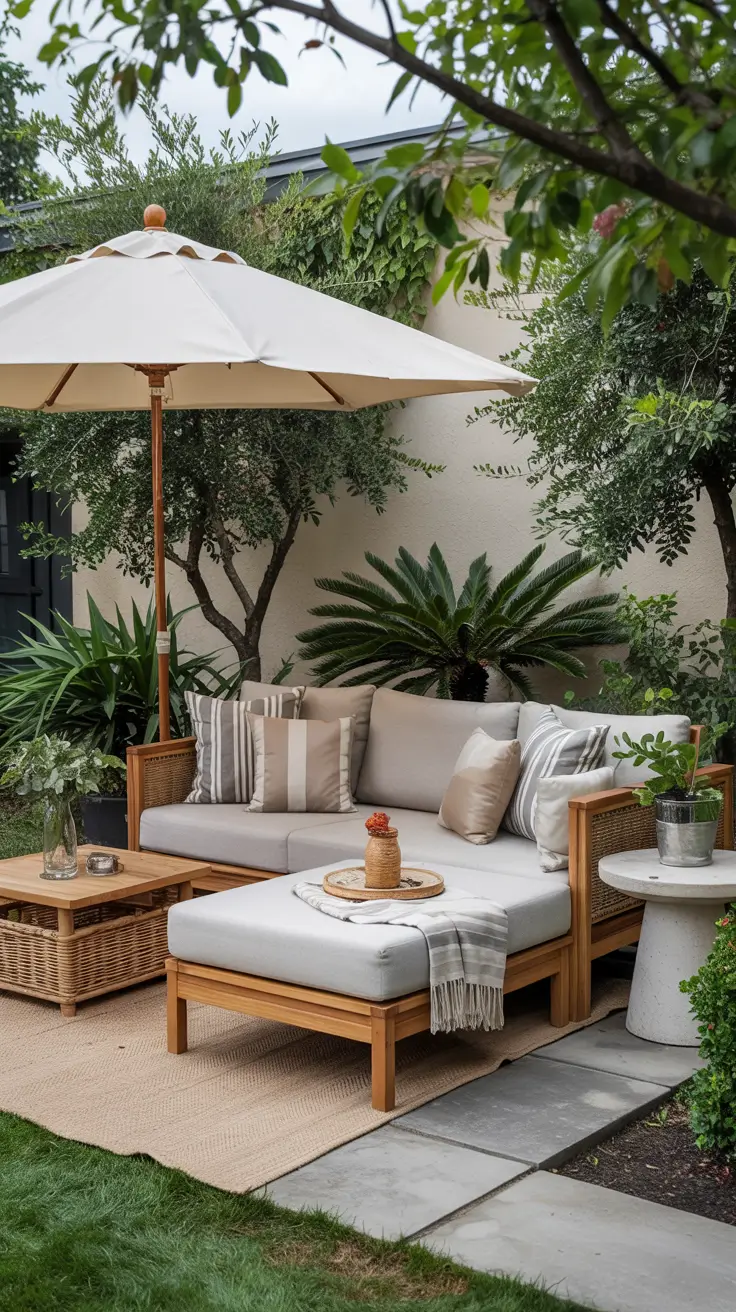
I typically recommend deep seating sofas, chaise lounges, and adjustable recliners for maximum comfort. Adding summer cushions outdoor furniture significantly enhances the seating experience. I also include side tables within easy reach to improve convenience. Shade elements such as umbrellas or canopies are essential to protect against direct sunlight. These details collectively create a relaxing and functional environment.
In my experience, comfort is not only about physical support but also about ambiance. I often incorporate calming elements such as soft lighting, water features, or natural greenery. Design experts frequently highlight the importance of sensory balance in outdoor spaces. I have found that when all these elements work together, the space becomes truly enjoyable. It transforms from a simple patio into a personal retreat.
To further improve comfort, I would add recommendations for weather-resistant fabrics and easy-to-clean materials. Including tips on arranging furniture for airflow can also enhance usability. I would also suggest integrating portable elements that allow flexibility. These additions make the design more adaptable to different needs.
4. Outdoor Furniture Summer Design Trends For Modern Spaces
Modern outdoor design in 2026 emphasizes simplicity, clean lines, and functional elegance. When working on outdoor furniture summer concepts, I focus on creating uncluttered spaces that feel open and airy. Neutral palettes combined with bold accents define the overall aesthetic. I find that minimalism works particularly well in outdoor environments. It allows natural surroundings to become part of the design.
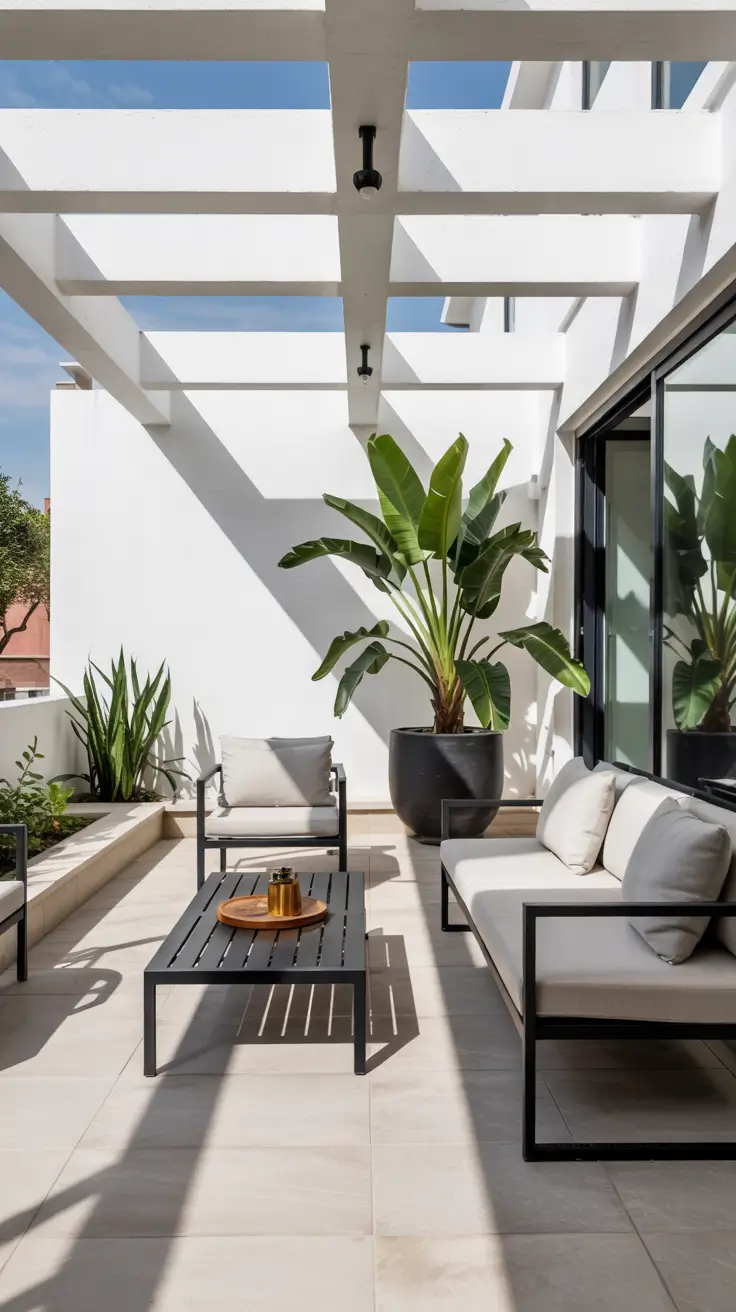
Furniture selection plays a key role in achieving this look. I often choose sleek metal frames, modular seating, and low-profile tables. These elements create a streamlined appearance while maintaining comfort. Adding textured fabrics and Cushions introduces warmth without disrupting the minimalist style. I also incorporate subtle decor such as sculptural planters or geometric lighting fixtures.
From my perspective, modern design is about intentional choices rather than quantity. Many design publications emphasize the importance of negative space. I apply this concept by avoiding overcrowding and focusing on a few impactful pieces. I have noticed that this approach enhances both visual appeal and functionality. It creates a calm and sophisticated outdoor setting.
To complete this design, I would include smart outdoor technology such as integrated lighting or sound systems. I would also suggest experimenting with contrasting materials for added depth. Including guidance on color coordination could further enhance the section. These additions help readers achieve a more refined modern look.
5. Summer Classics Outdoor Furniture Wicker Styles That Elevate Patios
Wicker continues to be a dominant material in summer classics outdoor furniture wicker designs. I appreciate how it combines traditional charm with modern durability. In 2026, wicker furniture is more refined, featuring cleaner lines and improved weather resistance. I often use it to create inviting and cozy patio environments. Its texture adds visual interest without overwhelming the space.
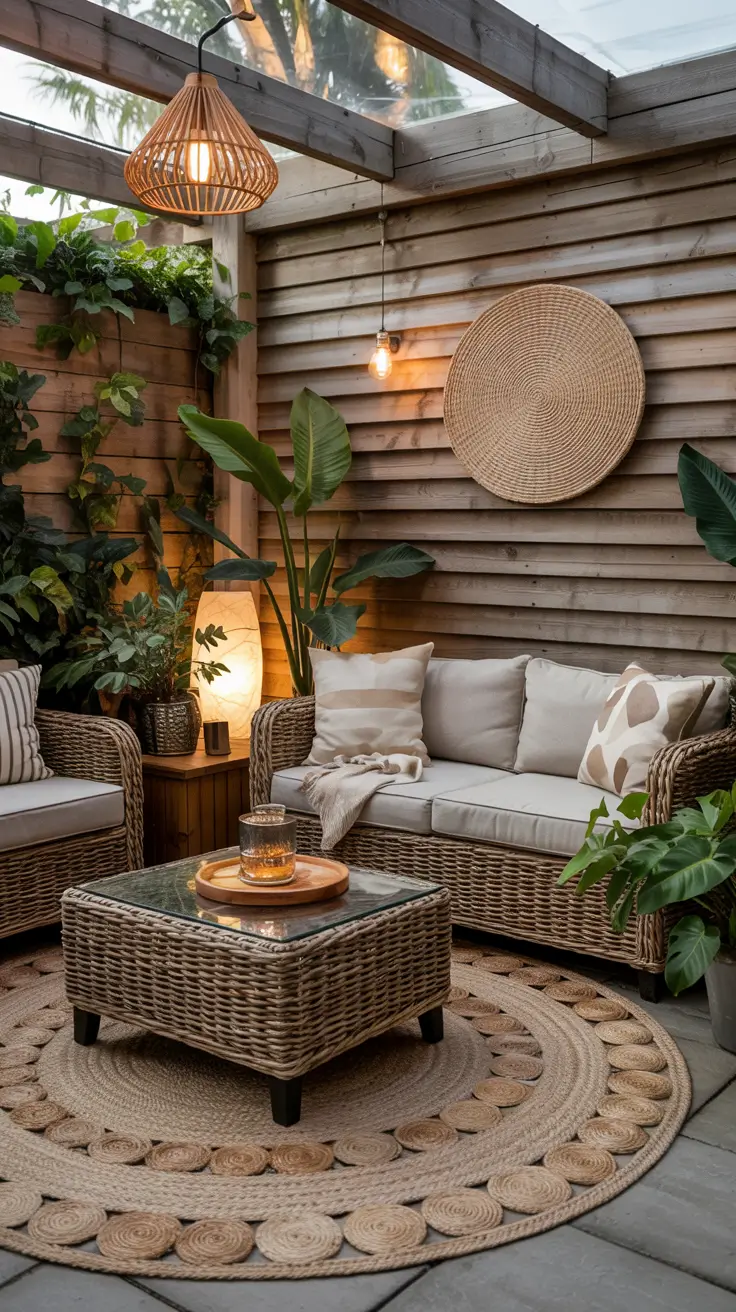
When designing with wicker, I usually select a full seating set that includes sofas, armchairs, and a central table. Pairing wicker frames with plush summer cushions outdoor furniture enhances both comfort and style. I also like to incorporate natural elements such as wooden accents or greenery. These combinations create a harmonious and balanced outdoor setting. Each piece contributes to a cohesive and welcoming design.
In my experience, wicker furniture is incredibly versatile and works well in various design styles. Designers often highlight its ability to adapt to both traditional and modern spaces. I have found that choosing neutral wicker tones allows for easy updates through accessories. This flexibility makes it a practical and stylish choice for many outdoor areas.
To improve this section, I would add recommendations on protecting wicker furniture during extreme weather. Including tips on selecting high-quality synthetic wicker could also be helpful. I would also suggest styling ideas for different patio sizes. These additions provide a more comprehensive understanding of how to use wicker effectively.
6. How To Choose Summer Cushions Outdoor Furniture For Maximum Comfort
I always begin designing an outdoor space by focusing on comfort, and summer cushions outdoor furniture plays a central role in that process. The right cushions can completely transform a rigid seating area into a relaxing retreat that invites long conversations and quiet evenings. I pay attention to color palettes that complement the surrounding environment, often choosing soft neutrals or warm seasonal tones. Texture is equally important, as it adds depth and a tactile element to the space. I also consider how cushions interact with natural light, ensuring they look appealing throughout the day. In my experience, comfort is the foundation of any successful outdoor design.
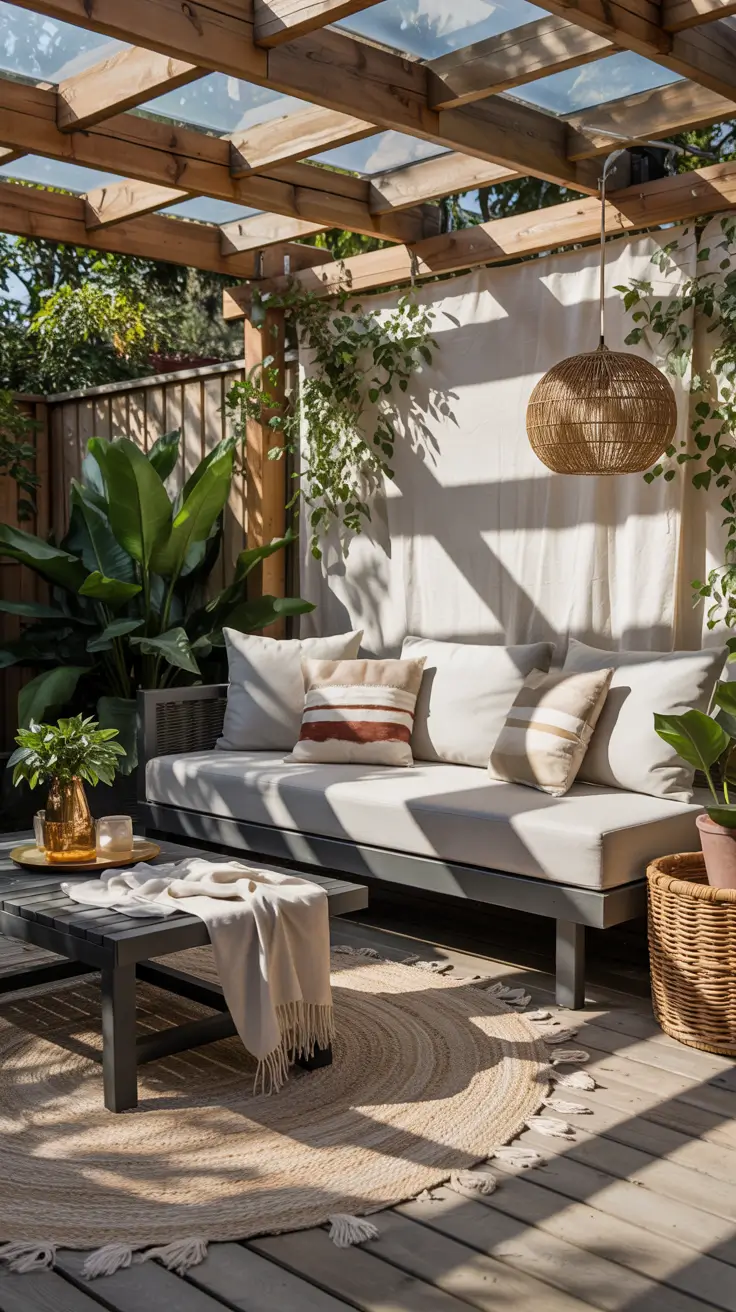
When selecting cushions, I prioritize weather resistant fabrics, quick drying foam, and removable covers for easy maintenance. I typically pair deep seat sofas with layered cushions, combining back support with decorative accents. Adding throws and smaller accent pillows helps create a cozy and curated look. I also integrate cushions into dining chairs and loungers to maintain consistency across the design. Choosing high quality materials ensures longevity, especially during peak summer use. Each element should contribute to both aesthetics and functionality.
From my perspective, investing in quality cushions is not just about appearance but about usability. Many designers, including those featured in Architectural Digest, emphasize that outdoor comfort should mirror indoor standards. I have found that when seating feels inviting, people naturally spend more time outdoors. This enhances the overall experience of the space and makes it more versatile. Comfort should never be compromised for style, and with modern materials, it does not have to be.
To enhance this section further, I would add guidance on seasonal storage and care routines. I would also include tips on mixing patterns without overwhelming the design. Considering eco friendly materials could be another valuable addition. These elements would provide a more complete approach to cushion selection.
7. Luxury Summer House Outdoor Furniture For Elegant Backyards
When designing a refined outdoor setting, I focus on summer house outdoor furniture that reflects elegance and timeless appeal. Luxury outdoor spaces often draw inspiration from indoor living rooms, blending sophistication with natural surroundings. I prefer layouts that create defined zones for lounging, dining, and relaxation. Materials like teak, aluminum, and premium wicker help establish a polished look. Lighting also plays a key role in elevating the atmosphere during evening hours. Every detail should contribute to a cohesive and upscale environment.
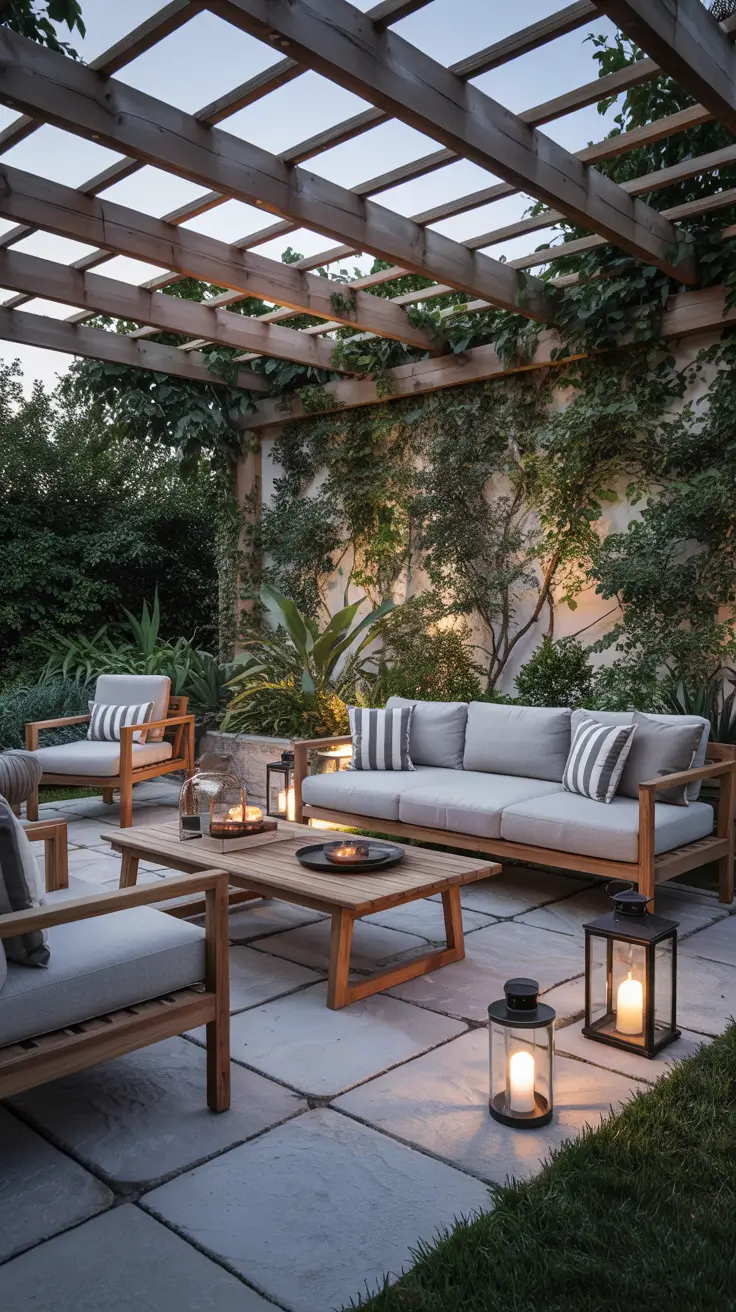
I typically include modular sofas, statement coffee tables, and sculptural lounge chairs to create a balanced composition. Dining areas feature large tables with comfortable seating, often complemented by subtle decorative elements like lanterns or planters. I also incorporate shade solutions such as pergolas or umbrellas to enhance usability. High end finishes and durable fabrics ensure that the furniture remains beautiful over time. Accessories are carefully chosen to avoid clutter while still adding personality. The goal is to create a seamless blend of comfort and luxury.
In my experience, luxury outdoor design is about restraint and intentional choices. Designers often recommend focusing on fewer but higher quality pieces rather than overcrowding the space. I have found that this approach creates a more relaxing and visually appealing environment. It also allows each piece to stand out and contribute to the overall design narrative. A well curated space always feels more inviting.
To improve this section, I would include insights on integrating smart outdoor technology. Adding heating elements or sound systems could further enhance the experience. I would also suggest exploring sustainable luxury options. These additions would make the design even more relevant for modern lifestyles.
8. Budget-Friendly Outdoor Furniture For Summer Without Compromising Style
Creating a stylish outdoor area does not always require a large investment, and I often work with outdoor furniture for summer that balances affordability and design. The key is to focus on versatile pieces that can adapt to different uses. I like to build a foundation with neutral furniture and then layer in personality through accessories. This approach keeps costs manageable while still achieving a polished look. Strategic placement also helps maximize the perceived value of the space. Even small areas can feel thoughtfully designed.
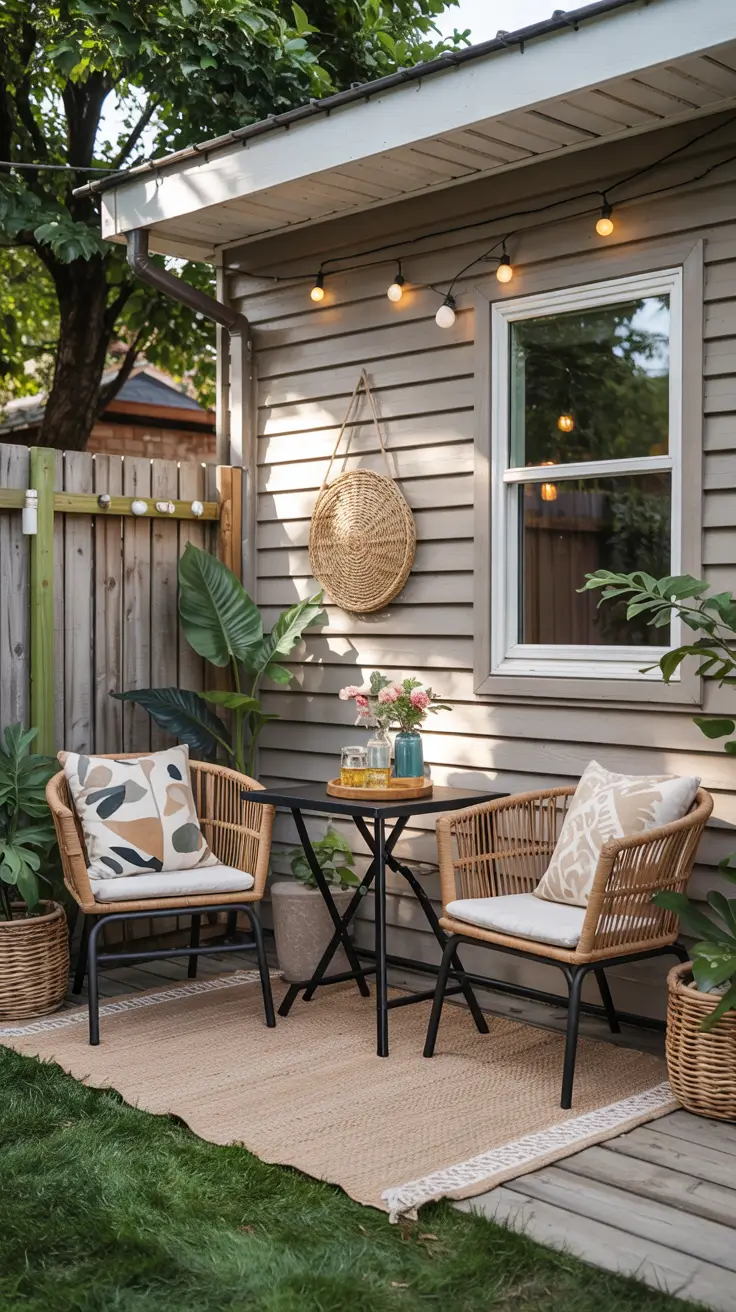
I usually select lightweight materials like resin wicker or powder coated steel, which offer durability at a lower cost. Foldable chairs and multifunctional tables are particularly useful in compact spaces. I also recommend mixing new pieces with refurbished items to create a unique aesthetic. Adding Cushions and textiles can instantly elevate simple furniture. Outdoor rugs and lighting further enhance the overall ambiance. Each element should contribute to both function and style.
From my perspective, creativity is the most valuable resource when working with a budget. Many experts highlight the importance of layering and personalization to achieve a high end look. I have found that small details, such as coordinated colors and textures, make a significant difference. A well planned design can look far more expensive than it actually is. The goal is to create harmony rather than excess.
To expand this section, I would include DIY ideas for customizing furniture. I would also add tips on sourcing second hand pieces effectively. Maintenance advice for budget materials would be useful as well. These additions would make the guidance more practical and actionable.
9. Summer Classics Outdoor Furniture Collections Worth Investing In
When I evaluate long term outdoor design, I often consider summer classics outdoor furniture as a reliable investment. These collections are known for their durability, craftsmanship, and timeless style. I focus on pieces that can withstand changing weather conditions while maintaining their visual appeal. The design often leans toward classic silhouettes that remain relevant over time. This makes them a practical choice for those who value longevity. A well chosen collection can anchor the entire outdoor space.
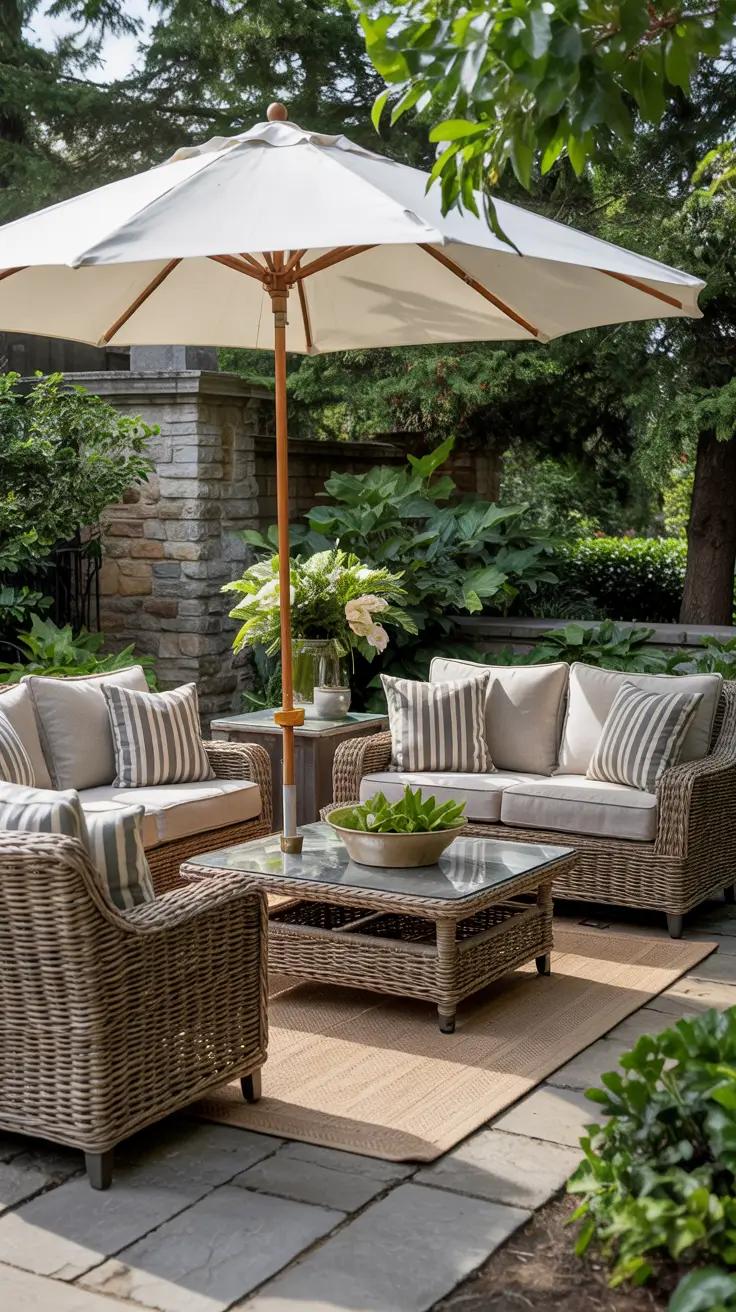
I frequently incorporate summer classics outdoor furniture wicker for its versatility and texture. It pairs beautifully with both modern and traditional settings. I also look for deep seating options, dining sets, and accent tables that complement each other. High performance fabrics ensure that cushions retain their quality even with frequent use. The consistency across collections makes it easier to create a cohesive design. Each piece should feel like part of a unified system.
In my experience, investing in quality furniture reduces the need for frequent replacements. Many design professionals emphasize the importance of durability in outdoor settings. I have found that well crafted furniture not only lasts longer but also enhances the overall experience. It provides a sense of reliability and comfort that cheaper alternatives often lack. This approach ultimately saves time and effort.
To strengthen this section, I would add comparisons between different collections. Including maintenance tips for wicker and other materials would also be helpful. I would also suggest ways to mix classic and contemporary elements. These additions would provide a more comprehensive perspective.
10. Outdoor Furniture Summer Layout Ideas For Small And Large Spaces
Designing layouts for outdoor furniture summer requires careful consideration of space and functionality. I always start by analyzing the available area and identifying key zones for different activities. In smaller spaces, I focus on maximizing efficiency without sacrificing comfort. In larger areas, I create distinct sections that flow naturally ერთმან. The layout should encourage movement while maintaining a sense of structure. Balance is essential in both cases.
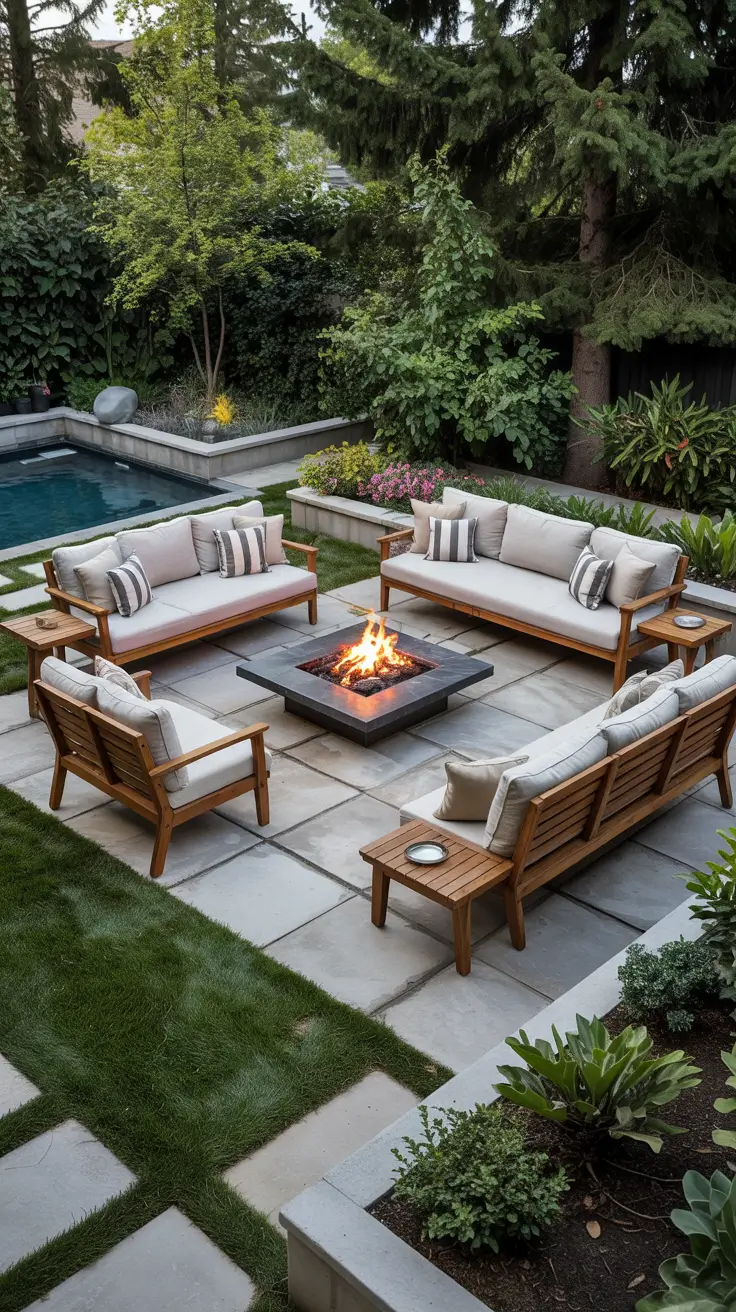
For compact spaces, I use modular seating, stackable chairs, and vertical elements like planters. In larger settings, I incorporate sectional sofas, dining areas, and dedicated relaxation zones. I also pay attention to pathways and spacing to ensure accessibility. Adding focal points such as fire pits or water features can enhance the layout. Each element should serve a clear purpose within the overall design. Cohesion is key to a successful arrangement.
From my perspective, layout design is about understanding how people will use the space. Experts often recommend prioritizing functionality before aesthetics. I have found that when a layout is intuitive, the space becomes more enjoyable. It allows for both social gatherings and quiet moments. A thoughtful arrangement can transform any outdoor area.
To improve this section, I would include layout diagrams for different space sizes. I would also add guidance on seasonal adjustments. Incorporating lighting strategies could further enhance usability. These additions would provide a more complete design framework.
11. Choosing Durable Materials For Summer House Outdoor Furniture
When I design outdoor spaces, I always begin with material selection because it determines longevity and maintenance. Durable materials such as teak, aluminum, and high quality resin wicker are essential for summer house outdoor furniture exposed to sun, rain, and temperature changes. I focus on finishes that resist fading and corrosion while maintaining a refined appearance. Neutral tones often work best because they blend naturally with outdoor surroundings and allow flexibility in styling. I also consider how materials age over time, ensuring they develop character rather than wear. This approach creates a reliable foundation for any outdoor layout.
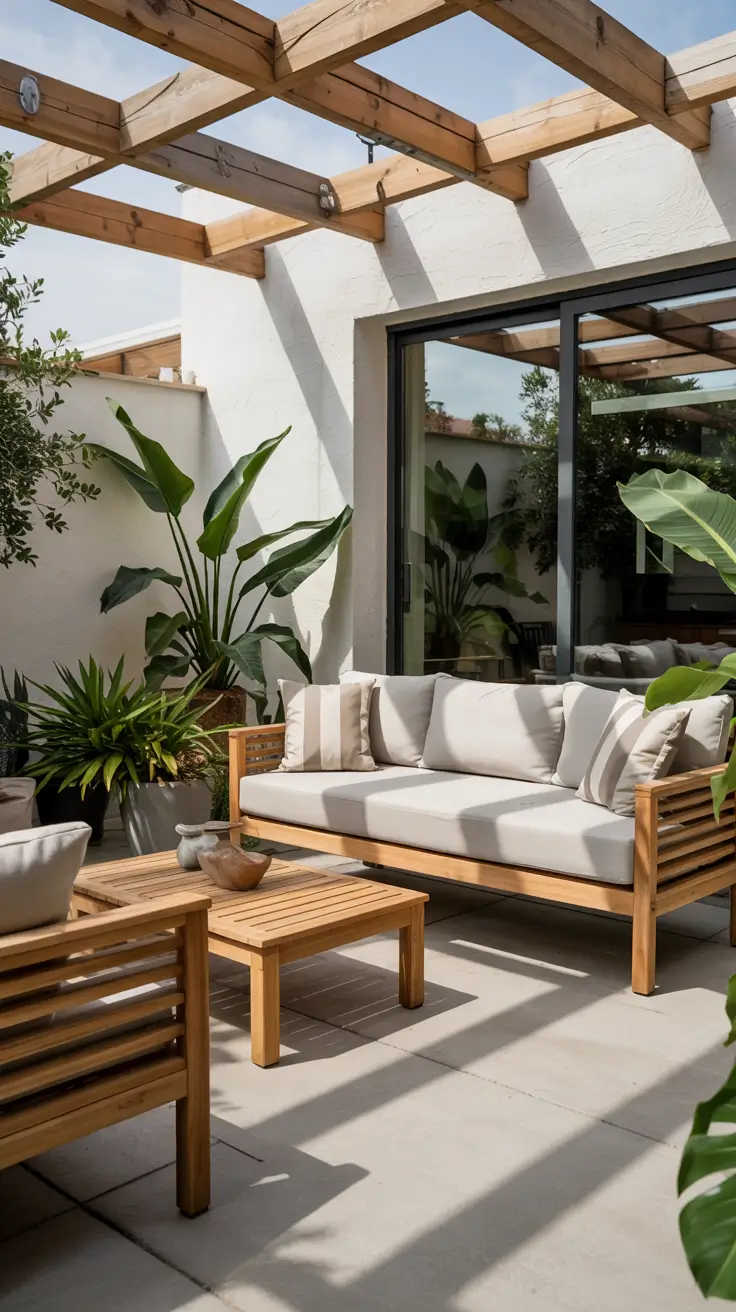
From my experience, I prioritize furniture pieces like weather resistant sofas, sturdy dining sets, and lounge chairs with powder coated frames. Teak wood stands out because it naturally resists moisture, while aluminum offers lightweight flexibility for rearranging spaces. I often include composite materials that mimic natural textures but require less maintenance. Cushions should feature quick dry foam and removable covers to ensure practicality. Each element contributes to a cohesive system that balances durability with comfort. This is especially important for outdoor furniture summer setups that are used frequently.
I have noticed that many professionals, including designers featured in Architectural Digest, emphasize investing in fewer but higher quality pieces. I follow this philosophy because it reduces long term costs and enhances visual consistency. Personally, I prefer materials that require minimal upkeep so that the outdoor space remains enjoyable rather than demanding. Over time, I have seen how well chosen materials can maintain their appeal for years. This reinforces the importance of thoughtful selection at the beginning. It is always easier to build around a strong foundation.
To improve this section, I would include a comparison chart of materials based on climate conditions and maintenance requirements. I would also add recommendations for protective treatments and seasonal care routines. This would help readers make more informed decisions based on their specific environment. Including examples of combinations of materials could further enhance understanding. I would also suggest adding guidance on sustainability and eco friendly options.
12. Summer Classics Outdoor Furniture Wicker Vs Wood Which Is Better
When comparing materials, I often evaluate both aesthetics and functionality, especially when working with summer classics outdoor furniture wicker and wood. Wicker creates a relaxed and inviting atmosphere, while wood introduces a timeless and structured look. I consider the overall design theme before choosing between them. Wicker works well in casual lounge settings, whereas wood complements more formal dining arrangements. Both materials can be used effectively when balanced with the surrounding environment. The key is to align the material with the intended use of the space.
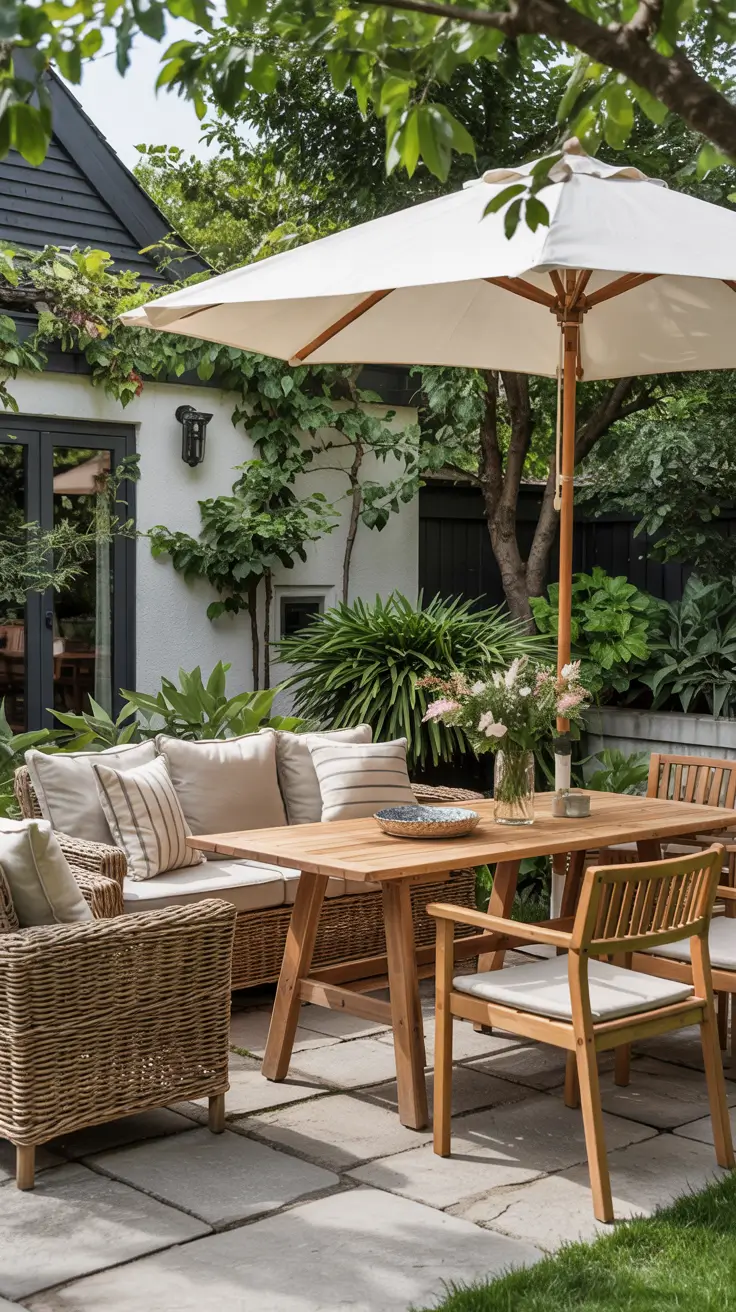
In my projects, I often use synthetic wicker for its durability and resistance to weather conditions. It pairs beautifully with soft textiles and layered decor, making it ideal for lounging areas. On the other hand, wooden furniture such as teak or eucalyptus offers strength and elegance. I like to incorporate wooden dining tables or benches to anchor the space visually. Combining both materials can also create contrast and depth. This approach allows flexibility while maintaining cohesion.
From my perspective, there is no absolute answer to which is better because it depends on lifestyle and maintenance preferences. Designers often recommend wicker for comfort focused spaces and wood for longevity and structure. I personally enjoy blending both, as it creates a balanced and dynamic outdoor setting. Over time, I have found that mixing textures enhances visual interest. It also allows for more creative styling options. This makes the space feel curated rather than uniform.
To expand this section, I would include maintenance comparisons and cost considerations for both materials. I would also suggest specific layout examples where one material outperforms the other. Adding visual scenarios such as small patios versus large terraces would be helpful. Including tips for combining wicker and wood effectively would also add value. This would give readers practical guidance for real world applications.
13. Styling With Summer Cushions Outdoor Furniture For A Cozy Look
Creating a cozy outdoor environment starts with thoughtful textile choices, particularly summer cushions outdoor furniture. I focus on layering textures and colors to bring warmth and personality to the space. Cushions can instantly transform rigid furniture into inviting seating areas. I often use a mix of neutral bases with accent colors to create depth without overwhelming the design. Patterns such as subtle stripes or botanical prints work well for summer themes. This approach enhances both comfort and visual appeal.
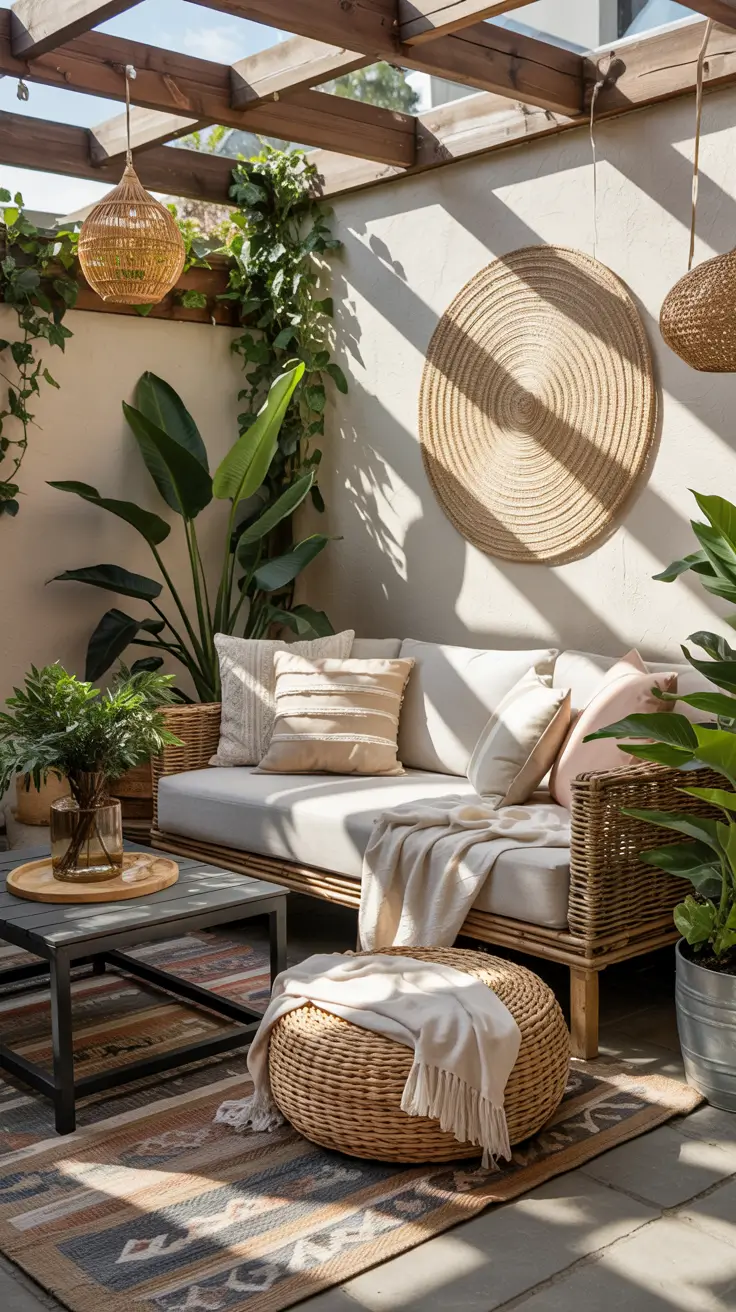
In my designs, I select cushions made from UV resistant and water repellent fabrics. I combine different sizes and shapes to create a relaxed and lived in look. Throw pillows, seat cushions, and even outdoor rugs contribute to a cohesive aesthetic. I also pay attention to color coordination with surrounding elements like plants and furniture finishes. This ensures that the entire space feels harmonious. The right combination can elevate even the simplest furniture arrangement.
I have learned that comfort plays a crucial role in how often people use their outdoor spaces. Designers frequently highlight the importance of tactile elements, and I fully agree with this perspective. Personally, I enjoy experimenting with seasonal updates by changing cushion covers. It is a simple way to refresh the space without major investments. Over time, this flexibility keeps the outdoor area feeling new. It also allows for personal expression.
To improve this section, I would add guidance on color palettes for different outdoor themes. I would also include recommendations for storing cushions during off seasons. Providing examples of layering techniques would be beneficial. Additionally, I would suggest highlighting sustainable fabric options. This would make the section more comprehensive and practical.
14. Outdoor Furniture For Summer Entertaining And Hosting Guests
When designing spaces for social gatherings, I focus on layout and functionality of outdoor furniture for summer. The goal is to create an environment that encourages interaction while maintaining comfort. I arrange seating in conversational groupings to make communication natural. Dining areas should be easily accessible and connected to the main seating zone. Lighting also plays a key role in extending usability into the evening. This creates a welcoming atmosphere for guests.
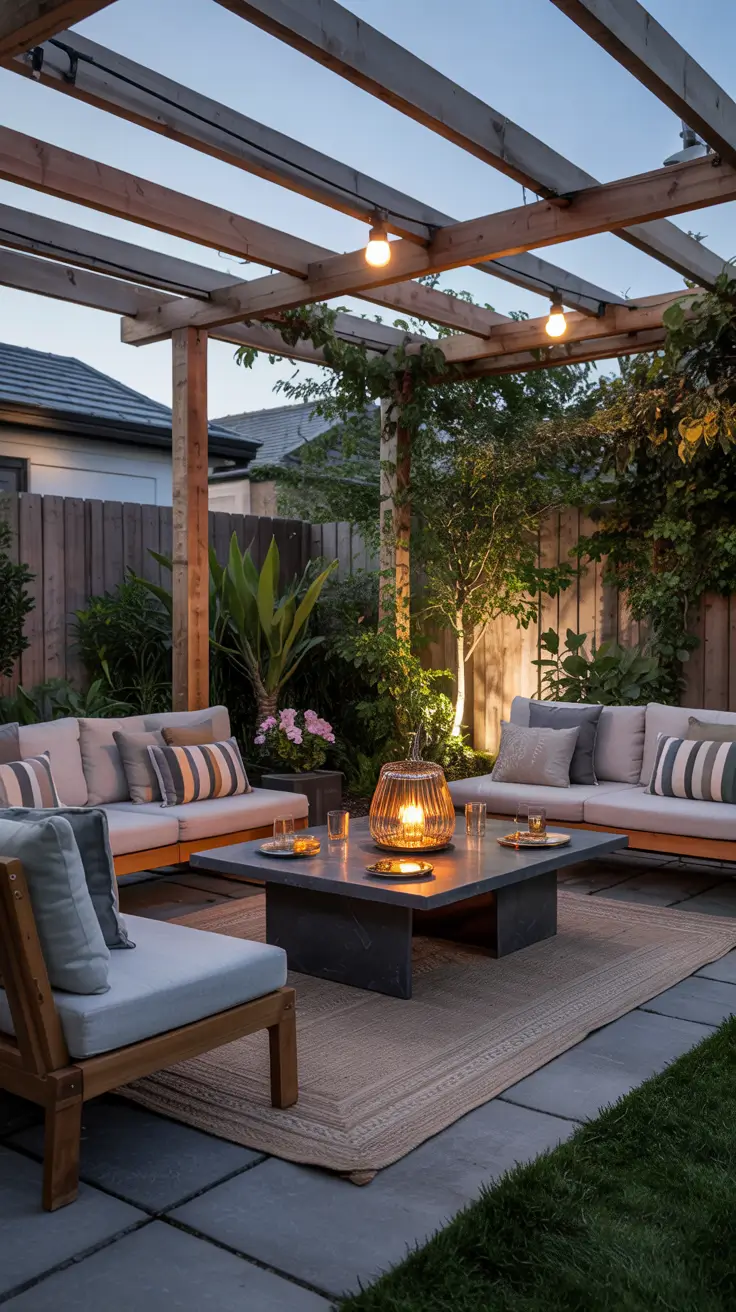
I typically include modular sofas, extendable dining tables, and additional seating options like benches or stools. Side tables are essential for convenience, allowing guests to place drinks or personal items. I also consider shade solutions such as umbrellas or pergolas. These elements enhance comfort during hot days. Each piece should contribute to both functionality and visual balance. This ensures a seamless hosting experience.
From my experience, flexibility is one of the most important aspects of entertaining spaces. Many designers recommend adaptable furniture that can be rearranged based on the number of guests. I often follow this approach because it allows the space to evolve with different occasions. Personally, I value layouts that feel open yet structured. This balance creates a relaxed but organized environment. It makes hosting more enjoyable and less stressful.
To enhance this section, I would include sample layouts for small and large gatherings. I would also suggest incorporating outdoor kitchens or bar areas. Adding tips for lighting design would further improve usability. Including advice on traffic flow and accessibility would be valuable. This would provide a more complete guide for hosting.
15. Minimalist Outdoor Furniture Summer Concepts For Clean Aesthetics
Minimalist design is increasingly popular in outdoor furniture summer concepts, and I often use it to create calm and uncluttered spaces. The focus is on simplicity, clean lines, and functional pieces. I avoid excessive decoration and instead highlight the beauty of materials and form. Neutral color palettes dominate, often featuring shades of white, gray, and natural wood. This approach creates a serene environment that feels modern and timeless. It is especially effective for smaller outdoor areas.
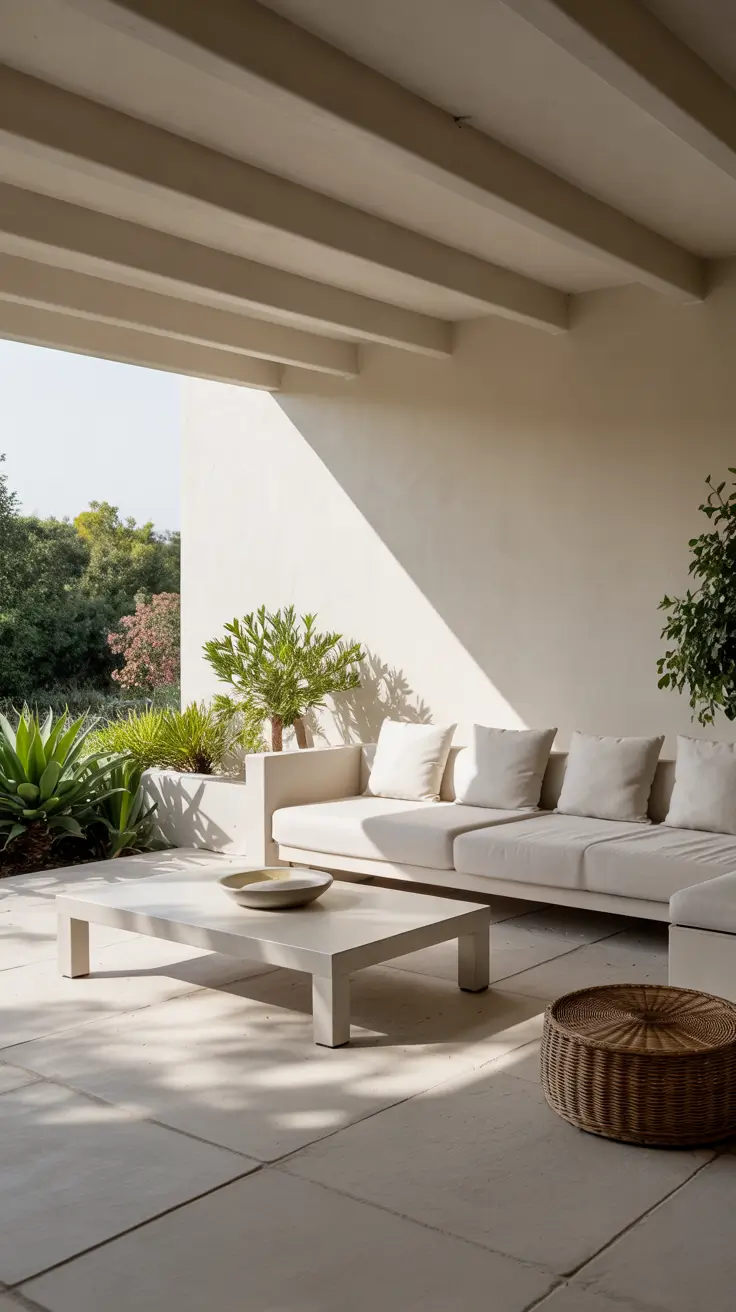
In my work, I select furniture with sleek silhouettes and multifunctional features. Low profile sofas, simple dining sets, and streamlined loungers are key elements. I also incorporate subtle decor such as planters or minimal lighting fixtures. Each item is carefully chosen to serve a purpose without overwhelming the space. This results in a cohesive and balanced design. The simplicity enhances both usability and visual clarity.
I personally appreciate minimalist outdoor spaces because they promote relaxation and focus. Many modern designers emphasize the importance of reducing visual noise, and I find this approach highly effective. It allows the natural surroundings to become part of the design. Over time, I have seen how minimalist layouts remain relevant despite changing trends. This makes them a reliable choice for long term design.
To expand this section, I would include guidance on selecting focal points within minimalist spaces. I would also suggest ways to incorporate subtle textures without breaking the aesthetic. Adding examples of lighting techniques would enhance the design. Including advice on maintaining minimalism while ensuring comfort would be useful. This would provide a more detailed understanding of the concept.
16. Classic Outdoor Furniture Summer Designs That Never Go Out Of Style
I always start with classic design principles when planning an outdoor space because timeless styles provide a reliable foundation. Traditional layouts with symmetrical seating arrangements and neutral tones create a balanced and calming environment. I focus on materials such as teak, wrought iron, and high quality wicker, which have proven durability in outdoor settings. These materials naturally align with outdoor furniture summer trends while maintaining elegance across seasons. I find that classic layouts make it easier to refresh decor without replacing core furniture pieces.
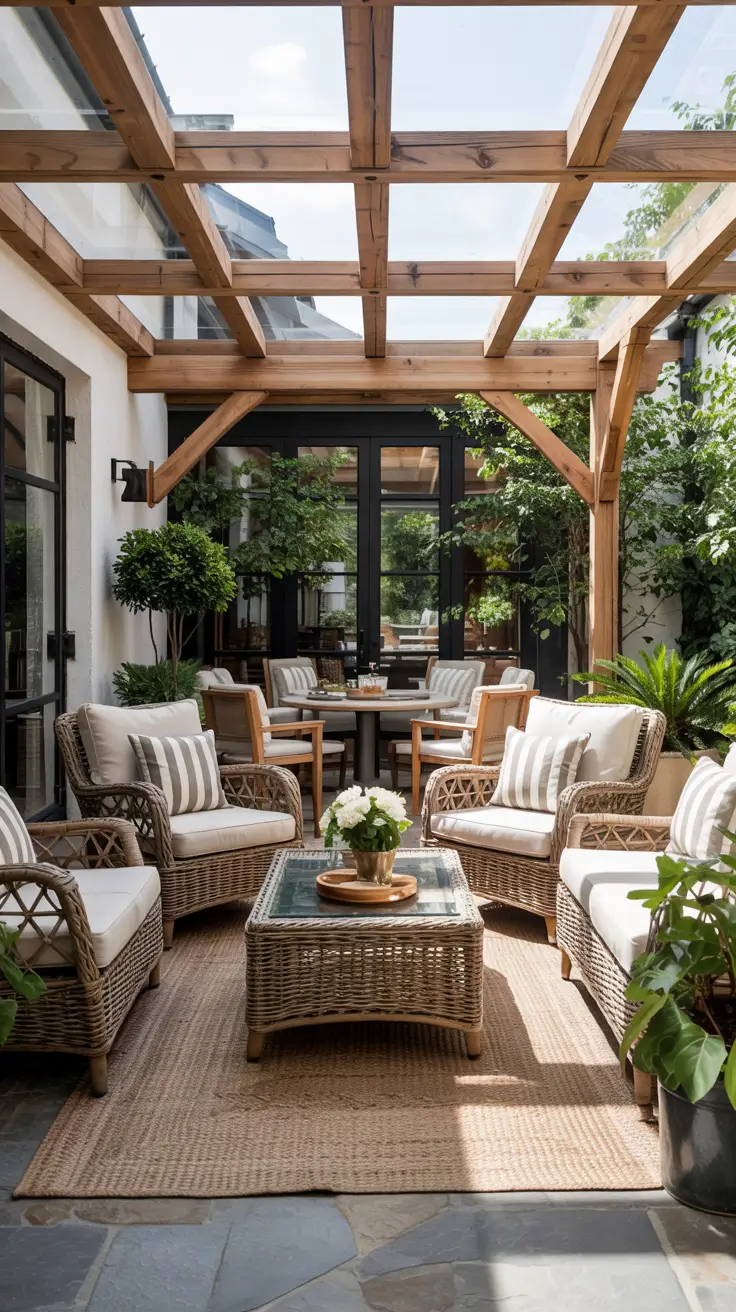
When selecting furniture, I prioritize pieces like deep seating sofas, structured armchairs, and solid wood dining tables. I often incorporate summer classics outdoor furniture wicker elements because they combine texture with resilience. Cushions play a key role, so I choose summer cushions outdoor furniture that are weather resistant and comfortable. Neutral palettes such as beige, taupe, and soft gray allow flexibility when adding seasonal accents. Every item should serve both aesthetic and practical purposes, ensuring the space remains functional.
From my experience, classic designs never feel outdated because they adapt well to changing trends. Many designers from publications like Architectural Digest emphasize investing in quality materials over fast trends. I agree with this approach because it reduces long term costs and maintains visual consistency. I also recommend focusing on proportion and spacing to avoid overcrowding. A well planned layout always feels more inviting and usable.
I believe what is often missing in classic setups is layered lighting and subtle decor accents. Adding lanterns, outdoor rugs, and small side tables can enhance usability in the evening. I also suggest integrating greenery such as potted plants to soften rigid structures. These additions help bridge the gap between traditional design and modern comfort. Without these elements, even the best furniture can feel incomplete.
17. Mixing Summer House Outdoor Furniture With Modern Decor Trends
I find that blending traditional and modern elements creates a dynamic outdoor space that feels both fresh and grounded. Combining summer house outdoor furniture with contemporary decor allows for more personalization. I usually start with a neutral base and then introduce modern lines through accessories and smaller furniture pieces. This approach helps maintain balance without overwhelming the space. The key is to ensure that all elements complement rather than compete with each other.
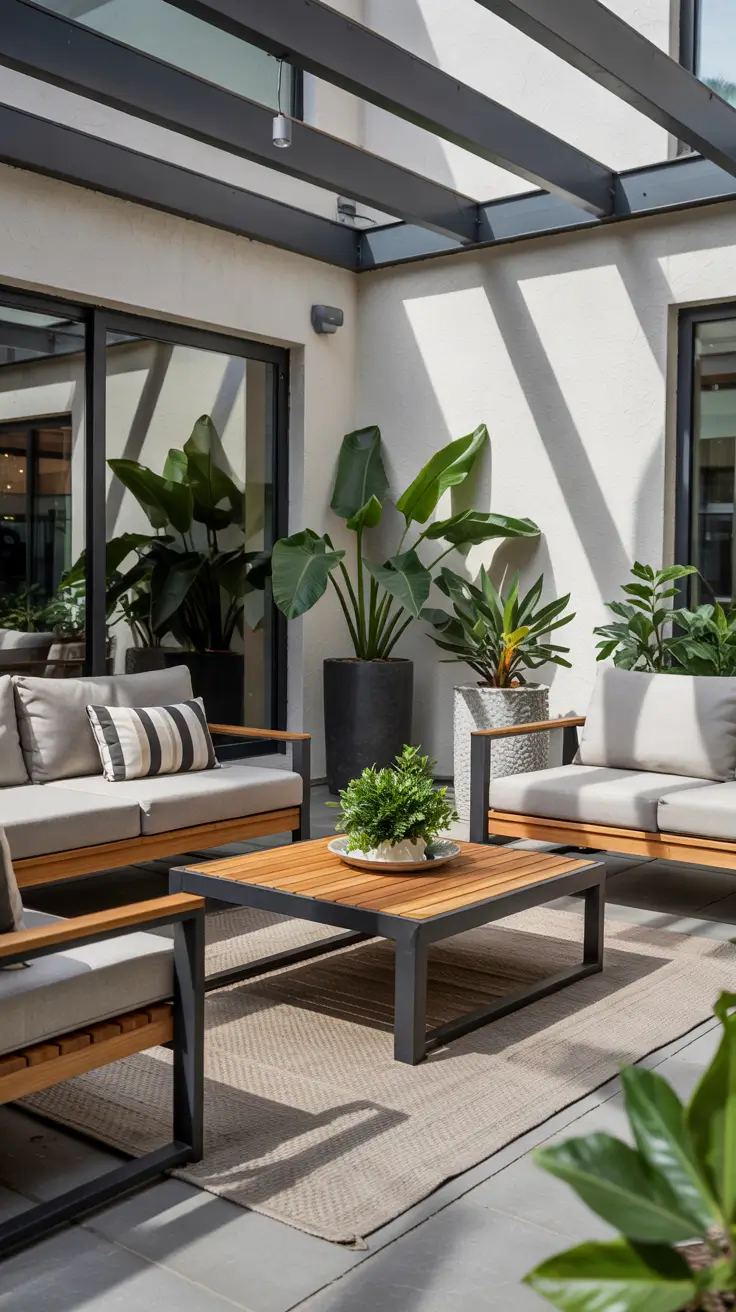
In practical terms, I mix materials like wood and metal to create contrast. Sleek coffee tables, minimalist lighting fixtures, and geometric planters work well alongside classic seating. I often use Classics inspired pieces as anchors while layering modern textiles and decor. Cushions with subtle patterns or bold accents can instantly update the look. This combination allows flexibility while maintaining a cohesive design language.
Personally, I enjoy experimenting with this mix because it keeps outdoor spaces visually interesting. Many contemporary designers recommend avoiding overly matched sets in favor of curated combinations. I agree with this because it adds character and authenticity. I also advise paying attention to color harmony to ensure a seamless transition between styles. A thoughtful mix always feels intentional rather than random.
What I often see missing in these designs is a clear focal point. Whether it is a fire pit, dining table, or lounge area, every space should have a central feature. I recommend defining zones within the outdoor area to improve flow and usability. This helps prevent the design from feeling scattered. A well defined structure enhances both comfort and visual appeal.
18. Outdoor Furniture Summer Care Tips To Extend Lifespan
I always emphasize maintenance because even the best outdoor furniture summer collections require proper care. Exposure to sun, rain, and temperature changes can affect materials over time. I recommend positioning furniture in partially shaded areas whenever possible. Using protective covers during harsh weather conditions also makes a significant difference. Consistent care ensures that furniture retains both its appearance and structural integrity.
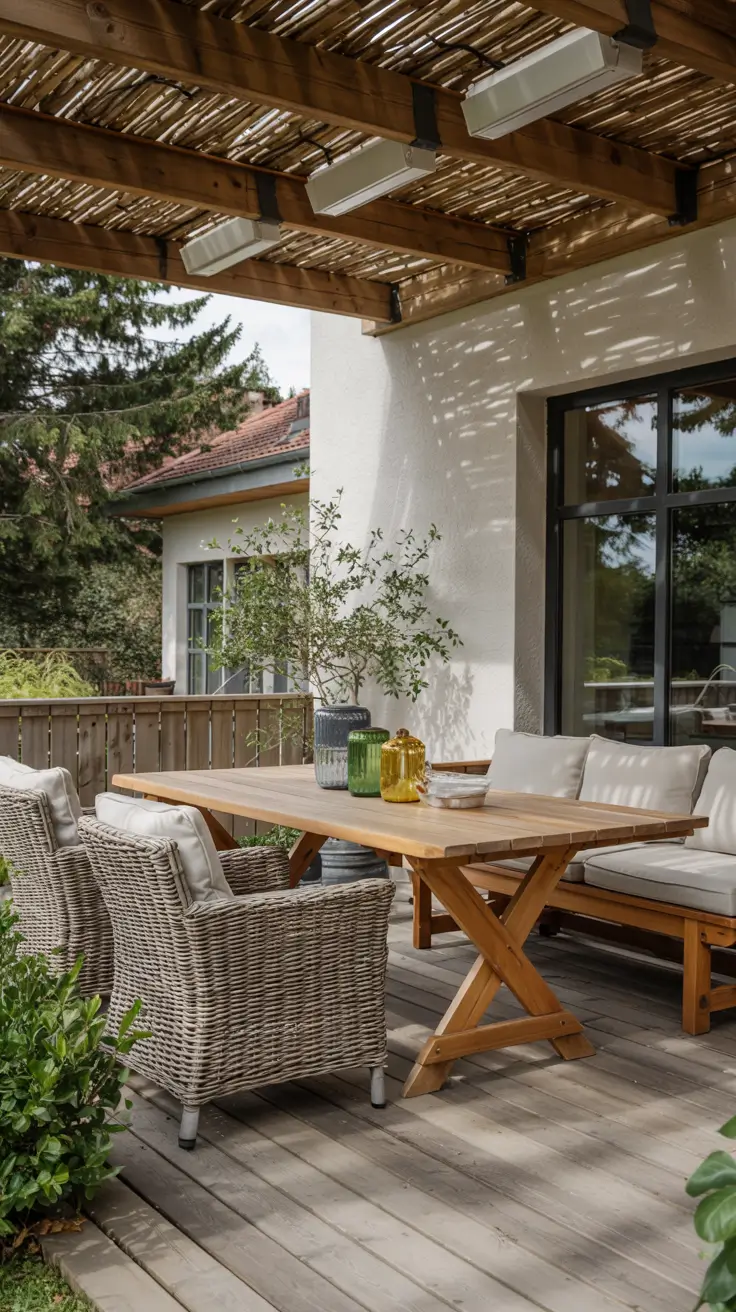
For cleaning, I use gentle solutions tailored to each material type. Wooden furniture benefits from periodic oil treatments, while metal pieces require rust prevention. summer classics outdoor furniture wicker should be cleaned with soft brushes to avoid damage. I also pay attention to summer cushions outdoor furniture, ensuring they are stored properly when not in use. Regular maintenance routines prevent long term deterioration.
From my perspective, maintenance should be part of the design strategy rather than an afterthought. Experts often highlight the importance of choosing materials suited to your climate. I strongly agree because this reduces maintenance efforts significantly. Investing in quality products upfront also minimizes the need for frequent replacements. A proactive approach always pays off in the long run.
What many overlook is seasonal inspection. I recommend checking joints, fasteners, and cushion conditions at least twice a year. Small repairs can prevent larger issues later. Adding storage solutions like deck boxes can also help protect accessories. These steps ensure the longevity of your outdoor setup.
19. Creating A Resort Style Space With Summer Classics Outdoor Furniture
I love designing outdoor spaces that feel like a private retreat. A resort style setup focuses on comfort, openness, and a relaxed atmosphere. I often use summer classics outdoor furniture to achieve this look because of its refined yet comfortable design. Large seating arrangements, soft textures, and natural materials create a luxurious feel. The goal is to replicate the ambiance of a high end vacation setting.
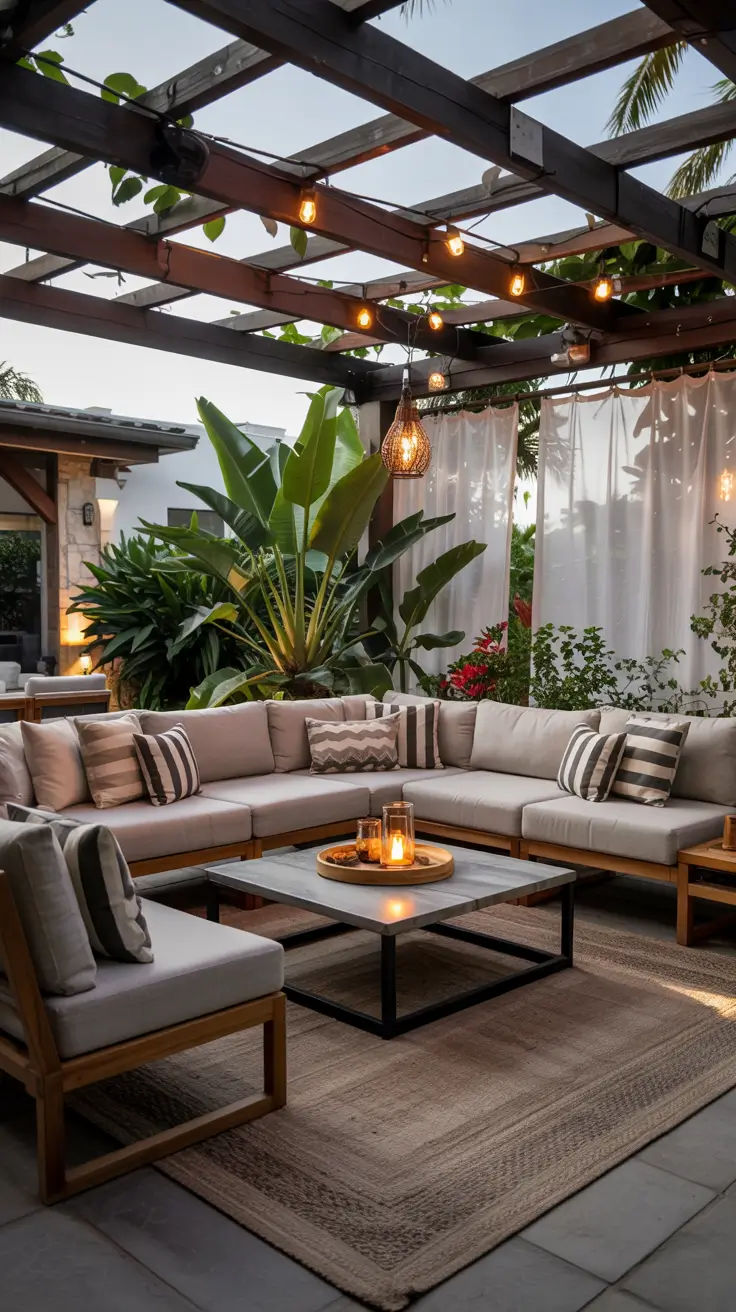
Key elements include oversized loungers, sectional sofas, and shaded areas like pergolas or umbrellas. I incorporate layered textiles and summer cushions outdoor furniture to enhance comfort. Neutral tones combined with natural textures create a calming palette. Accessories such as outdoor rugs, lanterns, and side tables add depth and functionality. Every detail contributes to a cohesive and inviting environment.
In my experience, the most successful resort style spaces prioritize relaxation above all else. Designers often recommend focusing on sensory elements like texture, light, and airflow. I find this advice very practical and effective. Adding water features or soft lighting can elevate the overall experience. These elements transform a simple patio into a true escape.
What is often missing is personalization. I suggest adding elements that reflect your lifestyle, such as a reading nook or dining corner. This ensures the space is not only beautiful but also functional. Customization makes the environment more engaging and comfortable. A well tailored space always feels more authentic.
20. Final Thoughts On Outdoor Furniture Summer Trends And Inspiration 2026
As I analyze current trends, I see a strong shift toward combining durability with aesthetic flexibility. The popularity of outdoor furniture for summer continues to grow as people invest more in outdoor living. I notice that homeowners are prioritizing comfort and adaptability in their designs. This includes modular furniture, versatile layouts, and weather resistant materials. These trends reflect a broader focus on long term usability.
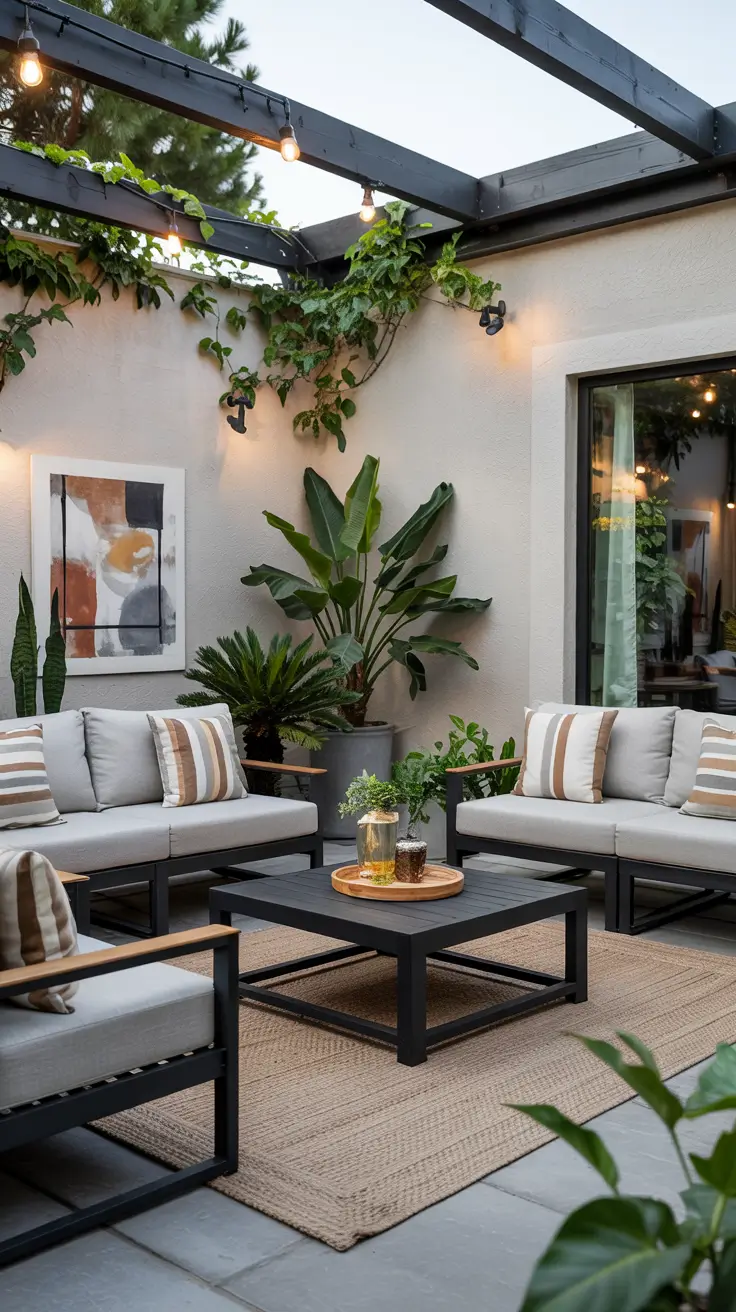
I recommend choosing furniture that aligns with both your lifestyle and environmental conditions. Pieces from summer house outdoor furniture collections often provide a good balance between design and practicality. Incorporating House inspired layouts helps create a seamless transition between indoor and outdoor spaces. Thoughtful selection ensures that every element serves a purpose. A well planned approach always leads to better results.
From my perspective, the best designs are those that evolve over time. I encourage experimenting with layouts and decor while maintaining a consistent foundation. Inspiration from trusted design sources can guide decision making without limiting creativity. I believe that outdoor spaces should feel personal and adaptable. This mindset leads to more satisfying and long lasting results.
What I would add here is the importance of continuous refinement. Outdoor spaces should be updated gradually rather than redesigned completely. Small changes can make a significant impact over time. I suggest reviewing your setup each season to identify improvements. This approach keeps your space fresh and functional.