If you are looking for decorating ideas for the home 2026, you are probably wondering how to make each room feel fresh without losing comfort and personality. I want to show how decorating ideas for the home modern style can work in real life, whether you are updating a living room, kitchen, bedroom, apartment, or entrance. In this article, I focus on ideas that feel current but still practical enough for everyday use. I also cover how color, furniture, lighting, and layout shape the mood of a space more than expensive decor alone. Some of these ideas are simple enough for decorating ideas for the home on a budget, while others are better for a full seasonal refresh. My goal is to help you see how small design decisions can create a home that feels more thoughtful, balanced, and enjoyable to live in.
1. Modern Decorating Ideas For The Home 2026 That Refresh Every Space
When I think about decorating ideas for the home 2026, I see a clear shift toward spaces that feel calmer, softer, and more intentional. The strongest interiors no longer depend on one dramatic statement piece, but on a layered mix of texture, lighting, and useful furniture. I notice that modern homes now combine clean lines with warmer finishes, which makes the result feel more lived in and less cold. This approach works especially well for decorating ideas for the home apartment because it helps smaller spaces feel collected instead of crowded. I also find that a balanced palette with warm neutrals, muted green, soft terracotta, or dusty blue makes a room feel current without chasing short-term trends. For me, the best update is one that improves both the look and the daily experience of the space.
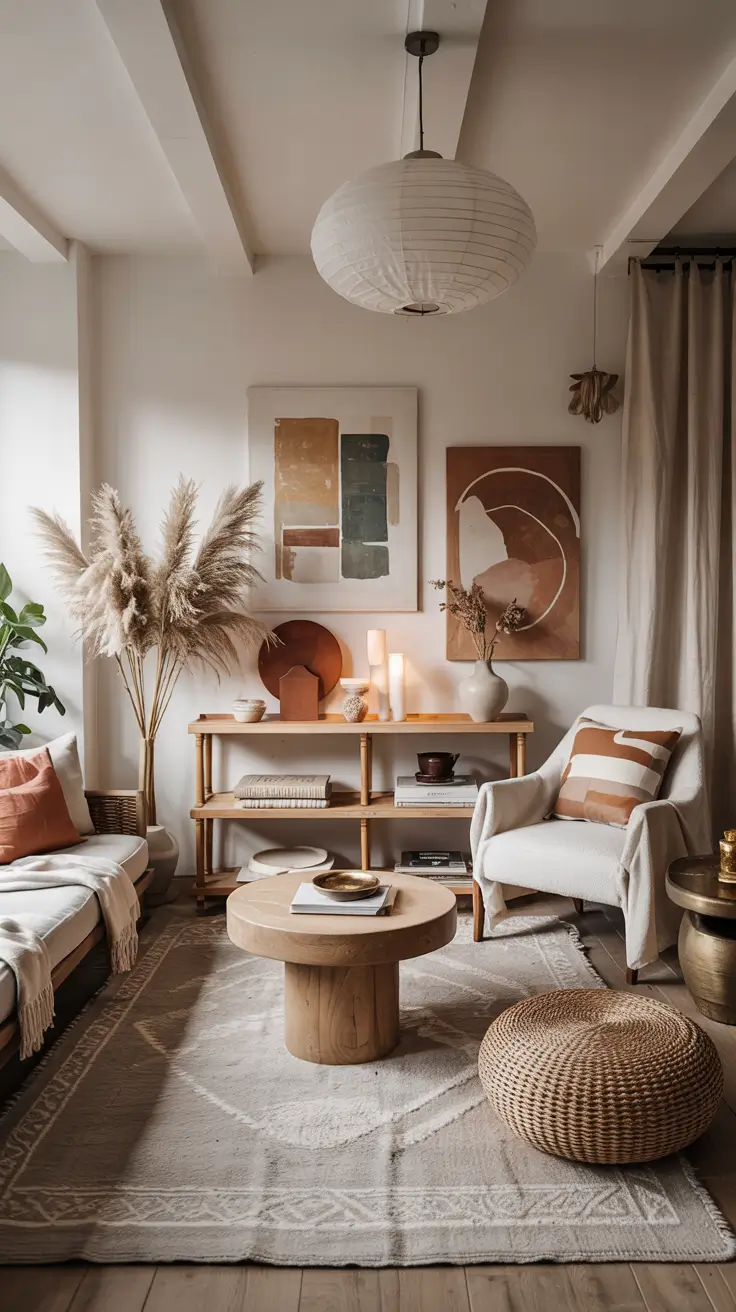
In practice, I would start with foundational items that affect the whole room, such as a comfortable sofa, a practical rug, layered curtains, and lighting at different heights. I like to include a large area rug because it visually anchors furniture and makes even simple rooms feel more complete. A mix of wood, linen, boucle, ceramic, and metal creates dimension, which is very important in modern spaces where the color palette may stay restrained. I also recommend adding one or two pieces with a handmade feel, such as a textured vase, woven stool, or vintage side table, because they keep the room from looking too flat. Wall decor should support the architecture instead of overpowering it, so I usually prefer oversized art, framed prints, or a painted wall treatment over many tiny accents. This is one of the easiest ways to bring decorating ideas for the home wall into a broader design plan.
From my perspective, the most successful modern decorating ideas for the home do not try to make every room look the same. I prefer to keep a common palette running through the house, while allowing each space to have its own mood and function. Many designers in the US have emphasized that comfort and personality are now central to good interiors, and I agree with that direction because it gives people freedom to mix modern, vintage, boho, and farmhouse influences. I have found that even one vintage chair, one soft lamp, or one tactile throw can make a modern room feel more personal. This is especially helpful if you like country, vintage, diy, or modern boho details but still want a clean overall look. To me, a refreshed home in 2026 should feel edited, warm, and easy to maintain.
If I were expanding this section, I would add a checklist for choosing a palette and repeating it across the whole home. I would also include guidance on how to connect the entrance, living room, kitchen, and bedroom so the house feels cohesive from room to room. Another useful addition would be advice on how to mix new furniture with older pieces without making the space feel inconsistent. I think many readers also need simple help with scale, especially when choosing art, rugs, or lighting for smaller rooms. That missing practical layer often determines whether decorating ideas succeed or fail. For me, the details of proportion are just as important as the style itself.
2. Decorating Ideas For The Home Living Room With A Stylish And Cozy Mood
For decorating ideas for the home living room, I always begin with the feeling the room should create at the end of the day. A stylish and cozy mood comes from softness, balance, and a layout that encourages people to actually use the space. I like living rooms that feel polished but still relaxed enough for reading, conversation, or a quiet evening at home. In 2026, I see more rooms moving away from rigid formality and toward seating plans that feel natural and welcoming. This direction works beautifully for decorating ideas for the home living room even when the square footage is modest. A calm living room becomes much easier to style when every object has both visual value and a real purpose.
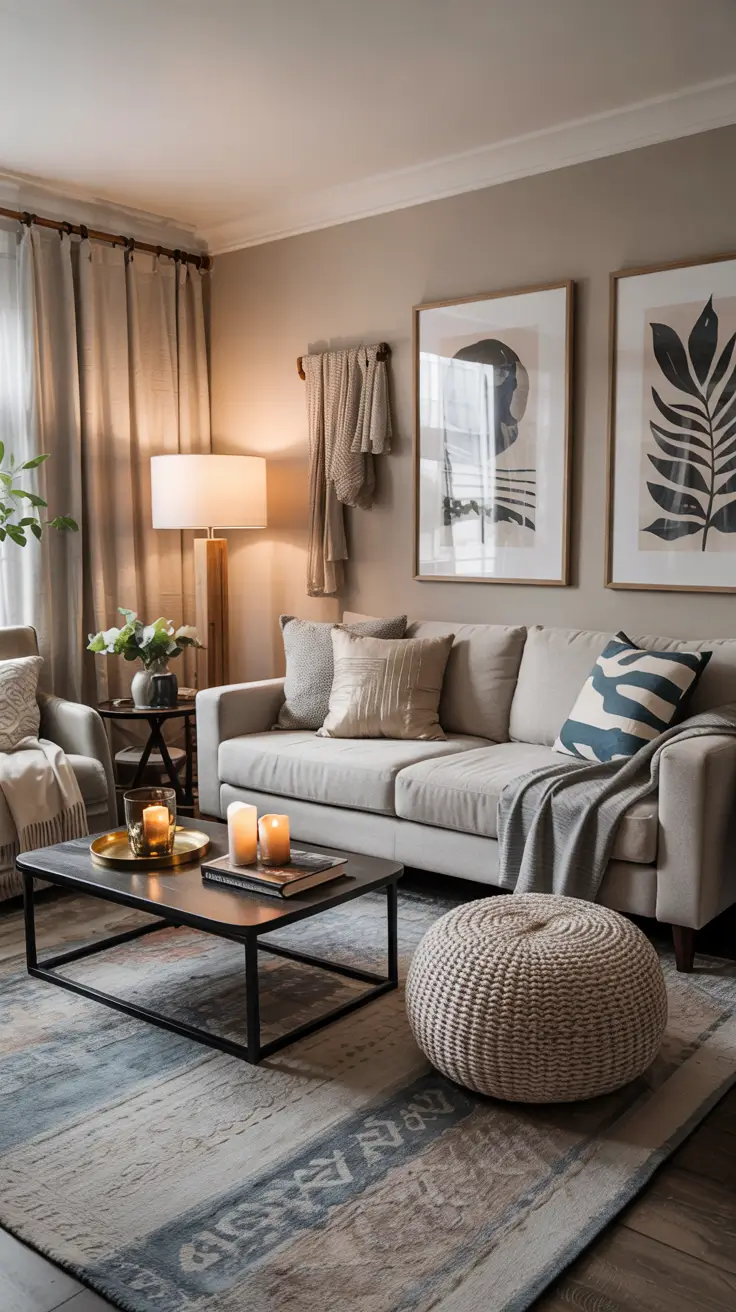
I would build this kind of room around a comfortable sofa with clean lines, two accent chairs, a generous rug, and a coffee table with enough surface for books, candles, and everyday use. Upholstery in warm beige, soft gray, muted olive, or creamy white helps the room feel timeless, while darker wood or black accents prevent it from becoming too pale. I often add textured pillows, a knit throw, and full curtains because fabric is what makes a living room feel cozy rather than bare. For lighting, I believe a combination of ceiling light, floor lamp, and table lamp is essential, since one light source almost never creates enough atmosphere. This is also where decorating ideas for the home wall matter a lot, because art, molding, or subtle paint color gives the room depth without clutter. If someone likes living room color schemes grey blue, I think that palette works very well here because it feels soothing and still sophisticated.
In my experience, the easiest mistake in a living room is trying to decorate every corner equally. I prefer to let one zone become the visual anchor, such as the sofa wall, the fireplace area, or a large window with beautiful curtains. That gives the eye a place to rest and makes the room feel more composed. I also think a stylish living room should include at least one natural element, whether that is a wood stool, a stone bowl, dried branches, or a leafy plant. Editors at well-known interior publications often point out that texture is what keeps neutral rooms interesting, and I strongly agree because I see it work again and again. A room can be simple, but it should never feel empty.
What I would add to this section is a clearer note on seasonal flexibility. A living room should be easy to update for simple fall, Christmas, Valentine, or Halloween without changing the entire design. I like a strong base room because it allows seasonal pieces to stand out in a tasteful way. For example, a neutral sofa and warm rug can support elegant fall textiles, soft valentine accents, or subtle Christmas greenery without looking forced. I would also suggest leaving a little open space on shelves and tables so decor can rotate through the year. That small design decision makes a living room much easier to refresh.
3. Decorating Ideas For The Home Living Room With Fire Place Charm
A fireplace naturally creates a focal point, so when I work on decorating ideas for the home living room with fire place charm, I try to make everything around it feel connected rather than competitive. The fireplace already offers warmth and structure, which means the room does not need too many dramatic features elsewhere. I like to use the fireplace as the emotional center of the room, especially in homes where comfort is just as important as visual style. Whether the fireplace is traditional, modern, stone, painted brick, or electric, it can shape the whole design direction. This is one of the most effective decorating ideas for the home living room with fire place because it helps the room feel grounded immediately. It also works beautifully with farmhouse, vintage, country, and modern approaches.
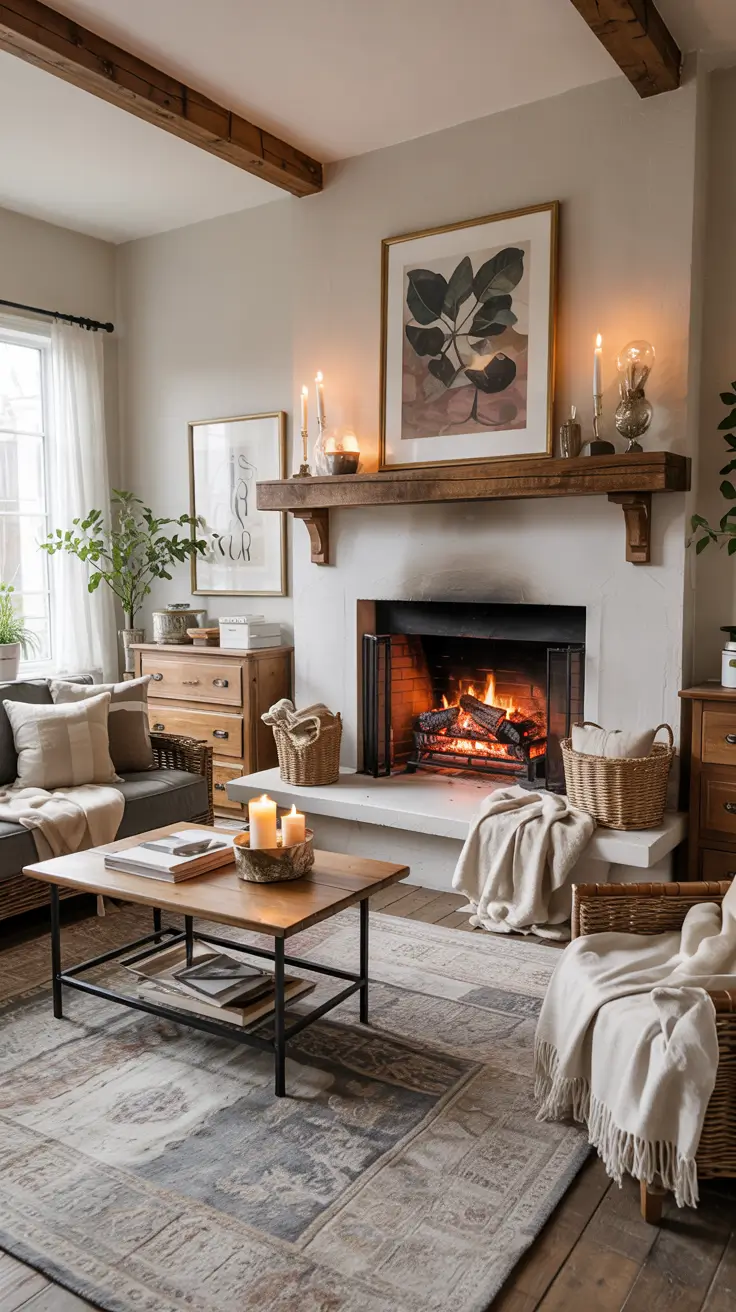
The furniture arrangement should support the fireplace instead of ignoring it. I usually position the main sofa so the fireplace remains visible, then balance the layout with chairs, a coffee table, and side tables that keep conversation easy. A mantel can hold framed art, ceramic vases, candlesticks, or seasonal greenery, but I prefer to keep it edited so the architecture stays visible. If the fireplace surround is simple, I might introduce texture with a rustic wood beam mantel, limewash finish, or stone detail. If the surround already has strong character, I keep nearby furnishings quieter so the room does not feel heavy. For a living room with fire place, I also think a large rug and layered lighting are essential because they help extend the cozy feeling across the entire room.
Personally, I love how a fireplace makes a space feel settled and intimate, even when the decor is very modern. I have noticed that people often overdecorate around the hearth because they assume it needs extra emphasis, but I find the opposite is usually better. A fireplace can carry a room on its own if the scale and styling are handled thoughtfully. Many designers recommend treating the mantel like a composition instead of a shelf for random objects, and I think that advice is especially useful in smaller living rooms. The goal is to create charm, not visual noise. When done well, the fireplace becomes part of the room’s rhythm rather than a separate decorated zone.
What I believe is missing from many fireplace-centered rooms is softness nearby. I would add an upholstered bench, a basket with extra throws, or a small reading chair with a lamp to make the hearth area feel more inviting. I also think readers would benefit from ideas for styling the space during fall halloween, elegant fall, Christmas, or even wedding gatherings at home when the living room becomes part of a celebration. The fireplace zone is perfect for subtle seasonal transitions because it already feels ceremonial and warm. I would also include advice on choosing safe decor if the fireplace is functional. That practical note matters just as much as the styling.
4. Decorating Ideas For The Home Kitchen With Functional Beauty
When I approach decorating ideas for the home kitchen, I always want the room to feel beautiful without losing efficiency. A kitchen is one of the hardest-working areas in the home, so good decorating begins with layout, storage, and durable surfaces. In 2026, I see kitchens becoming softer in look, with warmer wood tones, quieter cabinet colors, and more layered lighting instead of one bright overhead source. This is a helpful direction because it makes the kitchen feel like part of the home rather than a separate utilitarian zone. I think decorating ideas for the home kitchen are most successful when they combine clean organization with enough personality to make daily routines feel pleasant. Even a compact apartment kitchen can feel elevated when beauty and function are planned together.
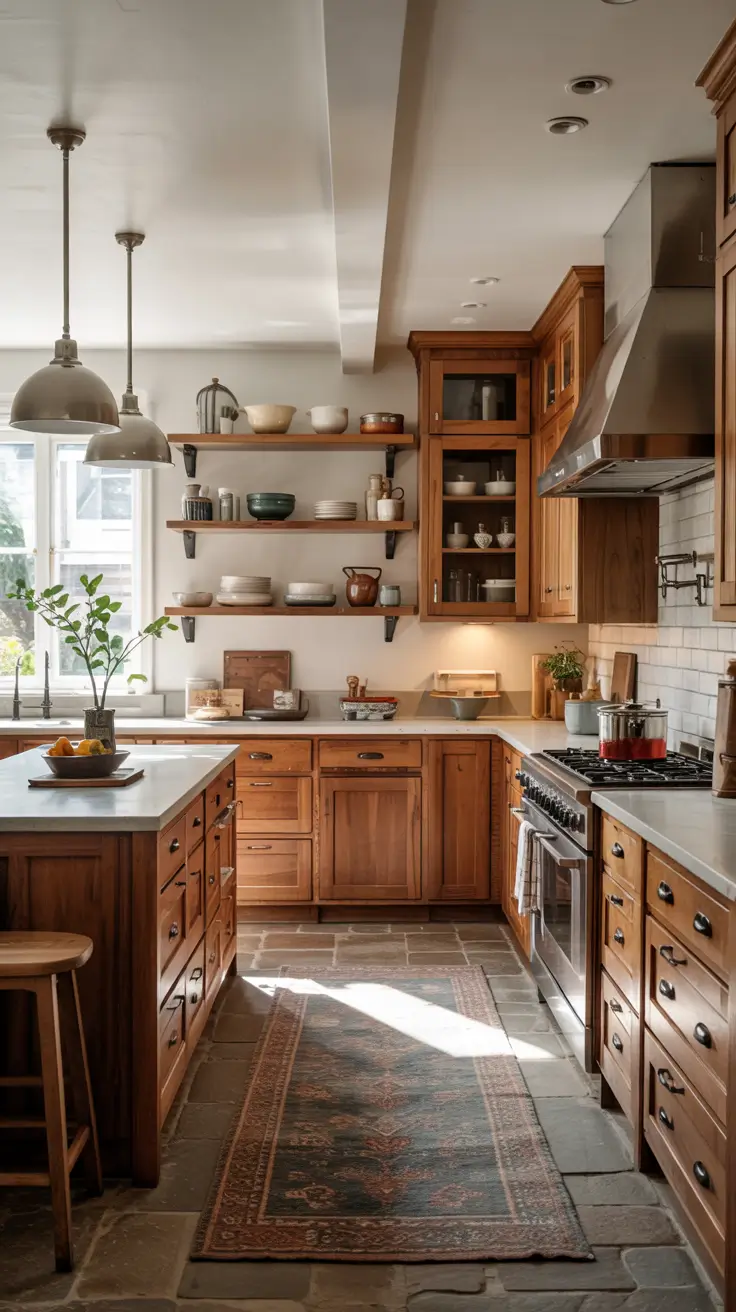
I like to start with cabinetry, countertops, stools, hardware, and lighting because those elements define both use and style. Simple shaker cabinets, flat panel doors, or lightly detailed fronts work well depending on whether the home leans modern, farmhouse, or vintage. Open shelving can be effective, but I only use it when the homeowner is willing to keep it tidy and display items with intention. I recommend adding under-cabinet lighting, a beautiful runner, sculptural pendant lights, and a few warm accessories such as wooden boards, ceramic bowls, or a linen towel set. If space allows, stools at an island or peninsula make the kitchen feel more social and useful. For decorating ideas for the home on a budget, even changing hardware, adding a new light fixture, and repainting walls can reshape the room significantly.
From my point of view, the best kitchen decor always supports movement and everyday habits. I do not like overcrowded counters because they make a kitchen feel smaller and more stressful to use. I prefer to leave breathing room and let a few pieces stand out, such as a fruit bowl, a lamp on the counter, or a vase with seasonal branches. Design editors often highlight the value of layered kitchens that include texture and warmth, and I think that reflects what people truly want now from their homes. A kitchen should feel inviting enough to linger in, not just efficient enough to cook in. That is what turns a practical room into a beautiful one.
If I were adding more to this section, I would include a short guide to styling different kitchen moods, such as modern, boho, farmhouse, vintage, and diy-friendly updates. I would also explain how to bring holiday moments into the space with decorating ideas for the home valentines, Easter, Christmas, or birthday gatherings without making the kitchen feel overloaded. Another useful addition would be advice on styling shelves and counters in a way that stays attractive between cleanups. I think readers also need reassurance that not every kitchen has to be fully renovated to feel fresh. Small visual upgrades can have a big effect when the basics are already solid.
5. Decorating Ideas For The Home Bedroom For A Soft And Relaxing Retreat
For decorating ideas for the home bedroom, I focus first on calmness because a bedroom should support rest more than display. In 2026, I notice that bedrooms are becoming softer, quieter, and less filled with unnecessary furniture. That shift makes sense to me because a restful room depends on visual simplicity, tactile comfort, and a controlled color palette. I like bedrooms that feel airy but not empty, with enough detail to create warmth and enough restraint to help the mind slow down. This is true whether I am working on decorating ideas for the home bedroom in a house or decorating ideas for the home apartment in a smaller city space. The best retreat is one that feels gentle from the moment you enter it.
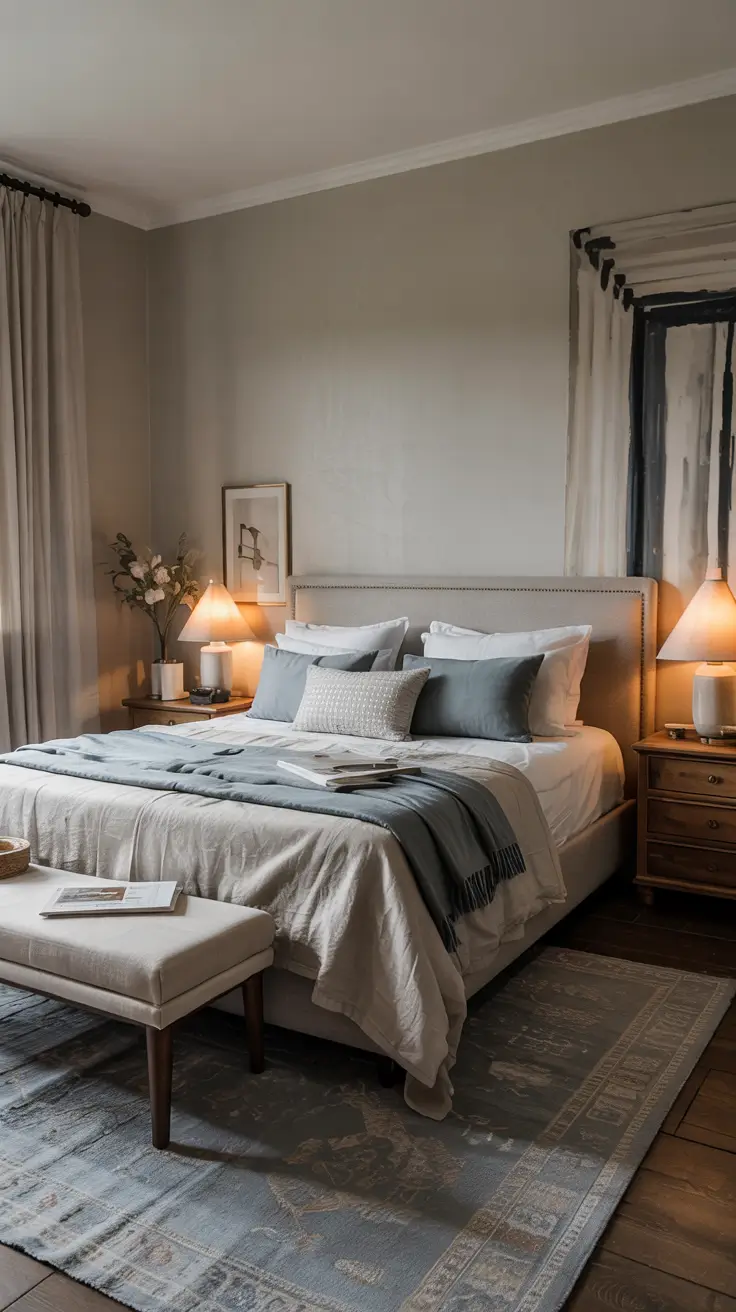
I usually begin with the bed, bedding, nightstands, rug, curtains, and lighting because those are the pieces that shape both comfort and appearance. A well-scaled upholstered or wood bed gives the room structure, while layered bedding in cotton, linen, or soft quilted textures adds depth. I like to include two nightstands when possible because symmetry creates visual calm, even if the lamps or accessories are not identical. Window treatments should soften the room, so I often choose full curtains that skim the floor and filter light beautifully. A bench, accent chair, or small dresser can add function without making the space feel crowded. For color, I prefer warm neutrals, muted blue, soft green, or dusty rose, though vintage, boho, and farmhouse accents can all work if they are edited carefully.
In my experience, bedrooms feel more luxurious when the design pays attention to what is missing, not just what is added. Too many decorative objects can interrupt the restful mood, so I would rather use a few meaningful pieces than many small accessories. I often think about advice from design magazines that recommend making the bed the visual priority, and I agree because it is the strongest element in the room. When the bed looks layered and intentional, the whole bedroom feels more complete. I also find that scent, soft lighting, and tactile materials matter just as much as furniture. A relaxing retreat depends on atmosphere, not only layout.
What I would add to this section is more guidance on the finishing layer. I think many readers need help choosing bedroom wall art, mirrors, baskets, and textiles without making the room too busy. I would also include ideas for seasonal updates, such as elegant fall throws, Christmas greenery, soft valentine color accents, or simple spring changes that keep the room feeling current. Bedroom decor is most successful when it evolves gently rather than changing completely each season. I also believe a bedroom should include at least one personal detail, whether that is a vintage piece, a favorite print, or handmade diy decor. That is what turns a nice room into a personal retreat.
6. Decorating Ideas For The Home Bathroom With A Clean Modern Feel
I start a clean modern bathroom by focusing on openness, visual calm, and materials that feel easy to maintain every day. For me, the best decorating ideas for the home bathroom rely on a restrained palette, often warm white, soft beige, pale stone, or muted taupe, because these shades make the room feel larger and more polished. I also pay close attention to how light moves across surfaces, since a bathroom can look cold if the finishes are too flat or too glossy. In decorating ideas for the home 2026, I notice that bathrooms look better when storage is hidden and the lines stay simple. I prefer a space that feels fresh in the morning and restful in the evening, rather than one filled with too many trends at once.
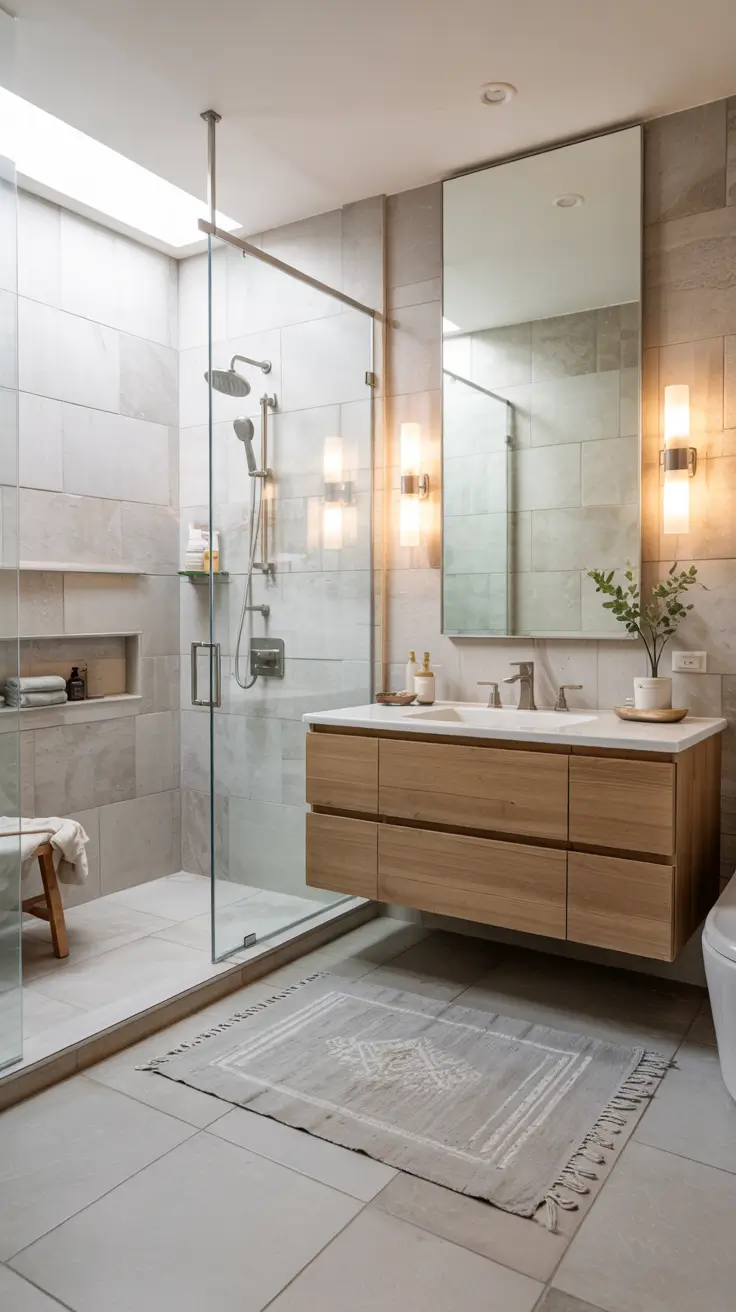
I usually build the room around a floating vanity, because it gives the bathroom a lighter look and makes floor cleaning easier. I like an oak or walnut vanity paired with a quartz or solid surface countertop, a large mirror, slim sconces, and understated hardware in brushed nickel or matte black. In my experience, a frameless glass shower enclosure helps the room feel open, while large format tile reduces visual noise and makes grout lines less distracting. I also include closed drawers for everyday products, open shelving only when it serves a purpose, and soft towels that add texture without competing with the design. When I want decorating ideas for the home modern style to feel livable, I always make sure the bathroom has both beauty and routine-friendly storage.
I personally think a modern bathroom works best when it does not try too hard to impress. I would rather invest in one excellent mirror, one durable vanity, and one beautiful wall finish than fill the space with decorative extras that collect dust and moisture. I often follow the same practical rule many designers repeat in American interiors, which is to get the lighting, scale, and storage right before buying accents. That approach has helped me create bathrooms that still feel current after the first excitement of a trend fades. For me, that is the difference between a bathroom that photographs well and a bathroom that genuinely supports daily life.
What I would still add to this section is one softening layer that prevents the room from feeling too strict. I like a small stool, a ribbed ceramic tray, a compact plant that handles humidity, and a textured bath mat in a natural tone. I also think scent belongs in the design plan, so I often include a candle or diffuser with a clean herbal or citrus note. If the room has enough wall space, I may add one quiet piece of art or a sculptural towel hook to keep the design from looking generic. These final touches are small, but they make decorating ideas for the home bathroom feel finished rather than staged.
7. Decorating Ideas For The Home Entrance That Create A Beautiful First Impression
I believe the entrance sets the emotional tone for the entire house, even when the space is small. The strongest decorating ideas for the home entrance combine beauty with clear function, so the area feels welcoming instead of crowded. I always think about what a person sees in the first five seconds, because that view should tell them something honest about the home. A good entrance can feel modern, vintage, country, or softly elegant, but it should always look intentional. For me, a beautiful first impression starts with proportion, light, and one strong focal point instead of too many competing objects.
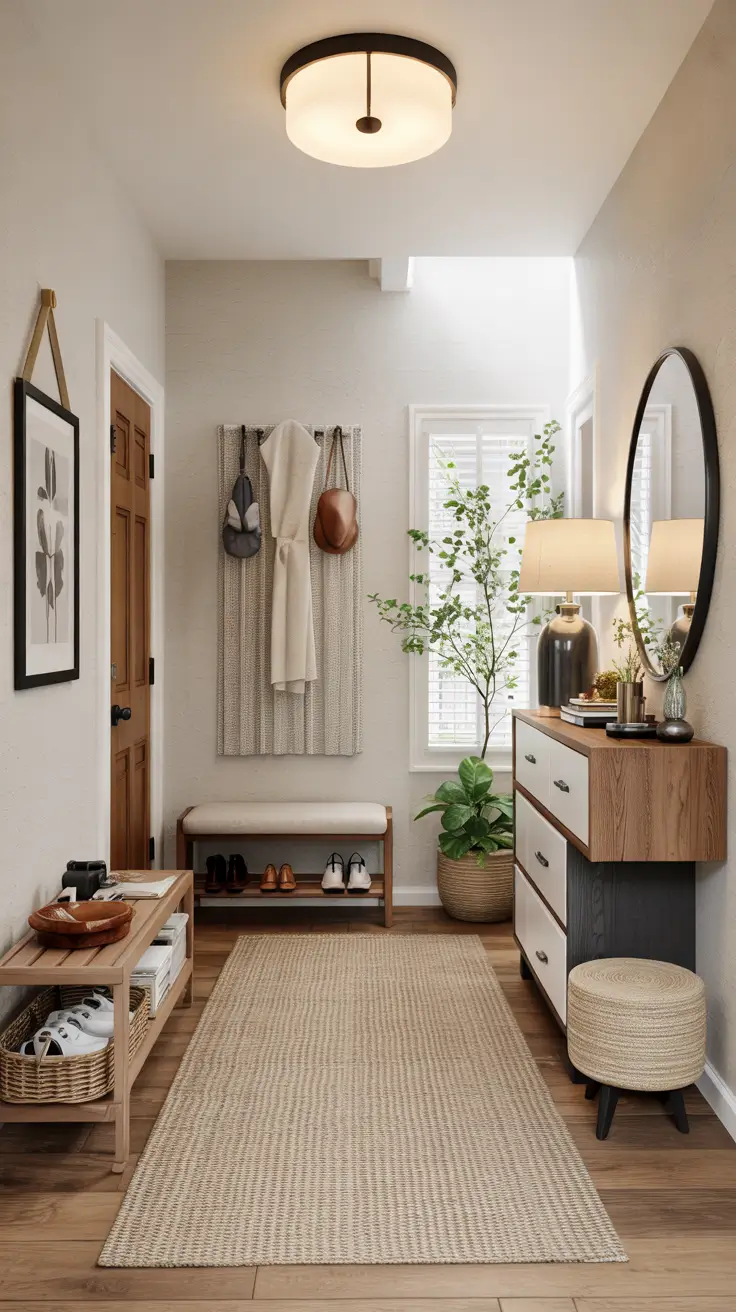
I usually anchor the entry with a console table, because it gives structure to the wall and creates a clear place for practical items. I like pairing that piece with a mirror, a table lamp or wall sconce, a bowl for keys, and a bench if there is enough room to sit while putting on shoes. A runner helps define the path into the house, and I prefer durable materials that can handle daily traffic without losing their shape. I also think hidden shoe storage, a slim coat rack, or clean wall hooks make the entrance feel calmer, especially for families or apartments with limited space. When I choose each item carefully, the entrance feels useful every day and still looks refined.
I also enjoy making the entrance flexible enough for seasonal moments and celebrations. This is where decorating ideas for the home valentines, Easter, Christmas, Halloween, birthday, Valentine, Ganpati, and Pooja details can appear in a subtle way without taking over the whole house. I prefer to switch the styling through one wreath, one floral arrangement, one tray, or a small decorative object on the console rather than rebuilding the entire area. That keeps the home feeling fresh while preserving the original design. In my experience, the most elegant seasonal styling is light-handed and respects the everyday architecture of the space.
What I would add if the entrance still feels incomplete is one element that gives it warmth and one element that improves organization. I often include a textured lamp shade, a framed artwork, or a small vase with branches to soften hard lines. I also like an umbrella stand, a closed basket, or a narrow cabinet when clutter tends to collect near the door. If the entrance opens directly into a larger room, I make sure its colors connect with the nearby wall, living room, or kitchen so the transition feels smooth. That extra attention helps decorating ideas for the home entrance look beautiful in real life, not just in a styled photo.
8. Decorating Ideas For The Home Wall Using Art Panels Mirrors And Texture
Walls shape the mood of a room more than many people expect, which is why I treat them as active design surfaces rather than empty background. The most effective decorating ideas for the home wall create depth, rhythm, and balance without overwhelming the furniture. I like to use walls to guide the eye, especially in spaces that need more character but do not need more objects on the floor. In many homes, the wall is where modern design, vintage personality, and practical space planning can meet. When I plan wall treatments carefully, I can make an ordinary room feel layered, taller, brighter, or more intimate.
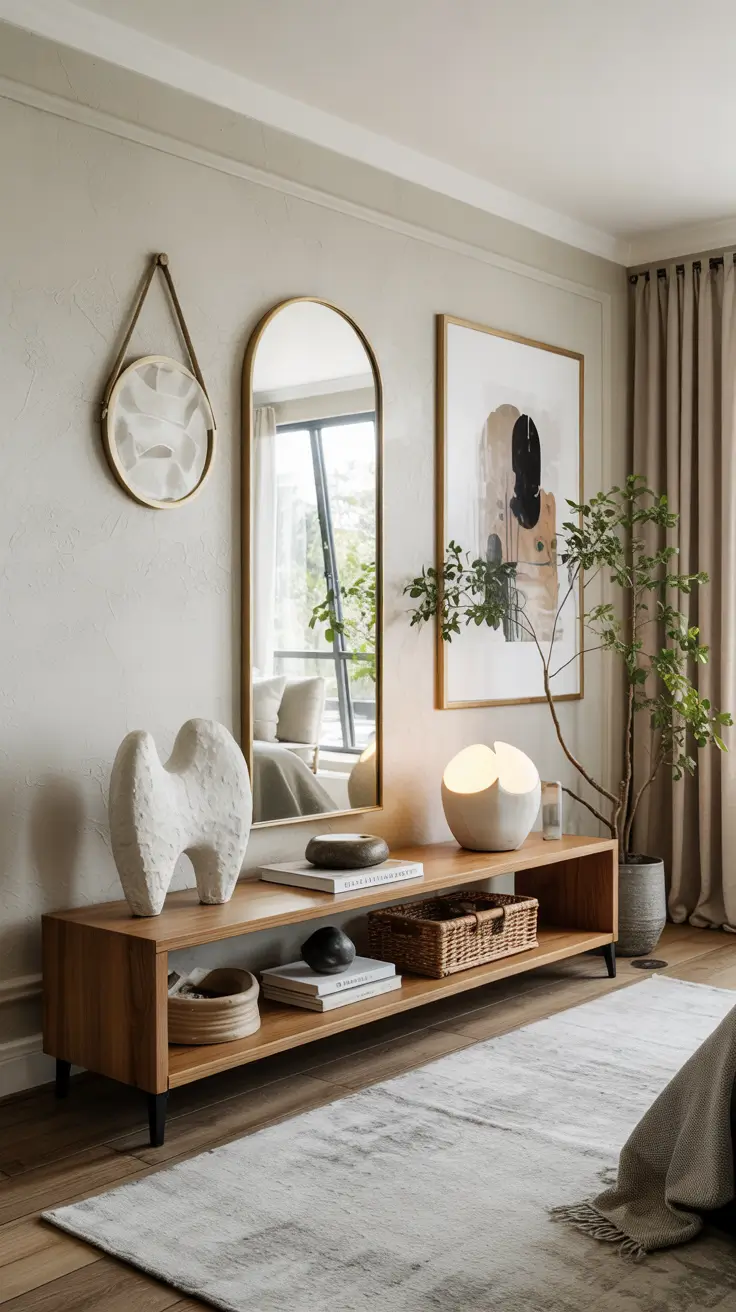
I often start with art panels, because they introduce scale and structure in a clean way. Mirrors are equally useful, especially when I want to bounce light around a small room, reflect a window view, or visually widen a narrow area. Texture is what keeps the design from feeling flat, so I like limewash paint, subtle panel molding, fluted wood, grasscloth-inspired finishes, or even a controlled DIY treatment that still looks polished. In a living room, I may combine oversized art with one mirror and a softly textured wall finish, especially when working with living room color schemes grey blue that need warmth and movement. I find that the best wall design feels composed from a distance and interesting up close.
I personally like wall styling that reveals something about the home without becoming too literal. A vintage frame, a modern panel arrangement, or a handmade detail can add personality in a way that feels quieter than buying a room full of decor. When I create a gallery composition, I pay attention to spacing more than people expect, because consistent gaps make even mixed pieces look intentional. I also avoid filling every inch, since blank wall space is part of the composition. For me, wall design succeeds when it supports the room rather than trying to dominate it.
What I would still add to this kind of wall plan depends on the room around it. If the area feels visually cold, I add a warmer finish, natural wood, or fabric texture nearby to balance the hard surfaces. If the wall looks attractive but not useful, I may introduce a picture ledge, slim shelf, or integrated lighting that gives it another purpose. I also think scale should always be checked from the actual seating or walking position, because a wall piece can look very different once the furniture is in place. That final adjustment is what makes decorating ideas for the home wall feel thoughtful rather than randomly assembled.
9. Decorating Ideas For The Home Apartment That Maximize Small Spaces
When I decorate an apartment, I focus first on movement, storage, and visual breathing room. The best decorating ideas for the home apartment do not try to imitate a large house, because small spaces work better when they celebrate efficiency and clarity. I like layouts that let one area do more than one job, especially in homes where the living room, dining zone, and kitchen are closely connected. In decorating ideas for the home on a budget, I also think apartment design improves when every purchase solves at least two problems. For me, a successful apartment feels organized, flexible, and warm instead of packed with small furniture that never quite works.
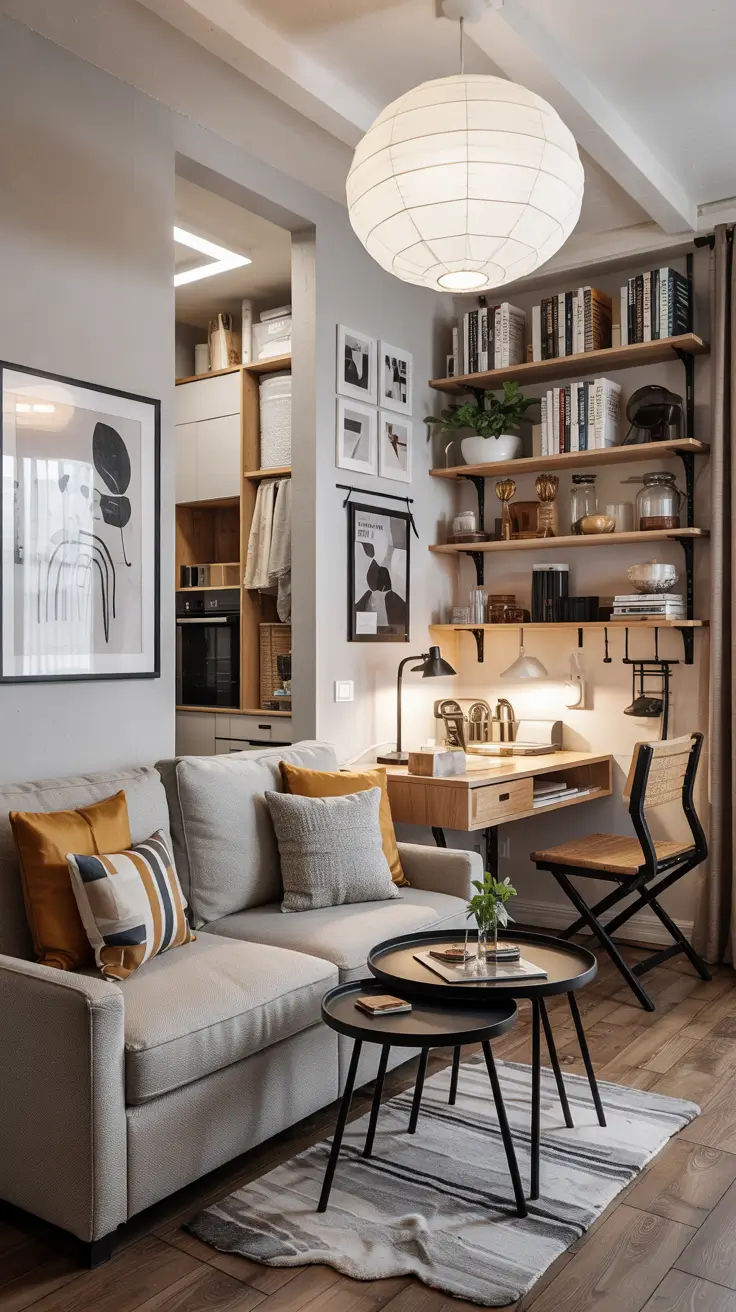
I usually choose a sofa with hidden storage, a compact coffee table, nesting side tables, and a dining surface that can fold, extend, or attach to the wall. I also like vertical solutions such as tall shelving, wall mounted desks, under bed storage, and cabinetry that reaches up instead of spreading out. In an open plan apartment, I often define zones with rugs, lighting, and furniture placement rather than heavy dividers, because that keeps the home feeling airy. I think decorating ideas for the home kitchen and decorating ideas for the home bedroom should visually connect through finishes, textiles, and repeated colors, even when the apartment is compact. That kind of continuity makes the entire home feel more intentional and much larger than it is.
I personally enjoy apartment interiors that mix modern boho softness with disciplined planning. A few boho textures, warm woods, a neutral palette, and one patterned textile can make a small home feel inviting, but I keep the shapes clean so the look stays modern. If the layout allows it, I even like a compact living room with fire place effect created by a slim electric unit or a simple mantel line, because it adds focus without requiring much floor space. I have found that small apartments look better when decorative objects are edited carefully and surfaces are not overloaded. To me, the smartest apartment design is not about owning less for the sake of it, but about giving every piece a reason to be there.
What I would add to complete this kind of apartment is one stronger organizing system and one stronger lighting plan. I often include matching baskets, drawer dividers, and concealed charging areas so the practical side of the room stays under control. I also think layered lighting is essential, because a ceiling fixture alone can make a small apartment feel flat and temporary. A floor lamp, table lamp, under cabinet lighting, and soft bedside light create depth and help separate functions within the same square footage. These finishing choices turn decorating ideas for the home apartment into a space that feels comfortable every day, not just efficient on paper.
10. Decorating Ideas For The Home Outside With Inviting Patio And Garden Details
Outdoor design matters because it shapes the first and last impression of home life, especially in warmer months or transitional seasons. My favorite decorating ideas for the home outside create a patio or garden that feels connected to the indoor style instead of looking like an afterthought. I like to think of the outside area as another room, whether it is a small terrace, a backyard seating zone, or a farmhouse inspired porch with planting beds. In decorating ideas for the home 2026, I see more interest in comfort outdoors, with layered seating, better lighting, and a stronger balance between natural planting and clean structure. For me, an inviting outdoor space should feel relaxed, useful, and easy to maintain.
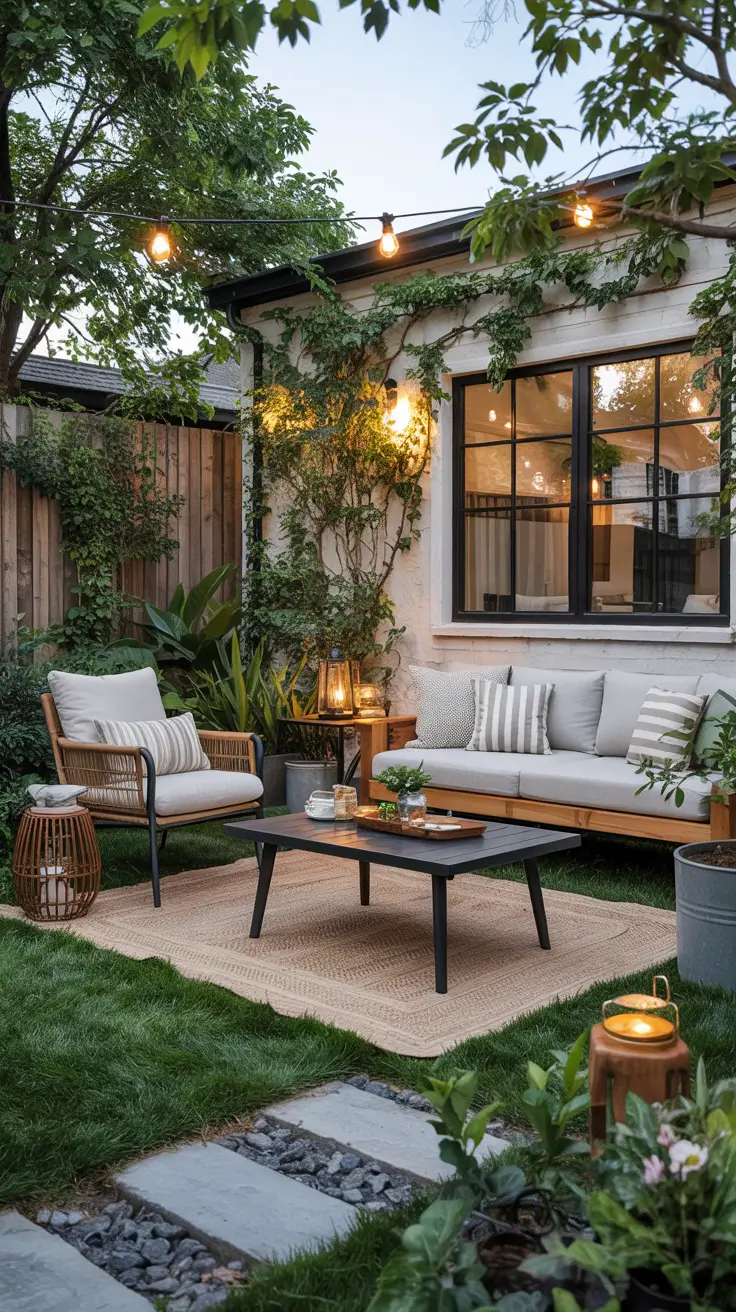
I usually begin with a seating plan that supports real conversation and movement. A bench, lounge chairs, a weather resistant rug, side tables, planters, and warm outdoor lighting can completely change how the area feels, even before adding more decorative details. I also like mixing practical garden elements with visual softness, such as gravel paths, potted herbs, climbing greenery, lanterns, and cushions in quiet natural colors. If the home leans country or farmhouse, I may add painted wood, black metal details, or classic terracotta for more character. When I plan it well, the patio or garden becomes a place to read, eat, gather, and slow down.
I especially like outdoor styling that can shift through the year without losing its base design. This is where simple fall textures, elegant fall layers, fall halloween accents, Easter florals, Christmas greenery, birthday table settings, and even a small wedding ready arrangement can fit naturally. I prefer reusable foundations such as neutral furniture, warm string lights, and timeless planters, because they make seasonal changes feel effortless rather than excessive. In my experience, outdoor areas look best when the core design stays steady and the mood changes through textiles, flowers, and tabletop details. That approach keeps the space inviting in everyday life and still special for gatherings.
What I would still add to complete the outside section is one comfort feature and one finishing feature. I often suggest shade in the form of an umbrella, pergola, or light canopy, because even a beautiful patio is less useful when the sun is too strong. I also like a fire bowl, portable heater, or layered blanket basket if the goal is to extend use into cooler evenings. For the final polish, I include a tray for drinks, a planter with height variation, and one focal point near the seating area so the composition feels grounded. These details help decorating ideas for the home outside feel lived in, adaptable, and memorable.
11. Decorating Ideas For The Home On A Budget That Still Look Elegant
I find that the most effective decorating ideas for the home on a budget start with restraint, balance, and a clear color palette instead of constant shopping. When I want a room to look elegant for less, I focus on calm wall colors, layered lighting, and a layout that allows each piece to breathe. This approach works especially well in an apartment, because smaller spaces benefit from visual order and a limited number of decorative accents. I usually begin with soft neutrals, warm whites, muted taupe, or gentle greige because they make furniture look more expensive and allow seasonal updates to feel natural. In my experience, budget design looks refined when I invest attention in proportion, texture, and placement rather than trying to fill every empty corner.
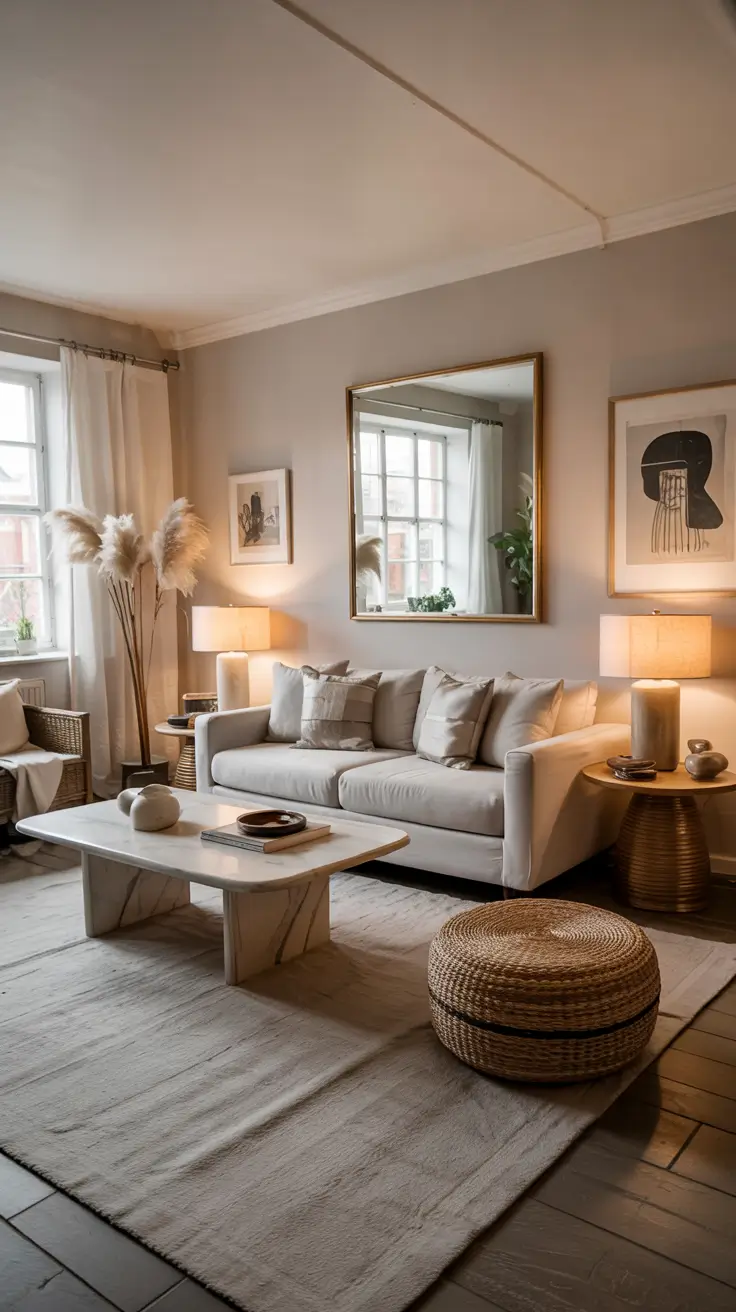
I prefer to build this kind of room with one comfortable sofa, a simple coffee table, a large area rug, and curtains hung high to make the ceiling appear taller. I also like adding a mirror near the entrance or across from a window because it reflects light and gives even a modest room a more open feeling. For the wall treatment, I often choose framed prints in matching tones, a narrow picture ledge, or one oversized artwork instead of many small pieces that create visual noise. In the kitchen or dining zone, I think elegant budget styling comes from ceramic bowls, a neat tray, glass storage jars, and one statement pendant that gives the room a focal point. Small upgrades such as changing cabinet hardware, swapping old lampshades, and using cohesive textiles can completely shift the mood without forcing a full renovation.
I have noticed that many respected interior editors at House Beautiful and Architectural Digest return to the same idea again and again, which is that a room feels expensive when it is edited well. I agree with that because I have seen simple spaces improve immediately once the extra decor is removed and the remaining pieces are given better placement. I also think texture matters more than price, so I would rather use linen-look curtains, a woven basket, and a matte ceramic vase than buy several trendy items that do not connect visually. When I decorate on a budget, I try to make every object earn its place through function, shape, or warmth. That habit keeps the room elegant and helps me avoid the clutter that often makes affordable decor look temporary.
If I were finishing this section in a real home, I would add one more layer of softness so the room does not feel too plain. I usually do that with a throw on the sofa, a shaded lamp on a side table, and one natural element such as branches, eucalyptus, or olive stems. I also like including a compact bench, stool, or storage ottoman because it gives the room flexibility without making it feel crowded. For anyone working with decorating ideas for the home wall, I would suggest keeping the composition simple and using scale to create impact instead of quantity. In my opinion, that final layer is what turns a careful budget room into a space that still feels elegant and intentional.
12. Decorating Ideas For The Home Modern Boho Style With Warm Layers
When I think about decorating ideas for the home modern boho style, I picture a room that feels relaxed, collected, and warm without becoming overly busy. I believe modern boho works best in 2026 when the base is clean and contemporary, while the layered details bring softness and personality. This style can work beautifully in the living room, bedroom, or even a compact apartment because it adds comfort without requiring heavy furniture. I usually start with a neutral foundation, then build around it with earthy tones, curved forms, and tactile materials that invite touch. The result feels casual yet polished, which is why I continue to recommend modern boho for people who want a home that looks current but still deeply personal.
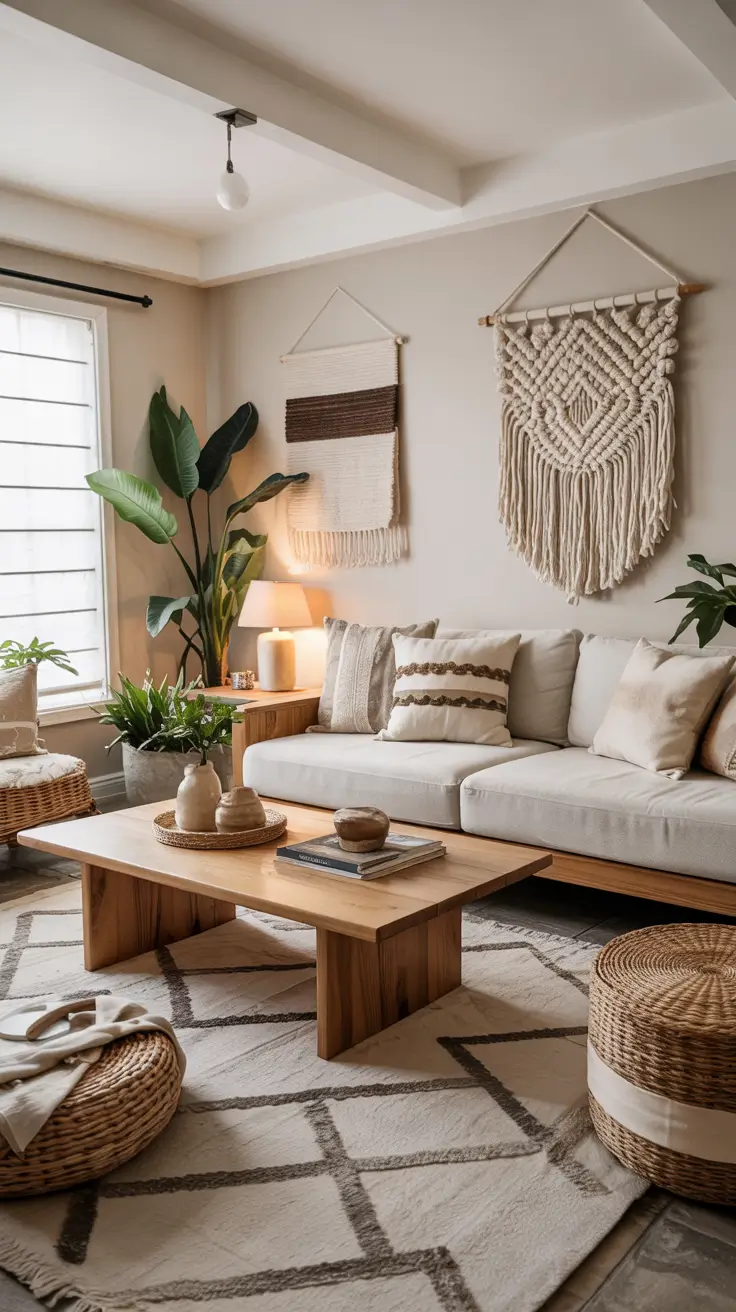
I like to anchor a modern boho room with a low-profile sofa, a light wood coffee table, and a textured rug with subtle pattern rather than strong contrast. Around those larger pieces, I add a mix of boucle, linen, leather, and woven details because the variation makes the room feel layered without needing many bright colors. For storage and styling, I often use open shelving with ceramic vases, stacked books, a few framed art pieces, and baskets that bring both softness and utility. In a bedroom, I would carry the same idea through with a warm upholstered bed, relaxed bedding, a bench at the foot of the bed, and wall decor that feels handmade or vintage. If the home includes a living room with fire place, I think the mantel becomes the perfect place for modern boho styling through candles, earthy pottery, and a simple mirror or artwork.
From my perspective, the strongest modern boho interiors are the ones that know when to stop. I have seen rooms lose their calm feeling when too many patterns, fringe details, or small objects compete for attention on every surface. That is why I prefer a more edited version of boho that keeps the architecture visible and lets a few strong textures do most of the work. I also appreciate how many design publications now show boho spaces with cleaner lines, because that shift makes the style easier to live with over time. In my own work, I always try to keep the room grounded with balance so the warmth feels intentional and not accidental.
To complete this look, I would add one or two pieces that give the room a human touch and keep it from feeling overly styled. I often choose a floor plant, a handwoven wall hanging, or a vintage stool that introduces irregularity in a natural way. I also think lighting is essential here, so I would include a soft table lamp, a paper lantern, or a rattan pendant to create evening warmth. For decorating ideas for the home bedroom, this same logic applies because layered bedding and gentle lighting can make a simple room feel far more inviting. In my opinion, modern boho becomes successful when every addition supports comfort, texture, and visual ease.
13. Farmhouse And Country Decorating Ideas For The Home With Timeless Appeal
Farmhouse and country decorating ideas for the home continue to appeal to me because they make a space feel settled, welcoming, and rooted in everyday life. I do not think this style needs to feel old-fashioned, and in 2026 I prefer a cleaner farmhouse look that blends traditional forms with lighter finishes and better editing. This approach works especially well in the kitchen, entrance, and family room because those spaces benefit from warmth and practical storage. I usually begin with natural wood tones, soft painted surfaces, and a mix of open and closed storage that supports daily routines. What gives the style timeless appeal, in my view, is the way it combines comfort, function, and familiarity without relying on passing trends.
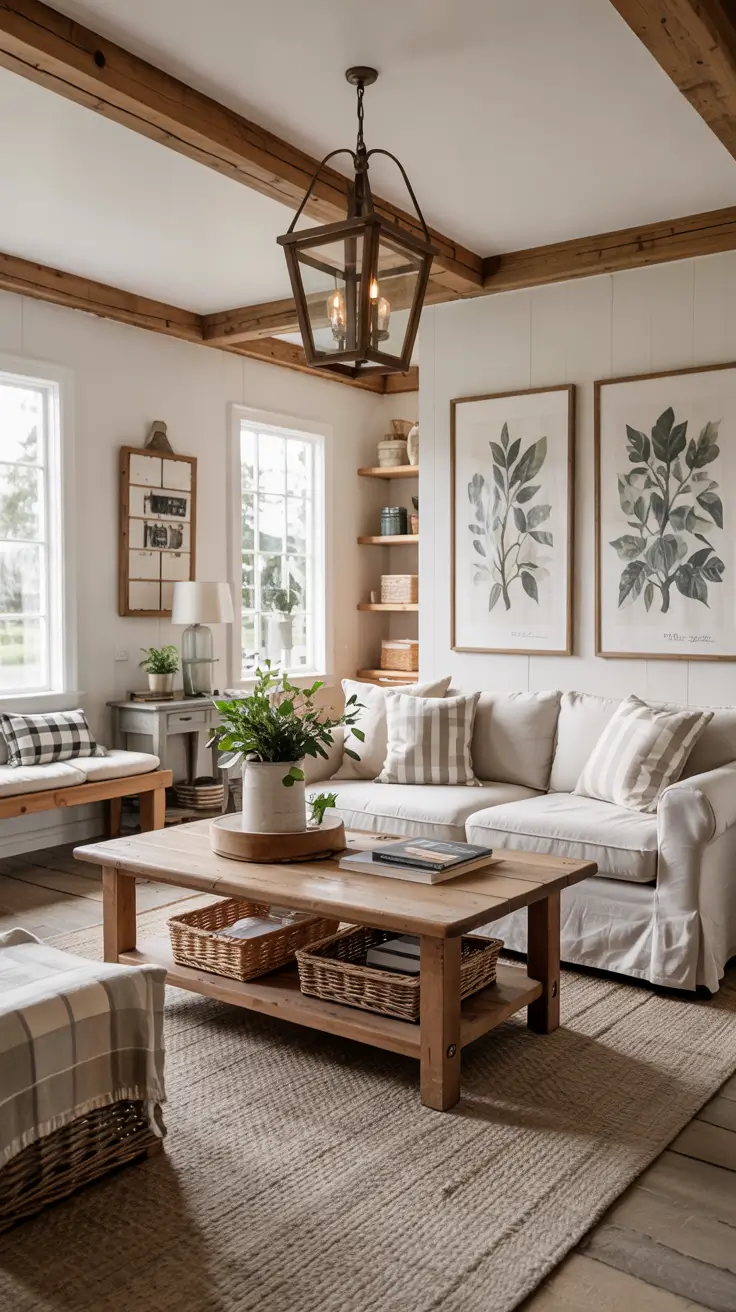
In a farmhouse living room, I like using a substantial sofa, a wood coffee table, slipcovered chairs, and a rug that introduces quiet pattern without overpowering the room. For the kitchen, I would include shaker-style cabinets, open shelves for everyday dishes, vintage-inspired hardware, and a large pendant or lantern light to define the center of the space. I also think a bench, a console, or a narrow cabinet near the entrance is useful because country decorating ideas for the home entrance should feel inviting from the moment someone walks in. On the wall, I prefer simple framed botanical prints, landscape art, or a large antique-style mirror rather than signs or slogans that can make the room feel themed. In a bedroom, farmhouse character often comes through most clearly in the bed frame, the bedside lamps, the layered quilt, and the soft window treatments.
I have always liked the way farmhouse interiors encourage people to use their rooms instead of protecting them from daily life. That practical attitude is part of why the style still feels relevant, especially for families or anyone who wants decorating ideas for the home kitchen and living spaces that are easy to maintain. I also think the best farmhouse rooms avoid excess distressing and focus instead on quality materials, useful furniture, and a few nostalgic details. Many American design editors have pointed out that timeless rooms tend to mix old and new rather than leaning too hard into one era, and I strongly agree with that principle. When I design in this style, I try to make the room feel collected over time, because that is what gives it authenticity.
If I were refining this section further, I would make sure there is at least one element that softens the room and keeps it from feeling too heavy. I usually add striped or checked textiles, a crock with branches, and warm metal accents in aged brass or black to bring definition. I also like including one storage piece with visible craftsmanship, such as a hutch, a freestanding cabinet, or a sturdy bench with baskets underneath. For decorating ideas for the home outside, I think the same farmhouse logic can continue through planters, a painted front door, simple lanterns, and a welcoming porch bench. In my opinion, those finishing details are what make farmhouse and country style feel timeless instead of costume-like.
14. Vintage And Diy Decorating Ideas For The Home With Personality
Vintage and diy decorating ideas for the home appeal to me when a room needs character that cannot be bought in a matching set. I think this direction works best when the vintage pieces bring history and patina, while the diy elements solve practical needs in a personal way. A home can feel much more memorable when not everything looks new, especially in a bedroom, office corner, or apartment living space where individuality matters. I usually begin by choosing one or two vintage anchors, such as a dresser, mirror, side table, or dining chairs, and then build around them with simpler pieces. That balance keeps the room expressive without making it feel crowded or overly nostalgic.
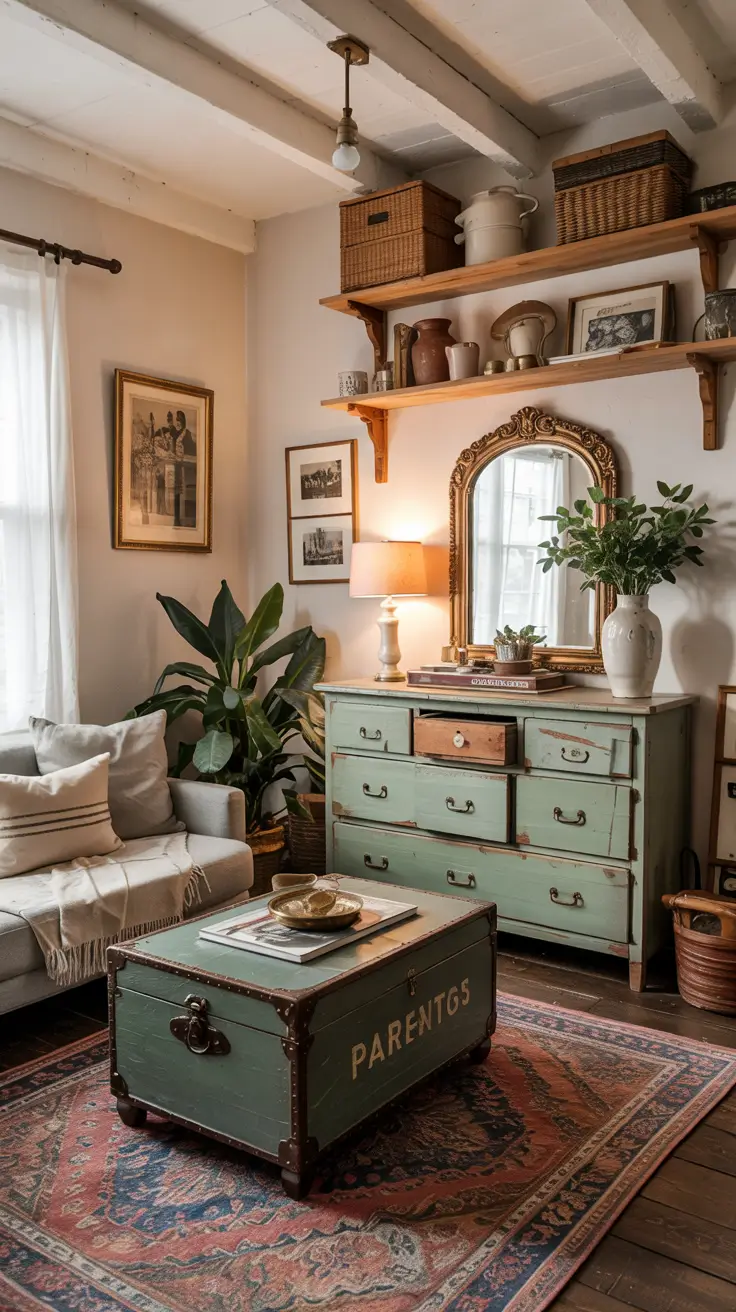
For diy updates, I like projects that improve function as much as style, such as repainting a wooden cabinet, changing drawer pulls, framing fabric as wall art, or creating open shelves from reclaimed wood. I also think vintage lighting, old brass details, and handmade ceramics pair well with modern basics because they give the room depth and make newer furniture feel less generic. In the living room, a vintage trunk can work as a coffee table, while in the bedroom an antique nightstand can bring shape and texture that flat-pack furniture often lacks. For decorating ideas for the home wall, I find that a gallery made from family photos, vintage prints, and handmade pieces usually feels more authentic than a set of mass-produced art. Even in the kitchen, diy styling can appear through painted stools, labeled jars, salvaged trays, and open storage that makes the room feel lived in.
Personally, I enjoy this style because it gives me room to experiment without making the house feel disposable. I have learned that the most successful vintage rooms are not the ones with the most old objects, but the ones where each object contributes shape, age, or meaning. That is also why I keep diy projects focused and useful, since too many unrelated projects can make a room feel unfinished. I often notice that editors and stylists recommend mixing time periods to create interest, and I think that advice is especially valuable here. When I follow it, the room gains personality while still feeling fresh and practical for daily life.
To make this type of room feel complete, I would add one cohesive thread that ties the vintage and diy elements together. I usually choose a repeating material or color, such as warm wood, black metal, faded blue, or antique brass, because it helps the room feel curated. I would also pay attention to upholstery, lampshades, and hardware, since those smaller details often determine whether the room looks charming or chaotic. For anyone drawn to vintage, valentine, birthday, wedding, or Christmas styling later in the year, this layered base also makes seasonal decor easier to integrate without overwhelming the room. In my opinion, that adaptability is one of the biggest strengths of decorating with vintage and diy personality.
15. Living Room Color Schemes Grey Blue That Feel Fresh In 2026
Living room color schemes grey blue remain one of my favorite directions because they can feel calm, sophisticated, and surprisingly flexible. I think the reason they still feel fresh in 2026 is that the tones have shifted away from cold, sharp contrasts and toward softer, more layered combinations. When I use grey blue in a living room, I prefer dusty blue, slate blue, misty blue, and warm grey rather than icy colors that make the room feel distant. This palette works in both modern and classic interiors, and it can connect beautifully with decorating ideas for the home modern or more traditional spaces. In my experience, the best grey blue rooms feel balanced by warmth from wood, fabric, lighting, and a few darker accents that give the palette structure.
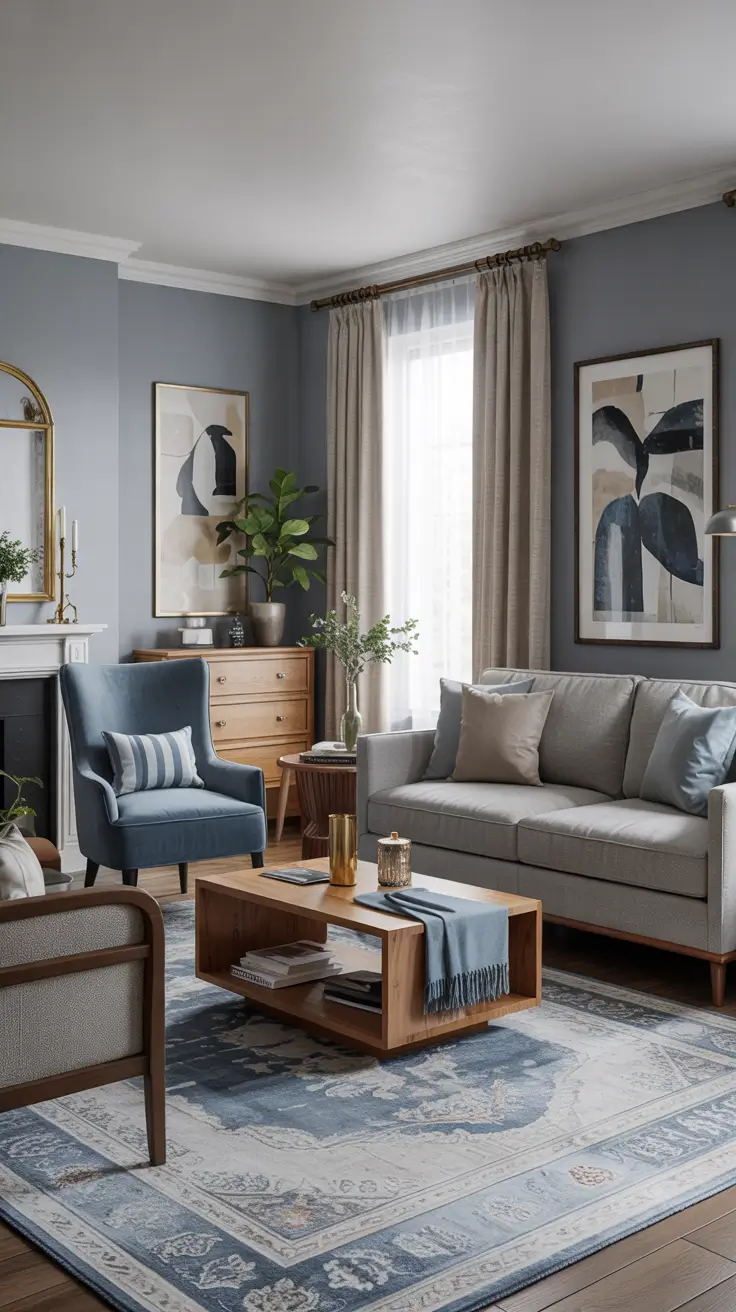
I like to start with a warm grey sofa or a blue accent chair, then build around it with cream walls, oak or walnut wood, and textiles that soften the cooler tones. A patterned rug that includes grey blue, ivory, and muted beige can tie the room together while keeping the floor from feeling visually flat. If the room includes a fire place, I often use the surround or mantel to introduce contrast through stone, painted millwork, or darker decor that grounds the palette. On the wall, I prefer abstract art, landscape prints, or panel molding painted in a gentle blue-grey because they support the color story without making it feel repetitive. In smaller apartment spaces, this scheme can also make the room look more open when the deeper blue is used selectively and the lighter tones carry most of the visual weight.
I like this palette because it feels adaptable across seasons, which is useful for anyone who enjoys simple fall styling, elegant fall layers, fall halloween accents, or even softer valentines decor. The same grey blue base can also support vintage, boho, farmhouse, or modern furniture depending on the shapes and materials I choose. I have found that rooms in this color family look especially polished when there is enough contrast between the walls, upholstery, and accessories, because too much sameness can make the space feel sleepy. This is one area where I often follow the advice of experienced stylists who recommend balancing cool tones with texture and natural materials. In practice, that means I would always add woven elements, soft throws, wood finishes, and warm lamps to keep the room inviting.
If I were adding the finishing layer to this living room, I would include a few pieces that warm up the palette and make it feel complete in real life. I usually choose brass or bronze details, a dark wood side table, and cushions in cream, muted rust, or soft brown to prevent the scheme from feeling overly cool. I would also make sure the window treatments are substantial enough to soften the room, because fabric plays a major role in how blue and grey are perceived. For decorating ideas for the home living room, I think this palette is strongest when it is paired with thoughtful lighting and a clear focal point, whether that is art, a sofa arrangement, or a fire place. In my opinion, grey blue remains fresh because it offers color without noise and calm without blandness.
16. Valentine And Valentines Decorating Ideas For The Home With Romantic Details
When I create decorating ideas for the home valentines, I focus on softness, warmth, and a sense of intention rather than overwhelming the room with obvious themed pieces. A romantic interior in 2026 looks more refined when the color palette stays limited to blush, cream, muted red, warm beige, and a few darker accents for contrast. I find that this approach works especially well in a living room, bedroom, or home apartment where the design needs to stay elegant after the holiday passes. Texture matters just as much as color, so I like to add velvet, linen, soft knit throws, and candlelight to build atmosphere. This style feels current because it supports comfort and emotional warmth without making the home feel temporary or overly decorated.
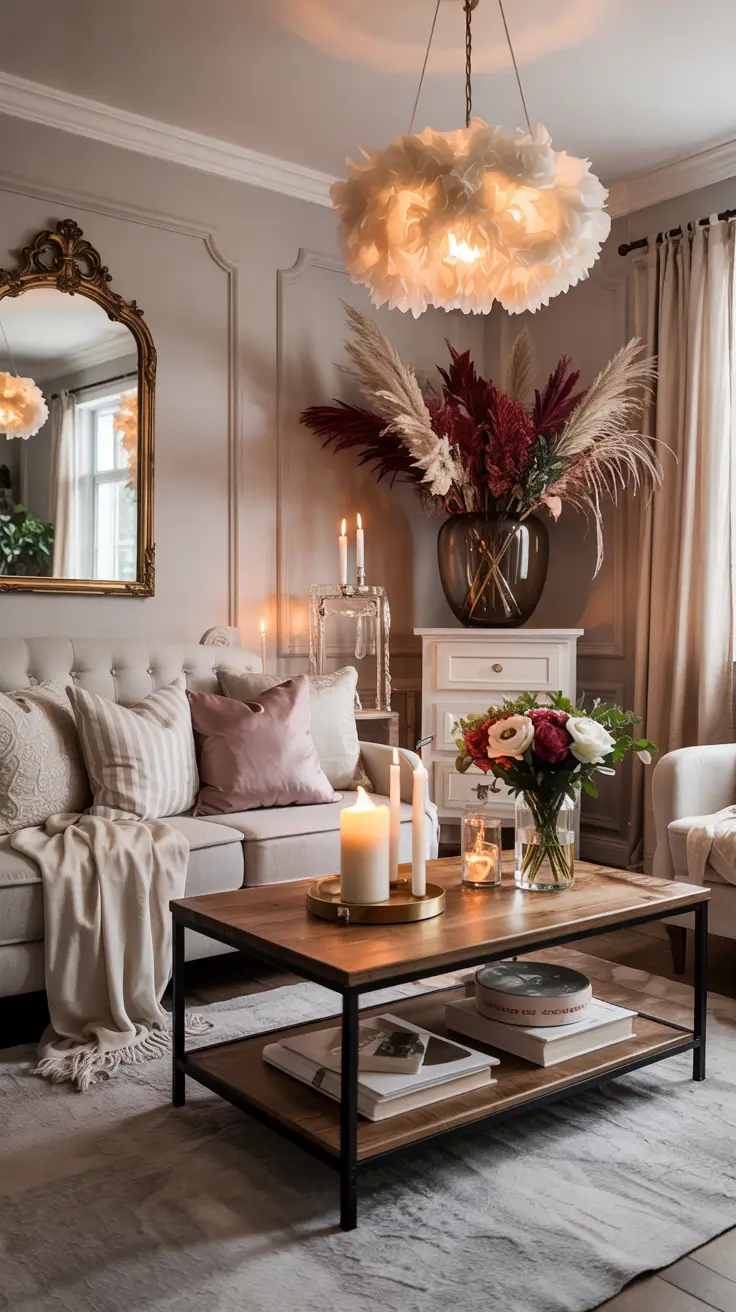
I usually begin with the largest visual elements in the room, such as a sofa, bed, accent chair, or dining table, and then layer romantic details around them. In a living room with fireplace, I would add soft pillows, a low floral arrangement, taper candles, and one subtle garland across the mantel to keep the focal point balanced. In a bedroom, I prefer crisp bedding in neutral tones with one quilted throw, rounded bedside lamps, and a small upholstered bench at the foot of the bed. For wall styling, I would use simple framed prints, a vintage mirror, or one DIY paper heart installation in a restrained arrangement rather than covering every surface. These choices help the room feel thoughtful, stylish, and comfortable enough for daily use.
I personally think Valentine decor looks best when it borrows from classic interior styling rather than party supplies. Many U.S. interior magazines have repeated the same advice for years, which is to build a room around mood, texture, and quality materials instead of relying on novelty. I agree with that approach because it keeps the design mature and adaptable, especially if you already like decorating ideas for the home bedroom or decorating ideas for the home living room with a soft and layered look. When I want a romantic feel, I pay more attention to ambient light, fresh flowers, and fabric than to obvious symbols. That decision usually makes the room feel more elegant and much easier to maintain.
To complete this section, I would add one grounded focal point that ties everything together visually. This could be a floral centerpiece, a fireplace arrangement, or a styled tray with candles, books, and a ceramic vase on the coffee table. I would also make sure the room includes something slightly contrasting, such as black metal, dark wood, or smoked glass, so the softness does not become flat. If the room feels too sweet, I would edit it back immediately and keep only the strongest pieces. In my experience, the most effective Valentine interiors feel calm, intimate, and well edited.
17. Easter And Christmas Decorating Ideas For The Home That Feel Festive And Refined
When I plan Easter and Christmas decorating ideas for the home, I try to avoid making the room look crowded or overly seasonal. I prefer a layered approach where the base interior still feels timeless, and the holiday touches simply enhance what is already there. This works especially well for decorating ideas for the home kitchen, decorating ideas for the home entrance, and decorating ideas for the home wall because those spaces can carry festive details without disrupting daily routines. For Easter, I lean into pale greens, soft ivory, natural wood, and fresh branches, while for Christmas I build around deeper greens, warm whites, brass, and natural textures. The result feels festive and refined rather than busy.
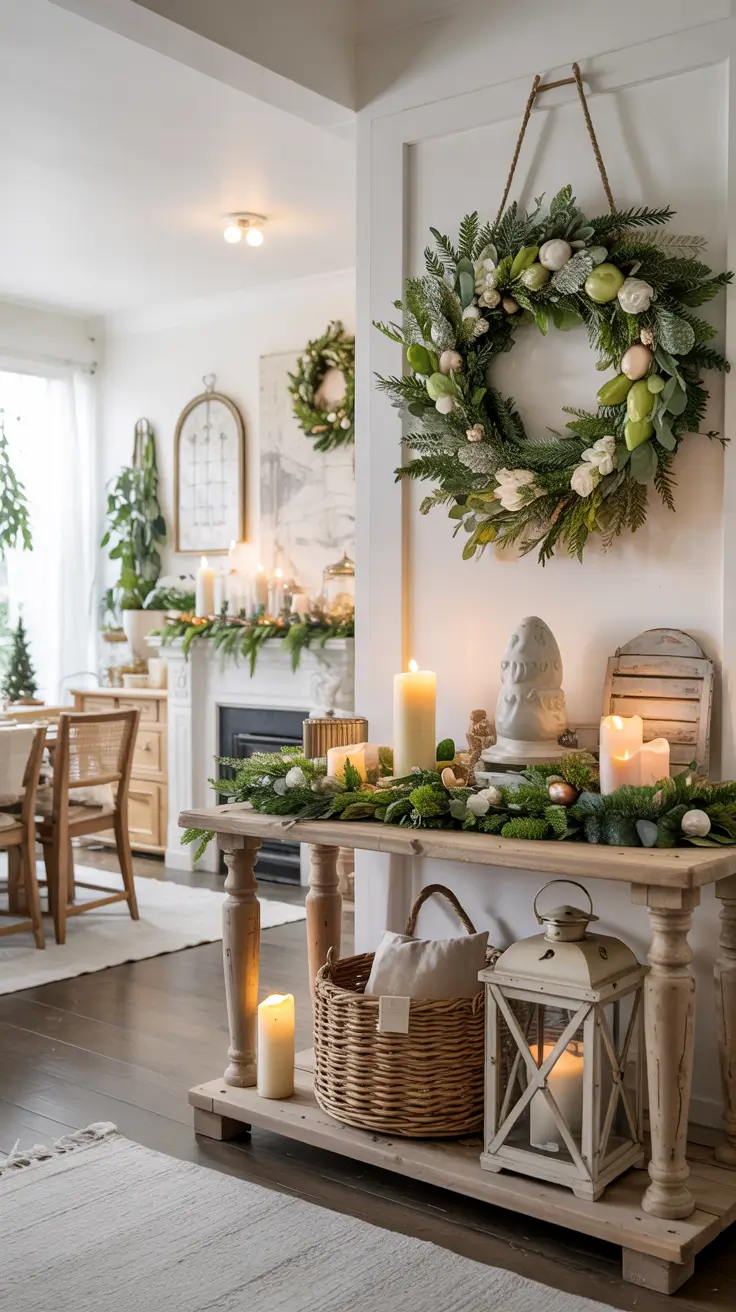
In practical terms, I like to style the entry first because it sets the tone for the entire home. For Easter, I would use a simple wreath with greenery, a narrow console with ceramic rabbits or eggs in muted finishes, and a woven basket with branches or spring blooms. For Christmas, I prefer garland around the door, lanterns, a bench with textured pillows, and a restrained console arrangement with candles and evergreen stems. In the kitchen, I would add linen towels, a bowl of ornaments or eggs, seasonal mugs, natural wood boards, and one centerpiece on the island or table. For wall decor, I choose one statement piece, such as a wreath, a festive framed print, or a mirror styled with greenery, because the room looks more polished when the holiday layer stays edited.
I have noticed that the best holiday interiors in American homes often keep a strong connection to the everyday style of the house. If the home already leans farmhouse, country, vintage, or modern boho, I think the seasonal decorations should follow that language instead of fighting it. That is why I would never force bright novelty colors into a home with quiet natural finishes, and I would not overload a modern room with too many rustic extras. In my own work, I always ask whether the room would still feel beautiful if I removed half the seasonal objects. If the answer is yes, I know the decorating is probably balanced.
What I would add here is a stronger emphasis on scent, lighting, and materials, because those details carry a surprising amount of the holiday mood. A room often feels more festive when I use natural greenery, beeswax or unscented candles, warm lighting, and tactile fabrics rather than too many figurines or signs. I would also include one table setting element, even if it is very simple, because Easter and Christmas both benefit from a dining surface that feels intentional. In many homes, the dining table, kitchen island, or breakfast nook becomes the quiet centerpiece of the holiday season. That is often more memorable than filling every shelf.
18. Simple Fall And Fall Halloween Decorating Ideas For The Home
Simple fall decorating works best for me when I treat it as a seasonal shift in mood rather than a full theme change. I like to bring in rust, camel, olive, brown, muted plum, and creamy neutrals so the house feels warmer without losing its original style. This is one of the easiest ways to create decorating ideas for the home wall, decorating ideas for the home modern spaces, and decorating ideas for the home apartment layouts that need flexibility. For fall Halloween, I still prefer subtle drama over clutter, which means using darker lighting, natural textures, and a few sculptural accents. That balance helps the home feel seasonal, sophisticated, and easy to live in from September through early November.
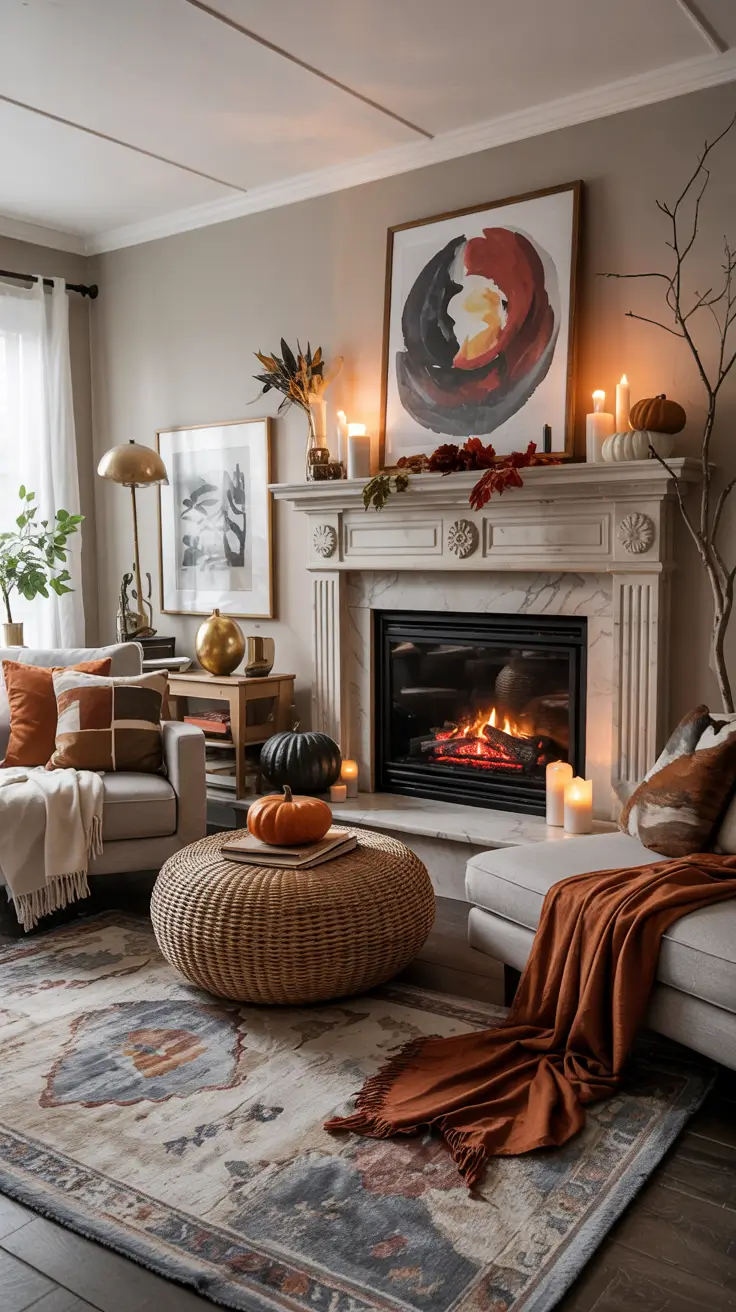
In a living room, I usually start with textiles because they change the room quickly and practically. I would add heavier curtains, boucle or knit pillows, a richer area rug if possible, and a throw in a warm earthy tone to make the seating area feel more grounded. For a living room color schemes grey blue base, I like introducing burnt orange, tobacco, antique brass, and dark wood to warm up the cooler undertones without changing the whole palette. Halloween details can be folded in through black candleholders, smoky glass, dried branches, dark ceramic pumpkins, and a moody wreath rather than bright novelty items. If the room includes a fireplace, I see the mantel as the ideal place for elegant fall styling because it naturally supports layered height and seasonal texture.
I personally love fall because it gives me permission to make a room feel more intimate and textured. Design editors in the U.S. often recommend decorating with natural materials in autumn, and I think that advice remains useful because it keeps the house from feeling artificial. I prefer real branches, linen runners, wool throws, wood bowls, and matte ceramics over plastic seasonal decor, especially if I want an elegant fall atmosphere. This approach also works well for decorating ideas for the home on a budget because a lot of the best fall styling comes from rearranging, layering, and editing rather than buying large statement pieces. In my experience, less decoration with better texture always wins.
To strengthen this section, I would add one note about circulation and comfort, since fall homes should feel easy to move through and easy to gather in. It helps to keep side tables functional, leave enough room around seating, and ensure blankets, lamps, and candles are placed where people naturally relax. I would also add one subtle scent layer, such as cedar, spice, or woodsy notes, because atmosphere matters as much as visuals in autumn. For fall Halloween, I would keep any themed additions concentrated in one or two areas rather than spreading them across the whole house. That way the design stays intentional and the room still feels beautiful in daylight.
19. Birthday And Wedding Decorating Ideas For The Home For Memorable Gatherings
Birthday and wedding decorating at home should feel celebratory, but I think it should also respect the architecture and everyday style of the space. Whether I am styling a dining room, kitchen, backyard, or living room, I want guests to notice how cohesive the atmosphere feels before they notice individual decorations. This is especially useful for decorating ideas for the home outside and decorating ideas for the home entrance because those areas shape the first impression of the event. In 2026, I see more home celebrations using layered neutrals, soft florals, candlelight, and flexible seating rather than highly themed setups. That makes gatherings feel personal, elegant, and comfortable.
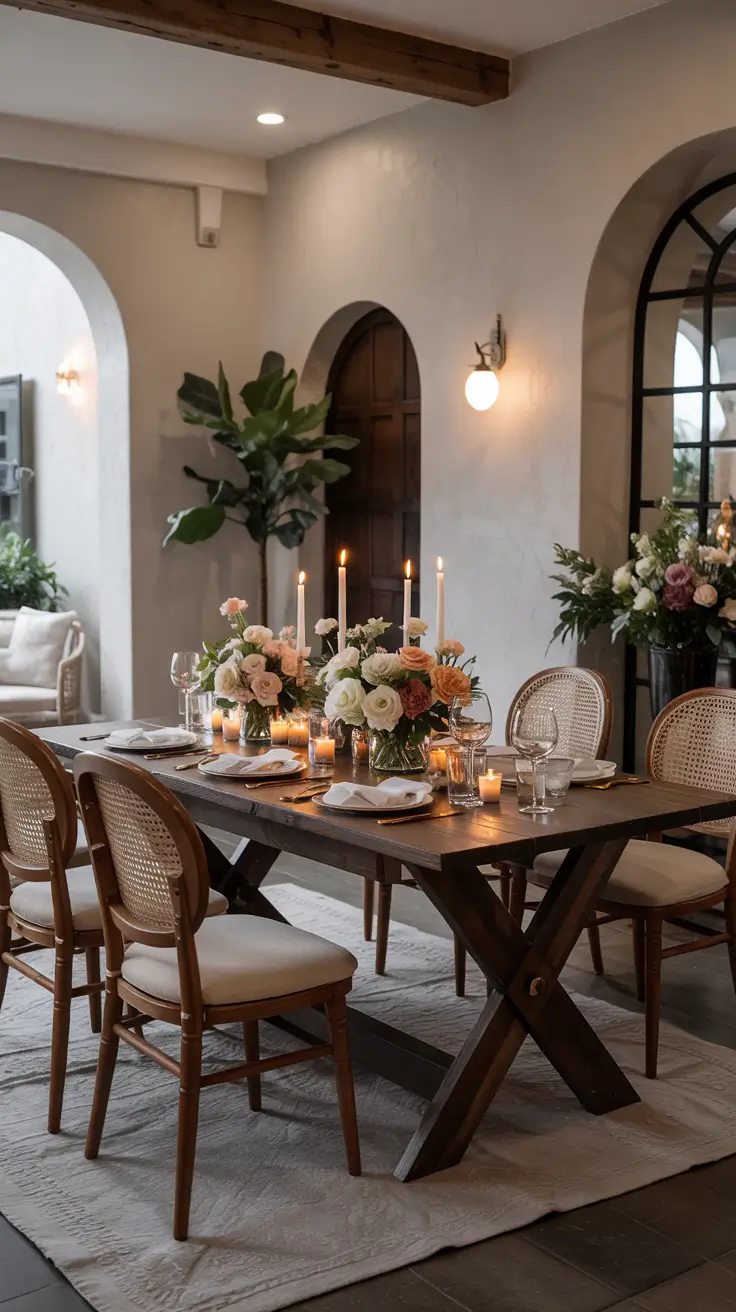
I usually begin with layout because the event works better when furniture supports conversation, dining, and movement. For a birthday, I might create one main table moment with cake, flowers, and soft lighting, then add a secondary drinks or dessert station so the room feels organized. For a wedding celebration at home, I would focus on a clean entrance, a central dining or lounge zone, beautiful chairs, linens with texture, and one memorable backdrop made from fabric, greenery, or flowers. In a kitchen or dining area, I like to use layered tableware, candles of different heights, and glassware that reflects light beautifully in the evening. Outside, I would add string lighting, potted plants, light-colored cushions, and a few lanterns so the setting feels intentional without looking staged.
I have found that home gatherings feel most memorable when the design supports real interaction. Many well-known entertaining editors in the U.S. return to the same principle, which is that guests remember comfort, lighting, and atmosphere more than highly complicated decoration. I agree completely, so I focus on seating, flow, and warm visual rhythm before I think about extra accessories. Even a simple birthday or wedding setup can feel elevated when the furniture is arranged well and the table styling has depth. I would rather style fewer elements beautifully than fill the house with things that get in the way.
What I would still add here is one stronger personalized layer so the gathering feels specific to the people being celebrated. That could be a framed family photo table, handwritten place cards, a color palette that reflects the couple or host, or one signature arrangement in the entrance. I would also consider acoustics and lighting because those two details shape the mood more than most people expect. Soft fabrics, candles, lamps, and even rug placement can make the room feel warmer and calmer during a celebration. When those essentials are right, the home becomes the decoration as much as the objects inside it.
20. Ganpati And Pooja Decorating Ideas For The Home With Meaningful Elegant Touches
When I think about Ganpati and Pooja decorating ideas for the home, I believe the most important goal is to create a space that feels respectful, serene, and visually balanced. I do not see these occasions as a reason to overload the room with decoration, because elegance often supports spiritual focus better than excess. This style can work beautifully in a small apartment, a dedicated prayer room, a corner of the living room, or near the home entrance if the arrangement is carefully planned. I prefer warm neutrals, soft gold, marigold tones, natural wood, brass, and clean white elements to keep the setting calm and luminous. The result feels meaningful and graceful while still fitting naturally into the home.
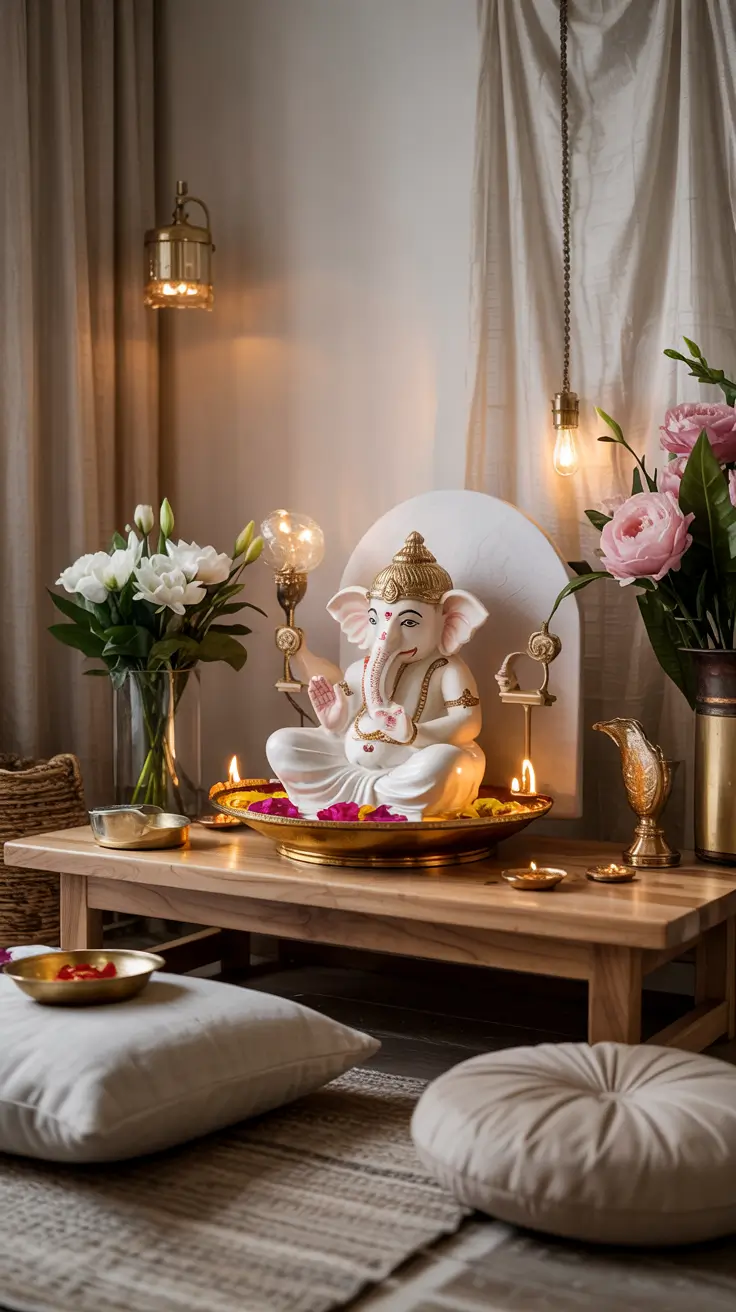
I usually start with the central altar or focal surface, because that area anchors everything else in the room. I would choose a low table, wooden platform, or console dressed with clean fabric, brass lamps, fresh flowers, and a neat arrangement for the idol or sacred objects. For wall styling, I think a simple backdrop made from fabric, floral strings, or a symmetrical frame of greenery is often more beautiful than a heavily layered design. If the room is modern boho or modern overall, I would keep the supporting furniture minimal and rely on texture, candlelight, and natural materials to bring richness. For a larger setup, I might add floor cushions, a soft rug, and one side arrangement for offerings so the space feels complete without becoming crowded.
I personally feel that these decorating moments are strongest when every element has a clear purpose. I am always more drawn to a pooja or Ganpati setup that uses proportion, symmetry, and fresh materials well than one that simply uses more of everything. In homes where the overall design is already elegant or minimalist, I think this approach creates a much more harmonious result. It also allows the space to transition back into daily life more easily after the celebration. That sense of continuity matters to me, because meaningful decor should still feel connected to the home itself.
To finish this section properly, I would add attention to lighting and floor level detail, since both are essential in these spaces. Gentle ambient light, diyas or candles placed safely, and a soft glow around the focal area can transform the atmosphere without requiring more objects. I would also make sure the surrounding area is uncluttered so the arrangement has visual breathing room and remains easy to maintain. If possible, I would add one textile element such as a floor runner, mat, or draped fabric in a tone that supports the rest of the palette. In my view, that final layer helps the setting feel complete, grounded, and deeply intentional.